Molecular Mimicry: How Lead Ions Disrupt Calcium Signalling Pathways in the Prefrontal Cortex
An in-depth investigation into the biochemical mechanisms of lead toxicity, focusing on how lead ions impersonate calcium to derail neural signalling, executive function, and cellular health within the prefrontal cortex.
# The Silent Hijacker: Molecular Mimicry in Lead Toxicity
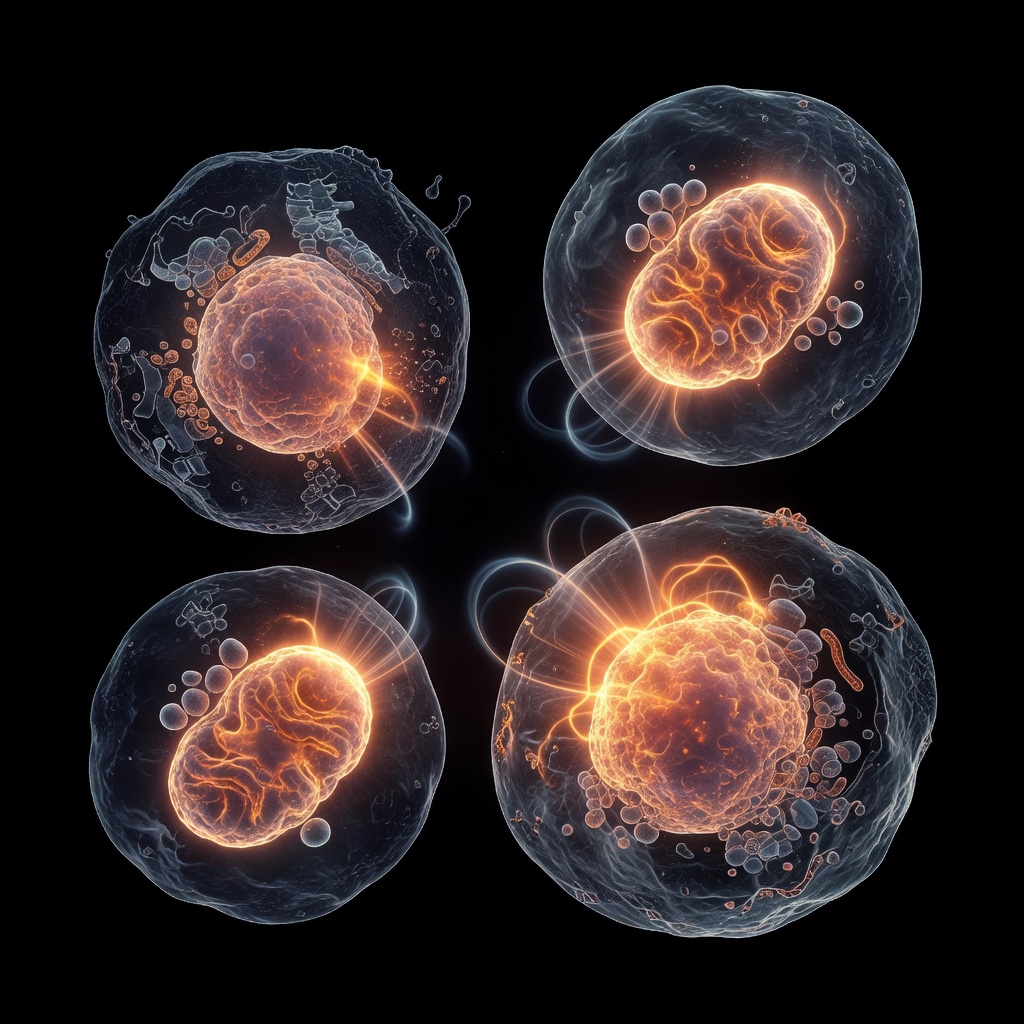
Lead (Pb) is a potent neurotoxin with no known safe level of exposure in the human body. While its systemic effects are well-documented, the most insidious damage occurs at the sub-cellular level within the brain. The primary driver of lead’s neurological devastation is a process known as molecular mimicry. By impersonating essential minerals—specifically calcium (Ca²⁺)—lead ions (Pb²⁺) gain entry to biological pathways they were never meant to access, causing catastrophic failures in the Prefrontal Cortex (PFC).
The Bio-Chemical Chameleon: Why Lead Mimics Calcium
To understand why lead is so destructive, one must look at the periodic table. Lead ions (Pb²⁺) and calcium ions (Ca²⁺) share similar charge densities and ionic radii. In the eyes of a protein or an ion channel, lead looks remarkably like calcium. However, lead is a 'stickier' ion. It binds to calcium-binding sites with an affinity that is often hundreds or even thousands of times greater than calcium itself.
When lead enters the bloodstream, it doesn't just float aimlessly; it actively competes with calcium for transport proteins and entry gates. Once it crosses the blood-brain barrier, it targets the Prefrontal Cortex—the region responsible for executive function, impulse control, and complex cognitive behaviour.
Hijacking the Gatekeepers: Voltage-Gated Calcium Channels
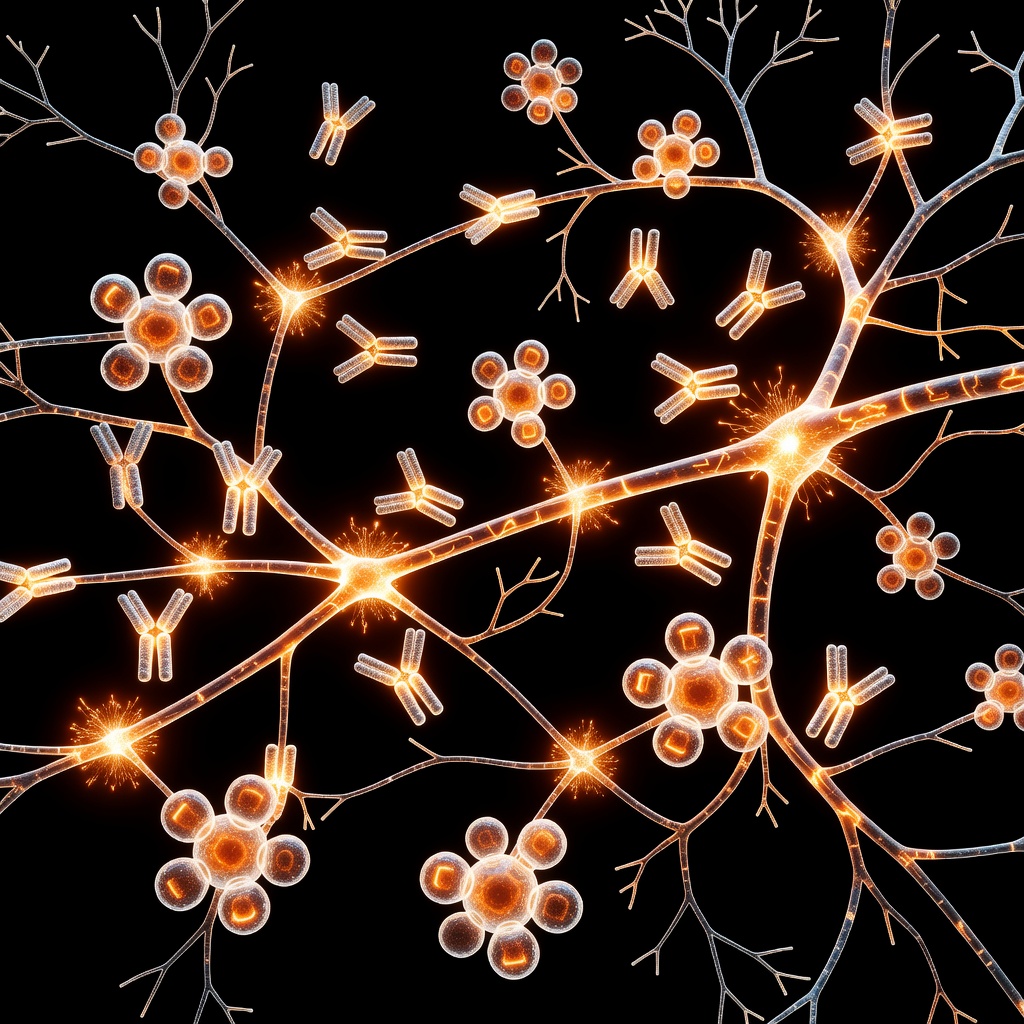
In a healthy brain, neurons communicate via electrical signals that trigger the opening of Voltage-Gated Calcium Channels (VGCCs). The resulting influx of calcium is the 'go' signal for neurotransmitter release. Lead disrupts this at the very first step.
Lead ions block VGCCs, preventing the natural flow of calcium into the neuron. However, because of its mimicry, lead can also pass through these channels itself. Once inside, lead does not behave like the calcium it replaced. It stays bound to internal structures longer, preventing the neuron from resetting its signalling state. This leads to a state of 'synaptic noise,' where the distinction between a signal and silence is blurred.
The Disruption of the 'Executive' Brain
The Prefrontal Cortex is uniquely sensitive to these disruptions. As the 'CEO' of the brain, the PFC relies on precise, high-speed glutamatergic signalling. Lead specifically targets the N-methyl-D-aspartate (NMDA) receptors in this region.
NMDA receptors are critical for synaptic plasticity and learning. Lead acts as a non-competitive antagonist to these receptors. By blocking the NMDA receptor's pore or interfering with its co-agonist binding sites, lead inhibits 'Long-Term Potentiation' (LTP)—the cellular basis for memory formation. In children, this manifests as developmental delays; in adults, it appears as cognitive decline and an inability to regulate emotions, as the PFC loses its inhibitory control over the more primitive amygdala.
Intracellular Havoc: PKC and Calmodulin
Beyond the synapse, lead wreaks havoc on secondary messenger systems. Two key proteins, Protein Kinase C (PKC) and Calmodulin, are the primary 'sensors' of calcium levels inside the cell. They regulate everything from gene expression to energy metabolism.
- —Protein Kinase C (PKC): Lead activates PKC at much lower concentrations than calcium. This premature and chronic activation leads to abnormal phosphorylation of proteins, disrupting the structural integrity of the cytoskeleton and altering the blood-brain barrier's permeability.
- —Calmodulin: Calmodulin is the central relay for calcium signalling. Lead binds to calmodulin with significantly higher affinity than calcium. This 'hyper-activates' certain pathways while suppressing others, leading to a total breakdown in cellular homeostasis.
This biochemical hijacking shifts the cell into a state of oxidative stress. Lead displaces zinc and iron from other enzymes, leading to the production of Reactive Oxygen Species (ROS). The mitochondria, the powerhouses of the PFC neurons, begin to fail under this oxidative load, eventually triggering apoptosis (programmed cell death).
Root Cause Perspectives: Why Chelating Isn't Always Enough
From an Innerstanding perspective, addressing lead toxicity requires more than just removing the metal; it requires repairing the pathways that were hijacked. Traditional chelation therapy can remove lead from the blood, but lead stored in the bone matrix can leach back into the system for decades.
Furthermore, the damage to the calcium-signalling architecture often persists after the lead is gone. Recovery must focus on:
- —Mineral Displacement: Flooding the system with bioavailable calcium, magnesium, and zinc to 'crowd out' residual lead from binding sites.
- —Neuroplasticity Support: Using targeted phytonutrients (like sulforaphane or curcumin) to activate the Nrf2 pathway, which combats the oxidative stress lead leaves in its wake.
- —Synaptic Repair: Supporting the NMDA and GABAergic systems to restore the 'signal-to-noise' ratio in the PFC.
Conclusion
Molecular mimicry is the ultimate biological deception. By pretending to be calcium, lead ions dismantle the very machinery that allows us to think, reason, and control our impulses. Understanding that lead toxicity is a signalling disorder, rather than just 'poisoning,' allows us to develop more sophisticated strategies for neuro-protection and cognitive recovery. In the Prefrontal Cortex, the stakes could not be higher: when calcium signalling fails, the very essence of human executive function is compromised.
This article is provided for informational and educational purposes only. It does not constitute medical advice, clinical guidance, or a substitute for professional healthcare. Information reflects cited research at time of publication. Always consult a qualified healthcare professional before acting on any health information.
RESEARCH FOUNDATIONS
Biological Credibility Archive
Citations provided for educational reference. Verify via PubMed or institutional databases.
Medical Disclaimer
The information in this article is for educational purposes only and does not constitute medical advice, diagnosis, or treatment. Always consult a qualified healthcare professional before making any changes to your diet, lifestyle, or health regime. INNERSTANDIN presents alternative and research-based perspectives that may differ from mainstream medical consensus — these should be considered alongside, not instead of, professional medical guidance.
Read Full DisclaimerReady to learn more?
Continue your journey through our classified biological research.
RABBIT HOLE
Follow the biological thread deeper