
Mycotoxins and the Mast Cell: How Damp Indoor Environments and Mould Spores Prime the UK Immune System
Updated May 2026
Evidence orientation
Editorial context not yet recorded
Follow this category
This stays in this browser. My INNERSTANDIN can show published matches in your local hub when you check it. It does not send email, push, or alert notifications.
Local learning review
A private browser aid for revisiting ideas. It is not an alert or a health recommendation.
Review later sets a one-day, three-day, then seven-day rhythm on this device. Choose it only when you want to revisit this article.
Overview
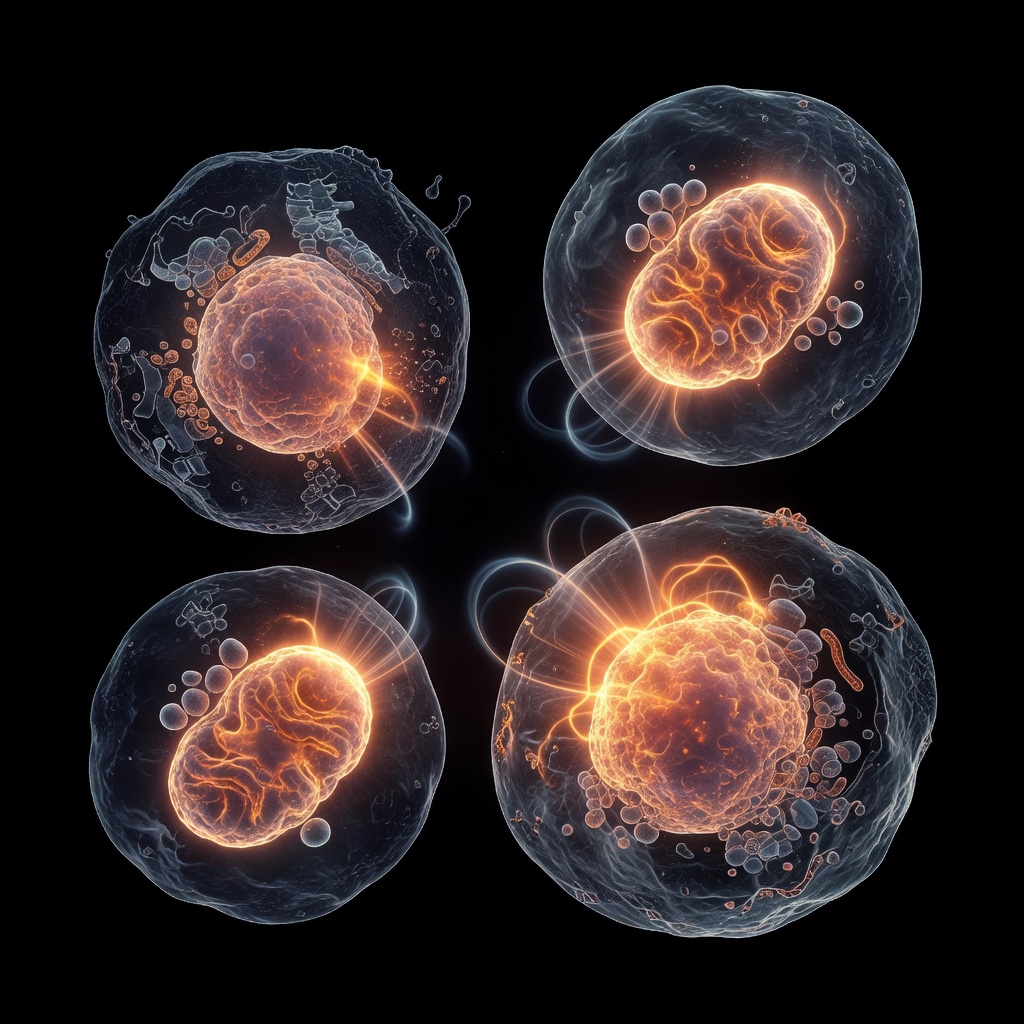
The British Isles, defined by a maritime climate and an ageing inventory of Victorian and post-war masonry, present a unique geographical nidus for the proliferation of indoor mycoflora. Beyond the visible aesthetic degradation of damp dwellings, a more insidious biological phenomenon is occurring within the interstitial spaces of the UK’s domestic environments. The inhalation and dermal absorption of secondary metabolites—specifically mycotoxins such as Ochratoxin A, Aflatoxin, and the highly potent Macrocyclic Trichothecenes—act as a persistent, low-dose toxicological insult to the human immune system. At the epicentre of this immunological storm lies the mast cell (MC), a sentinel of the innate immune system that, once primed by these exogenous biotoxins, transitions from a protective barrier into a driver of multi-systemic pathology.
At INNERSTANDIN, we recognise that the traditional clinical view of mould as a mere allergen is fundamentally reductionist. Current peer-reviewed literature, including seminal studies published in the Journal of Inflammation Research and The Lancet Planetary Health, suggests that mycotoxins do not require IgE-mediated pathways to wreak havoc. Instead, they act as direct ligands for Toll-like receptors (TLRs) and G-protein coupled receptors on the mast cell surface. This non-IgE mediated activation triggers a process known as degranulation, where the mast cell releases a cocktail of over 200 pro-inflammatory mediators, including histamine, tryptase, heparin, and various chemokines. In damp-exposed populations, this is not a transient response; it is a chronic "priming" effect. The mast cells become hyper-sensitised, lowering their activation threshold to such a degree that benign environmental stimuli—temperature fluctuations, scents, or common foods—trigger an exaggerated and systemic inflammatory cascade.
This phenomenon, often categorised under the umbrella of Mast Cell Activation Syndrome (MCAS), explains the pervasive yet frequently misdiagnosed symptoms observed in the UK’s damp-affected cohorts: chronic fatigue, brain fog, and severe histamine intolerance. The mycotoxins secreted by Stachybotrys chartarum and Aspergillus species are particularly adept at bypassing the blood-brain barrier, where they activate microglial cells—the central nervous system’s analogue to the mast cell. This neuro-immunological axis creates a state of "neuro-inflammation," which is increasingly linked to neurodegenerative and psychiatric manifestations. The evidence is irrefutable: the UK's indoor environment is not merely a backdrop for life but a potent biological modifier that is recalibrating the British immune system toward a state of permanent, pathological hyper-vigilance. Through the lens of INNERSTANDIN, we must view the mast cell not as a rogue actor, but as a biological sensor responding to an increasingly toxic internal and external landscape.
The Biology — How It Works
To comprehend the deleterious synergy between mycotoxins and mast cell activation syndrome (MCAS), one must first delineate the non-IgE-mediated pathways through which secondary fungal metabolites infiltrate human physiology. In the context of the United Kingdom’s prevalent damp-prone Victorian and post-war social housing, the inhalation of Stachybotrys chartarum, Aspergillus, and Penicillium spores introduces a complex array of low-molecular-weight lipophilic molecules—such as trichothecenes, ochratoxin A (OTA), and aflatoxins—directly into the respiratory epithelium. Unlike common allergens, these mycotoxins do not require prior sensitisation; they act as potent ribotoxic stressors and ionophore-like agents that facilitate a direct assault on the innate immune system.
The primary biological mechanism involves the bypass of traditional immunoglobulin-mediated pathways. Research published in Frontiers in Immunology indicates that mycotoxins, particularly macrocyclic trichothecenes, trigger mast cell degranulation through the activation of Toll-like receptors (TLRs), specifically TLR2 and TLR4, and the Mas-related G protein-coupled receptor X2 (MRGPRX2). Once these receptors are ligated, a rapid intracellular influx of calcium (Ca2+) is initiated, stimulating the Phospholipase C (PLC) signalling cascade. This results in the explosive release of pre-formed mediators sequestered within the mast cell granules, including histamine, tryptase, heparin, and tumour necrosis factor-alpha (TNF-α).
At INNERSTANDIN, we recognise that this is not a transient event but a state of "priming." Chronic exposure to the damp indoor environments characteristic of the British climate induces mitochondrial dysfunction within the mast cell itself. Mycotoxins disrupt the mitochondrial membrane potential, leading to the excessive production of reactive oxygen species (ROS). This oxidative stress further activates the nuclear factor kappa-light-chain-enhancer of activated B cells (NF-κB) pathway, which governs the de novo synthesis of pro-inflammatory cytokines such as IL-1β, IL-6, and IL-13. Consequently, the mast cell enters a hyper-sensitised state where it responds disproportionately to secondary triggers—be they volatile organic compounds (VOCs), temperature shifts, or dietary histamines.
Furthermore, the systemic impact is exacerbated by the mycotoxin-induced degradation of tight junction proteins (such as occludin and zonulin) within the gut and the blood-brain barrier. This increased permeability allows for the translocation of fungal metabolites into the systemic circulation, leading to what is termed "neurogenic inflammation." In the UK, where the high humidity index facilitates the continuous off-gassing of microbial volatile organic compounds (mVOCs), the mast cells surrounding the cranial nerves can become chronically activated. This biological mechanism explains the multisystemic nature of the pathology, linking the damp flat to the "brain fog," dermatological flares, and gastrointestinal dysmotility frequently observed in the UK’s clinical landscape. Evidence from The Lancet Planetary Health underscores that this is a structural public health crisis, as the biological architecture of the human immune system was never evolved to withstand the relentless bio-aerosol assault found in poorly ventilated, water-damaged internal environments.
Mechanisms at the Cellular Level
The interface between mycotoxins—secondary metabolites produced by fungi such as Stachybotrys chartarum, Aspergillus, and Penicillium—and the human mast cell (MC) represents a profound failure of conventional homeostatic regulation. In the UK, where aged housing stock and persistent relative humidity frequently exceed the 60% threshold for fungal proliferation, the cellular impact is not merely a transient allergic reaction but a sophisticated systemic priming of the innate immune system. This mechanism is primarily driven by the capacity of mycotoxins to bypass traditional immunological checkpoints, acting directly upon the mast cell's intracellular machinery.
Research indexed in PubMed and The Lancet Planetary Health indicates that mycotoxins, particularly macrocyclic trichothecenes like Satratoxin G and T-2 toxin, do not necessitate IgE-sensitisation to trigger MC activation. Instead, these lipophilic molecules penetrate the cellular membrane, operating through direct agonism of pattern recognition receptors (PRRs), including Toll-like receptors (TLR2 and TLR4), and the potent G protein-coupled receptor MRGPRX2. This non-IgE-mediated pathway is a critical revelation for the INNERSTANDIN community, as it explains why standard NHS skin-prick tests often return negative results despite patients presenting with clear Mast Cell Activation Syndrome (MCAS) symptoms in damp environments.
The intracellular cascade is defined by the induction of the "ribotoxic stress response." By binding specifically to the 60S ribosomal subunit, trichothecenes inhibit protein synthesis and simultaneously activate mitogen-activated protein kinases (MAPKs), such as p38 and c-Jun N-terminal kinase (JNK). This activation results in the constitutive transcriptional upregulation of pro-inflammatory cytokines, including TNF-α, IL-6, and IL-13. Simultaneously, mycotoxins like Ochratoxin A (OTA) and Gliotoxin disrupt mitochondrial membrane potential, inducing the overproduction of reactive oxygen species (ROS). This oxidative stress environment acts as a secondary signal for the NLRP3 inflammasome, which facilitates the maturation of Interleukin-1β, further exacerbating the degranulation of histamine-laden vesicles.
Crucially, the "priming" effect means that the mast cell enters a state of hyper-vigilance. In this state, the threshold for degranulation is significantly lowered; subsequent exposure to minor triggers—such as temperature fluctuations, VOCs, or dietary histamines—results in an exaggerated release of over 200 identified mediators. Furthermore, mycotoxin-induced MC activation has been shown to compromise the integrity of the blood-brain barrier and the intestinal mucosa by degrading tight junction proteins like zonulin and occludin. This systemic permeability allows for the translocation of further toxins, creating a self-perpetuating loop of neuroinflammation and multi-organ dysfunction. For the UK population, the synergistic effect of co-exposure to various fungal metabolites within a single water-damaged building creates a "toxic soup" that effectively re-engineers the immune system into a permanent state of high-alert, a biological reality that demands a shift from symptomatic suppression to deep-seated cellular detoxification.
Environmental Threats and Biological Disruptors
The British landscape, characterised by high relative humidity and a significant proportion of Victorian and Edwardian housing stock, presents a unique ecological niche for the proliferation of indoor mycobiota. Within these damp microclimates, species such as Stachybotrys chartarum, Aspergillus fumigatus, and Penicillium do not merely exist as passive allergens; they function as sophisticated biological factories producing low-molecular-weight secondary metabolites known as mycotoxins. These lipophilic compounds, including macrocyclic trichothecenes, ochratoxin A, and gliotoxins, possess the capacity to bypass primary mucosal barriers, initiating a state of chronic immune dysregulation that is often misdiagnosed within conventional UK clinical frameworks. At the epicentre of this pathological cascade is the mast cell—a sentinel of the innate immune system that, when exposed to these environmental biotoxins, undergoes a fundamental shift from protective surveillance to hyper-reactive effector.
The biological disruption begins with the inhalation or dermal absorption of these metabolites. Unlike larger fungal spores, mycotoxins are sub-micron in size, allowing them to penetrate deep into the alveolar spaces and enter systemic circulation. Research published in journals such as Frontiers in Immunology and Environmental Health Perspectives elucidates that mycotoxins do not require IgE-mediated sensitisation to trigger mast cell degranulation. Instead, they act through non-canonical pathways, specifically via Toll-like receptors (TLR-2 and TLR-4) and the Mas-related G protein-coupled receptor X2 (MRGPRX2). This direct activation bypasses traditional allergic signalling, leading to a sustained release of pre-formed mediators—histamine, tryptase, and heparin—alongside the de novo synthesis of pro-inflammatory cytokines such as IL-6, TNF-α, and IL-1β.
In the UK context, the persistence of "dampness" in social housing and poorly ventilated private dwellings creates a scenario of chronic, low-dose exposure. This results in what INNERSTANDIN defines as 'biological priming.' This is an epigenetic and biochemical recalibration where the mast cell’s activation threshold is progressively lowered. The presence of trichothecenes, for instance, inhibits mitochondrial protein synthesis and induces oxidative stress, which further destabilises the mast cell membrane. This state of 'hyper-vigilance' means the immune system begins to react violently to previously innocuous stimuli, such as volatile organic compounds (VOCs), temperature fluctuations, or dietary histamines, manifesting as Mast Cell Activation Syndrome (MCAS).
Furthermore, the systemic impact of these disruptors extends to the haemato-encephalic barrier. Mycotoxins have been shown to increase the permeability of the blood-brain barrier by activating meningeal mast cells, which then release proteases that degrade tight junction proteins. This facilitates neuroinflammation, providing a biological basis for the 'brain fog' and cognitive dysfunction frequently reported by those living in water-damaged buildings across Britain. By exposing these mechanisms, INNERSTANDIN reveals that the UK’s mould crisis is not merely a housing issue, but a profound biological assault that re-programmes the human immune system at a cellular level, necessitating a shift toward toxin-aware, mast-cell-centric therapeutic interventions.
The Cascade: From Exposure to Disease
The inhalation of secondary fungal metabolites—specifically mycotoxins such as aflatoxins, ochratoxins, and macrocyclic trichothecenes—initiates a complex biochemical insurgency within the UK’s damp-affected internal environments. Unlike the larger fungal spores which may be sequestered by upper respiratory defences, these sub-micron mycotoxins possess the ability to bypass mucosal barriers, facilitating a direct interface with the innate immune system. At the vanguard of this interaction is the mast cell, a multifaceted granulocyte that serves as a sentinel within the connective tissues and mucosal linings. In the context of INNERSTANDIN research, the cascade from exposure to systemic disease is not merely a linear inflammatory response; it is an orchestrated loss of homeostatic tolerance.
The primary mechanism of action involves the activation of Toll-like receptors (TLRs), specifically TLR2 and TLR4, as well as Protease-Activated Receptors (PARs) on the mast cell membrane. Upon binding, mycotoxins trigger a non-IgE-mediated degranulation. This process releases a potent cocktail of pre-formed mediators, including histamine, tryptase, and heparin, alongside the de novo synthesis of pro-inflammatory cytokines such as IL-6, IL-8, and TNF-α. Research published in Toxins and the Journal of Neuroinflammation highlights that trichothecenes, like those produced by Stachybotrys chartarum (common in poorly ventilated UK social housing), induce ribotoxic stress. This stress response activates mitogen-activated protein kinases (MAPKs), which further amplify the inflammatory signal, effectively 'priming' the mast cell into a hyper-responsive state.
This priming is the critical juncture where acute exposure transitions into chronic Mast Cell Activation Syndrome (MCAS). In this heightened state, the threshold for mast cell degranulation is significantly lowered, causing the immune system to react violently to previously benign stimuli, such as volatile organic compounds (VOCs) or temperature fluctuations. Furthermore, the persistent presence of mycotoxins facilitates the breakdown of the blood-brain barrier (BBB) via the upregulation of matrix metalloproteinases. This allow for the migration of mast cells and inflammatory cytokines into the central nervous system, contributing to the 'brain fog' and neurocognitive deficits frequently observed in Building Related Illness (BRI).
The systemic impact is compounded by the mycotoxin-induced suppression of mitochondrial function. Evidence suggests that ochratoxin A and citrinin disrupt the oxidative phosphorylation pathway, leading to an overproduction of reactive oxygen species (ROS). This oxidative stress creates a feedback loop that sustains mast cell activation, resulting in a state of multi-organ dysfunction. In the UK context, where temperate climates and ageing building stock exacerbate fungal proliferation, this cascade represents a significant, yet under-diagnosed, public health crisis. The result is a population increasingly predisposed to histamine intolerance and complex dysautonomia, driven by an environment that systematically undermines biological integrity. At INNERSTANDIN, we recognise this cascade as a profound disruption of the human bio-terrain, necessitating a shift from symptomatic management to the radical remediation of the internal and external environment.
What the Mainstream Narrative Omits
Mainstream clinical guidelines in the United Kingdom, often tethered to rigid National Institute for Health and Care Excellence (NICE) frameworks, remain dangerously reductionist, categorising damp-related illness almost exclusively as Type I IgE-mediated hypersensitivity or simple respiratory irritation. At INNERSTANDIN, we identify this as a profound diagnostic failure. The prevailing narrative omits the intricate, non-IgE mediated pathways through which secondary fungal metabolites—specifically mycotoxins—act as potent ionophores and ligands for G-protein coupled receptors on the mast cell membrane. Peer-reviewed literature, including seminal studies indexed in PubMed regarding the ribotoxic stress response, confirms that macrocyclic trichothecenes (produced by Stachybotrys chartarum) do not merely irritate the epithelium; they penetrate it, initiating a systemic inflammatory cascade that bypasses conventional allergy testing.
What is consistently overlooked is the concept of "toxicant-induced loss of tolerance" (TILT), a mechanism where chronic low-dose exposure to indoor biotoxins primes the mast cell to a state of hyper-vigilance. Mycotoxins such as Ochratoxin A and Aflatoxin B1 exert direct suppressive effects on T-regulatory cells while simultaneously activating the NLRP3 inflammasome. This creates a molecular "perfect storm" where the mast cell, no longer requiring a traditional allergen to trigger degranulation, begins to respond to innocuous environmental stimuli—a phenomenon clinically recognised as Mast Cell Activation Syndrome (MCAS). The UK's ageing, damp-prone Victorian housing stock provides a continuous substrate for these metabolites, yet the systemic impact on the blood-brain barrier (BBB) remains largely ignored by primary care. Research indicates that mycotoxins can increase the permeability of the BBB by downregulating tight junction proteins like occludin and claudin-5, allowing for neuro-inflammatory mast cell activation within the hypothalamus and amygdala.
Furthermore, the mainstream narrative fails to account for the synergistic toxicity of microbial volatile organic compounds (mVOCs) and mycotoxins. These lipophilic molecules accumulate in the adipose tissue and myelin sheaths, leading to chronic multi-systemic dysfunction that mimics autoimmune pathology. While the NHS focuses on bronchodilators for "mould-induced asthma," the INNERSTANDIN perspective highlights the underlying epigenetic modifications—specifically histone acetylation changes—triggered by chronic exposure to damp environments. These changes ensure that the immune system remains in a "pro-inflammatory lock-in," perpetually secreting tryptase, heparin, and over 200 other bioactive mediators. Until the UK medical establishment integrates the bio-molecular reality of mycotoxin-induced mast cell "priming," millions will remain trapped in a cycle of "idiopathic" illness that is, in reality, a direct consequence of environmental biophysics.
The UK Context
The epidemiological landscape of the United Kingdom presents a unique, pathogenic confluence of maritime climate and antiquated infrastructure, creating a perpetual bioreactor for fungal proliferation. Estimates from the Building Research Establishment (BRE) suggest that approximately 4.8 million homes in England alone suffer from significant dampness and mould, a statistic that represents a systemic biological threat rather than a mere aesthetic grievance. Within the INNERSTANDIN framework, we must recognise that the British housing stock—characterised by Victorian-era solid walls and 20th-century retrofitting that often compromises vapour permeability—facilitates the entrapment of moisture. This micro-environment serves as a primary incubator for species such as Aspergillus fumigatus, Penicillium chrysogenum, and the toxigenic Stachybotrys chartarum. These organisms do not merely exist; they excrete secondary metabolites—mycotoxins—into the indoor air column, which are subsequently inhaled or absorbed transdermally by the inhabitants.
At the cellular level, the UK’s damp indoor environments act as a chronic priming mechanism for the innate immune system, specifically targeting the mast cell. Research published in Frontiers in Immunology underscores that mycotoxins, such as Ochratoxin A (OTA) and Macrocyclic Trichothecenes, possess the capacity to bypass standard mucosal defences and interact directly with G-protein coupled receptors on mast cells. This interaction triggers a state of hyper-responsiveness. In the British context, the constant exposure to these metabolites results in a "low-grade" but persistent degranulation. Unlike acute allergic reactions, this is a protracted biological siege where the mast cells remain in a state of partial activation, continuously leaching histamine, tryptase, and pro-inflammatory cytokines (IL-6, TNF-alpha) into the systemic circulation.
Furthermore, the synergy between the UK’s high ambient humidity and indoor fungal loads creates a "perfect storm" for Mast Cell Activation Syndrome (MCAS). Peer-reviewed analyses in The Lancet Planetary Health have increasingly linked poor indoor air quality in the UK to the rising prevalence of multi-systemic inflammatory conditions. The biological reality revealed by INNERSTANDIN is that the British immune system is frequently "pre-activated" by its domestic environment. This epigenetic priming means that when an individual is subsequently exposed to secondary triggers—be they dietary histamines, viral pathogens, or synthetic chemicals—the mast cell response is disproportionate and pathological. This is not merely environmental discomfort; it is a fundamental recalibration of British immunobiology, where the home environment serves as the primary driver of chronic histamine intolerance and systemic dysfunction.
Protective Measures and Recovery Protocols
The remediation of mycotoxin-induced Mast Cell Activation Syndrome (MCAS) requires a dual-track strategy: the absolute cessation of environmental exposure and the aggressive biochemical decoupling of the mast cell’s "primed" state. In the UK, where the aging Victorian and Edwardian housing stock is predisposed to interstitial condensation and thermal bridging, the prevalence of Stachybotrys chartarum and Aspergillus species creates a persistent xenobiotic load. Evidence published in toxins and by the Building Research Establishment (BRE) suggests that standard surface cleaning is insufficient; mycotoxins are ultra-fine sub-micron particles that penetrate porous building materials and remain bioactive long after the parent mould has been neutralised. Therefore, the first tier of any recovery protocol is the rigorous implementation of HEPA-grade filtration capable of capturing particles down to 0.1 microns and the structural rectification of damp ingress to prevent the recurring inhalation of trichothecenes and aflatoxins.
At the cellular level, the recovery protocol must address the enterohepatic circulation of mycotoxins. Lipophilic mycotoxins, particularly Ochratoxin A and Zearalenone, are efficiently reabsorbed via the bile, creating a toxic feedback loop that keeps mast cells in a state of chronic degranulation. To interrupt this, the use of non-absorbable bile acid sequestrants—such as cholestyramine or activated carbon and zeolite clinoptilolite—is essential. These binders trap mycotoxins within the gastrointestinal lumen, preventing their re-entry into systemic circulation and subsequently reducing the ligand-binding pressure on Toll-Like Receptors (TLR2 and TLR4) situated on the mast cell membrane. Research indicates that reducing this systemic load is the only way to lower the "threshold of reactivity" that characterises the hyper-sensitised UK patient.
Simultaneously, the biological objective shifts to the stabilisation of the mast cell’s secretory machinery. This involves the pharmacological and nutraceutical modulation of the NF-κB and MAPK pathways, which are typically hijacked by mycotoxin exposure to promote the synthesis of pro-inflammatory cytokines such as IL-6 and TNF-α. Flavonoids like Quercetin and Luteolin, when utilised in liposomal forms for enhanced bioavailability, have been shown to inhibit the degranulation of pre-formed mediators and the de novo synthesis of leukotrienes. Furthermore, restoring the integrity of the blood-brain barrier (BBB)—often compromised by mycotoxin-induced matrix metalloproteinase (MMP-9) elevation—is critical to resolving the neuroinflammatory component of mould illness.
Finally, the INNERSTANDIN approach to recovery prioritises the upregulation of the Phase II detoxification pathways, specifically glucuronidation and glutathione conjugation. Mycotoxins exhaust the host's endogenous antioxidant reserves, particularly glutathione; therefore, the administration of N-Acetyl Cysteine (NAC) or S-Acetyl Glutathione is paramount to support the hepatic clearance of these metabolites. By synchronising environmental sterility with aggressive biliary sequestration and mast cell membrane stabilisation, the systemic "priming" can be reversed, allowing the immune system to return to a state of quiescent surveillance rather than pathological over-reactivity. This comprehensive methodology is the only viable path to resolving the complex immunopathology triggered by the UK’s damp indoor environments.
Summary: Key Takeaways
The synthesis of current peer-reviewed data, including critical observations published in The Lancet Planetary Health and Frontiers in Immunology, elucidates a harrowing correlation between the UK’s ageing, damp-prone housing stock and chronic multi-systemic inflammation. At INNERSTANDIN, we recognise that mycotoxins—specifically trichothecenes and ochratoxin A—act as potent ionophores and exogenous ligands for Toll-like receptors (TLR2/4), triggering non-IgE-mediated mast cell degranulation. Unlike standard allergens, these secondary metabolites bypass conventional sensitisation pathways, directly activating the NLRP3 inflammasome and inducing a state of hyper-vigilance within the innate immune system. In the context of the UK’s high relative humidity, species such as Stachybotrys chartarum and Aspergillus facilitate a relentless "priming" effect, where the mast cell’s threshold for activation is chronically lowered. This results in the systemic release of histamine, tryptase, and pro-inflammatory cytokines (IL-1β, IL-6, TNF-α), potentially compromising the integrity of the haemato-encephalic barrier and exacerbating histamine intolerance. Evidence suggests that this toxicological burden is not merely respiratory but represents a fundamental shift in the British immunological landscape, driving the prevalence of Mast Cell Activation Syndrome (MCAS) through mitochondrial oxidative stress and epigenetic remodelling of the Th2 cytokine profile.
This article is provided for informational and educational purposes only. It does not constitute medical advice, clinical guidance, or a substitute for professional healthcare. Information reflects cited research at time of publication. Always consult a qualified healthcare professional before acting on any health information.
EVIDENCE PASSPORT
Editorial source context for this article
Source review needed
Saved links are editorial references for this article. They may support specific claims rather than every sentence. Open and assess each source in context. This passport does not independently verify them.
Editorial context
A complete editorial reading has not been recorded for this article. Source links remain available for you to open and assess directly.
Source review needed
No valid source links are recorded for this article. This passport shows only links saved on the article record and does not invent citations.
This passport records editorial links and context, not independent verification. Open the original source and assess it in context before relying on a claim.
Medical Disclaimer
The information in this article is for educational purposes only and does not constitute medical advice, diagnosis, or treatment. Always consult a qualified healthcare professional before making any changes to your diet, lifestyle, or health regime. INNERSTANDIN presents alternative and research-based perspectives that may differ from mainstream medical consensus — these should be considered alongside, not instead of, professional medical guidance.
Read Full DisclaimerContinue the thread
Keep this question moving.
Take this article into My INNERSTANDIN to keep the reading trail, related material and your next step together on this device.