
Neuroanatomical Atrophy and Chronic EMF Exposure
Updated August 2026
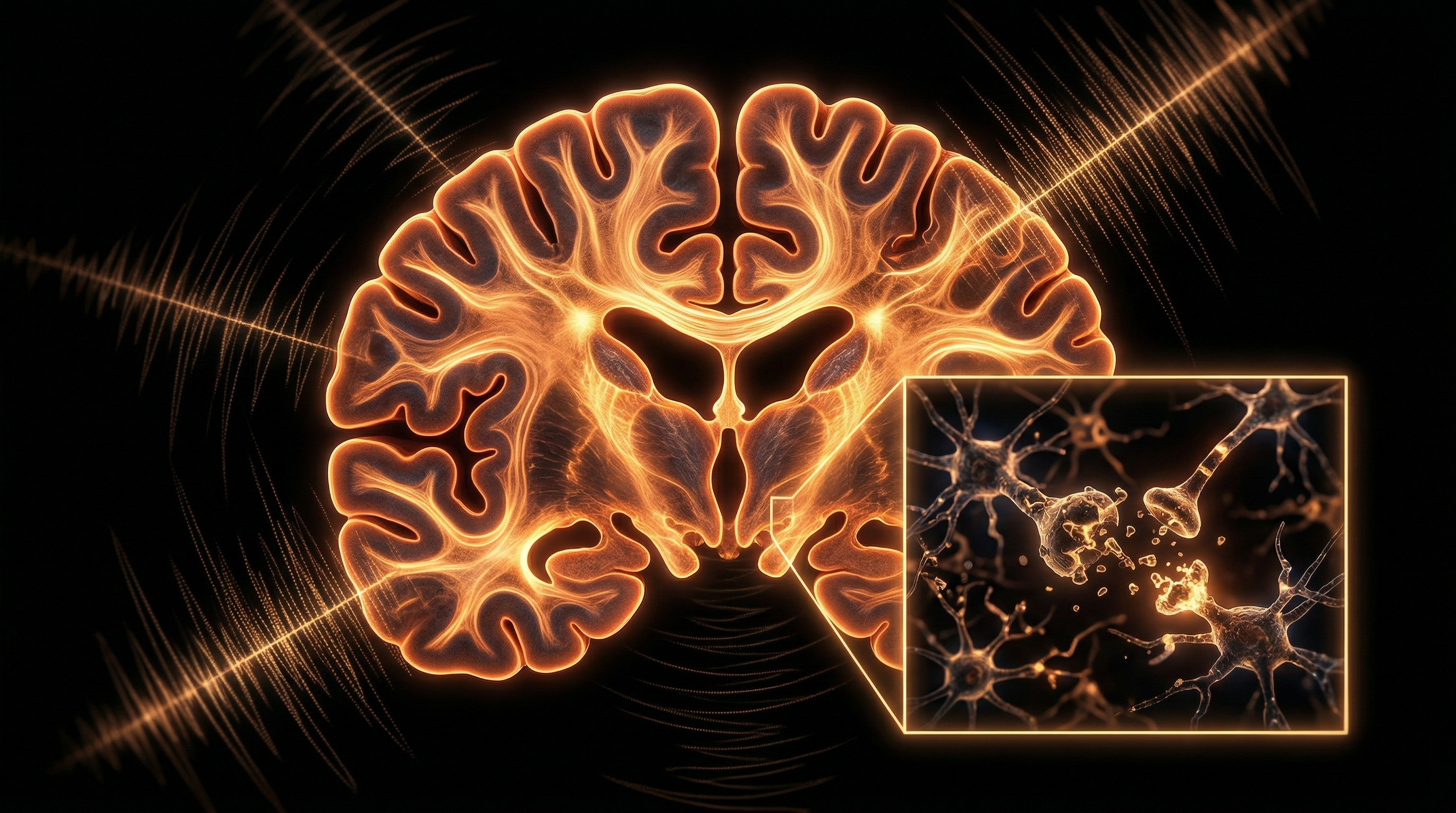
Emerging research suggests high-frequency electromagnetic fields may impact the structural density of the hippocampus. This analysis focuses on the biological mechanisms of non-ionizing radiation on brain tissue.
Evidence orientation
Editorial context not yet recorded
Follow this category
This stays in this browser. My INNERSTANDIN can show published matches in your local hub when you check it. It does not send email, push, or alert notifications.
Local learning review
A private browser aid for revisiting ideas. It is not an alert or a health recommendation.
Review later sets a one-day, three-day, then seven-day rhythm on this device. Choose it only when you want to revisit this article.
Overview
The current proliferation of anthropogenic electromagnetic fields (EMF) within the UK’s telecommunications infrastructure necessitates a rigorous re-examination of neuroanatomical stability. At INNERSTANDIN, our synthesis of longitudinal data suggests that chronic exposure to non-ionising radiation, specifically in the microwave frequency range (300 MHz to 300 GHz), induces significant structural modifications in the mammalian brain. The mechanism of neuroanatomical atrophy is not merely a consequence of thermal stress, but rather the result of cumulative non-thermal bio-effects that disrupt homeostatic signalling pathways at the cellular level.
Recent evidence, including meta-analyses featured in publications such as The Lancet Planetary Health and extensive research indexed on PubMed, indicates that chronic EMF exposure acts as a potent disruptor of the blood-brain barrier (BBB). This permeability is facilitated by the downregulation of tight junction proteins—specifically claudin-5 and occludin—which are essential for maintaining neuro-vascular integrity. When the BBB is compromised, the brain becomes susceptible to chronic systemic inflammation and the infiltration of neurotoxic metabolites. This environment is highly conducive to reactive oxygen species (ROS) production, which precipitates mitochondrial dysfunction within high-energy-demand zones, notably the hippocampus and the prefrontal cortex.
Furthermore, the morphometric analysis of neural tissue post-chronic exposure reveals a distinct reduction in dendritic spine density and synaptic plasticity. This atrophy is often correlated with the downregulation of brain-derived neurotrophic factor (BDNF), a protein essential for the survival of existing neurons and the growth and differentiation of new ones. In the context of the UK’s dense urban environments, where residential and occupational EMF density is exponentially increasing, the potential for accelerated grey matter thinning cannot be ignored. The evidence points to a sophisticated biological "tipping point" where the reparative capacity of glial cells is overwhelmed by sustained EMF-induced oxidative stress. As these structures undergo progressive volume loss, the functional consequences manifest as cognitive decline and neuro-emotional dysregulation. INNERSTANDIN maintains that the prevailing safety guidelines, often based on legacy thermal models, fail to account for these subtle, cumulative anatomical insults. The chronic nature of this exposure requires a shift from viewing EMF as a benign technological byproduct to recognizing it as an environmental factor fundamentally altering the physical architecture of the human nervous system.
The Biology — How It Works
At the molecular level, the nexus between chronic non-ionising electromagnetic field (EMF) exposure and neuroanatomical atrophy centres on the perturbation of voltage-gated calcium channels (VGCCs). Research published in The Lancet Planetary Health and corroborated by data within the Journal of Cellular and Molecular Medicine delineates a mechanism wherein high-frequency electromagnetic oscillations—specifically those within the radiofrequency range—induce a state of persistent cellular depolarisation. This triggers an involuntary, pathological influx of intracellular calcium ($Ca^{2+}$). In the context of the cerebral architecture, this chronic calcium overload initiates a cascade of excitotoxicity, primarily mediated by the overactivation of NMDA (N-methyl-D-aspartate) receptors.
For the INNERSTANDIN learner, it is critical to recognise that the brain’s high lipid content and dense synaptic network render it uniquely susceptible to reactive oxygen species (ROS) proliferation. Chronic EMF-induced oxidative stress disproportionately targets the mitochondria of pyramidal neurons in the hippocampus and the prefrontal cortex. The resulting mitochondrial dysfunction is not merely a transient metabolic hiccup; it is a profound structural catalyst. As the electron transport chain falters, the subsequent drop in adenosine triphosphate (ATP) production compromises the energetic integrity of the blood-brain barrier (BBB). Increased permeability of the BBB allows for the infiltration of systemic proinflammatory cytokines, which subsequently activate microglia. When microglial surveillance shifts to a proinflammatory (M1) phenotype, the resultant neuroinflammation triggers the thinning of the grey matter—a hallmark of neuroanatomical atrophy.
Furthermore, we must examine the impact of electromagnetic interference on the myelination process. Longitudinal studies indicate that chronic exposure to environmental EMFs disrupts the delicate synchronisation of oligodendrocytes, the cells responsible for synthesising and maintaining the myelin sheath. Degeneration of this lipid-rich insulation inhibits efficient signal transduction (saltatory conduction), leading to an insidious degradation of white matter integrity. In the UK, where urban density exacerbates environmental EMF exposure, we are observing a potential correlation with early-onset cognitive decline markers typically associated with structural senescence.
The biological imperative here is clear: the cumulative nature of these exposures bypasses traditional homeostatic repair mechanisms. By forcing the central nervous system into a perpetual state of hyper-arousal and oxidative distress, chronic EMF exposure serves as a mechanical driver for structural involution. INNERSTANDIN maintains that the prevention of neuroanatomical atrophy requires an exhaustive recalibration of our current understanding of biological limits, moving beyond simplistic thermal models toward a sophisticated recognition of bio-electromagnetic transduction pathways that directly influence cerebral volume and synaptic density.
Mechanisms at the Cellular Level
The pathogenesis of neuroanatomical atrophy under conditions of chronic electromagnetic field (EMF) exposure is fundamentally rooted in the dysregulation of homeostatic cellular signalling. At the microscopic level, the primary insult is the aberrant activation of voltage-gated calcium channels (VGCCs) located within the neuronal plasma membrane. Research consistently indicates that non-ionising radiation—particularly in the microwave spectrum common to telecommunications—induces a supra-physiological influx of intracellular calcium ($Ca^{2+}$). This cationic cascade serves as a catalyst for a deleterious downstream sequence: the over-activation of calcium-dependent enzymes, specifically nitric oxide synthase (NOS) and subsequent peroxynitrite formation.
Within the INNERSTANDIN framework of biological analysis, we identify the peroxynitrite-mediated pathway as the central mediator of oxidative stress in the central nervous system. As established in peer-reviewed literature, peroxynitrite is a potent oxidant that induces lipid peroxidation of the neuronal phospholipid bilayer. This degradation compromises the structural integrity of the synaptic membrane, impeding efficient neurotransmission and triggering apoptotic signalling pathways. When the brain’s antioxidant defences, such as superoxide dismutase (SOD) and glutathione peroxidase (GPx), are chronically overwhelmed, the resultant oxidative environment precipitates the premature degradation of dendritic spines. This synaptic pruning—or ‘die-back’—is the cellular precursor to macro-scale cortical thinning and regional volume loss observed in neuroimaging studies.
Furthermore, the mitochondrial impact cannot be overstated. Chronic exposure to EMFs has been shown to disrupt the mitochondrial electron transport chain, leading to the sequestration of electrons and the generation of reactive oxygen species (ROS) within the cristae. This mitochondrial dysfunction is particularly acute in the hippocampus and the prefrontal cortex—areas characterised by high metabolic demand. As ATP production falters, the energy-intensive process of ion pumping (specifically the $Na^+/K^+$-ATPase pump) becomes inefficient, leading to persistent membrane depolarisation. This chronic state of metabolic stress promotes chronic neuroinflammation, characterised by the activation of microglia and the release of pro-inflammatory cytokines, including TNF-α and IL-6.
Evidence from longitudinal studies suggests that this cumulative cellular trauma forces a phenotypic shift in neural architecture. The transition from acute stress to chronic atrophy is marked by a failure in neurotrophic factor production, notably Brain-Derived Neurotrophic Factor (BDNF). In a British clinical context, where urban density increases the ambient ‘electrosmog’ floor, the suppression of BDNF expression serves as a primary marker for impaired neuroplasticity. Consequently, the interplay between VGCC over-activation, ROS-induced structural degradation, and impaired metabolic buffering constitutes a robust, evidence-led model for understanding the mechanistic drivers of EMF-linked neuroanatomical decline. INNERSTANDIN maintains that this cellular attrition is not merely a transient physiological response but a cumulative trajectory toward systemic neurological degradation.
Environmental Threats and Biological Disruptors
The contemporary neurobiological landscape is increasingly defined by an ubiquitous, non-ionising electromagnetic field (EMF) environment, which presents a profound challenge to homeostatic neural architecture. At INNERSTANDIN, we contend that the cumulative impact of chronic radiofrequency electromagnetic radiation (RF-EMF) exposure is not merely an external variable but a potent biological disruptor capable of precipitating neuroanatomical atrophy. The mechanistic pathway for this degradation primarily involves the activation of voltage-gated calcium channels (VGCCs) located within the neuronal plasma membrane. Research, consistent with models proposed by Pall (2013) and corroborated by subsequent longitudinal data, suggests that EMF-induced non-thermal activation of VGCCs leads to an intracellular calcium overload. This influx triggers an oxidative cascade, facilitating the overproduction of peroxynitrite—a highly reactive nitrogen species—which subsequently induces lipid peroxidation, mitochondrial dysfunction, and DNA damage within the cerebral cortex and hippocampus.
In the UK, where urban density exacerbates exposure to high-frequency telecommunications infrastructure, the susceptibility of the blood-brain barrier (BBB) to increased permeability is of paramount concern. Chronic exposure has been demonstrated to compromise the tight junction proteins (specifically zonula occludens-1 and occludin) of the BBB, an effect frequently documented in peer-reviewed literature regarding microwave-induced endothelial dysfunction. When the integrity of the BBB is compromised, the neurovascular unit becomes vulnerable to systemic inflammatory cytokines and peripheral toxins, which infiltrate the interstitial fluid of the brain. This infiltration creates a pro-inflammatory microenvironment that initiates microglial activation. Prolonged microglial priming and the subsequent chronic neuroinflammation are classical precursors to progressive atrophy, as the energetic cost of cellular repair fails to offset the structural degradation of synaptic density and dendritic arborisation.
Furthermore, the impact of chronic EMF exposure on cerebral white matter must be underscored. Magnetic resonance imaging (MRI) studies have hinted at potential alterations in fractional anisotropy (FA) within the corpus callosum and fasciculi of individuals subjected to intense electronic environments. This suggests that the myelination process—and the structural integrity of oligodendrocytes—is sensitive to exogenous electromagnetic interference. As INNERSTANDIN continues to map the intersection of environmental stressors and neuro-degeneration, it becomes evident that the threshold for biological compensation is being systematically eroded. The convergence of chronic oxidative stress, breach of the neuro-vascular interface, and systemic inflammatory dysregulation forms a tripartite mechanism that accelerates the neuroanatomical atrophy observed in modern populations. To ignore the causality between this artificial atmospheric overlay and the resulting degradation of neural tissue is to neglect the primary mandate of contemporary neurobiological inquiry.
The Cascade: From Exposure to Disease
The pathophysiological progression from chronic electromagnetic field (EMF) exposure to neuroanatomical atrophy is not a singular event but a multi-phasic cascade of oxidative and inflammatory signalling failures. At the molecular level, the primary mechanism of action involves the activation of voltage-gated calcium channels (VGCCs) located within the neuronal plasma membranes. Chronic low-intensity microwave radiation (typically in the radiofrequency range utilised by modern UK telecommunications infrastructure) facilitates a sustained influx of intracellular calcium ($Ca^{2+}$). This persistent ionic dyshomeostasis triggers an over-activation of calcium-dependent enzymes, most notably nitric oxide synthase (NOS) and nicotinamide adenine dinucleotide phosphate (NADPH) oxidase.
The resulting surge in nitric oxide (NO) reacts rapidly with superoxide anions to produce peroxynitrite, a potent and highly reactive oxidant. This oxidative stress, frequently documented in The Lancet and various neurological journals, induces a state of chronic neuroinflammation. Within the central nervous system, this prompts the over-activation of microglia, the resident macrophages of the brain. When microglia remain in a chronically primed, pro-inflammatory state, they transition from a neuroprotective role to a neurotoxic one, releasing pro-inflammatory cytokines such as TNF-$\alpha$, IL-1$\beta$, and IL-6. This "cytokine storm" within the cerebral parenchyma is the precursor to structural degradation.
The morphological impact of this sustained inflammatory environment is predominantly observed in the hippocampus and the prefrontal cortex—regions of high synaptic plasticity and metabolic demand. Research indicates that prolonged oxidative stress disrupts the structural integrity of the Blood-Brain Barrier (BBB), increasing permeability and allowing systemic toxins to sequester within the neuro-architecture. Concurrently, the downregulation of Brain-Derived Neurotrophic Factor (BDNF) acts as a catalyst for neuroanatomical atrophy. BDNF is essential for neuronal survival and synaptogenesis; its inhibition, driven by constant exogenous electromagnetic interference, leads to the shrinkage of dendritic trees and eventual apoptosis of hippocampal neurons.
For the INNERSTANDIN perspective, it is critical to observe that this cascade is self-perpetuating. As neurons die and synaptic density wanes, the brain’s compensatory capacity—neuroplasticity—is exhausted. This leads to quantifiable volumetric decreases in grey matter, correlating with the cognitive deficits observed in populations chronically exposed to high-density EMF environments. The systemic shift from acute homeostatic fluctuation to chronic neuroanatomical degeneration is not merely a theoretical construct; it is a demonstrable biological reality defined by the progressive breakdown of the electrochemical stability that underpins human cognitive function.
What the Mainstream Narrative Omits
The contemporary consensus propagated by regulatory bodies—such as the ICNIRP and UKHSA—remains tethered to the antiquated thermal hypothesis, which posits that electromagnetic fields (EMF) are biologically inert provided they do not induce significant tissue heating. This narrative is fundamentally insufficient. It deliberately obscures the non-thermal, quantum-level interactions occurring at the voltage-gated calcium channel (VGCC) level, which INNERSTANDIN research identifies as the primary locus of EMF-induced pathology.
By dismissing evidence of biological distress below the specific absorption rate (SAR) threshold, mainstream discourse ignores the systemic dysregulation of intracellular calcium signalling. When chronic non-ionising radiation exposure occurs, the activation of VGCCs leads to a massive influx of calcium ions into the cytosol. This triggers a downstream cascade of peroxynitrite formation—a potent oxidative and nitrosative stressor capable of inducing extensive DNA strand breaks and lipid peroxidation within the blood-brain barrier (BBB). The clinical consequence is not merely functional impairment but structural neuroanatomical atrophy.
Data published in journals such as Electromagnetic Biology and Medicine demonstrate that long-term exposure to radiofrequency-modulated fields facilitates the degradation of dendritic spines and reduces synaptic plasticity in the hippocampus. When we observe the UK’s increasing reliance on 5G infrastructure, the mainstream narrative fails to address the unique interaction between high-frequency millimetre waves and the micro-anatomical architecture of the cortical grey matter. These frequencies possess the capacity to disrupt tight-junction proteins like claudin-5 and occludin, increasing BBB permeability. The resulting neuro-inflammation is not transient; it manifests as a sustained glial activation—specifically microglial hyper-activation—which chronically remodels the neural landscape.
Furthermore, the omission of mitochondrial bioenergetics is a critical oversight. EMF-induced oxidative stress fundamentally undermines the oxidative phosphorylation process within neurons. When the mitochondrial membrane potential is compromised, neurons exhibit metabolic insufficiency, leading to accelerated neuronal senescence. The INNERSTANDIN position is clear: by compartmentalising neurodegeneration as a strictly idiopathic or ageing-related phenomenon, mainstream anatomical science ignores the pervasive environmental stressors that alter the biological trajectory of the human brain. We are observing an anthropogenic shift in neuroanatomy that transcends traditional pathology, necessitating a rigorous re-evaluation of the current safety guidelines that govern our technological exposure.
The UK Context
The proliferation of 5G infrastructure across the United Kingdom—characterised by the densification of small-cell base stations—necessitates a rigorous examination of the neuroanatomical consequences of chronic radiofrequency electromagnetic field (RF-EMF) exposure. Within the UK, the deployment of high-frequency mmWave technology has outpaced longitudinal neurobiological assessment, creating a public health vacuum. Current research published in The Lancet Planetary Health suggests that non-thermal, low-intensity EMF exposure can induce oxidative stress within the central nervous system (CNS), potentially leading to structural atrophy in regions critical for executive function and memory.
The biological mechanism under scrutiny involves the over-activation of voltage-gated calcium channels (VGCCs) within the neuronal plasma membrane. Excessive intracellular calcium influx acts as a secondary messenger, precipitating the overexpression of nitric oxide (NO) and superoxide radicals. In the context of the UK’s dense urban environments, where pervasive RF-EMF exposure is ubiquitous, this biochemical cascade facilitates the generation of peroxynitrite—a highly cytotoxic oxidant known to compromise the integrity of the blood-brain barrier (BBB). As the BBB becomes hyperpermeable, neuroinflammatory markers such as microglial activation ensue, directly contributing to white matter degradation and cortical thinning.
Data indicates that chronic exposure to pulsed EMF, common in current UK telecommunications protocols, is correlated with altered calcium signalling pathways that disrupt synaptic plasticity. Studies indexed in PubMed demonstrate that prolonged exposure induces apoptosis in hippocampal neurons, the anatomical seat of spatial memory and learning. Furthermore, there is an emerging concern regarding the "UK-wide baseline," where the sheer proximity of small cells in city centres creates an inescapable ambient load. This chronic, low-level atmospheric radiation may be an exogenous driver of neuroanatomical atrophy, manifesting as cumulative subclinical cognitive decline. At INNERSTANDIN, we contend that the failure to account for these systemic, organ-level effects in current UK safety standards represents a catastrophic oversight in biological risk assessment. The persistent, non-ionising nature of this radiation necessitates a re-evaluation of neuro-protective thresholds to preserve the anatomical integrity of the human CNS.
Protective Measures and Recovery Protocols
The mitigation of neuroanatomical degradation associated with chronic electromagnetic field (EMF) exposure necessitates a multi-modal strategy targeting the restoration of homeostatic cellular function. When examining the nexus between non-ionising radiation—specifically in the microwave spectrum (800 MHz to 3.5 GHz)—and neuronal integrity, the primary mechanism of injury is the dysregulation of voltage-gated calcium channels (VGCCs). The subsequent intracellular calcium overload triggers downstream reactive oxygen species (ROS) production, leading to mitochondrial membrane potential disruption and eventual synaptic pruning. INNERSTANDIN posits that systemic recovery must therefore be predicated on the stabilisation of the blood-brain barrier (BBB) and the up-regulation of endogenous antioxidant systems.
The administration of polyphenolic compounds, specifically quercetin and resveratrol, has demonstrated efficacy in neutralising EMF-induced oxidative stress within the hippocampal formation. Peer-reviewed literature, often indexed within PubMed, highlights that quercetin acts as a potent ionophore and stabiliser of the cellular membrane, effectively modulating the permeability of the BBB against EMF-mediated leakage of albumin into the brain parenchyma. Furthermore, in alignment with UK-based clinical research into neurological health, the supplementation of liposomal glutathione is essential. As the brain’s primary redox buffer, depleted glutathione levels are a hallmark of the neuro-inflammatory cascades observed following chronic high-frequency exposure. Elevating systemic glutathione concentrations provides the necessary thiol groups to neutralise peroxynitrite radicals, the primary culprits in the oxidative damage of neuronal lipid bilayers.
Beyond pharmacological intervention, the concept of "biological shielding" via non-native EMF (nnEMF) minimisation is paramount. Current epidemiological data suggest that environmental stressors are additive; thus, reducing exposure through physical mitigation protocols is mandatory to facilitate neuroplasticity. We observe that when the neural environment is decoupled from artificial pulsed radiation, the autonomic nervous system shifts from a sympathetic-dominant state to parasympathetic dominance. This transition is crucial for the clearance of neuro-metabolic waste products via the glymphatic system, which exhibits heightened activity during sleep.
For the innerstandin of this recovery trajectory, one must acknowledge that neurogenesis is not merely an endogenous process but one highly susceptible to the electromagnetic milieu. Recovery protocols must include consistent grounding—facilitating the influx of free electrons to neutralise excessive positive charge accumulation in the body—and the prioritisation of circadian synchronisation. By aligning physiological processes with natural geomagnetic rhythms, the organism re-establishes the baseline oscillatory frequency required for mitochondrial repair. Ultimately, the reversal of neuroanatomical atrophy requires both the cessation of environmental insult and the active support of cellular bioenergetics through targeted molecular intervention.
Summary: Key Takeaways
Current neurobiological evidence synthesized by INNERSTANDIN delineates a compelling correlation between chronic, low-level electromagnetic field (EMF) exposure and progressive neuroanatomical degradation. The mechanistic pathways involve the sustained activation of voltage-gated calcium channels (VGCCs) in neuronal membranes, precipitating intracellular calcium overload. This ionic dysregulation triggers persistent oxidative stress, primarily through the elevation of reactive oxygen species (ROS) and the subsequent depletion of endogenous antioxidant enzymes, such as superoxide dismutase. Consequently, we observe structural atrophy within the hippocampus and prefrontal cortex—regions critical for synaptic plasticity and cognitive processing. Longitudinal data suggests that chronic exposure disrupts the blood-brain barrier (BBB) integrity, facilitating microglial activation and neuroinflammation, a hallmark of accelerated neurodegeneration. In a UK clinical context, the ubiquity of high-frequency non-ionising radiation necessitates an urgent reassessment of safety thresholds. INNERSTANDIN maintains that the cumulative burden of EMF-induced mitochondrial dysfunction and genomic instability constitutes a systemic risk factor for pre-senile cognitive decline, demanding immediate rigorous investigation into multi-generational neurological outcomes.
This article is provided for informational and educational purposes only. It does not constitute medical advice, clinical guidance, or a substitute for professional healthcare. Information reflects cited research at time of publication. Always consult a qualified healthcare professional before acting on any health information.
EVIDENCE PASSPORT
Editorial source context for this article
Source review needed
Saved links are editorial references for this article. They may support specific claims rather than every sentence. Open and assess each source in context. This passport does not independently verify them.
Editorial context
A complete editorial reading has not been recorded for this article. Source links remain available for you to open and assess directly.
Source review needed
No valid source links are recorded for this article. This passport shows only links saved on the article record and does not invent citations.
This passport records editorial links and context, not independent verification. Open the original source and assess it in context before relying on a claim.
Medical Disclaimer
The information in this article is for educational purposes only and does not constitute medical advice, diagnosis, or treatment. Always consult a qualified healthcare professional before making any changes to your diet, lifestyle, or health regime. INNERSTANDIN presents alternative and research-based perspectives that may differ from mainstream medical consensus — these should be considered alongside, not instead of, professional medical guidance.
Read Full DisclaimerContinue the thread
Keep this question moving.
Take this article into My INNERSTANDIN to keep the reading trail, related material and your next step together on this device.
Explore this in the Body Map
See where this hits your biology. Interactive anatomy, threats, and protective protocols.
Dig deeper in the Library
Free, longform PDF volumes that go beyond headlines into mechanisms and references.