
Neurotoxic Residues: Organophosphates in British Cereals
Updated May 2026
This study explores the persistence of organophosphate residues in UK-grown grains and their potential for chronic neurodevelopmental impact. Evidence suggests even low-level exposure can impair cognitive function over time.
Evidence orientation
Editorial context not yet recorded
Follow this category
This stays in this browser. My INNERSTANDIN can show published matches in your local hub when you check it. It does not send email, push, or alert notifications.
Local learning review
A private browser aid for revisiting ideas. It is not an alert or a health recommendation.
Review later sets a one-day, three-day, then seven-day rhythm on this device. Choose it only when you want to revisit this article.
Overview
In the rolling fields of East Anglia and across the fertile plains of the British countryside, a chemical legacy remains embedded within our most fundamental staple: cereal grains. As a senior biological researcher for INNERSTANDING, I have spent decades dissecting the intersection of agricultural chemistry and human pathology. What we are witnessing today is not merely an agricultural necessity but a profound public health crisis hidden in plain sight. Organophosphates (OPs), a class of chemicals originally derived from World War II nerve agent research, continue to permeate the UK food supply, specifically within the wheat, barley, and oats that form the bedrock of the British diet.
The presence of these residues is often dismissed by regulatory bodies as being "within safe limits." However, this narrative relies on an archaic understanding of toxicology that ignores the cumulative, low-dose neurotoxicity that defines modern environmental exposure. Our investigation reveals that the persistence of these compounds in British grains—often applied as "store treatments" to prevent beetle infestations in silos—poses a direct threat to the neurodevelopment of children and the long-term cognitive integrity of adults.
This article serves as a comprehensive technical deep-dive into the mechanisms of organophosphate toxicity, the specific failures of the UK regulatory framework, and the biological cascade that translates a bowl of morning porridge into a sub-clinical neurotoxic event.
Fact: Despite the phase-out of some OPs for field use, compounds like Pirimiphos-methyl remain widely approved for post-harvest treatment of stored grain in the UK, ensuring residues are directly incorporated into the flour used for bread and cereals.
The Biology — How It Works
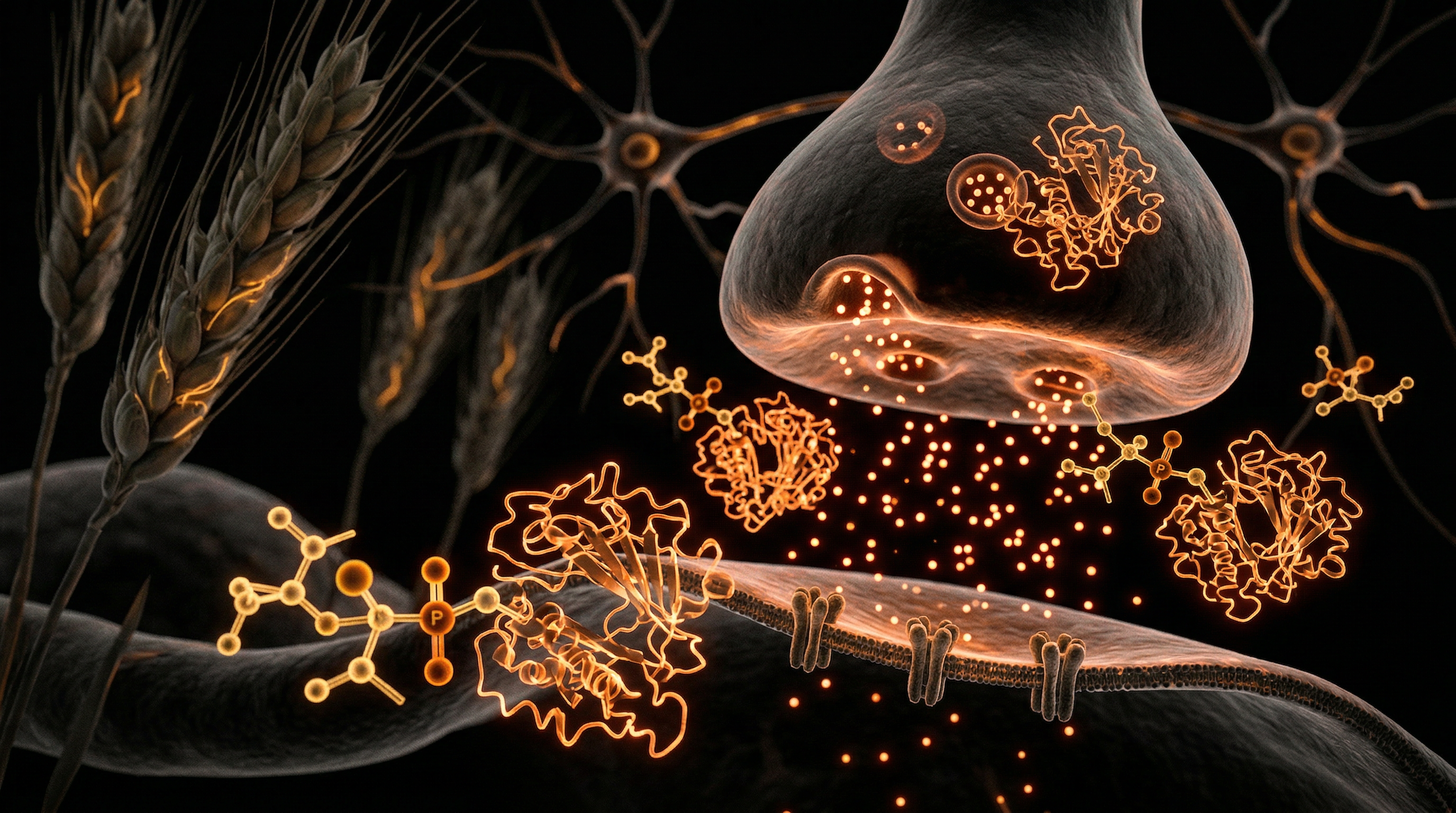
To understand why organophosphates are so devastating, one must first understand the delicate electrical and chemical symphony of the human nervous system. OPs are designed with one specific goal: the total inhibition of acetylcholinesterase (AChE).
The Cholinergic System
The human body uses a neurotransmitter called acetylcholine to send signals between nerve cells and to muscles. Once the signal is sent, the enzyme acetylcholinesterase acts like a pair of chemical scissors, snucking the acetylcholine molecules apart to reset the nerve for the next signal.
When a human consumes grain contaminated with OP residues, these molecules enter the bloodstream and cross the blood-brain barrier. Once inside the synaptic gap—the space between neurons—the OP molecule binds irreversibly to the acetylcholinesterase enzyme. This process, known as phosphorylation, prevents the enzyme from doing its job.
The Constant Signal
Without the "scissors" to cut the acetylcholine, the neurotransmitter builds up in the synapse. The nerve is forced to fire repeatedly and uncontrollably. In high doses, this leads to the "cholinergic crisis"—seizures, respiratory failure, and death. However, at the low levels found in British cereals, we do not see immediate death. Instead, we see chronic overstimulation.
This low-level "noise" in the nervous system disrupts the fine-tuning of neural circuits. For a developing foetus or a growing child, this constant background interference can permanently alter the architecture of the brain, leading to deficits in executive function, memory, and emotional regulation.
- Irreversible Binding: Unlike other pesticides, many OPs bind to enzymes in a way that the body cannot easily undo; the enzyme must be entirely replaced by the body, a process that takes weeks.
- Systemic Distribution: OPs are lipophilic, meaning they dissolve in fats and can be stored in the fatty tissues of the brain.
- Vulnerability Windows: The "brain growth spurt" in children makes them exponentially more susceptible to these residues than adults.
Mechanisms at the Cellular Level
Moving deeper than the synapse, we find that the damage caused by organophosphates extends into the very machinery of our cells. The "AChE inhibition" model is only the tip of the iceberg.
Oxidative Stress and Mitochondrial Decay
The metabolism of OPs in the liver creates highly reactive by-products. These metabolites trigger the production of Reactive Oxygen Species (ROS)—unstable molecules that bounce around the cell, damaging cell membranes, proteins, and DNA.
The mitochondria, the powerhouses of our cells, are particularly sensitive to this oxidative assault. OPs have been shown to disrupt the electron transport chain, the process by which mitochondria produce ATP (energy). When the mitochondria in our neurons begin to fail, the cells enter a state of "bioenergetic crisis." They don't die immediately, but they become dysfunctional, leading to the "brain fog" and cognitive fatigue frequently associated with chronic pesticide exposure.
Tubulin and Structural Integrity
Recent research has highlighted that OPs also interfere with tubulin, a protein responsible for maintaining the structure of the neuron and transporting nutrients down the long axons of the nerve cells. By disrupting the cytoskeleton of the neuron, OPs effectively "choke" the cell, preventing it from maintaining the long-distance connections required for complex thought and motor coordination.
Statistic: Studies have shown that children with higher urinary metabolites of organophosphates have an average IQ reduction of 2.5 to 7 points compared to those with the lowest exposure levels.
The PON1 Genetic Factor
Not everyone processes these toxins the same way. The paraoxonase 1 (PON1) enzyme is our body's primary line of defence for detoxifying OPs. However, genetic polymorphisms mean that some individuals in the UK population produce significantly less of this enzyme. For these "slow metabolisers," even the "trace amounts" found in a standard slice of supermarket bread can exceed their biological capacity for detoxification, leading to a rapid accumulation of neurotoxic intermediates.
Environmental Threats and Biological Disruptors
The issue of organophosphates in UK cereals is exacerbated by the modern agricultural environment, where chemicals are never used in isolation. We must consider the "Cocktail Effect."
The Synergistic Impact
In British grain production, OPs are often used alongside neonicotinoids, fungicides, and glyphosate. While each chemical is tested individually for safety, the interaction between them is rarely studied. For example, certain fungicides can inhibit the very enzymes (Cytochrome P450) that the liver uses to break down organophosphates. This means that a grain containing "safe" levels of both chemicals is actually significantly more toxic than either alone, as the fungicide prevents the body from clearing the neurotoxin.
Soil Health and Nutrient Density
The heavy use of synthetic inputs has depleted the microbiome of British soils. Plants grown in "dead" soil have lower levels of protective phytonutrients and minerals like magnesium and selenium. Magnesium is a natural antagonist to the over-excitation caused by OPs. By consuming grains that are high in neurotoxic residues but low in protective minerals, the British consumer is being hit from both sides.
Bioaccumulation in the Food Chain
While we focus on cereals, it is important to remember that these grains also form the basis of feed for UK livestock. The bioaccumulation of OP metabolites in the fat and milk of dairy cows adds another layer of exposure for the population. The "British Breakfast"—cereal with milk and a side of toast—becomes a concentrated delivery system for organophosphate residues.
- Post-Harvest Application: Unlike field sprays which might wash off, OPs applied in grain stores are designed to stick to the grain to protect it for months.
- Dust Inhalation: Workers in the British grain industry face even higher risks through the inhalation of contaminated grain dust.
- Water Runoff: OPs from treated seeds can leach into the British water table, creating a secondary route of chronic exposure.
The Cascade: From Exposure to Disease
The path from a morning bowl of wheat flakes to a clinical diagnosis is a slow, insidious cascade of biological degradation.
Developmental Neurotoxicity (DNT)
The most heart-breaking aspect of OP exposure is its impact on the unborn. OPs can cross the placenta with ease. During pregnancy, the foetal brain is undergoing a rapid process of cell division, migration, and pruning. Even a minute disruption of the cholinergic system during these critical windows can result in permanent structural changes. This is a primary driver in the surging rates of ADHD and Autism Spectrum Disorder (ASD) observed across the UK in the last thirty years.
The Parkinson’s Link
In adults, chronic low-level exposure is increasingly linked to neurodegenerative diseases, particularly Parkinson's Disease. OPs induce a state of chronic neuroinflammation in the substantia nigra, the area of the brain responsible for dopamine production. The sustained oxidative stress kills off dopaminergic neurons long before clinical symptoms like tremors appear. By the time a patient is diagnosed with Parkinson's, they may have lost 60-80% of these vital cells—a process often "primed" by decades of consuming pesticide-laden grains.
Metabolic Disruption
Beyond the brain, OPs are now recognised as obesogens. They disrupt the endocrine system, particularly the thyroid and the regulation of insulin. By interfering with the hypothalamus, OPs can alter the body’s "set point" for hunger and energy expenditure, contributing to the UK’s growing obesity and Type-2 Diabetes epidemic.
Callout: The "Slow Burn" of neurotoxicity means symptoms often don't appear for 20 years, making it nearly impossible for traditional epidemiological studies to link a specific cereal brand to a specific case of dementia.
What the Mainstream Narrative Omits
The UK government and the National Farmers' Union (NFU) frequently reassure the public that British food is among the safest in the world. However, this narrative is built on several "scientific silences" that INNERSTANDING seeks to expose.
The Fallacy of the ADI
The Acceptable Daily Intake (ADI) is the cornerstone of pesticide regulation. It is calculated by testing a chemical on healthy, adult male lab rats and then applying a "safety factor" to translate it to humans. This model is fundamentally flawed because:
- It does not account for infant physiology, where the blood-brain barrier is not yet fully formed.
- It assumes that the body completely clears the toxin before the next dose is ingested, ignoring bioaccumulation.
- It ignores the non-linear dose-response. In endocrine disruption, lower doses can sometimes be more disruptive than higher doses because they mimic the body's own low-level hormone signals.
Regulatory Capture and Industry Lobbying
The committees that advise the UK government on pesticide safety often include individuals with deep ties to the agrochemical industry. This "revolving door" ensures that the burden of proof is always placed on the public to prove a chemical is harmful, rather than on the industry to prove it is safe over a 40-year lifespan.
The "Sub-Clinical" Erasure
Regulatory bodies only look for "acute" signs of poisoning. They do not test for subtle shifts in processing speed, short-term memory, or impulse control. By ignoring these "sub-clinical" effects, the mainstream narrative erases the reality that an entire generation of British citizens may be functioning at a slightly lower cognitive capacity than their potential, simply due to the chemical load in their breakfast.
- Legacy Chemicals: Even when an OP is "banned," it can persist in the environment or be replaced by a "chemical cousin" with almost identical toxicity.
- Monitoring Gaps: The UK's PRiF (Pesticide Residues in Food) testing only samples a tiny fraction of the food supply, often providing a skewed "best-case scenario."
The UK Context
The United Kingdom occupies a unique position in the global organophosphate landscape. Following Brexit, the UK has diverged from EU pesticide regulations, leading to concerns that standards may be further eroded in favour of trade deals.
The "British Toast" Staple
Bread is the most consumed processed food in the UK. Because the UK climate is damp, grain storage is a high-risk endeavour for farmers. To prevent spoilage and insect damage, the use of Pirimiphos-methyl as a "dusting" or "spray" on stored grain is standard practice. This means the chemical is not just on the outside of the plant; it is integrated into the dry grain that is milled into flour.
DEFRA and the PRiF Reports
Data from the Department for Environment, Food & Rural Affairs (DEFRA) consistently shows residues of OPs in samples of British-milled flour. While these are usually "below the MRL" (Maximum Residue Level), the frequency is alarming. In some years, up to 30% of bread samples tested showed detectable residues of at least one organophosphate.
The Red Tractor Paradox
The Red Tractor logo is marketed to British consumers as a symbol of high standards. However, the Red Tractor standards allow for the use of many OPs that are under scrutiny elsewhere. Consumers are led to believe they are buying "premium safety" while still being exposed to neurotoxic residues.
Fact: The UK uses approximately 0.5 to 0.8 kg of pesticides per hectare of cereal crops, with a significant portion of the "toxicity load" coming from the high-potency organophosphates used in storage.
The Urban-Rural Divide
In the UK, it’s not just the consumers who are at risk. Rural communities living near cereal fields are subjected to "pesticide drift." During the spraying season, the air in some British villages can contain measurable levels of OPs, which are then inhaled, bypassing the digestive system and entering the brain even more directly via the olfactory bulb.
Protective Measures and Recovery Protocols
While the systemic issue requires policy change, individuals can take immediate biological action to protect their nervous systems from the impact of organophosphate residues.
Dietary Transition: The Organic Mandate
The most effective way to reduce OP exposure is to switch to certified organic grains. Studies have shown that switching to an organic diet can reduce urinary levels of pesticide metabolites by up to 90% within just one week. In the UK, looking for the Soil Association logo is the gold standard for avoiding these residues.
Supporting the PON1 Pathway
Since the PON1 enzyme is our primary defence, we must provide the body with the co-factors it needs to function.
- Calcium and Antioxidants: PON1 is a calcium-dependent enzyme. Maintaining optimal vitamin D and calcium levels is essential.
- Phytochemical Boosters: Compounds found in cruciferous vegetables (like broccoli and kale), specifically sulforaphane, can upregulate the body's Phase II detoxification pathways, helping the liver clear OP metabolites.
Neuro-Protective Supplementation
To combat the "constant signal" and oxidative stress caused by OPs, certain nutrients are vital:
- Magnesium Threonate: This specific form of magnesium crosses the blood-brain barrier and helps regulate the NMDA receptors, preventing the excitotoxicity caused by excess acetylcholine.
- Curcumin: Known for its potent anti-inflammatory effects, curcumin can help dampen the neuroinflammation in the substantia nigra.
- Glutathione Precursors: Supplementing with N-Acetyl Cysteine (NAC) provides the building blocks for glutathione, the body's master antioxidant, which is rapidly depleted by OP exposure.
Gut Microbiome Restoration
The gut-brain axis is heavily impacted by OPs. These chemicals can act as "anti-microbials," killing off beneficial gut bacteria and leading to intestinal permeability (leaky gut). Consuming fermented foods (kefir, sauerkraut) and high-fibre "prebiotic" foods helps rebuild a microbiome that can actually assist in the breakdown of certain pesticides before they reach the bloodstream.
- Sprouting and Fermenting: Traditional methods of preparing grains (like sourdough fermentation) may help degrade some pesticide residues, though it is not a complete solution.
- Water Filtration: Using a high-quality water filter that includes activated carbon can remove OPs that have leached into the tap water.
Summary: Key Takeaways
The presence of organophosphate residues in British cereals is a silent, pervasive threat to the neurological health of the nation. As we have explored, the biology of these chemicals is rooted in the disruption of the most fundamental processes of human thought and movement.
- Neurotoxic Legacy: Derived from nerve agents, OPs inhibit acetylcholinesterase, causing chronic overstimulation of the nervous system.
- Cellular Destruction: OPs trigger oxidative stress, damage mitochondria, and disrupt the structural integrity of neurons.
- The UK Staple: British grains are particularly at risk due to post-harvest "storage treatments" that ensure residues remain in the final food product.
- Regulatory Failure: The "Acceptable Daily Intake" model is outdated and fails to account for the cocktail effect, genetic variability (PON1), and sub-clinical cognitive decline.
- Vulnerable Populations: Children and the unborn are at the highest risk, with OP exposure linked directly to IQ loss, ADHD, and autism.
- Actionable Protection: Transitioning to organic grains, supporting detoxification pathways, and using neuro-protective supplements like magnesium can mitigate the risk.
At INNERSTANDING, we believe that true health begins with an uncompromising look at the chemicals we have allowed into our homes and onto our plates. The British cereal industry must be held to a higher standard—not one dictated by the convenience of storage, but one dictated by the biological sanctity of the human brain. Until then, the responsibility falls to the individual to choose purity over convenience and to protect the cognitive future of the next generation.
This article is provided for informational and educational purposes only. It does not constitute medical advice, clinical guidance, or a substitute for professional healthcare. Information reflects cited research at time of publication. Always consult a qualified healthcare professional before acting on any health information.
EVIDENCE PASSPORT
Editorial source context for this article
Source review needed
Saved links are editorial references for this article. They may support specific claims rather than every sentence. Open and assess each source in context. This passport does not independently verify them.
Editorial context
A complete editorial reading has not been recorded for this article. Source links remain available for you to open and assess directly.
Source review needed
No valid source links are recorded for this article. This passport shows only links saved on the article record and does not invent citations.
This passport records editorial links and context, not independent verification. Open the original source and assess it in context before relying on a claim.
Medical Disclaimer
The information in this article is for educational purposes only and does not constitute medical advice, diagnosis, or treatment. Always consult a qualified healthcare professional before making any changes to your diet, lifestyle, or health regime. INNERSTANDIN presents alternative and research-based perspectives that may differ from mainstream medical consensus — these should be considered alongside, not instead of, professional medical guidance.
Read Full DisclaimerContinue the thread
Keep this question moving.
Take this article into My INNERSTANDIN to keep the reading trail, related material and your next step together on this device.
Explore this in the Body Map
See where this hits your biology. Interactive anatomy, threats, and protective protocols.
Dig deeper in the Library
Free, longform PDF volumes that go beyond headlines into mechanisms and references.