
Synaptic Interference: Organophosphate Residues in UK Imported Produce
Updated May 2026
Trace levels of organophosphates in supermarket fruit disrupt acetylcholinesterase activity in developing neural systems. The cumulative effect of these residues poses a significant risk to UK pediatric neurodevelopment.
Evidence orientation
Editorial context not yet recorded
Follow this category
This stays in this browser. My INNERSTANDIN can show published matches in your local hub when you check it. It does not send email, push, or alert notifications.
Local learning review
A private browser aid for revisiting ideas. It is not an alert or a health recommendation.
Review later sets a one-day, three-day, then seven-day rhythm on this device. Choose it only when you want to revisit this article.
Overview
In the quiet aisles of British supermarkets, beneath the polished skins of imported nectarines and the vibrant hues of Moroccan peppers, lies a persistent, invisible biological threat. As a senior biological researcher for INNERSTANDING, I have spent decades scrutinising the intersection of environmental chemistry and human neurology. What we are witnessing today is not merely a failure of agricultural policy; it is a fundamental assault on the synaptic architecture of the next generation.
Organophosphates (OPs), a class of chemicals originally engineered as nerve agents during the mid-20th century, remain the most widely used insecticides globally. While the United Kingdom has implemented domestic restrictions on some of the most egregious offenders, such as chlorpyrifos, the globalised nature of our food supply creates a massive "regulatory loophole." We import thousands of tonnes of produce from jurisdictions where these compounds are applied with liberal abandon.
The central premise of this investigation is that "trace levels" do not equate to "safe levels." Current UK safety standards are predicated on acute toxicity—the dose required to cause immediate illness. However, for a developing foetus or a growing child, the danger lies in chronic, sub-threshold exposure. These residues act as "molecular sand" in the gears of the nervous system, subtly but irreversibly disrupting the delicate dance of neurotransmission. This article will dissect the biochemical mechanisms by which these residues interfere with human life, exposing a systemic failure that prioritises shelf-life over neurological integrity.
The Biology — How It Works
To understand the threat of organophosphates, one must first understand the cholinergic system. This is the primary signalling network in the human body responsible for memory, focus, muscle contraction, and autonomic functions like heart rate and digestion.
The Role of Acetylcholine
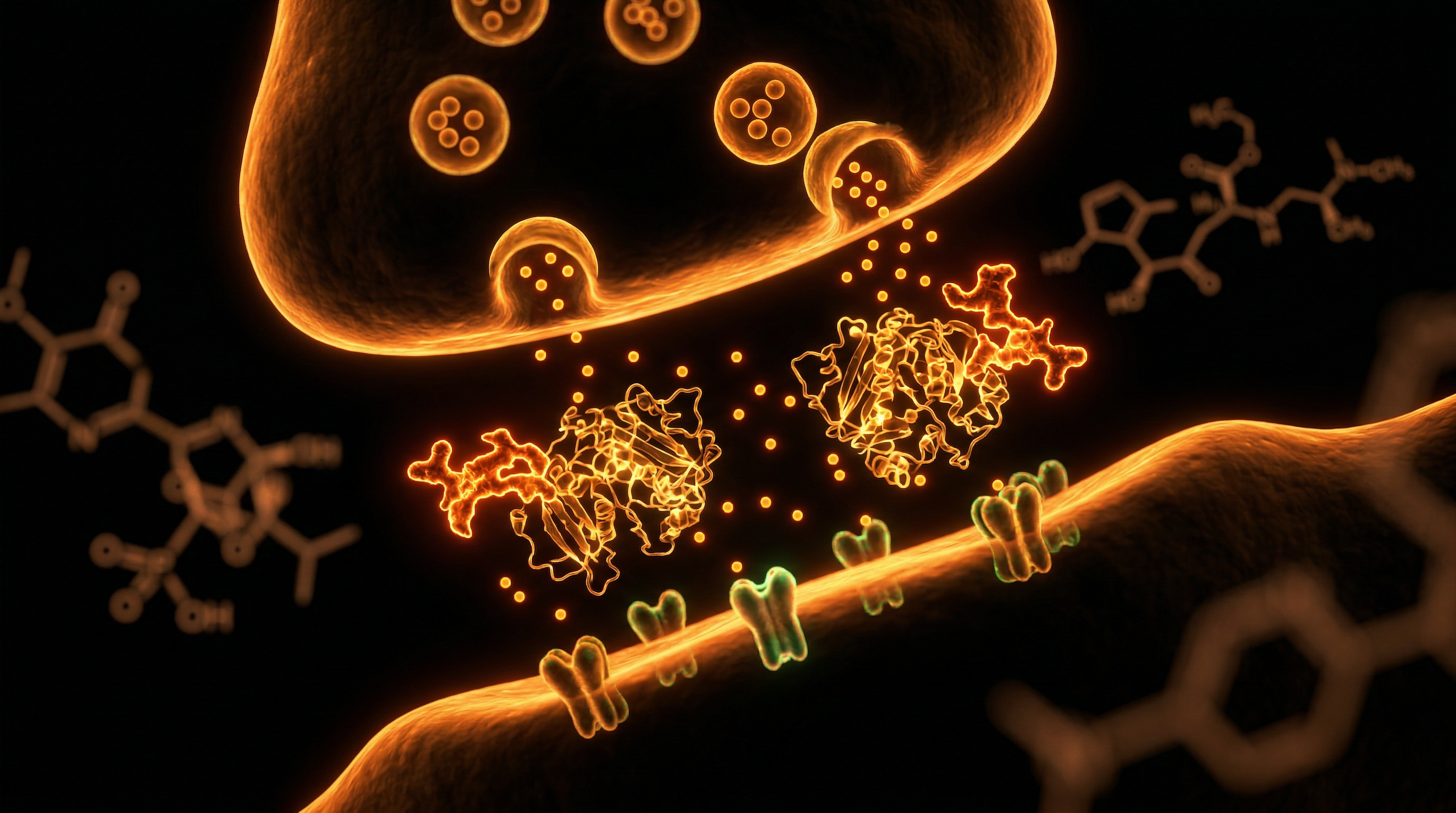
At the heart of this system is Acetylcholine (ACh), a neurotransmitter that acts as a chemical messenger. When a signal reaches the end of a neuron (the presynaptic terminal), ACh is released into the synaptic cleft—the tiny gap between cells. It travels across and binds to receptors on the receiving cell, passing the signal forward.
The Cleanup Mechanism
In a healthy system, once the signal is delivered, the ACh must be removed immediately to prevent overstimulation. This task falls to an enzyme called Acetylcholinesterase (AChE). This enzyme is one of nature’s most efficient biological catalysts, capable of breaking down thousands of ACh molecules every second.
The Intervention of Organophosphates
Organophosphates are designed to be "suicide inhibitors" of AChE. They possess a high affinity for the enzyme’s active site. When an OP molecule encounters AChE, it binds to it, forming a stable covalent bond that the body cannot easily break. This process, known as phosphorylation, effectively "kills" the enzyme.
Fact: A single molecule of an organophosphate can permanently disable an enzyme responsible for regulating thousands of neural signals, leading to a state of permanent "on" for the affected synapse.
Mechanisms at the Cellular Level
The interference of organophosphates occurs at a scale far below what conventional medical testing typically monitors. To grasp the severity, we must look at the molecular docking and the subsequent "aging" of the enzyme.
Phosphorylation and the Active Site
The AChE enzyme has a specific region called the esteratic site, which contains a serine residue. Organophosphates mimic the structure of the natural substrate but, instead of being broken down and released, they bind to the oxygen atom of the serine. This creates a phosphorus-enzyme complex.
The "Aging" Phenomenon
In toxicology, "aging" refers to a chemical maturation of the OP-enzyme bond. Over a period of hours or days, the bond undergoes a dealkylation process, making the inhibition irreversible. Once an enzyme has "aged," no known medical intervention—including the use of oximes like pralidoxime—can restart it. The cell must wait for the protein to be entirely degraded and replaced by new synthesis, a process that can take weeks.
Beyond Cholinesterase: Non-Canonical Targets
Recent research has uncovered that OPs do not limit their destruction to AChE. They also target:
- Neuropathy Target Esterase (NTE): Disruption here leads to organophosphate-induced delayed polyneuropathy (OPIDP), a condition involving axonal degeneration.
- Tubulin Polymerisation: OPs interfere with the proteins that form the "scaffolding" of neurons (microtubules). This disrupts axonal transport, the cellular railway system that moves nutrients and waste throughout the long reaches of a nerve cell.
- Oxidative Stress Pathways: OPs trigger the production of Reactive Oxygen Species (ROS), which strip electrons from cellular membranes (lipid peroxidation), leading to premature cell death or apoptosis.
Statistic: Research indicates that chronic low-level exposure to OPs can reduce overall AChE activity in the brain by 10-20% without presenting any immediate clinical symptoms of poisoning.
Environmental Threats and Biological Disruptors
The United Kingdom relies heavily on imported produce, particularly during the "hungry gap" and winter months. The source of these imports—often from countries in South America, North Africa, and Southeast Asia—is where the biological threat originates.
The "Dirty Dozen" in the UK Context
While the list varies year by year, the Pesticide Action Network (PAN) UK and government testing by the Expert Committee on Pesticide Residues in Food (PRiF) consistently find residues in specific categories:
- Imported Soft Fruits: Strawberries and grapes from warmer climates often show multi-residue "cocktails."
- Citrus Fruits: Oranges and lemons are frequently treated with post-harvest fungicides and OPs to prevent spoilage during long-haul shipping.
- Exotic Vegetables: Okra, peppers, and green beans from non-EU sources frequently exceed Maximum Residue Levels (MRLs).
The Synergistic "Cocktail Effect"
Regulators typically assess chemicals in isolation. However, a single piece of imported fruit may contain residues of three different organophosphates alongside several pyrethroids and fungicides. This creates a synergistic effect, where the combined toxicity is significantly higher than the sum of its parts. Some fungicides, for instance, can inhibit the enzymes (cytochrome P450) that the liver uses to detoxify organophosphates, effectively making the pesticide more lethal within the body.
The Vulnerability of the Developing Brain
The most significant biological disruptor is the timing of exposure. The Blood-Brain Barrier (BBB) in infants and young children is not fully formed. It is more permeable, allowing OPs to transit directly into the central nervous system. Furthermore, children possess lower levels of Paraoxonase 1 (PON1), the primary enzyme responsible for breaking down the toxic metabolites of organophosphates.
- Fetal Exposure: OPs cross the placental barrier.
- Lactational Transfer: These lipophilic (fat-loving) chemicals can sequester in breast milk.
- Inhalation and Dermal: Beyond food, residues in dust and garden treatments contribute to the total body burden.
The Cascade: From Exposure to Disease
The path from a residue-laden grape to a clinical diagnosis is a complex cascade of neurological degradation. We are not looking at immediate paralysis, but at the subtle erosion of human potential.
Neurodevelopmental Derailment
During gestation and early childhood, the brain undergoes synaptogenesis (the creation of connections) and pruning (the removal of unnecessary ones). Organophosphates disrupt the "scaffold" upon which this is built. By keeping the cholinergic system in a state of constant, low-level over-excitation, OPs interfere with the signals that tell a neuron where to grow and which connections to make.
Cognitive and Behavioural Outcomes
Studies, such as the landmark CHAMACOS study in California, which has been echoed by UK researchers, have linked prenatal OP exposure to:
- Lowered IQ: Average losses of several IQ points across highly exposed populations.
- ADHD and Hyperactivity: Disruption of the dopamine-acetylcholine balance.
- Autism Spectrum Disorders (ASD): Emerging evidence suggests that environmental neurotoxins may trigger genetic predispositions in susceptible individuals.
The Endocrine Link
OPs are also endocrine disruptors. They can interfere with thyroid hormone signalling, which is critical for brain development. If a pregnant mother's thyroid function is subtly altered by pesticide exposure, the foetal brain may not receive the necessary cues for proper cortical layering.
Important Fact: Even "allowable" levels of residues are calculated based on an adult male's weight, completely ignoring the higher surface-area-to-volume ratio and faster metabolic rates of children.
What the Mainstream Narrative Omits
The mainstream narrative, supported by industrial lobbying and cautious government bodies, maintains that UK food is "among the safest in the world." While this may be true in terms of bacterial pathogens, it is a deceptive half-truth regarding chemical residues.
The Myth of the "Safe Dose"
Toxicology has historically been governed by the adage "the dose makes the poison." However, modern endocrine and neurological research proves that some chemicals exhibit non-monotonic dose responses. This means they can be more disruptive at very low doses (where they mimic hormones or neurotransmitters) than at high doses (where the body’s defence mechanisms are fully triggered).
Regulatory Capture and Data Gaps
The data used to set Maximum Residue Levels often comes from the manufacturers themselves. Furthermore, these tests rarely account for long-term neurobehavioural effects. A rat might survive a 90-day trial without physical tumours, but no one is testing that rat’s ability to navigate a maze or its social interactions—the very things that translate to IQ and behaviour in humans.
Post-Brexit Divergence
Since leaving the European Union, the UK has faced a "regulatory cliff." There is immense pressure to lower food standards to facilitate trade deals with nations that have much laxer pesticide controls (such as the US, Australia, and India). The Health and Safety Executive (HSE) is now responsible for these standards, and there are mounting concerns that the UK may allow pesticides that were previously banned under the stricter Precautionary Principle of the EU.
The UK Context
The UK is uniquely vulnerable to this issue due to its high reliance on food imports and its specific socio-economic landscape.
The Import Reliance
The UK imports nearly 40% of its total food, and over 80% of its fruit. During the winter, the "Great British Salad" is almost entirely sourced from overseas. Our dependence on global supply chains means we are essentially "importing" the environmental and regulatory failures of other nations.
Socio-Economic Disparity: The "Toxic Gap"
There is a clear class element to pesticide exposure. Organic produce—grown without synthetic OPs—is significantly more expensive. Families in lower socio-economic brackets, who rely on budget supermarket ranges, are disproportionately exposed to higher levels of residues. This creates a cycle where the poorest children are hit with a "biological tax" of neurotoxic chemicals, potentially hindering their educational attainment and long-term economic prospects.
The Monitoring Failure
While the UK government does conduct residue testing, it is a reactive rather than a proactive system. Only a tiny fraction of imported containers are actually sampled. By the time a "high residue" alert is triggered, the batch of grapes or spinach has usually already been consumed by the public.
- Current UK Priorities: Focus on "food security" (quantity) over "nutritional integrity" (quality).
- The Transparency Issue: Supermarket brands often hide behind "country of origin" labels that are vague, making it difficult for consumers to assess risk.
Protective Measures and Recovery Protocols
While the systemic issue requires policy change, there are biological and lifestyle interventions that can mitigate the risk of synaptic interference.
Dietary Strategies
- The "Clean Fifteen" and "Dirty Dozen": Prioritise buying organic for the most heavily treated crops (strawberries, grapes, spinach, peppers). For produce with thick, inedible skins (avocados, onions), conventional may be more acceptable.
- Thorough Washing: While OPs can be systemic (absorbed into the plant tissue), a significant amount resides on the surface. Washing with a sodium bicarbonate (baking soda) solution has been shown to be more effective than water alone at stripping certain pesticide residues.
- Peeling: For imported apples and pears, peeling removes the majority of the concentrated residue, though at the cost of some fibre and vitamins.
Biological Support for Detoxification
The body has innate systems to handle toxins, but these can be overwhelmed.
- Upregulating PON1: Cruciferous vegetables (broccoli, kale, Brussels sprouts) contain sulforaphane, which helps induce Phase II detoxification enzymes.
- Glutathione Support: The "master antioxidant" is essential for neutralising the oxidative stress caused by OPs. N-Acetyl Cysteine (NAC) and Vitamin C are potent precursors.
- Choline Intake: Since OPs deplete the cholinergic system's efficiency, ensuring adequate dietary choline (found in eggs and liver) provides the raw materials the brain needs to repair and maintain neurotransmitter levels.
- Magnesium: This mineral acts as a natural calcium channel blocker, helping to settle neurons that have been over-excited by the buildup of acetylcholine.
Policy Recommendations
As a senior researcher, I advocate for the following:
- Mandatory Cumulative Risk Assessment: Regulators must stop looking at chemicals in isolation and start looking at the "cocktail."
- The Precautionary Principle: If a chemical is suspected of neurotoxicity in peer-reviewed independent studies, it should be banned from imported produce regardless of trade pressures.
- Enhanced Labeling: Consumers have a right to know not just the country of origin, but the pesticide profile of the produce they buy.
Summary: Key Takeaways
The issue of organophosphate residues in the UK food supply is a silent epidemic of neurological erosion. It represents a failure of the state to protect the biological "commons"—the health and cognitive potential of its citizens.
- Synaptic Interference: Organophosphates irreversibly inhibit Acetylcholinesterase, leading to permanent neural over-excitation and structural damage.
- Import Vulnerability: The UK’s reliance on global imports exposes the population to chemicals banned domestically, bypassing local safety regulations.
- Pediatric Risk: Children are biologically more susceptible due to their developing brain barriers and lower levels of detoxifying enzymes.
- The IQ Gap: Chronic low-level exposure is linked to measurable declines in cognitive function and rises in behavioural disorders, regardless of whether "acute poisoning" occurs.
- Actionable Steps: Moving toward an organic diet for high-risk fruits, supporting the body's glutathione and PON1 pathways, and demanding stricter post-Brexit import standards are essential for the protection of British public health.
The synaptic landscape is the final frontier of human health. If we allow it to be terraformed by industrial chemicals for the sake of cheaper fruit and higher profit margins, we are not just importing produce; we are exporting our future.
This article is provided for informational and educational purposes only. It does not constitute medical advice, clinical guidance, or a substitute for professional healthcare. Information reflects cited research at time of publication. Always consult a qualified healthcare professional before acting on any health information.
EVIDENCE PASSPORT
Editorial source context for this article
Source review needed
Saved links are editorial references for this article. They may support specific claims rather than every sentence. Open and assess each source in context. This passport does not independently verify them.
Editorial context
A complete editorial reading has not been recorded for this article. Source links remain available for you to open and assess directly.
Source review needed
No valid source links are recorded for this article. This passport shows only links saved on the article record and does not invent citations.
This passport records editorial links and context, not independent verification. Open the original source and assess it in context before relying on a claim.
Medical Disclaimer
The information in this article is for educational purposes only and does not constitute medical advice, diagnosis, or treatment. Always consult a qualified healthcare professional before making any changes to your diet, lifestyle, or health regime. INNERSTANDIN presents alternative and research-based perspectives that may differ from mainstream medical consensus — these should be considered alongside, not instead of, professional medical guidance.
Read Full DisclaimerContinue the thread
Keep this question moving.
Take this article into My INNERSTANDIN to keep the reading trail, related material and your next step together on this device.
Explore this in the Body Map
See where this hits your biology. Interactive anatomy, threats, and protective protocols.
Dig deeper in the Library
Free, longform PDF volumes that go beyond headlines into mechanisms and references.