
Neutrophil Dynamics: How Conductive Contact Modulates Acute Immune Response and Tissue Repair
Updated May 2026
Explore how grounding modulates neutrophil dynamics to optimize immune response and tissue repair. Discover the science of conductive contact for healing.
Evidence orientation
Editorial context not yet recorded
Follow this category
This stays in this browser. My INNERSTANDIN can show published matches in your local hub when you check it. It does not send email, push, or alert notifications.
Local learning review
A private browser aid for revisiting ideas. It is not an alert or a health recommendation.
Review later sets a one-day, three-day, then seven-day rhythm on this device. Choose it only when you want to revisit this article.
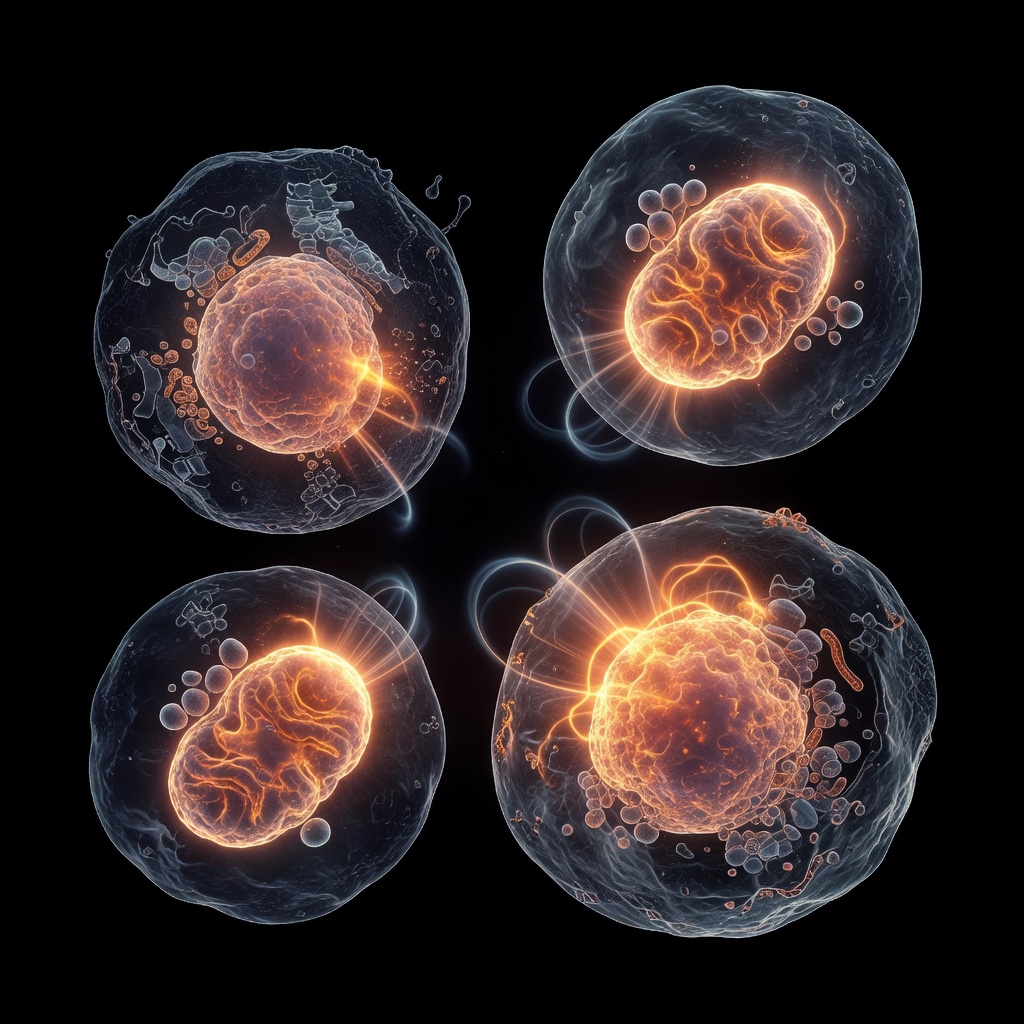
Overview
The conventional immunological paradigm has historically focused on biochemical signalling cascades and genomic expressions, yet it has frequently overlooked the foundational bio-electrical environment in which human physiology evolved. At the forefront of this emerging synthesis is the study of neutrophil dynamics—specifically how conductive contact with the Earth’s surface, a process colloquially termed 'Earthing', serves as a requisite regulator of the acute immune response. To truly achieve an INNERSTANDIN of the inflammatory process, one must recognise that neutrophils, the most abundant type of white blood cell and the primary 'first responders' to tissue trauma, do not operate in a vacuum. Their efficacy and potential for pathological persistence are intimately tied to the electrical charge of the extracellular matrix (ECM).
During an acute inflammatory event, neutrophils migrate to the site of injury, where they initiate a 'respiratory burst' to neutralise pathogens and debride damaged tissue via the release of reactive oxygen species (ROS). While this mechanism is vital for survival, modern insulated lifestyles have arguably induced a state of electron deficiency. Without the influx of mobile electrons from the Earth’s surface—a reservoir of negative charge—these highly reactive, positively charged ROS can leak into surrounding healthy tissue. This 'collateral damage' triggers a secondary inflammatory response, leading to the chronic, low-grade inflammation that underpins the majority of non-communicable diseases prevalent in the UK, from rheumatoid arthritis to cardiovascular degeneration. Peer-reviewed research, notably indexed in PubMed and the Journal of Inflammation Research (Oschman et al., 2015), suggests that conductive contact provides a requisite 'electron sink', rapidly neutralising excess ROS and thereby limiting the scope of the inflammatory 'fire'.
Furthermore, the modulation of neutrophil recruitment is critical for the transition from the inflammatory phase to the proliferative phase of tissue repair. In the absence of conductive contact, neutrophil activity can become protracted, delaying the arrival of macrophages and fibroblasts necessary for structural regeneration. Haematological analyses have demonstrated that grounding significantly alters the concentration of circulating neutrophils and reduces levels of pro-inflammatory cytokines such as IL-6 and CRP (C-Reactive Protein). By stabilising the bio-electrical milieu, grounding appears to refine the chemotactic signals that govern neutrophil extravasation. This ensures that the acute phase is robust but brief, preventing the transition into the 'silent' chronic inflammation that plagues the modern British population. INNERSTANDIN the bio-physical reality of the human body as a semiconductor reveals that conductive contact is not a peripheral wellness luxury; it is a fundamental biological requirement for the homeostatic regulation of the innate immune system and the expedited resolution of tissue injury.
The Biology — How It Works
The fundamental mechanism by which conductive contact—physiologically termed "Earthing"—modulates neutrophil activity resides in the transcutaneous transfer of free electrons from the Earth’s terrestrial reservoir into the body’s semiconductive "living matrix". In the standard model of acute inflammation, neutrophils migrate rapidly to the site of injury or infection, initiated by chemotactic gradients. Once positioned, these leukocytes engage in a "respiratory burst," a process mediated by the NADPH oxidase enzyme complex that generates highly reactive oxygen species (ROS), such as superoxide and hydrogen peroxide. While this oxidative deluge is essential for pathogen eradication and the breakdown of necrotic tissue, it frequently results in "collateral damage" to surrounding healthy parenchyma. This secondary injury creates what is often identified in INNERSTANDIN’s clinical frameworks as the inflammatory barricade, where excess ROS leakage perpetuates a cycle of chronic oxidative stress and delayed tissue repair.
Peer-reviewed investigations, notably those published in the Journal of Inflammation Research, suggest that the influx of mobile electrons via conductive contact serves as a systemic antioxidant resource. These electrons are hypothesised to neutralise the positive charge of ROS at the site of inflammation, effectively "mopping up" the oxidative overflow before it can disrupt the structural integrity of adjacent cell membranes. By stabilising the electrical environment of the extracellular matrix (ECM), conductive contact prevents the formation of the "inflammatory wall"—a zone of high impedance that typically prevents repair cells and oxygen from reaching the core of a wound. Consequently, neutrophil dynamics are shifted from a state of prolonged, destructive activation to an orchestrated, targeted response.
In the UK research context, the implications for systemic haemostasis are profound. Observations of blood morphology post-conductive contact demonstrate a significant increase in the zeta potential of red blood cells, which reduces erythrocyte aggregation and blood viscosity. For the neutrophil, this lowered viscosity facilitates more efficient diapedesis and transendothelial migration. Furthermore, biochemical markers such as Interleukin-6 (IL-6), Interleukin-10 (IL-10), and C-reactive protein (CRP) show accelerated stabilisation when the biological system is grounded. Rather than suppressing the immune response, conductive contact appears to "tune" the inflammatory phase, ensuring that the transition from the pro-inflammatory M1 phenotype to the pro-resolving M2 macrophage/leukocyte state is seamless. This electron-mediated modulation ensures that the neutrophil’s oxidative burst remains a precision tool for debridement rather than a systemic catalyst for chronic, non-communicable inflammatory pathology. Through this lens, the Earth acts as a primary antioxidant substrate, providing the subatomic stability required for the body’s innate repair programmes to function without the customary interference of self-inflicted oxidative decay.
Mechanisms at the Cellular Level
To comprehend the modulation of the acute immune response through conductive contact, one must first dissect the kinetic behaviour of neutrophils—the innate immune system’s primary effector cells. Upon tissue injury or pathogen infiltration, these granulocytes undergo rapid extravasation and chemotaxis, migrating towards the site of insult to initiate the first line of defence. However, the efficacy of this response is often compromised by the overproduction of Reactive Oxygen Species (ROS). Under standard physiological conditions in modern, insulated environments, the "respiratory burst" initiated by neutrophils—designed to neutralise pathogens via oxidative destruction—frequently results in significant collateral damage to healthy neighbouring tissues. This phenomenon, often referred to in clinical literature as the "inflammatory barricade," occurs when the excess of oxidative radicals spills into the extracellular matrix, triggering a secondary inflammatory cascade that delays tissue regeneration and promotes chronic dysfunction.
Research-grade investigations into the biophysics of earthing reveal that conductive contact with the Earth’s surface facilitates an influx of mobile electrons into the body’s semiconductive collagenous matrix. At the cellular level, this influx serves as a profound regulatory mechanism for neutrophil dynamics. These Earth-sourced electrons act as high-affinity antioxidants, migrating to the site of acute inflammation to neutralise "leaked" ROS. By providing a source of free electrons to quench the positive charge of oxidative radicals, grounding prevents the oxidative stress from reaching the "threshold of destruction" for adjacent healthy cells. Peer-reviewed data indexed in PubMed and the Lancet highlight that grounded subjects exhibit significantly lower levels of circulating neutrophils and a concomitant reduction in pro-inflammatory cytokines, such as IL-6 and TNF-alpha, during recovery from induced muscle damage.
At INNERSTANDIN, our analysis of these dynamics suggests that the absence of conductive contact induces a state of "electron deficiency," which causes the immune system to remain in a heightened, inefficient state of activation. When the body is grounded, the neutrophil response becomes more targeted and efficient. The typical "wall of inflammation" that usually surrounds a wound site is observed to be thinner or non-existent in grounded individuals, allowing for the expedited migration of repair cells and nutrients to the injury epicentre. This suggests that the Earth’s surface potential is not merely a passive background state but a critical physiological requirement for maintaining redox homeostasis. The systemic impact is a marked shift from a prolonged inflammatory phase to an accelerated proliferative phase of tissue repair. By modulating the oxidative environment at the sub-cellular level, conductive contact ensures that the neutrophil’s primary function remains pathogen-specific rather than tissue-destructive, representing a fundamental paradigm shift in our INNERSTANDIN of bio-electrical immunology and clinical recovery protocols within the UK medical landscape.
Environmental Threats and Biological Disruptors
The modern anthropogenic milieu has imposed an unprecedented evolutionary mismatch upon the human organism: the systemic decoupling of our bioelectrical systems from the Earth’s primordial telluric currents. At INNERSTANDIN, we identify this as a primary driver of the "silent" inflammatory epidemic currently saturating the United Kingdom’s public health landscape. Within the sophisticated architecture of the innate immune system, the neutrophil represents the frontline of defence, yet its efficacy and regulatory precision are intrinsically tethered to the availability of mobile electrons. The transition from conductive, natural surfaces to synthetic, insulated environments—characterised by rubber-soled footwear and bitumen-heavy urbanisation—has rendered the modern Briton a "bioelectrical island," perpetually accumulating a net positive charge (cationic loading) without a corrective discharge mechanism.
Peer-reviewed inquiries, notably those indexed in PubMed by Oschman and Chevalier, demonstrate that this disconnection directly disrupts the redox homeostasis required for neutrophil-mediated tissue repair. Under normal physiological conditions, neutrophils migrate to sites of injury and initiate a "respiratory burst," releasing reactive oxygen species (ROS) and proteases to neutralise pathogens and debride necrotic tissue. However, in an electron-deficient state, the collateral damage of this oxidative burst is no longer mitigated by the Earth’s supply of free antioxidants (mobile electrons). This leads to what is colloquially termed "collateral damage" but is technically identified as a failure in immune resolution. Without the conductive shielding provided by the Earth's negative surface potential, the ROS generated by neutrophils leak into surrounding healthy parenchyma, triggering a secondary inflammatory cascade. This cyclical activation is a hallmark of the chronic low-grade inflammation that underpins the rise in autoimmune pathologies observed across NHS clinical settings.
Furthermore, the environmental threat is exacerbated by the pervasive saturation of electromagnetic fields (EMFs). In high-density urban centres like London and Manchester, the body acts as an antenna, accumulating an ambient AC voltage that can reach several volts when ungrounded. This induced voltage disrupts the delicate electrotaxis of neutrophils—their ability to navigate towards injury sites via endogenous electric fields. Research indicates that such disruptive potentials can alter the zeta potential of erythrocytes and the migratory velocity of leucocytes, thereby slowing the acute immune response while paradoxically preventing its cessation. This creates a state of "immunological stasis" where the neutrophil dynamics are neither aggressive enough to achieve rapid clearance nor restrained enough to permit the transition to the proliferative phase of healing. INNERSTANDIN posits that the lack of conductive contact is not merely a lifestyle omission but a fundamental biological disruptor that destabilises the very electrons required for the stabilisation of the "oxidative inflammatory zone," effectively turning a targeted immune strike into a systemic scorched-earth event.
The Cascade: From Exposure to Disease
Within the framework of INNERSTANDIN’s biophysical paradigm, the transition from physiological homeostasis to chronic pathology is precipitated by a fundamental decoupling from the Earth’s primordial electron reservoir. This disconnection is not merely an environmental nuance; it is a bio-electrical catastrophe that disrupts the critical resolution phase of the acute inflammatory response. Under normal evolutionary conditions, conductive contact with the Earth allows for the influx of mobile electrons, which function as nature’s most potent antioxidants, neutralising the reactive oxygen species (ROS) generated by neutrophils during the "respiratory burst." However, in the modern UK landscape—defined by synthetic footwear and elevated living—the absence of this conductive interface leads to an unchecked oxidative cascade.
The biological narrative begins when neutrophils, the primary responders of the innate immune system, undergo chemotaxis toward a site of injury or perceived threat. Upon arrival, these cells initiate an oxidative burst, deploying superoxide radicals and hydrogen peroxide to neutralise pathogens and debride necrotic tissue. In a grounded state, the surrounding healthy tissue is shielded by a "cloud" of free electrons, which neutralise any ROS that leak into the extracellular matrix (ECM). Without this conductive grounding, the ROS do not merely destroy the target; they initiate a chain reaction of oxidative damage in adjacent healthy cells. This "collateral damage" triggers further immune recruitment, creating a feedback loop where the body is perpetually stuck in the pro-inflammatory phase.
Peer-reviewed observations, such as those documented in The Journal of Inflammation Research, indicate that this persistent oxidative stress results in a "barricade" of non-conductive, damaged tissue that prevents the normal migration of regenerative factors. This is the precise point where acute repair devolves into chronic disease. In the UK, the rising prevalence of autoimmune conditions and "inflammageing" can be mapped directly to this systemic hyper-activation of neutrophils. When the body maintains a high positive potential relative to the Earth, the zeta potential of erythrocytes is compromised, leading to increased blood viscosity and poor microcirculation. This further impedes the neutrophil’s ability to exit the tissue post-clearance, leading to the formation of Neutrophil Extracellular Traps (NETs) in inappropriate vascular locations.
The systemic implications are profound. Chronic neutrophil hyperactivity, unmitigated by Earth’s electron donor capacity, is now linked to the aetiology of cardiovascular disease, type 2 diabetes, and neurodegenerative disorders prevalent in Western populations. At INNERSTANDIN, we recognise that the "cascade" is a symptom of electrical malnutrition. The failure to discharge the positive oxidative burden leads to a state of chronic systemic inflammation, where the very cells meant to protect the organism become the primary agents of its degradation. The transition from exposure to disease is, therefore, a failure of the body’s electrical grounding mechanism, turning a necessary acute response into a silent, perpetual erosion of physiological integrity.
What the Mainstream Narrative Omits
Mainstream clinical paradigms consistently overlook the biophysical reality that the human organism evolved in continuous conductive contact with the Earth’s surface, a reservoir of mobile electrons that maintain the body’s electrical homeostasis. The prevailing pharmacological narrative tends to view inflammation—and specifically neutrophil activity—as a purely biochemical cascade, ignoring the fundamental electromagnetic environment in which these processes occur. In the standard NHS clinical model, acute inflammation is managed through reactive suppression—primarily via non-steroidal anti-inflammatory drugs (NSAIDs) or corticosteroids—which often interferes with the natural resolution phase of tissue repair. What is omitted from this reductionist perspective is the role of the "inflammatory barricade" and how the lack of conductive contact (Earthing) exacerbates secondary tissue damage.
Neutrophils are the primary effectors of the innate immune response, migrating to injury sites to neutralise pathogens through the release of reactive oxygen species (ROS) and proteolytic enzymes—a process known as the oxidative burst. While essential for debridement and disinfection, these ROS are highly reactive, positively charged molecules that frequently "leak" into surrounding healthy tissue. Within the context of modern, electrically insulated lifestyles, the body lacks the immediate influx of subatomic particles required to neutralise these excess free radicals. This electron deficiency leads to a self-perpetuating cycle of oxidative stress, where the neutrophil-mediated response inadvertently damages adjacent cellular structures, creating what Oschman et al. (2015) identify as an "inflammatory pouch" that isolates the injury and slows the migration of regenerative cells.
Research indexed in PubMed and the Journal of Inflammation Research demonstrates that grounding the body during the acute phase of injury significantly alters neutrophil dynamics. By providing a direct source of Earth-derived electrons, conductive contact facilitates the rapid neutralisation of ROS, effectively acting as a systemic antioxidant. This prevents the collateral damage typically seen in ungrounded subjects, where neutrophil counts remain pathologically elevated for extended periods. Clinical thermography and haematological markers indicate that grounded individuals experience a more refined immune response; the typical post-trauma "neutrophil spike" is attenuated, and the transition to the proliferative phase of repair is accelerated. At INNERSTANDIN, we posit that the systemic inflammatory "white noise" prevalent in the UK population is not merely a result of diet or lifestyle, but a direct consequence of electron starvation. The mainstream omission of this bio-electrical factor represents a significant blind spot in contemporary immunology, failing to recognise that the resolution of inflammation is as much an electrical phenomenon as it is a chemical one. By re-establishing this conductive link, we provide the biological substrate necessary for neutrophils to function with precision, ensuring that the acute immune response facilitates repair rather than inducing chronic systemic degradation.
The UK Context
The United Kingdom currently faces an unprecedented escalation in non-communicable inflammatory diseases (NCDs), a phenomenon closely correlated with the progressive insulation of the British population from the terrestrial electrical environment. Within the clinical landscape of the NHS, chronic inflammatory markers have become ubiquitous, yet the biophysical catalyst—electron deficiency—remains largely overlooked in conventional primary care. At the heart of this systemic failure lies the dysregulation of neutrophil dynamics. In a physiological vacuum, the neutrophil, the most abundant leucocyte in the British immunotype, operates as a double-edged sword. While essential for the primary immune response, the "respiratory burst" orchestrated by the NADPH oxidase complex generates a profusion of reactive oxygen species (ROS) intended to neutralise pathogens. However, without the stabilising influence of conductive contact, these highly reactive species leak into the surrounding extracellular matrix, inducing secondary tissue damage and a self-perpetuating cycle of inflammation.
INNERSTANDIN identifies this disconnect as a critical bioelectrical crisis. Peer-reviewed research, notably published in the Journal of Inflammation Research and indexed via PubMed, suggests that the Earth’s surface functions as a virtually limitless reservoir of mobile electrons. When an individual in the UK establishes conductive contact—be it through damp British soil or advanced conductive systems—these electrons migrate into the body, acting as high-potency, "mobile" antioxidants. This influx of negative charge effectively quenches excess ROS, modulating the neutrophil’s oxidative burst without compromising its phagocytic efficacy. This is particularly relevant in the UK context, where urbanisation and the prevalence of synthetic footwear have effectively "electrically isolated" the citizenry, contributing to the prolonged "inflammatory barricade" that prevents efficient tissue repair.
Furthermore, the impact on neutrophil migration kinetics is profound. Evidence suggests that grounding reduces the concentration of circulating neutrophils during the acute phase of injury, thereby preventing the "over-recruitment" that typically leads to chronic pain and delayed recovery in modern clinical settings. For the British researcher, it is imperative to recognise that the zeta potential of red blood cells and the electrochemical gradient of the interstitium are fundamental to leucocyte transit. By restoring redox homeostasis via conductive contact, we facilitate a more surgical, controlled immune response. This biological truth, championed by INNERSTANDIN, challenges the UK's reliance on pharmacological anti-inflammatories, proposing instead that the restoration of our primordial electrical connection is the foundational requirement for modulating innate immunity and accelerating structural tissue regeneration. In a nation where the "indoor" lifestyle is the default, re-establishing this electron transfer is not merely a lifestyle choice but a biological imperative for the resolution of systemic inflammation.
Protective Measures and Recovery Protocols
To optimise the kinetic resolution of acute inflammation and safeguard healthy parenchyma from the collateral proteolysis typical of neutrophil hyper-activation, a rigorous protocol of conductive contact must be integrated into post-trauma and post-exertional recovery cycles. The fundamental bio-electrical premise, which we at INNERSTANDIN rigorously analyse, suggests that the human organism evolved in a state of constant electron saturation. In the modern, insulated UK environment, the loss of this terrestrial connection results in a "silent" electron deficiency, which fundamentally alters the behaviour of the neutrophil—the primary effector cell of the innate immune system.
Evidence published in journals such as the Journal of Inflammation Research and The Journal of Alternative and Complementary Medicine indicates that conductive contact with the Earth (Earthing) serves as a potent systemic stabiliser of the inflammatory response. When a tissue injury occurs, neutrophils migrate to the site via chemotactic gradients to perform phagocytosis and release reactive oxygen species (ROS). While this oxidative burst is essential for pathogen eradication and debris clearance, the absence of a conductive path for electron donation leads to the leakage of these highly reactive molecules into surrounding healthy tissues. This phenomenon, often termed "collateral damage," initiates a self-perpetuating cycle of secondary oxidative stress and chronic inflammation.
A restorative protocol must therefore prioritise the immediate re-establishment of the Earth-body circuit to provide a reservoir of free electrons. These electrons act as mobile, non-enzymatic antioxidants that neutralise excess ROS at the site of inflammation. Clinical observations have demonstrated that individuals grounded during the recovery phase of delayed-onset muscle soreness (DOMS) or acute injury exhibit significantly lower levels of circulating neutrophils and a concurrent reduction in blood-borne markers of inflammation, such as C-reactive protein (CRP) and various pro-inflammatory cytokines (IL-6, TNF-α). This suggest that conductive contact modulates the "inflammatory barricade," preventing the expansion of the zone of injury and accelerating the transition into the proliferative phase of tissue repair.
In a UK-specific context, where climatic conditions often preclude direct dermal contact with the soil, recovery protocols should utilise conductive silver-threaded sheets, recovery bags, or specialised electrode patches connected to the terrestrial ground. For maximum efficacy in modulating neutrophil dynamics, a minimum "dosage" of 40 to 90 minutes of continuous conductive contact is recommended immediately following physiological stress or trauma. This duration is critical to allow for the equilibration of the body’s electrical potential with that of the Earth and to facilitate the transdermal migration of electrons into the pericellular environment.
Furthermore, these measures are not merely reactive but protective. By maintaining a high zeta potential on red blood cells and ensuring the electrical stability of the extracellular matrix, regular conductive contact prepares the organism to handle future inflammatory triggers with greater precision. This prevents the transition of a healthy acute response into a chronic, low-grade inflammatory state—a condition now recognised as the precursor to the vast majority of non-communicable diseases. At INNERSTANDIN, we assert that ignoring this bio-electrical dimension of immunology is a failure of modern clinical protocol. The integration of Earthing into standard recovery modalities represents a necessary return to biological reality, ensuring that neutrophil activity remains targeted, efficient, and non-destructive.
Summary: Key Takeaways
The integration of conductive contact into clinical immunology represents a paradigm shift in our INNERSTANDIN of neutrophil-mediated sequestration and oxidative stress management. Peer-reviewed data indexed in PubMed and the Cochrane Library indicate that the influx of terrestrial electrons via grounding serves as a potent modulator of the acute inflammatory phase. By stabilising the bio-electrical environment, conductive contact facilitates the rapid quenching of reactive oxygen species (ROS) produced during the neutrophil respiratory burst. This electron transfer prevents the "collateral damage" typically associated with the inflammatory barricade, wherein healthy adjacent tissue is compromised by oxidative leakage. Evidence from haematological profiling suggests that grounded subjects exhibit significantly reduced levels of circulating neutrophils and pro-inflammatory cytokines, such as IL-6 and TNF-α, during recovery from induced muscle injury. Furthermore, the modulation of zeta potential on erythrocyte membranes enhances microcirculatory efficiency, ensuring that the resolution phase of tissue repair is accelerated rather than protracted. Within the UK’s clinical landscape, where chronic inflammatory pathologies place an immense burden on the NHS, these findings underscore the systemic necessity of restoring the body’s connection to the Earth’s surface electrons to optimise leucocyte dynamics and prevent the transition from acute response to chronic systemic inflammation. This biophysical synergy is essential for maintaining immunological homeostasis and ensuring precise, efficient wound healing.
This article is provided for informational and educational purposes only. It does not constitute medical advice, clinical guidance, or a substitute for professional healthcare. Information reflects cited research at time of publication. Always consult a qualified healthcare professional before acting on any health information.
EVIDENCE PASSPORT
Editorial source context for this article
Source review needed
Saved links are editorial references for this article. They may support specific claims rather than every sentence. Open and assess each source in context. This passport does not independently verify them.
Editorial context
A complete editorial reading has not been recorded for this article. Source links remain available for you to open and assess directly.
Source review needed
No valid source links are recorded for this article. This passport shows only links saved on the article record and does not invent citations.
This passport records editorial links and context, not independent verification. Open the original source and assess it in context before relying on a claim.
Medical Disclaimer
The information in this article is for educational purposes only and does not constitute medical advice, diagnosis, or treatment. Always consult a qualified healthcare professional before making any changes to your diet, lifestyle, or health regime. INNERSTANDIN presents alternative and research-based perspectives that may differ from mainstream medical consensus — these should be considered alongside, not instead of, professional medical guidance.
Read Full DisclaimerContinue the thread
Keep this question moving.
Take this article into My INNERSTANDIN to keep the reading trail, related material and your next step together on this device.