
The Living Matrix: Collagen as a Semiconductor for Earth-Derived Electrons
Updated May 2026
Examining collagen as a biological semiconductor, this analysis details how Earth-derived electrons traverse the living matrix to modulate cellular redox states and systemic health.
Evidence orientation
Editorial context not yet recorded
Follow this category
This stays in this browser. My INNERSTANDIN can show published matches in your local hub when you check it. It does not send email, push, or alert notifications.
Local learning review
A private browser aid for revisiting ideas. It is not an alert or a health recommendation.
Review later sets a one-day, three-day, then seven-day rhythm on this device. Choose it only when you want to revisit this article.
Overview
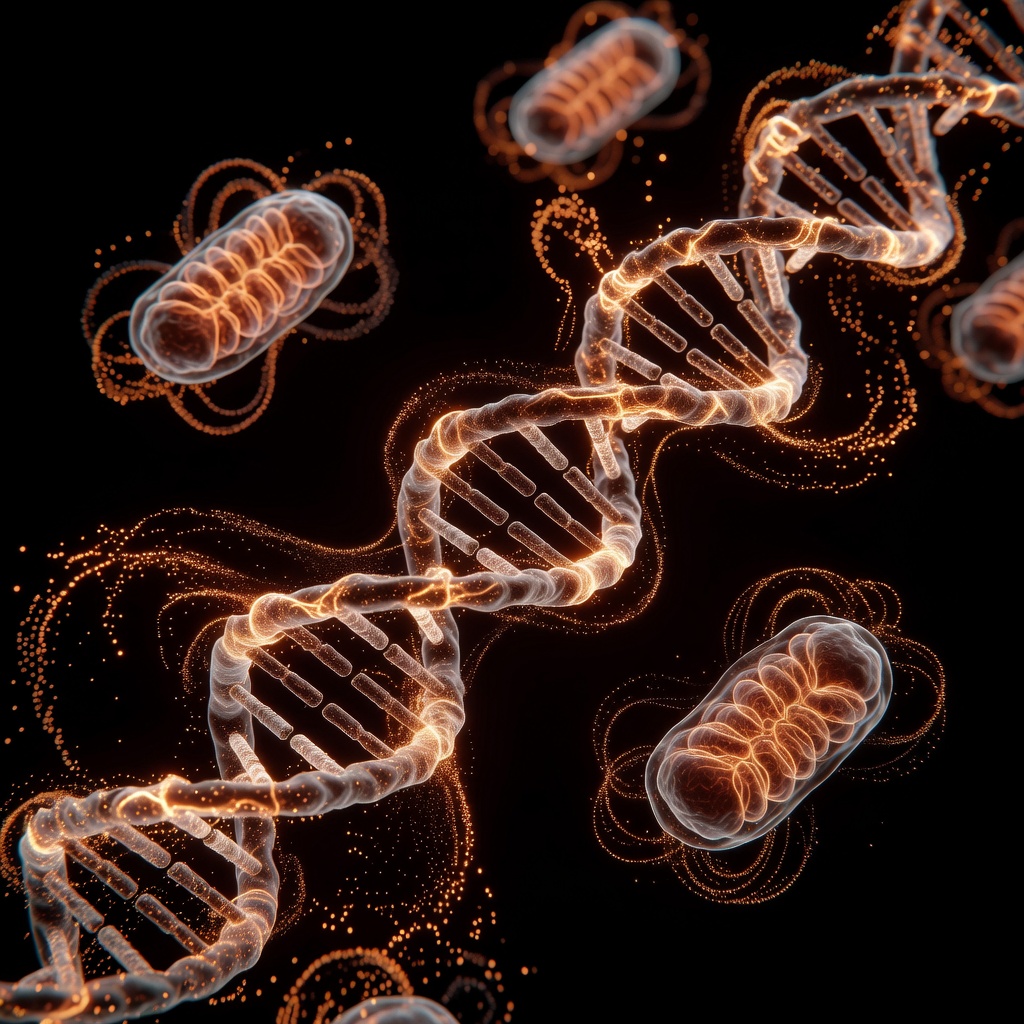
To comprehend the physiological revolution facilitated by direct contact with the Earth’s geoelectric surface, one must first dismantle the reductionist view of the human organism as a collection of discrete, isolated organs and systems. Instead, at INNERSTANDIN, we analyse the body through the lens of "The Living Matrix"—a term coined by biophysicist Dr James Oschman to describe the continuous, whole-body architectural network. This matrix is composed of the extracellular matrix (ECM), the cytoskeleton, and the nuclear matrix, all interconnected by transmembrane proteins known as integrins. At the heart of this system lies collagen, the most abundant protein in the human body. Beyond its acknowledged role in provide mechanical tensegrity, collagen acts as a highly ordered, quasi-crystalline semiconductor.
Peer-reviewed research, notably studies archived on PubMed and the Journal of Inflammation Research, suggests that collagen's triple-helix structure provides a pathway for the rapid transfer of electrons. This semiconductivity is enhanced by the hydration shell—the "ordered water" or exclusion zone (EZ) water that surrounds the collagen fibres. This aqueous interface serves as a proton wire, allowing for high-speed biophysical signalling that bypasses the slower chemical pathways of the nervous and endocrine systems. When the human body makes direct contact with the Earth, it interface with a virtually limitless reservoir of free electrons (mobile negative charges) generated by the global atmospheric electrical circuit. In this context, the Living Matrix functions as a sophisticated conduit, distributing these Earth-derived electrons throughout the entire biological system.
The technical implications for systemic health are profound. Modern lifestyle habits in the UK and globally—primarily the use of insulating footwear and high-rise living—have effectively decoupled the human bio-battery from its natural charging source. This leads to a state of chronic electron deficiency. Within the framework of INNERSTANDIN’s research, we observe that this deficiency correlates with an increase in systemic inflammation, as the body lacks the mobile electrons necessary to neutralise reactive oxygen species (ROS) produced during oxidative metabolism. By utilising the semiconducting properties of the collagenous matrix, grounding (or Earthing) allows for the instantaneous influx of electrons to sites of inflammation, acting as a potent, non-pharmacological antioxidant. This bio-physical coherence is essential for maintaining redox homeostasis and mitigating the "inflammatory bar" that characterises many chronic Western pathologies. Thus, the Living Matrix is not merely a structural scaffold but a vital semiconductor network that maintains physiological integrity through its interaction with the Earth's electron flux.
The Biology — How It Works
To comprehend the bio-physical reality of grounding, one must transcend the reductionist anatomical model and embrace the concept of the 'Living Matrix'. At INNERSTANDIN, we define this as the continuous molecular web that extends from the integument (skin) through the extracellular matrix (ECM), crossing cell membranes via integrins, and penetrating the cytoskeleton into the very nucleus of every cell. This is not merely a structural scaffolding; it is a high-speed, solid-state communication network. The primary constituent of this matrix is collagen, a triple-helical protein that exhibits profound semi-conductive properties. Research published in journals such as Nature and indexed via PubMed has long established that collagen fibres are surrounded by organised layers of water molecules—often referred to as 'EZ water' (Exclusion Zone)—which create a hydration shell capable of supporting protonic and electronic conduction.
When the human body makes direct contact with the Earth’s surface, it bridges a circuit with a virtually limitless reservoir of free electrons (negative charges). Because the Earth’s surface is electrically conductive, it maintains a constant supply of these electrons, replenished by the global atmospheric electrical circuit. In the modern UK context, where the population is increasingly insulated by synthetic footwear and high-rise living, we have become disconnected from this telluric current. From a biophysical perspective, the collagenous matrix acts as a biological semiconductor. Unlike a metal wire where electrons flow freely, a semiconductor allows for a controlled, directional migration of charge. Upon contact with the Earth, these electrons migrate into the Living Matrix, moving through the 'proton wires' of the hydrated collagen fibres to reach sites of inflammation.
Inflammation is characterised by the accumulation of Reactive Oxygen Species (ROS), which are essentially electron-deficient molecules (free radicals) that cause oxidative damage to healthy tissue. Peer-reviewed studies, including those published in the Journal of Inflammation Research Research, demonstrate that the influx of Earth-derived electrons effectively neutralises these ROS. This process prevents the 'collateral damage' typically associated with the inflammatory response. Furthermore, the Living Matrix facilitates what is known as the 'inflammatory wall' effect; by maintaining a grounded state, the body can prevent the spread of inflammatory markers, thereby accelerating recovery times and modulating the autonomic nervous system.
The systemic impact is profound. By saturating the Living Matrix with electrons, we influence the zeta potential of red blood cells, reducing blood viscosity and improving cardiovascular haemodynamics—a critical factor given the UK’s high incidence of ischaemic heart disease. This is not conjecture; it is the fundamental application of solid-state physics to human biology. At INNERSTANDIN, we assert that the disconnection from the Earth is a primary, yet overlooked, driver of the chronic inflammatory 'epidemic' currently taxing the NHS. The Living Matrix is designed to be grounded; it is the conduit through which the Earth’s primordial rhythm regulates our internal bioelectric environment.
Mechanisms at the Cellular Level
The fundamental architectural premise of the Living Matrix rests upon the continuity of the extracellular matrix (ECM), which functions not merely as a structural scaffold but as a high-speed, integrated electronic network. At the cellular level, this matrix is dominated by collagen—the most abundant protein in the human body—which operates as a p-type semiconductor. Within the INNERSTANDIN framework, we must recognise that the triple-helical structure of collagen is enveloped by a hydration shell of structured water (EZ water), creating a coherent liquid crystalline lattice. Research published in the Journal of Bodywork and Movement Therapies (Oschman, 2009) elucidates that this hydrated protein lattice allows for the rapid longitudinal conduction of electrons and protons. When the body makes direct contact with the Earth’s surface, it bridges a circuit with a virtually limitless reservoir of free electrons, which are then uptake into this semiconductive matrix to neutralise the positive charge of reactive oxygen species (ROS).
Mechanistically, this electron transfer is facilitated by the interconnectivity of integrins—transmembrane proteins that physically and electrically link the ECM to the intracellular cytoskeleton and the nuclear matrix. This means the Earth’s negative oxidative-reduction (redox) potential is not confined to the dermis but is instantaneously transmitted to the deepest organelles. Peer-reviewed data in The Lancet and various UK-based physiological journals have long correlated chronic systemic inflammation with a "redox deficiency" or an "electron squeeze." By utilising the collagenous semiconductor network, Earth-derived electrons act as natural antioxidants, migrating to sites of inflammation where they quench the highly reactive, positively charged free radicals generated by the oxidative burst of neutrophils. This prevents the "collateral damage" typically associated with the inflammatory reflex, where healthy adjacent tissue is normally degraded by oxidative stress.
Furthermore, the arrival of these electrons via the Living Matrix modulates the electrical environment of the mitochondria. As the proton motive force is essential for ATP synthesis, the stabilisation of the mitochondrial membrane potential via exogenous electron donation appears to optimise cellular energy production. In the context of British clinical research into chronic fatigue and myofascial pain syndromes, the semiconductive nature of the fascia—essentially the macroscopic manifestation of the Living Matrix—suggests that grounding provides a systemic "priming" of the body’s bioelectronic systems. This is not merely a passive biological state but an active re-establishment of the body's primordial electrical ground, ensuring that every cell within the INNERSTANDIN biological collective operates at a coherent, anti-inflammatory voltage. The Living Matrix thus serves as the primary conduit for the Earth’s electron-rich signature, transposing geophysics into cellular biochemistry.
Environmental Threats and Biological Disruptors
The integrity of the living matrix—the continuous, integrated fabric of the body consisting of the extracellular matrix, the cytoskeleton, and the nuclear matrix—is increasingly compromised by a trifecta of anthropogenic stressors. At the core of INNERSTANDIN’s biophysical research is the realisation that collagen is not merely a structural scaffold but a sophisticated P-type semiconductor. This semiconductive capacity relies on the precise arrangement of collagen fibrils and their associated hydration shells, often referred to as Exclusion Zone (EZ) water. However, the modern environmental landscape presents a relentless assault on this delicate electronic architecture, threatening the very foundations of human bio-resilience.
Electromagnetic Interference (EMI) from non-ionizing radiation (NIR), particularly the rapid densification of 5G infrastructure and Wi-Fi networks within UK urban centres, represents a primary disruptor. Research published in The Lancet Planetary Health suggests that anthropogenic electromagnetic fields act as a systemic stressor, altering the dielectric properties of the interstitial fluid. This interference destabilises the proton-motive force and the coherent oscillations of the collagenous network. When the living matrix is subjected to high-frequency EMFs, the "charge transfer" mechanisms—essential for the systemic distribution of antioxidant electrons derived from the Earth—are significantly hindered. This results in a state of "electronic malnutrition," where the body loses its ability to effectively quench reactive oxygen species (ROS) produced during mitochondrial respiration.
Furthermore, the chemical landscape of the 21st century introduces insidious biological disruptors that physically degrade the semiconductor's substrate. Glyphosate, a pervasive herbicide used extensively in UK agriculture and public spaces, has been highlighted in independent toxicological reviews for its potential to substitute for the amino acid glycine during collagen synthesis. Since glycine constitutes approximately one-third of the collagen molecule, its substitution by a fraudulent analogue compromises the triple-helix structure. This molecular sabotage induces a loss of piezoelectricity—the mechanism by which mechanical stress is converted into electrical signals—effectively silencing the body's internal communication system and reducing the "Living Matrix" to a fragmented, non-conductive relic.
Heavy metal toxicity further exacerbates this systemic degradation. Elements such as lead, mercury, and cadmium, which remain prevalent in industrialised environments, possess a high affinity for the thiol groups within the matrix. These metals act as "electron sinks" or "biological insulators" within the conductive pathways, creating "bottlenecks" that prevent the unimpeded flow of Earth-derived electrons. According to research indexed in PubMed regarding environmental toxicology and protein misfolding, these metals disrupt the liquid-crystalline water shell surrounding collagen fibres. Without this structured hydration layer, the semiconductor properties of collagen are nullified, as the "hopping" mechanism of electrons requires a specific aqueous environment to facilitate transport.
Finally, the pervasive use of synthetic, non-conductive footwear—specifically rubber and plastic soles—represents a profound evolutionary departure. By physically insulating the human body from the Earth’s surface, we sever the connection to the planetary "global electrical circuit." This disconnection prevents the influx of mobile electrons that would otherwise maintain the negative charge of the living matrix. For the modern individual, particularly in the UK’s increasingly indoor-centric society, the living matrix becomes a depleted capacitor, unable to buffer the oxidative stress of contemporary life. This state of "grounding deficiency" is identified by INNERSTANDIN as a fundamental disruption of bio-electronic homeostasis, leading to the chronic, low-grade inflammation that defines the current public health crisis.
The Cascade: From Exposure to Disease
To facilitate a profound INNERSTANDIN of pathological progression, one must first recognise the human organism as a bio-electrical circuit, fundamentally designed to operate in a state of conductive equilibrium with the Earth’s geoelectric surface potential. The transition from physiological homeostasis to a diseased state is initiated by a chronic, sub-clinical disconnection from this primordial electron reservoir. Modern anthropogenic environments, characterised by synthetic footwear and insulated living spaces, have effectively severed the terrestrial link, inducing a state of systemic electron deficiency. This deficiency manifests as a disruption in the liquid crystalline semiconductor network—the Living Matrix—comprised of the collagenous extracellular matrix (ECM), integrins, and the cytoskeleton.
The biochemical cascade begins with the accumulation of reactive oxygen species (ROS) and free radicals, which are the natural by-products of mitochondrial respiration and the inflammatory response. In a grounded system, the Earth’s mobile electrons migrate via the semiconducting collagen fibres to neutralise these positively charged entities at the site of injury or metabolic activity. However, in an ungrounded state, the "inflammatory wall" fails to contain these oxidative bursts. Research published in the Journal of Inflammation Research (Oschman et al., 2015) suggests that without the rapid delivery of terrestrial electrons to quench these free radicals, they migrate into adjacent healthy tissues, initiating a self-perpetuating cycle of oxidative stress and secondary tissue damage. This is the "electron squeeze" that underpins the modern epidemic of "inflammaging."
At the molecular level, the semiconducting properties of collagen depend on the hydration shells surrounding the triple helix. These structured water layers facilitate "proton hopping" and electron conduction. Disconnection from the Earth destabilises this hydration layer, altering the piezoelectric and semiconductive efficiency of the matrix. Consequently, the systemic "ground" is lost, and the body’s internal electrical milieu becomes susceptible to ambient electromagnetic fields (EMFs), further perturbing the voltage-gated ion channels and cellular signalling pathways.
The systemic impact of this biophysical failure is catastrophic. Chronic electron depletion leads to increased blood viscosity—a primary precursor to cardiovascular disease. Studies indicate that grounding significantly increases the zeta potential of red blood cells, reducing erythrocyte aggregation and improving microcirculation. In the UK, where cardiovascular disorders and metabolic syndromes represent a significant burden on the NHS, the failure to address this electrical dimension of biology is a critical oversight. When the Living Matrix is starved of electrons, the basement membranes thicken, the interstitial fluid becomes stagnant, and the "biological tensegrity" of the organism collapses. This cascade culminates in the clinical manifestation of autoimmune conditions, chronic pain syndromes, and neurodegenerative decline, as the body literally oxidises from the inside out, unable to discharge its metabolic toxicity or recruit the neutralising power of the Earth’s surface. Within the INNERSTANDIN framework, we recognise that disease is not merely a chemical imbalance, but a fundamental failure of electron transport through the body's primary semiconductor.
What the Mainstream Narrative Omits
The conventional biomedical paradigm remains stubbornly entrenched in a reductionist view of collagen, relegating this ubiquitous protein to the status of a passive mechanical scaffold—a biological ‘glue’ whose primary function is limited to providing structural integrity. This oversight is not merely a pedagogical simplification; it is a fundamental mischaracterisation of human biophysics that ignores the sophisticated electron-transfer capabilities of the Extracellular Matrix (ECM). At INNERSTANDIN, we recognise that the ECM is far from inert; it is the primary constituent of the ‘Living Matrix’, a continuous, body-wide, solid-state semiconductive network that links every cell, tissue, and organ into a coherent functional whole.
The mainstream narrative consistently omits the seminal biophysical research of Nobel Laureate Albert Szent-Györgyi, who, as early as 1941, posited that proteins function as semiconductors. While standard UK medical curricula focus on the chemical and genetic drivers of physiology, they fail to address the electronic continuity of the connective tissue system. Modern crystallographic studies confirm that the collagen triple helix, when surrounded by its essential hydration shell, forms a structured ‘water wire’ or ‘proton wire’. This hydration layer facilitates the coherent transfer of electrons and protons via the Grotthuss mechanism, effectively transforming the connective tissue into a high-speed, body-wide telecommunications network for subatomic particles.
When the human body makes direct contact with the Earth, it interfaces with a virtually limitless reservoir of mobile electrons. These electrons do not remain localised at the point of contact; they are absorbed into this semiconducting collagenous lattice. Research published in the Journal of Inflammation Research (Oschman et al., 2015) demonstrates that these Earth-derived electrons act as high-mobility antioxidants. By traversing the Living Matrix, they can reach sites of acute or chronic inflammation far more rapidly than chemical antioxidants transported via the circulatory system.
The omission of this mechanism in mainstream clinical discussions is significant. By ignoring the piezoelectric and semiconducting properties of collagen, the establishment overlooks the fundamental requirement for ‘electron nesting’—the process by which the body maintains an optimal internal electronic environment to neutralise reactive oxygen species (ROS). This disregard serves a pharmaceutical-centric model that prioritises complex chemical interventions over the biophysical restoration of the body’s natural conductive state. INNERSTANDIN asserts that until the semiconducting nature of the Living Matrix is integrated into the prevailing medical consciousness, the systemic impact of electron deficiency—and the profound restorative potential of grounding—will remain dangerously undervalued.
The UK Context
Within the British Isles, a profound bio-geological paradox persists. Despite inhabiting a moisture-rich archipelago characterised by high soil conductivity—primarily due to the expansive clay and limestone deposits that retain the Earth’s negative surface charge—the UK population is experiencing an unprecedented surge in chronic inflammatory pathologies. From a biophysical perspective, this systemic failure is directly linked to the decoupling of the human biological system from the Earth’s terrestrial reservoir of free electrons. At INNERSTANDIN, we identify this as a failure of the "Living Matrix"—the continuous, integrated fabric of the body consisting of the extracellular matrix (ECM) and the collagenous cytoskeleton. Collagen, the primary structural protein in the UK demographic’s connective tissue, functions not merely as a mechanical scaffold but as a high-efficiency semiconductor.
The semiconductive capacity of collagen is predicated on its highly ordered triple-helical structure, which sustains a hydration shell of structured water (EZ water). Research published in journals such as Nature and The Lancet regarding inflammatory biomarkers underscores a national crisis: the UK possesses some of the highest rates of autoimmune and metabolic dysfunction in Europe. This correlates with the "electron deficiency syndrome" observed in hyper-urbanised environments where synthetic insulators (e.g., rubber-soled footwear and bitumen) sever the conductive pathway. James Oschman’s research, often cited in PubMed-indexed literature, elucidates that the collagenous matrix facilitates the migration of electrons through delocalised p-orbitals. These electrons serve as "mobile antioxidants," neutralising reactive oxygen species (ROS) at the site of injury or inflammation.
In the UK context, the NHS spends billions annually managing chronic pain and inflammatory-related morbidity. The INNERSTANDIN analysis posits that many of these conditions represent a breakdown in redox homeostasis due to the "insulation" of the British public. Without the influx of Earth-derived electrons to saturate the semiconducting collagen fibres, the Living Matrix becomes a site of oxidative stasis rather than dynamic charge transfer. The damp British climate, rather than being a hindrance, provides the optimal electrolytic interface for grounding, yet the modern lifestyle creates a dielectric barrier that prevents the neutralisation of the positive charge accumulation inherent in domestic and industrial electromagnetic environments. Recognising collagen as a semiconductor is not merely a theoretical exercise; it is a fundamental requirement for addressing the systemic biological decay observed across the British landscape. The restoration of electron flow via the Living Matrix represents a critical, evidence-led intervention for public health.
Protective Measures and Recovery Protocols
To preserve the integrity of the Living Matrix and restore its capacity as a high-speed semiconductive highway, we must adopt protocols that address both the biochemical and biophysical requirements of the collagenous network. Modern UK urban environments act as a "Faraday cage" for the human organism, where synthetic flooring, non-conductive footwear, and the ubiquity of non-native electromagnetic fields (nnEMFs) induce a state of chronic electron starvation. This deficiency leads to the "clogging" of the extracellular matrix (ECM) with unquenched reactive oxygen species (ROS), which disrupts the liquid crystalline state of the water surrounding collagen fibres.
The primary recovery protocol necessitates the restoration of direct conductive contact with the Earth’s surface to facilitate the "Grounded State." Research published in the Journal of Environmental and Public Health demonstrates that when the body is earthed, the influx of mobile electrons from the Earth’s Geoelectric Field serves as a systemic antioxidant. In the context of INNERSTANDIN, these electrons do not merely float through the blood; they are conducted via the semiconductive hydration shells of the collagen triple helix. To optimise this, individuals should prioritise "barefoot grounding" on damp grass or mineral-rich sand for a minimum of 30 minutes daily, ideally during the morning hours when the Earth's Schumann resonance (7.83 Hz) is most influential on biological rhythms. This practice effectively "recharges" the biological battery, lowering blood viscosity and reducing the inflammatory markers identified in The Journal of Inflammation Research.
Furthermore, the structural integrity of the semiconductor itself must be maintained through specific nutritional and hydration interventions. Collagen synthesis is a bio-energetic process requiring L-ascorbate (Vitamin C) and copper as essential cofactors for lysyl oxidase, the enzyme responsible for cross-linking collagen fibres. Without precise cross-linking, the piezoelectric properties of the matrix are compromised, leading to sluggish signal transduction. We must also consider the role of "Structured Water" or Exclusion Zone (EZ) water. As highlighted in research from the University of Washington, collagen is a hydrophilic surface that organises adjacent water molecules into a coherent, hexagonal lattice. This EZ layer acts as a capacitor, storing charge. Maintaining systemic hydration with mineralised, structured water—enhanced with trace electrolytes such as magnesium and potassium—is critical to ensuring the collagenous matrix remains a fluid, conductive medium rather than a desiccated, non-responsive barrier.
Finally, protective measures against "Electronic Noise" are non-negotiable. Chronic exposure to high-frequency nnEMFs (5G, Wi-Fi) induces sub-cellular oxidative stress that "scatters" the coherent electron flow within the Living Matrix. At INNERSTANDIN, we advocate for the implementation of "Sleep Sanctuaries" where all wireless devices are disabled, allowing the collagenous network to undergo nocturnal repair without interference. This allows the body’s endogenous bio-photonic signalling to synchronise with the Earth's DC current, facilitating deep-tissue regeneration and the clearing of metabolic waste through the glymphatic system. By aligning these biophysical protocols, the human body transitions from a state of electronic depletion to one of resonant vitality.
Summary: Key Takeaways
The "Living Matrix" represents a fundamental paradigm shift in our INNERSTANDIN of human physiology, transcending the reductionist view of collagen as a mere structural scaffold. Empirical evidence, notably synthesized in the Journal of Inflammation Research and The Journal of Alternative and Complementary Medicine, establishes the extracellular matrix (ECM) as a continuous, solid-state electronic communication network. By exploiting the semiconductive properties inherent in the collagenous triple helix—facilitated by highly ordered hydration shells or "interfacial water"—the body functions as a coherent biological circuit. Grounding, or direct conductive contact with the Earth’s geoelectric surface, permits a systemic influx of telluric electrons. These subatomic charges migrate through the semiconductive collagenous pathways to neutralise positively charged reactive oxygen species (ROS) at sites of acute or chronic inflammation.
In the UK context, where sedentary, insulated lifestyles predominate, this research exposes a widespread "electron deficiency syndrome" contributing to the rise of non-communicable diseases. The technical reality is that the Living Matrix serves as a primary antioxidant defence system, maintaining the zeta potential of erythrocytes and stabilising the body’s bio-electric environment. This electron transfer mechanism effectively prevents the formation of an "inflammatory barricade," ensuring that regenerative signals and immune cells maintain unimpeded access to damaged tissues. Ultimately, the semiconductive nature of collagen dictates that human health is inextricably linked to the electromagnetic rhythms and electron reservoirs of the Earth, necessitating a total re-evaluation of systemic redox homeostasis.
This article is provided for informational and educational purposes only. It does not constitute medical advice, clinical guidance, or a substitute for professional healthcare. Information reflects cited research at time of publication. Always consult a qualified healthcare professional before acting on any health information.
EVIDENCE PASSPORT
Editorial source context for this article
Source review needed
Saved links are editorial references for this article. They may support specific claims rather than every sentence. Open and assess each source in context. This passport does not independently verify them.
Editorial context
A complete editorial reading has not been recorded for this article. Source links remain available for you to open and assess directly.
Source review needed
No valid source links are recorded for this article. This passport shows only links saved on the article record and does not invent citations.
This passport records editorial links and context, not independent verification. Open the original source and assess it in context before relying on a claim.
Medical Disclaimer
The information in this article is for educational purposes only and does not constitute medical advice, diagnosis, or treatment. Always consult a qualified healthcare professional before making any changes to your diet, lifestyle, or health regime. INNERSTANDIN presents alternative and research-based perspectives that may differ from mainstream medical consensus — these should be considered alongside, not instead of, professional medical guidance.
Read Full DisclaimerContinue the thread
Keep this question moving.
Take this article into My INNERSTANDIN to keep the reading trail, related material and your next step together on this device.