
Nutritional Scavenging: The Role of Iron Acquisition in Biofilm Maturation
Updated April 2026
Evidence orientation
Editorial context not yet recorded
Follow this category
This stays in this browser. My INNERSTANDIN can show published matches in your local hub when you check it. It does not send email, push, or alert notifications.
Local learning review
A private browser aid for revisiting ideas. It is not an alert or a health recommendation.
Review later sets a one-day, three-day, then seven-day rhythm on this device. Choose it only when you want to revisit this article.
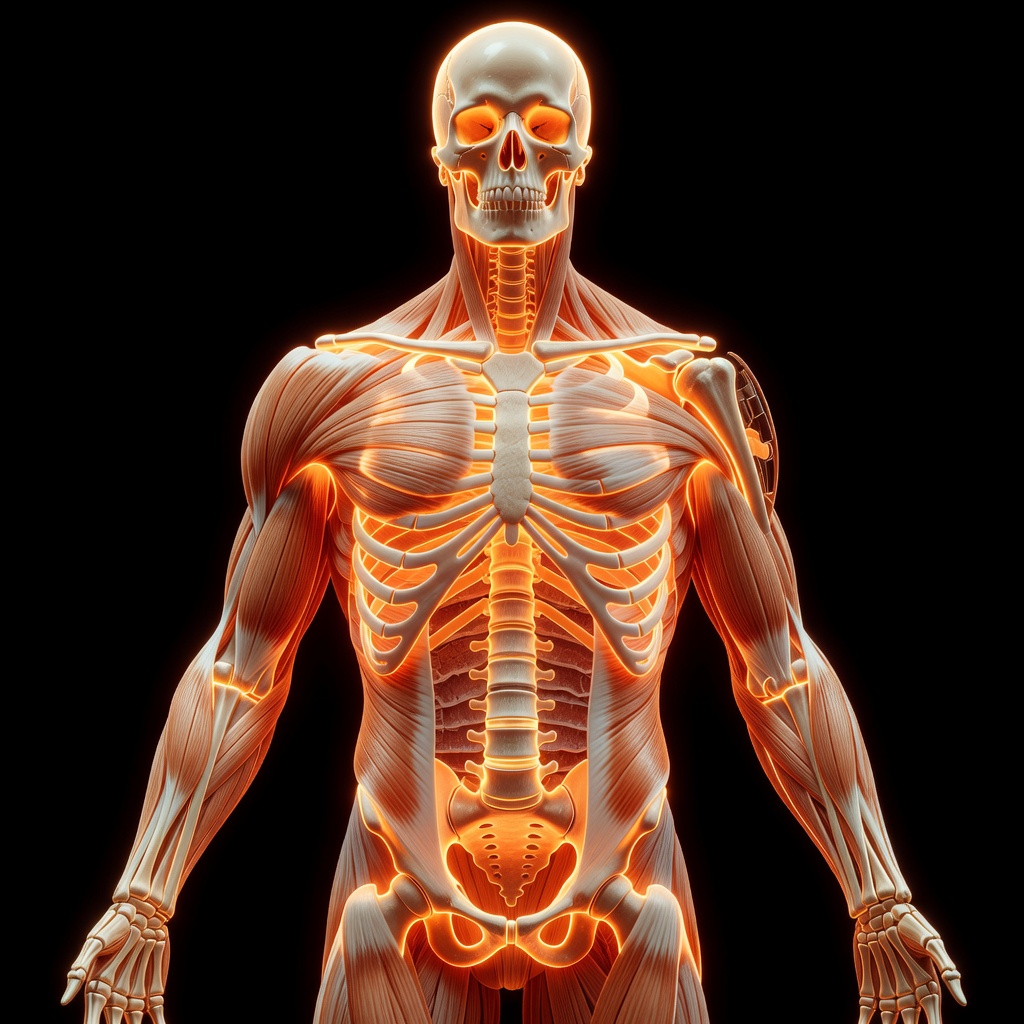
In the clandestine world of microbial survival, the transition from a solitary, free-swimming bacterium to a sophisticated, multicellular fortress—the biofilm—is not merely a change in lifestyle. It is a calculated strategic shift driven by the primal necessity for resources. Among these resources, one element reigns supreme as the primary currency of microbial warfare: Iron.
While conventional medicine often views bacterial infections as a simple presence of "germs," the reality is far more complex. Pathogens are not just invaders; they are expert Nutritional Scavengers. They have evolved intricate mechanisms to hijack the host’s internal supply chains, specifically targeting iron to fuel their growth and, more importantly, to construct the impenetrable architectural wonders we call biofilms. Understanding this "iron-grab" is essential for anyone seeking to innerstand the persistence of chronic disease and the failure of traditional antibiotic treatments.
The Biological Imperative: Why Iron?
Iron is the fundamental catalyst for life. It is an essential cofactor for enzymes involved in DNA synthesis, electron transport, and the neutralisation of reactive oxygen species. For a pathogen, iron is the fuel for its metabolic engine. However, the human body is not a buffet; it is a highly guarded vault.
To prevent bacterial proliferation, the human body employs a strategy known as Nutritional Immunity. We sequester iron within proteins like transferrin in the blood and lactoferrin in mucosal secretions. Under normal physiological conditions, the amount of "free" iron available to a pathogen is vanishingly small—approximately $10^{-18}$ M, which is billions of times lower than what is required for bacterial growth.
The Planktonic-to-Biofilm Transition
When bacteria sense an iron-restricted environment, they don’t simply perish. Instead, they trigger a "survival protocol." Low iron levels often act as a critical signalling cue that tells the bacteria to stop swimming (the planktonic state) and start colonising (the biofilm state). By forming a biofilm, bacteria can pool their resources and create a collective "scavenging network" that is far more effective than any single cell could manage alone.
Key Fact: Biofilms are responsible for over 80% of all microbial infections in humans, and their maturation is directly proportional to their ability to sequester iron from the host's healthy tissues.
Molecular Harpoons: The Mechanism of Siderophores
To overcome the body's iron-locking mechanisms, pathogens deploy molecular "harpoons" known as Siderophores. These are small, high-affinity iron-chelating compounds secreted by bacteria into the extracellular environment.
Siderophore Production
Siderophores possess an affinity for ferric iron ($Fe^{3+}$) that is so strong they can literally "strip" the iron away from human transferrin and lactoferrin. Once the siderophore has captured an iron atom, it returns to the bacterial cell wall, where it is recognised by specific receptors and "reeled in," delivering the precious cargo directly into the pathogen’s interior.
Haem-Acquisition Systems
Beyond siderophores, more aggressive pathogens like Staphylococcus aureus and Pseudomonas aeruginosa have developed the ability to rupture red blood cells (haemolysis) to access haemoglobin. They then use specialized surface proteins to pluck the iron-rich haem group directly out of the host's proteins. This is not just scavenging; it is a coordinated heist of the host’s most vital respiratory resources.
Iron: The "Rebar" of the Biofilm Matrix
The role of iron in biofilms extends far beyond simple nutrition. It is a foundational structural component. A biofilm is held together by an Extracellular Polymeric Substance (EPS)—a "slime" made of proteins, DNA, and polysaccharides.
Research has revealed that iron acts as a chemical cross-linker within this matrix. It binds together strands of extracellular DNA (eDNA) and proteins, providing the mechanical stability required for the biofilm to withstand the sheer forces of blood flow or the flushing mechanisms of the urinary tract.
Biofilm Maturation and Iron
During the maturation phase, the biofilm develops complex water channels to distribute nutrients and remove waste. Iron is essential for the regulation of the genes that control this architectural development. Without sufficient iron, the biofilm remains thin and fragile. With an abundance of iron—often provided by host inflammation or iron-overload states—the biofilm becomes a dense, calcified, and nearly indestructible "super-structure."
"Iron is the rebar in the concrete of the biofilm fortress. Without it, the structure crumbles; with it, the pathogen becomes virtually unreachable by the immune system."
The UK Context: A Growing Crisis in Pathogenic Persistence
In the United Kingdom, the burden of biofilm-mediated chronic infections is a significant strain on the NHS. From non-healing diabetic foot ulcers to catheter-associated urinary tract infections (CAUTIs) and the persistent lung infections seen in Cystic Fibrosis patients, the common thread is the failure of antibiotics to penetrate the iron-stabilised biofilm matrix.
The Antibiotic Resistance Link
The UK Government’s 5-year action plan on Antimicrobial Resistance (AMR) highlights the need for new strategies. Traditional antibiotics are designed to kill metabolically active, planktonic bacteria. However, bacteria within an iron-rich biofilm are often in a semi-dormant state, making them 1,000 times more resistant to conventional treatments.
Furthermore, the iron-rich environment of a biofilm actually promotes horizontal gene transfer. This allows bacteria to swap antibiotic-resistance genes like trading cards, creating "superbugs" within the protective confines of the biofilm.
Environmental Factors: What Feeds the Scavengers?
Several environmental factors can exacerbate iron scavenging and biofilm maturation. Understanding these allows us to move from passive victims to active managers of our biological terrain.
- Chronic Inflammation: When the body is in a state of chronic inflammation, cells often break down prematurely, releasing "labile" or free iron into the surrounding tissues. This inadvertently feeds the very pathogens causing the inflammation.
- Dysbiotic Diet: Diets high in ultra-processed foods and synthetic iron fortificants can lead to an imbalance in the gut microbiome. Pathogenic species are often better at scavenging inorganic iron than beneficial probiotic species.
- Hypoxia: Many biofilms thrive in low-oxygen environments (like the deep tissue of a wound). In these conditions, iron chemistry shifts, making it easier for certain bacteria to utilise $Fe^{2+}$ (ferrous iron), which is more soluble and more readily absorbed by the biofilm.
- Heavy Metal Toxicity: Metals like lead and cadmium can interfere with the body's natural iron-binding proteins, leaving more free iron available for microbial hijacking.
Protective Strategies: Starving the Fortress
If iron is the fuel and the scaffold for pathogenic persistence, then iron regulation must be at the heart of our protective strategies. The goal is not to eliminate iron—which would cause anaemia and systemic failure—but to ensure iron is "properly chaperoned" and unavailable to scavengers.
1. Lactoferrin Supplementation
Lactoferrin is one of the body's most potent innate immune proteins. It has an incredibly high affinity for iron. By supplementing with apolactoferrin (the iron-depleted form), we can "mop up" free iron in the gut and mucosal membranes, effectively starving the biofilm of its structural rebar.
2. The "Trojan Horse" Strategy: Gallium
In the frontiers of biofilm science, Gallium ($Ga^{3+}$) is being studied as a powerful tool. Gallium is chemically similar to iron, but it cannot be used for the metabolic processes that keep bacteria alive. Pathogens "mistakenly" take up Gallium via their siderophores, which then "jams" their metabolic machinery and prevents biofilm maturation.
3. Biofilm Disruption Agents
To address existing biofilms, we must use agents that disrupt the iron-cross-linked EPS matrix. These include:
- Chelating Agents (EDTA): These can strip the iron out of the biofilm walls, making the bacteria vulnerable once again.
- N-Acetyl Cysteine (NAC): Known for its ability to break down mucous and biofilm polymers.
- Specific Enzymes: Proteases and DNases that digest the "glue" holding the biofilm together.
4. Supporting Nutritional Immunity
Optimising our own iron metabolism is crucial. This involves:
- Monitoring Ferritin and Transferrin Saturation levels to avoid "iron overload."
- Ensuring adequate levels of Vitamin A and Copper, which are necessary for the proper loading of iron into transport proteins.
- Addressing gut permeability ("leaky gut") to prevent the systemic translocation of microbial iron-scavengers.
Key Takeaways: Innerstanding the Iron War
The battle against chronic infection is not a war of attrition to be won with more powerful poisons (antibiotics). It is a war of resource management.
- Iron is essential but dangerous: It is the primary limiting factor for microbial growth and the architectural stabiliser of biofilms.
- Siderophores are the enemy's tools: Pathogens use these molecular scavengers to bypass our natural "Nutritional Immunity."
- The Biofilm is a Fortress: Once matured with iron, a biofilm protects bacteria from both the immune system and pharmacological intervention.
- Starvation is a Strategy: By using iron-binding proteins like lactoferrin and disruption agents like EDTA, we can weaken the biofilm’s structural integrity.
- UK Healthcare must evolve: Moving toward "anti-biofilm" protocols is essential for tackling the UK's rising rates of chronic, antibiotic-resistant infections.
To truly heal from persistent conditions, we must look beneath the surface. We must stop simply fighting the "invader" and start dismantling the infrastructure they build. By understanding the role of iron acquisition in biofilm maturation, we gain the power to starve the fortress and reclaim our internal terrain.
"References & Further Reading:"
- The NHS Long Term Plan on Antimicrobial Resistance (AMR).
- Costerton, J.W., et al. "The application of biofilm science to the study and control of chronic bacterial infections."
- Weinberg, E.D. "The role of iron in host-parasite interactions."
- Innerstanding Biofilm Science: A Guide to Pathogenic Persistence.
This article is provided for informational and educational purposes only. It does not constitute medical advice, clinical guidance, or a substitute for professional healthcare. Information reflects cited research at time of publication. Always consult a qualified healthcare professional before acting on any health information.
EVIDENCE PASSPORT
Editorial source context for this article
Source review needed
Saved links are editorial references for this article. They may support specific claims rather than every sentence. Open and assess each source in context. This passport does not independently verify them.
Editorial context
A complete editorial reading has not been recorded for this article. Source links remain available for you to open and assess directly.
Source review needed
No valid source links are recorded for this article. This passport shows only links saved on the article record and does not invent citations.
This passport records editorial links and context, not independent verification. Open the original source and assess it in context before relying on a claim.
Medical Disclaimer
The information in this article is for educational purposes only and does not constitute medical advice, diagnosis, or treatment. Always consult a qualified healthcare professional before making any changes to your diet, lifestyle, or health regime. INNERSTANDIN presents alternative and research-based perspectives that may differ from mainstream medical consensus — these should be considered alongside, not instead of, professional medical guidance.
Read Full DisclaimerContinue the thread
Keep this question moving.
Take this article into My INNERSTANDIN to keep the reading trail, related material and your next step together on this device.