Occludin Phosphorylation Dynamics: A Critical Regulator of Epithelial Barrier Homeostasis
Discuss this resourceUpdated August 2026
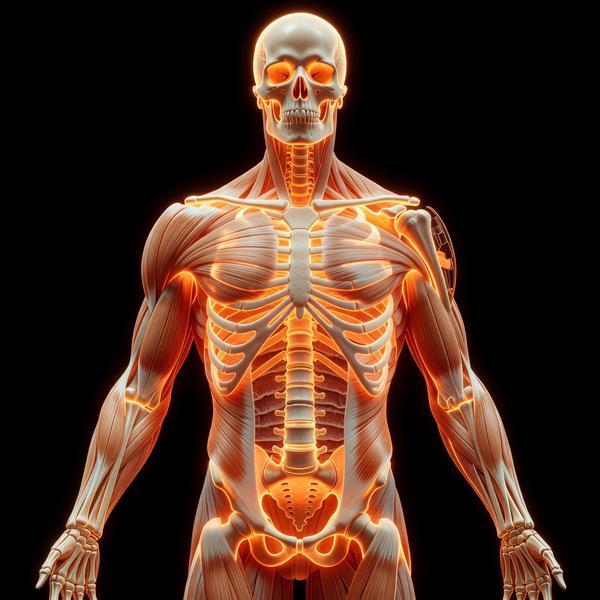
An in-depth exploration of how the phosphorylation states of the tight junction protein occludin modulate epithelial permeability, inflammation, and gut barrier integrity.
Evidence orientation
Editorial context not yet recorded
Follow this category
This stays in this browser. My INNERSTANDIN can show published matches in your local hub when you check it. It does not send email, push, or alert notifications.
Local learning review
A private browser aid for revisiting ideas. It is not an alert or a health recommendation.
Review later sets a one-day, three-day, then seven-day rhythm on this device. Choose it only when you want to revisit this article.
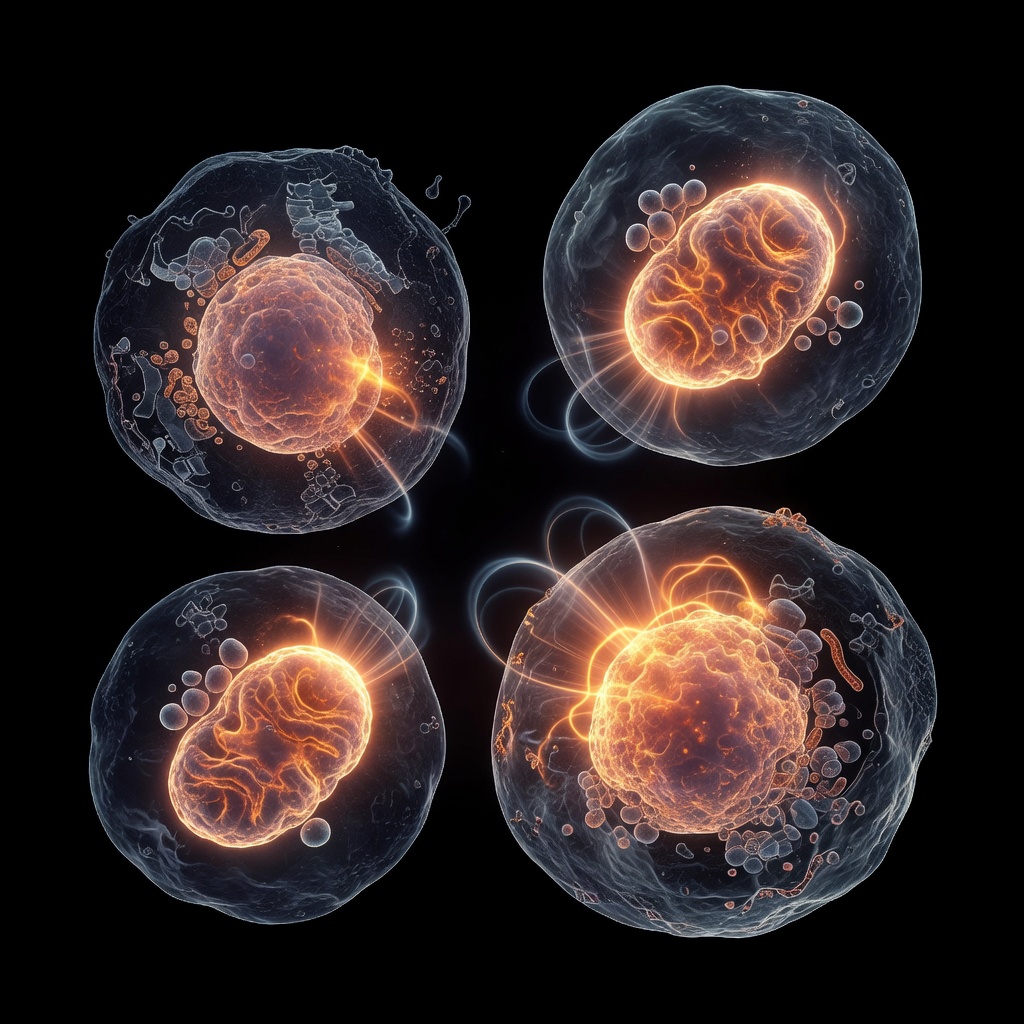
At the foundational level of human physiology lies the epithelial barrier—a tightly regulated gatekeeper that separates our internal milieu from the external environment. Within this complex landscape, Tight Junctions (TJs) serve as the primary seal. Central to their functionality is Occludin, a transmembrane protein whose stability is governed by a sophisticated process: phosphorylation dynamics.
The Molecular Switch: Understanding Phosphorylation
Phosphorylation is the biochemical process of adding a phosphate group to a protein, effectively acting as an "on-off" switch for cellular activity. For Occludin, this mechanism determines whether the barrier remains "tight" or becomes "leaky." When Occludin is highly phosphorylated, it typically maintains a stable association with the scaffolding protein ZO-1, reinforcing the physical seal between cells.
Conversely, dephosphorylation or abnormal hyperphosphorylation often signals a structural breakdown. This shift is frequently triggered by inflammatory cytokines like TNF-alpha or IFN-gamma, which activate kinases such as Protein Kinase C (PKC) or Protein Kinase A (PKA). When these enzymes alter Occludin’s residue state, the protein can internalize into the cell, leading to the formation of pores and the subsequent leakage of endotoxins into the bloodstream—a phenomenon often referred to as 'Leaky Gut.'
Root Cause: Why Homeostasis Fails
In our modern clinical model, we observe that the failure of epithelial homeostasis is rarely a singular event. It is a cascading failure rooted in three primary drivers:
- Chronic Low-Grade Inflammation: Persistent activation of the immune system promotes continuous signaling for Occludin phosphorylation, eventually exhausting the cell's ability to repair the junction.
- Oxidative Stress: Reactive Oxygen Species (ROS) can physically damage the kinases responsible for regulating Occludin, leading to uncoordinated junctional remodeling.
- Dietary Triggers: Specific proteins and processed additives have been shown to modulate the signaling pathways that dictate Occludin's expression and phosphorylation state, directly correlating with systemic inflammatory responses.
Implications for Long-Term Health
Understanding Occludin dynamics shifts our perspective from treating surface-level symptoms to addressing the integrity of the cellular border. When the barrier is compromised, the immune system is in a state of constant 'alert,' leading to systemic inflammation. By focusing on therapeutic interventions—such as modulating kinase activity or supporting epithelial cell metabolism—we can stabilize these junctional proteins. Research into the stabilization of the Occludin-ZO-1 complex offers a promising path for managing conditions ranging from IBD to metabolic endotoxemia.
Conclusion
Occludin is not merely a structural component; it is a dynamic sensor of the cellular environment. By mastering the science of its phosphorylation, we gain the ability to restore resilience where it matters most: at the very interface of health and disease.
This article is provided for informational and educational purposes only. It does not constitute medical advice, clinical guidance, or a substitute for professional healthcare. Information reflects cited research at time of publication. Always consult a qualified healthcare professional before acting on any health information.
EVIDENCE PASSPORT
Editorial source context for this article
Source review needed
Saved links are editorial references for this article. They may support specific claims rather than every sentence. Open and assess each source in context. This passport does not independently verify them.
Editorial context
A complete editorial reading has not been recorded for this article, and no source links are saved on its record.
Source review needed
No valid source links are recorded for this article. Supplementary research, where available, is listed separately below.
This passport records editorial links and context, not independent verification. Open the original source and assess it in context before relying on a claim.
Medical Disclaimer
The information in this article is for educational purposes only and does not constitute medical advice, diagnosis, or treatment. Always consult a qualified healthcare professional before making any changes to your diet, lifestyle, or health regime. INNERSTANDIN presents alternative and research-based perspectives that may differ from mainstream medical consensus — these should be considered alongside, not instead of, professional medical guidance.
Read Full DisclaimerContinue the thread
Keep this question moving.
Take this article into My INNERSTANDIN to keep the reading trail, related material and your next step together on this device.
RABBIT HOLE
Follow the biological thread deeper