
Omega-3 DHA: The Structural Foundation of the Photoreceptor Membrane
Updated May 2026
Docosahexaenoic acid is essential for the fluidity and function of retinal discs where light conversion occurs. A deficiency in this long-chain fatty acid compromises visual signaling and structural integrity over time.
Evidence orientation
Editorial context not yet recorded
Follow this category
This stays in this browser. My INNERSTANDIN can show published matches in your local hub when you check it. It does not send email, push, or alert notifications.
Local learning review
A private browser aid for revisiting ideas. It is not an alert or a health recommendation.
Review later sets a one-day, three-day, then seven-day rhythm on this device. Choose it only when you want to revisit this article.
Overview
In the hierarchy of human biological requirements, few molecules occupy a position as vital, yet as frequently misunderstood, as Docosahexaenoic acid (DHA). While the mainstream health narrative often relegates Omega-3 fatty acids to the broad category of "heart health" or "general wellness," the reality is far more specific and profound. DHA is not merely a nutrient; it is a structural prerequisite for the complex architecture of the human nervous system, with its highest concentrations found in the most metabolically active tissue in the body: the retina.
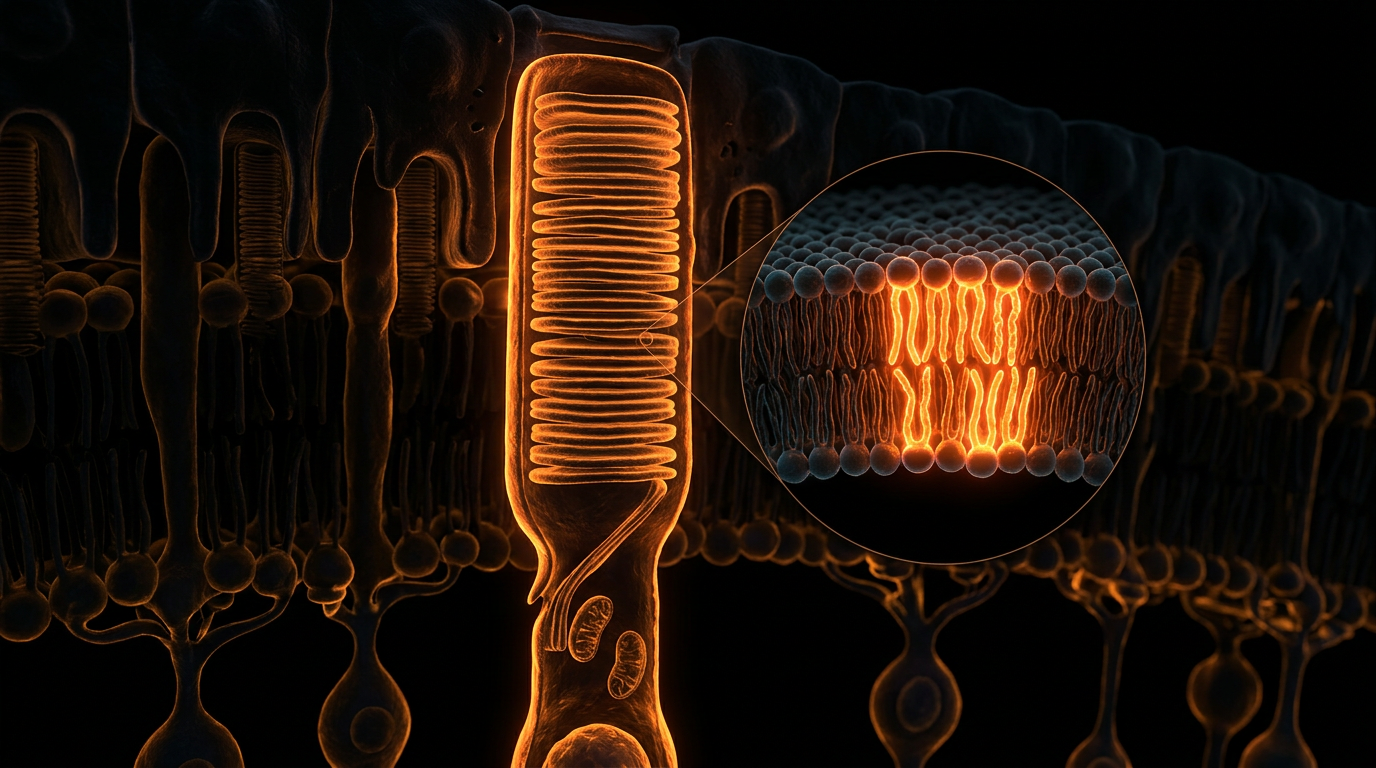
The human eye is an evolutionary marvel, an extension of the brain designed to capture photons and translate them into a coherent electrochemical language. At the heart of this process are the photoreceptor cells—rods and cones—which house millions of "discs" that facilitate light conversion. These discs are composed of membranes that are more fluid, more dynamic, and more chemically complex than almost any other membrane in biology. This fluidity is provided almost exclusively by DHA.
As a senior researcher for INNERSTANDING, it is my duty to highlight that we are currently facing a silent epidemic of "structural starvation." Modern industrialised diets, coupled with unprecedented levels of artificial light exposure, have created a biological mismatch. We are depleting the very structural foundations of our vision while simultaneously bombarding our eyes with high-energy visible (HEV) light. This article serves as a comprehensive investigation into the role of DHA as the structural bedrock of the photoreceptor membrane, the mechanisms by which it is compromised, and the urgent protocols required to restore visual integrity in a digital age.
Callout Fact 1: The human retina contains the highest concentration of DHA in the entire body; in the outer segments of photoreceptors, DHA can account for upwards of 50% to 60% of the total fatty acid content in the phospholipid bilayer.
The Biology — How It Works
To understand why DHA is indispensable, we must first look at the unique anatomy of the photoreceptor cell. Rods (responsible for low-light vision) and cones (responsible for colour and high-acuity vision) possess an Outer Segment (OS). This outer segment is a stack of several hundred to a thousand flattened membranous discs.
The Membrane Architecture
These discs are the "solar panels" of the body. Embedded within these membranes are light-sensitive proteins called Opsins (rhodopsin in rods). For vision to occur, a photon must strike the rhodopsin molecule, triggering a conformational change—a physical "snap"—that begins the visual cycle.
However, this protein cannot change shape in a rigid environment. If the membrane surrounding the rhodopsin is stiff or viscous, the protein's movement is sluggish, and the signal to the brain is delayed or weakened. DHA is the primary agent of fluidity. Because of its unique chemical structure—22 carbons and six cis-double bonds—DHA molecules do not pack tightly together. Instead, they create a highly flexible, almost liquid-like environment.
The Physics of DHA
The presence of six double bonds creates a "kinked" molecular shape. In the world of lipid biochemistry, saturation leads to rigidity (think of butter at room temperature), while polyunsaturation leads to fluidity (think of high-quality oil). DHA provides the maximum degree of fluidity biologically possible. This allow the rhodopsin molecules to rotate, diffuse, and change shape within the membrane at speeds measured in picoseconds.
Disc Turnover: A High-Stakes Cycle
The photoreceptor membrane is subject to extreme metabolic stress. Every day, the tips of the photoreceptor outer segments are shed and "eaten" by the underlying Retinal Pigment Epithelium (RPE). New discs are continuously synthesised at the base. This means the eye has an incredibly high demand for a constant supply of DHA to build new "solar panels" every single morning. If the supply of DHA is insufficient, the body is forced to use inferior fats (like DPA or even Omega-6 DPA), which alters the refractive index and the signalling speed of the eye.
Mechanisms at the Cellular Level
The role of DHA extends far beyond being a simple structural "brick." it is a dynamic participant in the G-protein coupled receptor (GPCR) signalling pathway.
1. Rhodopsin Activation and the Visual Cascade
When light hits the retina, rhodopsin transitions to Metarhodopsin II. This activation requires the membrane to expand slightly. DHA-rich phospholipids provide the low-elastic-modulus environment that permits this expansion. Studies have shown that a lack of DHA reduces the efficiency of the Transducin activation—the next step in the signal cascade—by nearly 50%. This manifests as decreased contrast sensitivity and poorer night vision.
2. The Preservation of the RPE
The Retinal Pigment Epithelium (RPE) is the "janitorial service" for our photoreceptors. It recycles DHA and protects the eye from oxidative damage. DHA is the precursor to a potent anti-inflammatory molecule called Neuroprotectin D1 (NPD1). When the retina is stressed by light or inflammation, the RPE converts DHA into NPD1 to prevent cell death (apoptosis). Without sufficient DHA, this "fire suppression system" fails, leading to the gradual death of the RPE cells—the hallmark of degenerative eye disease.
3. Mitochondrial Function in the Retina
The retina is the most oxygen-consuming tissue in the body. The mitochondria within the inner segments of the photoreceptors must produce staggering amounts of ATP to power the sodium-potassium pumps that reset the electrical charge after every flash of light. DHA is found in Cardiolipin, a unique phospholipid in the inner mitochondrial membrane. Here, DHA ensures the efficient flow of electrons. A DHA-deficient retina is an energy-starved retina.
Callout Fact 2: Docosahexaenoic acid possesses six cis-double bonds, a configuration that allows it to undergo rapid conformational changes, effectively acting as a "flexible spring" that supports the high-speed movements of visual proteins.
Environmental Threats and Biological Disruptors
In the modern world, the structural integrity of our photoreceptor membranes is under constant assault. Two primary factors are responsible for the degradation of retinal DHA: The Blue Light Spike and The Omega-6 Inversion.
The Blue Light Menace
Natural sunlight provides a balanced spectrum of light, including large amounts of "healing" near-infrared (NIR) and red light. In contrast, modern LED screens and fluorescent bulbs emit a sharp, concentrated spike in the 450nm blue light range.
This high-energy visible light penetrates deep into the eye, where it interacts with oxygen to create Singlet Oxygen and other reactive oxygen species (ROS). Because DHA is highly unsaturated (having many double bonds), it is extremely susceptible to Lipid Peroxidation. Effectively, blue light "rusts" the fats in our eyes. When DHA is oxidised, it loses its fluidity and transforms into toxic byproducts like 4-hydroxynonenal (4-HNE), which damage the proteins in the eye.
The Omega-6/Omega-3 Imbalance
The human genome evolved on a diet with a roughly 1:1 or 2:1 ratio of Omega-6 to Omega-3 fatty acids. Today, the average UK diet features a ratio closer to 15:1 or even 20:1, largely due to the ubiquitous use of refined seed oils (sunflower, rapeseed, corn, and soy oils).
Omega-6 and Omega-3 fatty acids compete for the same enzymes (elongases and desaturases). When the system is flooded with Omega-6 (Linoleic Acid), the body cannot efficiently convert short-chain Omega-3s (like ALA from flax) into the long-chain DHA needed by the eye. Furthermore, Omega-6 fats can displace DHA in the retinal membranes. These Omega-6 substituted membranes are more "stiff" and far more prone to inflammation, creating a fragile structural foundation for vision.
Electromagnetic Fields (EMFs) and Membrane Potential
Emerging research suggests that the lipid bilayers of the retina, which act as capacitors for electrical charge, may be influenced by external EMFs from mobile devices and Wi-Fi. DHA, with its cloud of pi-electrons from its many double bonds, may play a role in the quantum conduction of electrons in the retina. Disruption of this electronic environment by non-native EMFs potentially accelerates the depletion of retinal DHA by increasing metabolic stress.
The Cascade: From Exposure to Disease
What happens when the "structural foundation" of the eye begins to crumble? The transition from sub-clinical deficiency to overt pathology follows a predictable cascade.
Stage 1: Functional Decline (Computer Vision Syndrome)
The earliest signs are often dismissed as "tired eyes." This includes eye strain, difficulty refocusing between near and far objects, and "Dry Eye Syndrome." In the case of dry eye, DHA is essential for the production of the lipid layer of the tear film. Without it, tears evaporate too quickly, leaving the cornea exposed and irritated.
Stage 2: Accumulation of Lipofuscin and Drusen
As DHA is oxidised by blue light and not recycled properly by the RPE, metabolic "sludge" begins to accumulate. This sludge, known as Lipofuscin, is a fluorescent yellow-brown pigment consisting of leftover bits of oxidised fats and proteins. When this waste builds up under the RPE, it forms "Drusen"—the clinical precursor to Age-Related Macular Degeneration (AMD).
Stage 3: The Path to Degeneration
- Dry AMD: This occurs when the RPE cells, choked by oxidised fats and lacking the protective effects of NPD1, begin to atrophy and die. The photoreceptors above them, losing their "life support," subsequently perish.
- Wet AMD: In a desperate attempt to bring nutrients and oxygen to the starving, congested retina, the body grows new, leaky blood vessels. These vessels bleed, causing rapid and devastating vision loss.
- Diabetic Retinopathy: High blood sugar accelerates the glycation of proteins, but in the presence of DHA deficiency, the vascular lining of the retina becomes even more brittle and prone to rupture.
Callout Fact 3: The "visual cycle"—the regeneration of light-sensitive pigments—is significantly slowed in DHA-deficient states, leading to a measurable increase in "dark adaptation time," or the time it takes for eyes to adjust to a dim room.
What the Mainstream Narrative Omits
The conventional approach to eye health is largely reactive and symptomatic. If your vision is blurry, you are prescribed stronger lenses. If you have advanced AMD, you may receive painful injections into the eyeball to stop blood vessel growth. Rarely is the patient asked: "What is the structural integrity of your photoreceptor membranes?"
The Myth of "ALA is Enough"
Many mainstream nutritional guidelines suggest that we can get all our Omega-3 needs from plant sources like flaxseed or chia. This is a dangerous biological fallacy. The conversion rate of Alpha-Linolenic Acid (ALA) to DHA in the human liver is estimated to be less than 1% to 5% in most individuals. The eye requires "pre-formed" DHA. By suggesting plant sources are sufficient, the narrative ignores the unique structural requirements of the retina.
The Ignored Role of Infrared Light
We are told to "protect" our eyes from the sun with dark sunglasses, yet we spend all day under artificial blue light. The mainstream narrative omits the fact that near-infrared light (found in natural sunlight) actually stimulates the repair of the retina and may mitigate the oxidative damage to DHA. By wearing sunglasses constantly, we block the very frequencies that would help us process the DHA we consume.
The Pharmaceutical Focus
The "Dry Eye" market is dominated by lubricating drops that provide temporary relief but do nothing to address the underlying fatty acid deficiency in the Meibomian glands. There is far more profit in a lifetime of eye drops and anti-VEGF injections than there is in educating the public on the structural necessity of high-dose DHA and the avoidance of industrial seed oils.
The UK Context
In the United Kingdom, the situation is particularly acute due to a combination of geography, diet, and modern lifestyle habits.
The "British Diet" and Omega Imbalance
While the UK has a tradition of "Fish and Chips," the fish is often fried in highly oxidised vegetable oils (Omega-6), which effectively cancels out any benefit of the fish's Omega-3 content. Furthermore, the consumption of oily fish like mackerel, sardines, and herring—the richest sources of DHA—has plummeted in favour of processed "convenience" foods.
The Vitamin D / DHA Synergy
The UK's northern latitude means that for much of the year, the population is deficient in Vitamin D. What is less known is the synergy between Vitamin D and DHA. Vitamin D helps regulate the enzymes that utilise Omega-3s. A population that is both Vitamin D-deficient and DHA-starved is a population at extreme risk for retinal degeneration.
The "Digital Britain" Initiative
With the UK being one of the most digitally connected nations, the average Briton spends upwards of 6 to 9 hours a day staring at LED screens. The "Screen Time" culture in UK schools and workplaces, combined with the lack of natural sunlight (due to both weather and indoor lifestyles), has created a "perfect storm" for the destruction of retinal DHA.
Callout Fact 4: A study of UK adults found that those with the highest intake of oily fish had a 50-70% lower risk of developing Neovascular (Wet) AMD compared to those who consumed it less than once a week.
Protective Measures and Recovery Protocols
Protecting the structural foundation of your eyes requires a two-pronged approach: Increasing the supply of DHA and Decreasing the environmental stressors that deplete it.
1. Sourcing Pre-formed DHA
The most bioavailable form of DHA for the retina is found in Phospholipid form, similar to how it exists in the eye.
- Oily Fish: Wild-caught sardines, mackerel, anchovies, and herring. Aim for at least 3-4 servings per week.
- Algal Oil: A pure, vegan source of DHA that bypasses the risk of heavy metals found in some fish. This is the "primary producer" source.
- Cod Liver Oil: Provides DHA along with naturally occurring Vitamin A, which is essential for the visual cycle (the "11-cis-retinal" molecule).
2. Eliminating the "DHA Thieves"
You cannot out-supplement a bad diet. To allow DHA to integrate into the retinal membranes, you must reduce the competition.
- Purge Seed Oils: Eliminate sunflower, safflower, rapeseed (canola), corn, and soybean oils. Replace them with stable fats like butter, ghee, tallow, or coconut oil for cooking, and olive oil for cold use.
- Reduce Refined Sugars: High blood sugar causes "glycation," which makes the DHA in your membranes more likely to oxidise.
3. Light Hygiene
Protect the DHA you have by managing your "Light Environment."
- Blue-Blocking Software and Glasses: Use tools like Iris or f.lux on all devices. Wear high-quality "blue blockers" (orange-tinted) after sunset to prevent DHA oxidation and melatonin suppression.
- Morning Sunlight: Expose your eyes (without glasses or contacts) to the early morning sun. The red/infrared light present at dawn prepares the retina for the day's blue light stress and boosts mitochondrial function.
- Low-EMF Environments: Turn off Wi-Fi routers at night and keep mobile devices away from the face to reduce the potential for non-thermal membrane disruption.
4. Photobiomodulation (Red Light Therapy)
Specific wavelengths of red (670nm) light have been shown to "recharge" the mitochondria in the retina. Just a few minutes of exposure to deep red light in the morning can significantly improve the RPE's ability to recycle DHA and clear out lipofuscin.
Callout Fact 5: Research indicates that the retina's DHA levels can be partially restored through high-dose supplementation, but the process is slow; it can take several months of consistent intake to change the fatty acid composition of the photoreceptor membranes.
Summary: Key Takeaways
The integrity of your vision is not a matter of "luck" or "age"; it is a matter of structural biology.
- DHA is the Foundation: DHA provides the necessary fluidity for the light-conversion proteins in your eyes to function at the speed of thought.
- Fluidity is Function: Without DHA, the retinal membranes become rigid, signalling slows down, and the visual cycle grinds to a halt.
- The Modern Threat: Artificial blue light from LEDs "burns" the DHA in our retinas, while industrial seed oils prevent the body from repairing the damage.
- The RPE is the Key: Your "retinal janitors" (RPE cells) require DHA to produce protective molecules (NPD1) that prevent permanent blindness.
- Action is Required: To save your sight, you must actively supplement with pre-formed DHA, eliminate competing Omega-6 fats, and embrace the healing power of natural sunlight while shunning the toxicity of artificial "blue" environments.
At INNERSTANDING, we believe that true health education is about looking beneath the surface. Vision is more than just "seeing"—it is the result of a complex, lipid-based quantum dance that happens millions of times a second. By protecting the DHA foundation of your photoreceptor membranes, you are not just preserving your sight; you are safeguarding one of the most sophisticated pieces of biological engineering in the known universe.
Author’s Note: The information provided in this article is for educational purposes and should not be taken as medical advice. Consult with a qualified health professional before beginning any new supplementation protocol, especially if you have existing eye conditions.
This article is provided for informational and educational purposes only. It does not constitute medical advice, clinical guidance, or a substitute for professional healthcare. Information reflects cited research at time of publication. Always consult a qualified healthcare professional before acting on any health information.
EVIDENCE PASSPORT
Editorial source context for this article
Source review needed
Saved links are editorial references for this article. They may support specific claims rather than every sentence. Open and assess each source in context. This passport does not independently verify them.
Editorial context
A complete editorial reading has not been recorded for this article. Source links remain available for you to open and assess directly.
Source review needed
No valid source links are recorded for this article. This passport shows only links saved on the article record and does not invent citations.
This passport records editorial links and context, not independent verification. Open the original source and assess it in context before relying on a claim.
Medical Disclaimer
The information in this article is for educational purposes only and does not constitute medical advice, diagnosis, or treatment. Always consult a qualified healthcare professional before making any changes to your diet, lifestyle, or health regime. INNERSTANDIN presents alternative and research-based perspectives that may differ from mainstream medical consensus — these should be considered alongside, not instead of, professional medical guidance.
Read Full DisclaimerContinue the thread
Keep this question moving.
Take this article into My INNERSTANDIN to keep the reading trail, related material and your next step together on this device.