
Organophosphate Exposure: Neurological Impact in UK Farming
Updated May 2026
Organophosphates used in sheep dips and crops interfere with the body's ability to clear neurotoxic compounds. This article highlights the biological cost paid by the UK'S agricultural community.
Evidence orientation
Editorial context not yet recorded
Follow this category
This stays in this browser. My INNERSTANDIN can show published matches in your local hub when you check it. It does not send email, push, or alert notifications.
Local learning review
A private browser aid for revisiting ideas. It is not an alert or a health recommendation.
Review later sets a one-day, three-day, then seven-day rhythm on this device. Choose it only when you want to revisit this article.
Overview
The rolling hills of the British countryside, from the rugged highlands of Scotland to the verdant pastures of Devon, are often romanticised as the pinnacle of pastoral purity. Yet, beneath this idyllic veneer lies a dark chemical legacy that has decimated the health of generations of agricultural workers. For decades, the UK farming industry was the testing ground for some of the most neurotoxic substances ever devised by man: Organophosphates (OPs).
Originally developed as nerve agents (G-series gases like Sarin and V-series like VX) during the mid-20th century, these compounds were repurposed for civilian use as potent insecticides. In the United Kingdom, their application reached a zenith during the compulsory sheep dipping mandates of the 1970s, 80s, and early 90s. Farmers were legally required to submerge their livestock in organophosphate-laden baths to eradicate the sheep scab mite (Psoroptes ovis). The cost of this "biosecurity" was not merely financial; it was biological.
Organophosphates represent a class of chemicals designed specifically to disrupt the nervous system. While the mainstream narrative often frames these compounds as "biodegradable" alternatives to persistent organic pollutants like DDT, this classification is dangerously deceptive. While they may break down faster in the soil, their impact on the human biological terrain is profound, cumulative, and frequently irreversible.
This article serves as a comprehensive forensic examination of the organophosphate crisis in UK farming. We will explore the intricate biotransformation pathways that determine a farmer's fate, the cellular mechanisms that lead to neurodegeneration, and the institutional failures that allowed a public health catastrophe to be rebranded as "individual sensitivity." As a senior researcher for INNERSTANDING, I aim to peel back the layers of corporate-sponsored science to reveal the underlying molecular reality of what has been colloquially—and tragically—termed "Sheep Dip Flu."
Fact: Between 1976 and 1992, the UK government mandated the use of organophosphate sheep dips twice a year, often providing no specific safety equipment or warnings regarding long-term neurological damage.
The Biology — How It Works
To understand the impact of organophosphates, one must understand the fundamental architecture of the human nervous system. Our thoughts, movements, and autonomic functions rely on the precise transmission of electrical signals across gaps between neurons, known as synapses. This transmission is mediated by chemical messengers called neurotransmitters.
The Acetylcholine Cycle
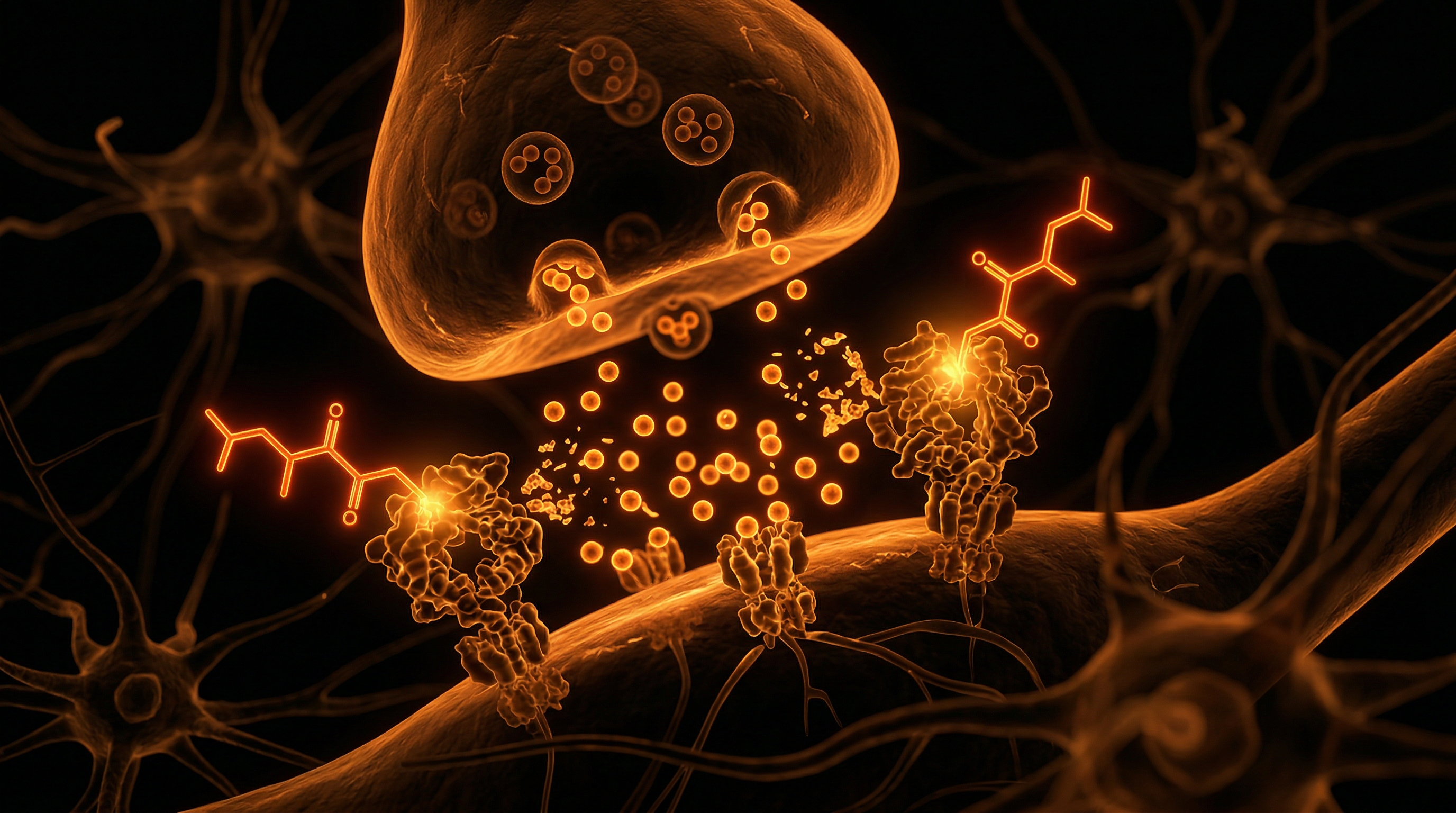
The primary target of organophosphates is the cholinergic system. Within this system, Acetylcholine (ACh) acts as the primary excitatory neurotransmitter. When a nerve impulse reaches the end of a neuron, ACh is released into the synaptic cleft, where it binds to receptors on the receiving cell, triggering a response—whether it is a muscle contraction or a cognitive process.
In a healthy system, this signal must be terminated almost instantaneously to prevent over-stimulation. This is the role of the enzyme Acetylcholinesterase (AChE). AChE is one of the fastest-acting enzymes in the human body; its sole job is to hydrolyse (break down) acetylcholine into acetic acid and choline, effectively resetting the synapse for the next signal.
The Mechanism of Inhibition
Organophosphates are "suicide inhibitors." They possess a phosphorus atom that mimics the transition state of the acetylcholine molecule. When an OP molecule enters the active site of the AChE enzyme, it forms a stable, covalent bond with the serine residue at the enzyme's catalytic centre. Unlike the natural substrate (ACh), which is cleaved and released in microseconds, the OP remains bound.
This process is known as phosphorylation. Once the enzyme is phosphorylated, it is rendered inactive. It can no longer clear acetylcholine from the synapse. The result is a toxic accumulation of ACh, leading to a state of permanent "on" for the nervous system.
- Acute Impact: In high-dose scenarios, this leads to a "cholinergic crisis," characterised by salivation, lacrimation, urination, defecation, gastric distress, and emesis (SLUDGE syndrome), eventually progressing to respiratory failure and death.
- Chronic Impact: In the context of UK farming, exposure was often "sub-acute" but repeated. This leads to the gradual depletion of available AChE and a persistent state of low-level neurotoxicity that the body struggles to resolve.
The "Aging" Process
One of the most insidious features of OP biology is a process called "aging." After the initial bond is formed between the OP and the enzyme, a chemical rearrangement occurs where the OP loses an alkyl group. Once an OP-AChE complex has "aged," the bond becomes virtually unbreakable. At this point, even medical interventions like oximes (pralidoxime), which are designed to kick the OP off the enzyme, become useless. The body must then wait for the slow synthesis of entirely new enzymes—a process that can take weeks or months, during which the nervous system remains in a state of chemical siege.
Mechanisms at the Cellular Level
Beyond the well-documented inhibition of AChE, organophosphates wreak havoc deep within the cellular machinery. Recent research indicates that the "cholinergic" focus of mainstream toxicology only scratches the surface of the damage.
Mitochondrial Dysfunction and Oxidative Stress
The mitochondria are the powerhouses of the cell, responsible for producing Adenosine Triphosphate (ATP). Organophosphates act as potent mitochondrial poisons. They interfere with the Electron Transport Chain (ETC), specifically inhibiting Complex I and Complex IV. When these complexes are disrupted, the flow of electrons is "leaky," leading to the overproduction of Reactive Oxygen Species (ROS) or free radicals.
- Lipid Peroxidation: ROS attack the polyunsaturated fatty acids in cell membranes, particularly in the brain, which is highly enriched in lipids. This creates a chain reaction of membrane destruction.
- Glutathione Depletion: To combat this oxidative stress, the body uses its master antioxidant, Glutathione. Chronic OP exposure rapidly depletes glutathione levels, leaving the cell defenceless against further chemical insults and heavy metal accumulation.
Biotransformation and the PON1 Enzyme
The human body has a primary defence mechanism against OPs: an enzyme produced in the liver called Paraoxonase 1 (PON1). This enzyme circulates in the blood associated with High-Density Lipoprotein (HDL) and its primary role is to hydrolyse the toxic oxon metabolites of organophosphates.
However, there is a massive genetic variability in PON1 levels within the human population.
- The PON1 Polymorphism: Some individuals carry a genetic variant that produces high levels of efficient PON1, while others produce very little.
- The "Sitting Duck" Scenario: Research into the UK farming community has revealed that many of the most severely affected "OP survivors" possess the low-activity PON1 phenotype. For these individuals, a dose of sheep dip that might only cause a headache in one farmer could cause permanent neurological collapse in another.
Important Callout: The UK regulatory framework for decades assumed a "standard man" model of toxicity, completely ignoring the genetic reality that up to 25% of the population possesses a PON1 status that makes them ultra-vulnerable to organophosphate exposure.
DNA Damage and Epigenetic Alterations
Long-term exposure to OPs has been linked to DNA strand breaks and alterations in DNA methylation patterns. This means the damage is not just structural but instructional. OPs can effectively "turn off" genes responsible for neuroprotection and "turn on" genes that promote systemic inflammation. This epigenetic "scaring" may explain why symptoms often persist and even worsen decades after the farmer has ceased using the chemicals.
Environmental Threats and Biological Disruptors
While organophosphates are the primary culprit in the UK farming crisis, they do not act in a vacuum. The modern agricultural environment is a "toxic soup" of synergistic compounds that amplify the neurotoxicity of OPs.
The "Cocktail Effect"
Farmers are rarely exposed to just one chemical. On a typical UK arable farm, a worker might handle OPs alongside:
- Glyphosate: While not an OP in the traditional sense, glyphosate can disrupt the gut microbiome and inhibit the Cytochrome P450 (CYP) enzymes in the liver. Since CYP enzymes are required for the initial metabolism of many pesticides, glyphosate exposure can "clog" the liver's detox pathways, making a subsequent OP exposure far more lethal.
- Pyrethroids: Often used in conjunction with OPs in sheep dips. Pyrethroids affect the sodium channels in nerve cells. When combined with the AChE-inhibiting effects of OPs, the resulting neurotoxicity is not merely additive, but synergistic.
- Heavy Metals: Many older pesticide formulations contained arsenic or mercury. Even today, the presence of lead or cadmium in the soil can exacerbate the oxidative stress triggered by OPs.
The Myth of "Inert" Ingredients
In the UK, pesticide manufacturers are required to list the active ingredient (e.g., Diazinon), but they are often permitted to keep the "formulants" or "adjuvants" secret as proprietary information. These "inert" ingredients are anything but.
- Surfactants: Chemicals like polyethoxylated tallow amine (POEA) are added to help the pesticide penetrate the waxy surface of a leaf or the wool of a sheep. Crucially, these same chemicals make it significantly easier for the pesticide to penetrate human skin and the Blood-Brain Barrier (BBB).
- Solvents: Many OPs are dissolved in petroleum-based solvents like xylene or toluene, which are neurotoxic in their own right and enhance the absorption of the phosphorus esters.
Bioaccumulation in the Food Chain
Though OPs are marketed as non-persistent, they can accumulate in the fatty tissues of livestock. For the UK consumer, this means low-level, chronic exposure via dairy and meat products. For the farmer, the exposure is orders of magnitude higher, occurring via inhalation of vapours during dipping, dermal absorption through saturated clothing, and accidental ingestion.
The Cascade: From Exposure to Disease
The progression of OP-induced illness is rarely a straight line. It is a slow-motion cascade where one system's failure triggers the next. In the UK, this has been observed as a distinct clinical progression.
Phase 1: The "Sheep Dip Flu"
Immediately following the dipping season, farmers would report a cluster of symptoms: profound fatigue, intense headaches, nausea, muscle tremors, and "brain fog." At the time, GPs often dismissed this as "overwork" or a common viral infection. In reality, it was a sub-acute cholinergic crisis—the body's first warning sign that its AChE levels were dangerously depleted.
Phase 2: Organophosphate-Induced Delayed Neuropathy (OPIDN)
Weeks or months after exposure, some individuals develop OPIDN. This is not caused by AChE inhibition but by the inhibition of another enzyme called Neuropathy Target Esterase (NTE).
- Symptoms: Tingling in the extremities (paresthesia), followed by progressive muscle weakness and, in severe cases, paralysis.
- Pathology: It involves the "dying back" of the long axons in the spinal cord and peripheral nerves. Once the axon dies, the muscle it innervates withers.
Phase 3: Chronic Neuropsychiatric Toxicity (COPNT)
This is the most common manifestation among UK farmers. COPNT is a permanent state of neurological impairment.
- Cognitive Decline: Problems with short-term memory, concentration, and information processing (often described as "early-onset dementia").
- Mood Disorders: Severe depression, anxiety, and a characteristic irritability known as "OP rage."
- Sleep Disturbances: Chronic insomnia or disrupted REM sleep.
Phase 4: The Parkinson’s Link
Perhaps the most terrifying link is between chronic OP exposure and Parkinson's Disease. Organophosphates contribute to the misfolding of alpha-synuclein proteins, which form toxic clumps called Lewy bodies in the brain. They also specifically target the dopaminergic neurons in the substantia nigra.
Statistic: Meta-analyses of occupational pesticide exposure studies show that individuals regularly exposed to organophosphates have a 60-80% increased risk of developing Parkinson's Disease compared to the general population.
What the Mainstream Narrative Omits
The story of organophosphates in the UK is not just a story of biology; it is a story of institutional gaslighting. For decades, a "triangle of silence" between the chemical industry, the government, and regulatory bodies kept the truth from the farming community.
The "Safe Use" Fallacy
The UK government’s defence has always rested on the idea that OPs are "safe if used according to the label." This ignores the reality of farm life. In the 1980s, farmers were often dipping thousands of sheep in open-air pens. The "labels" often failed to specify the need for full-body respirators or chemical-impermeable suits. When farmers fell ill, the blame was shifted onto them for "improper handling," rather than the inherent toxicity of the substance.
Suppressed Data and the HSE
The Health and Safety Executive (HSE) and the Ministry of Agriculture (now DEFRA) have been accused of suppressing internal reports that showed high levels of OPs in the blood of farmers. For years, the official line was that OPs leave the system within 48 hours and therefore cannot cause long-term damage. This "acute-only" model of toxicology deliberately ignored the "aged" enzyme bonds and the downstream mitochondrial damage that persists long after the chemical itself has been excreted.
The Influence of the "Green Revolution"
Post-WWII, the push for agricultural intensification meant that any questioning of pesticide safety was seen as a threat to national food security. This created a culture where scientists who raised concerns were de-funded or silenced, and chemical companies were allowed to conduct their own safety trials—a clear conflict of interest that continues to this day with modern pesticides.
The Aerotoxic Parallel
Interestingly, the same OPs used in sheep dips (specifically Tricresyl Phosphate or TCP) are used as anti-wear additives in jet engine oil. "Aerotoxic Syndrome" in pilots and cabin crew mirrors the "Sheep Dip Flu" of farmers. The refusal of the aviation industry to acknowledge this link is a mirror image of the agricultural industry's denial. Both rely on the same chemical, the same mechanism of injury, and the same strategy of corporate denial.
The UK Context
The UK’s experience with organophosphates is unique due to the Compulsory Dipping Orders. Unlike other countries where pesticide use was a choice, British farmers were forced by law to use these specific chemicals.
The 1976-1992 Mandate
During this window, the UK government mandated dipping to eradicate sheep scab. Farmers who refused were threatened with heavy fines or imprisonment. This created a situation of "state-sponsored poisoning." Many farmers remember the "yellow clouds" of dip floating in the air and the "oily film" on their skin that wouldn't wash off.
The OP Survivors Group
The British agricultural community did not take this lying down. The OP Survivors Group and various "Sheep Dip Victims" organisations have fought for decades for legal recognition. While some small out-of-court settlements have been reached, the UK government has never formally apologised or established a comprehensive compensation fund, citing "lack of conclusive evidence"—a claim that flies in the face of modern independent neurology.
The Suicide Crisis in Farming
The psychological impact of OPs in the UK context cannot be overstated. The UK farming community has one of the highest suicide rates of any profession. While financial pressure is a factor, the neurobiological impact of OPs—specifically the depletion of serotonin and the disruption of the HPA axis (the body's stress response)—creates a biological "priming" for despair. Many "OP rages" and sudden suicides in the 90s were the direct result of a chemically altered brain.
- Geographic Clusters: High concentrations of neurological illness have been noted in sheep-heavy regions like North Wales, the Lake District, and the South West. These are the "silent valleys" where the chemical legacy is most visible.
Protective Measures and Recovery Protocols
For those already exposed, or those still working in the agricultural sector, the focus must shift from prevention to mitigation and biotransformation support. We must help the body clear the metabolic "sludge" and repair the cellular damage.
1. Genetic Profiling
The first step is understanding susceptibility. Every farmer should ideally have a PON1 genetic test. Knowing if you are a "slow metaboliser" is crucial for making informed decisions about future chemical exposure and the intensity of detox protocols needed.
2. Supporting the Glutathione Pathway
Glutathione is the primary defender against OP-induced oxidative stress.
- N-Acetyl Cysteine (NAC): A precursor to glutathione that helps replenish levels.
- Liposomal Glutathione: The most bioavailable way to supplement the antioxidant directly.
- Sulphur-Rich Foods: Cruciferous vegetables (broccoli, cauliflower) provide the sulphur needed for Phase II detoxification.
3. Methylation Support
Since OPs can disrupt DNA methylation, supporting the methylation cycle is vital. This involves:
- Methylfolate (5-MTHF) and Methylcobalamin (B12).
- TMG (Trimethylglycine) to support the conversion of homocysteine, which is often elevated in chemically injured patients.
4. Mitochondrial Rescue
To address the ETC disruption:
- Coenzyme Q10 (Ubiquinol): Vital for the electron transport chain.
- PQQ (Pyrroloquinoline Quinone): Promotes mitochondrial biogenesis (the birth of new mitochondria).
- Magnesium Malate: Magnesium is a cofactor for almost all ATP-related reactions, and malate helps in the Krebs cycle.
5. Physical Clearance
- Far-Infrared Saunas: Many OPs and their solvents are lipophilic (fat-soluble). Sweating in a far-infrared sauna helps mobilise these toxins from adipose tissue.
- Binders: Using modified citrus pectin, activated charcoal, or zeolite can help "mop up" toxins excreted into the bile, preventing enterohepatic recirculation (where the body re-absorbs the toxins it just tried to get rid of).
6. Neurological Repair
- Lion’s Mane Mushroom: Contains hericenones and erinacines that stimulate Nerve Growth Factor (NGF), potentially helping to repair the "dying back" axons seen in OPIDN.
- Omega-3 Fatty Acids (DHA): The brain is 60% fat; high-quality DHA is essential for rebuilding the neuronal membranes damaged by lipid peroxidation.
Summary: Key Takeaways
The organophosphate crisis in UK farming is a profound example of how industrial "progress" can come at a devastating biological cost. By understanding the pathways of biotransformation and the mechanisms of cellular injury, we can begin to address the harm done to the stewards of our land.
- AChE Inhibition is Only the Beginning: While the standard focus is on acetylcholine, the real damage occurs at the mitochondrial and epigenetic levels.
- Genetic Vulnerability is Real: The PON1 enzyme status determines who survives and who suffers. The "one size fits all" regulatory model is a scientific failure.
- Synergy is Lethal: The interaction between OPs, glyphosate, and secret "inert" ingredients creates a neurotoxic effect far greater than any single chemical alone.
- The UK History is Unique: The compulsory sheep dipping mandates represent a period of state-enforced exposure that requires specific recognition and remediation.
- Recovery is Possible: Through targeted nutritional support, mitochondrial rescue, and advanced detoxification protocols, the body's innate ability to heal can be harnessed—even years after the exposure has ceased.
The fields of the United Kingdom are quiet, but for the farmers living with the "Sheep Dip Flu," the battle continues every day. It is a battle for cognitive clarity, for physical strength, and for the truth to be acknowledged. As we move toward a more "regenerative" agricultural future, we must not only regenerate the soil but also the health of the people who tend it. INNERSTANDING remains committed to exposing the biochemical realities that industry would prefer to remain hidden, providing the knowledge necessary for biological reclamation and justice.
"References & Further Reading:"
- Davies, D. R., et al. (1996). "Chronic neuropsychrological impairment in sheep farmers exposed to organophosphate pesticides."
- Cherry, N., et al. (2002). "Health and exposure in sheep farmers." Occupational and Environmental Medicine.
- Costa, L. G. (2006). "Current issues in organophosphate toxicology."
- The OP Survivors Group (UK Archive).
- HSE Research Report 221: "Evaluation of the health effects of exposure to organophosphates."
This article is provided for informational and educational purposes only. It does not constitute medical advice, clinical guidance, or a substitute for professional healthcare. Information reflects cited research at time of publication. Always consult a qualified healthcare professional before acting on any health information.
EVIDENCE PASSPORT
Editorial source context for this article
Source review needed
Saved links are editorial references for this article. They may support specific claims rather than every sentence. Open and assess each source in context. This passport does not independently verify them.
Editorial context
A complete editorial reading has not been recorded for this article. Source links remain available for you to open and assess directly.
Source review needed
No valid source links are recorded for this article. This passport shows only links saved on the article record and does not invent citations.
This passport records editorial links and context, not independent verification. Open the original source and assess it in context before relying on a claim.
Medical Disclaimer
The information in this article is for educational purposes only and does not constitute medical advice, diagnosis, or treatment. Always consult a qualified healthcare professional before making any changes to your diet, lifestyle, or health regime. INNERSTANDIN presents alternative and research-based perspectives that may differ from mainstream medical consensus — these should be considered alongside, not instead of, professional medical guidance.
Read Full DisclaimerContinue the thread
Keep this question moving.
Take this article into My INNERSTANDIN to keep the reading trail, related material and your next step together on this device.
Explore this in the Body Map
See where this hits your biology. Interactive anatomy, threats, and protective protocols.
Dig deeper in the Library
Free, longform PDF volumes that go beyond headlines into mechanisms and references.