
Pesticides and the Parkinson’s Connection
Updated May 2026
The NHS rarely links agricultural chemical exposure to the rising rates of Parkinson's disease. This article investigates the dopaminergic neuron destruction caused by common UK pesticides.
Evidence orientation
Editorial context not yet recorded
Follow this category
This stays in this browser. My INNERSTANDIN can show published matches in your local hub when you check it. It does not send email, push, or alert notifications.
Local learning review
A private browser aid for revisiting ideas. It is not an alert or a health recommendation.
Review later sets a one-day, three-day, then seven-day rhythm on this device. Choose it only when you want to revisit this article.
Overview
In the clinical corridors of the National Health Service (NHS), Parkinson’s Disease (PD) is frequently framed as a relentless, idiopathic condition of the ageing brain—a "natural" breakdown of the motor system. This narrative, however, is increasingly viewed by independent biological researchers as an incomplete, if not intentionally narrowed, perspective. As we stand in the third decade of the 21st century, Parkinson’s has become the world’s fastest-growing neurological disorder, with cases in the UK projected to rise by a further 18% by 2030.
The prevailing medical orthodoxy focuses heavily on genetic predisposition and the "inevitability" of senescence. Yet, genetics account for a mere 10% to 15% of cases. The remaining 85%—the "idiopathic" majority—remain a mystery to mainstream practitioners. At INNERSTANDING, we contend that this mystery is a byproduct of a systematic refusal to integrate environmental toxicology into primary care diagnostics.
The connection between agricultural chemical exposure and the destruction of dopaminergic neurons is not merely correlative; it is established through decades of mechanistic research. Common pesticides used across the British countryside—some of which are only recently restricted and many of which persist in the soil and water table—act as potent mitochondrial poisons. By bypassing the blood-brain barrier, these toxins initiate a slow-motion collapse of the brain’s motor control centre.
Fact: The risk of developing Parkinson's Disease is approximately 70% higher for individuals exposed to certain classes of pesticides, according to pooled data from international longitudinal studies.
This article serves as a comprehensive investigation into the molecular warfare being waged against the human nervous system by industrial agriculture and the failure of the UK’s medical establishment to acknowledge the chemical roots of this neurodegenerative crisis.
The Biology — How It Works
To understand why the brain is so vulnerable to pesticides, one must first understand the unique fragility of the Substantia Nigra pars compacta (SNpc). This region of the midbrain is the primary site of dopamine production. Dopamine is not merely a "feel-good" chemical; it is the essential neurotransmitter for the co-ordination of movement and the regulation of the basal ganglia.
The Vulnerability of Dopaminergic Neurons
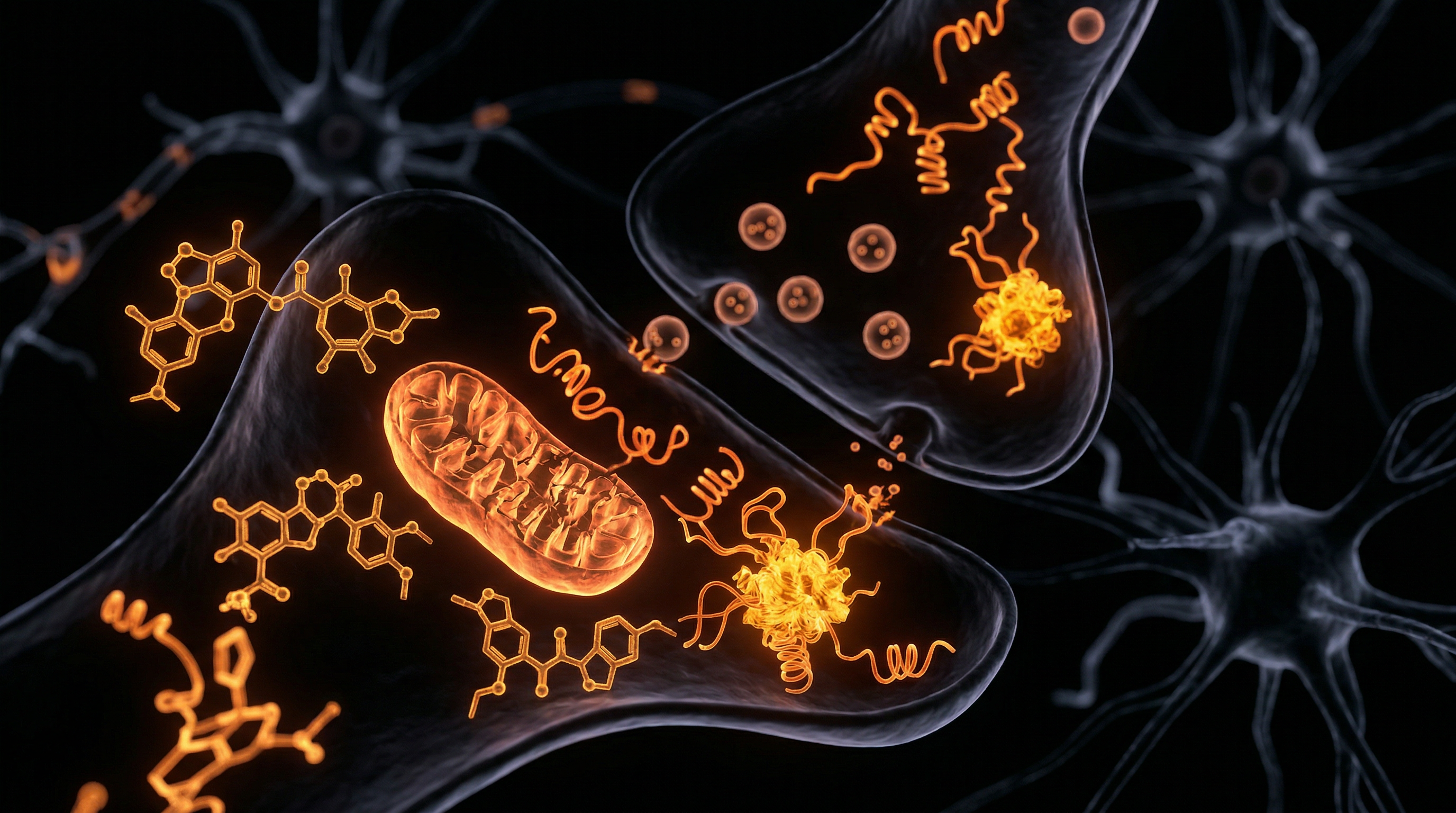
Dopaminergic neurons are among the most metabolically demanding cells in the human body. Unlike other neurons, they have massive, highly branched axonal trees. A single neuron in the substantia nigra may form over a million synapses. Maintaining the electrical potential and chemical transport across this vast network requires an immense amount of energy, produced by mitochondria.
The Blood-Brain Barrier (BBB) Breach
The brain is protected by the BBB, a semi-permeable border of endothelial cells. However, many modern pesticides are lipophilic (fat-soluble), allowing them to slip through the fatty membranes of the BBB with ease. Others, like the herbicide Paraquat, are structurally similar to transport molecules that the brain actively pulls across the barrier, effectively "inviting" the toxin into the inner sanctum of the central nervous system.
The Role of Alpha-Synuclein
A hallmark of Parkinson’s is the accumulation of Lewy bodies, which are primarily composed of misfolded alpha-synuclein proteins. In a healthy brain, alpha-synuclein assists in synaptic vesicle trafficking. Under the influence of toxic stress—specifically oxidative stress induced by chemicals—these proteins lose their shape and clump together. These clumps are not just markers of the disease; they are active agents of destruction, spreading from neuron to neuron in a prion-like fashion.
Mechanisms at the Cellular Level
The destruction caused by pesticides is not a blunt trauma; it is a sophisticated interruption of cellular life-support systems. There are three primary pathways through which agricultural chemicals induce Parkinsonian pathology.
1. Mitochondrial Complex I Inhibition
The most well-documented mechanism is the inhibition of the Mitochondrial Respiratory Chain Complex I. Mitochondria are the powerhouses of the cell, converting nutrients into ATP (adenosine triphosphate). Pesticides like Rotenone (an insecticide) and the metabolite of Paraquat (MPP+) bind directly to Complex I.
- This binding halts the flow of electrons.
- The result is an immediate drop in ATP production.
- Without ATP, the neuron cannot maintain its ion pumps, leading to cellular swelling and death (apoptosis).
2. Redox Cycling and Oxidative Stress
Pesticides such as Paraquat engage in a process called redox cycling. Once inside the cell, the chemical accepts an electron and then immediately passes it to molecular oxygen. This creates superoxide radicals—highly reactive molecules that damage DNA, proteins, and lipids.
Callout: Dopaminergic neurons are uniquely sensitive to oxidative stress because the metabolism of dopamine itself produces hydrogen peroxide as a natural byproduct. The addition of pesticide-induced radicals creates an "oxidative storm" that the cell’s natural antioxidants (like glutathione) cannot quench.
3. Proteasomal Dysfunction and Autophagy Failure
Cells have a "waste management system" called the ubiquitin-proteasome system and a recycling process called autophagy. These systems identify damaged proteins (like misfolded alpha-synuclein) and break them down. Many pesticides, particularly organochlorines, have been shown to inhibit these disposal systems. When the "rubbish" isn't cleared, the cell becomes choked with toxic protein aggregates, leading to a state of chronic inflammation and eventual structural failure.
Environmental Threats and Biological Disruptors
The UK's agricultural landscape is saturated with chemicals that, while regulated for "acute toxicity" (immediate death or illness), are rarely assessed for "chronic neurotoxicity" (the slow development of disease over 20 years).
Paraquat: The "Gold Standard" for Parkinson’s
Paraquat is perhaps the most infamous herbicide in the context of PD. Although banned in the EU and UK for use, it was manufactured by Syngenta in Huddersfield and exported globally for decades. The "legacy effect" of Paraquat remains a concern for retired farm workers and those living in areas with historic high-intensity spraying. Its molecular structure is nearly identical to MPP+, a known neurotoxin used by scientists to induce Parkinson's in laboratory animals.
Rotenone: The Organic Paradox
Historically used as an "organic" pesticide because it is derived from the roots of several tropical plants, Rotenone is a classic Complex I inhibitor. It is highly lipophilic, meaning it crosses the BBB and localises in the mitochondria of the substantia nigra. Its use in the UK has been restricted, but its role in proving the pesticide-PD link is foundational.
Organophosphates (OPs)
Widely used in the UK for sheep dipping and crop protection, OPs work by inhibiting acetylcholinesterase. While their primary effect is on the cholinergic system, chronic low-level exposure has been linked to dopaminergic cell loss. In the UK, the "sheep dip scandal" highlighted how thousands of farmers developed neurological symptoms, which the NHS frequently dismissed as psychological or "ME/Chronic Fatigue," failing to recognise the early stages of neurodegeneration.
Glyphosate and the Gut-Brain Axis
The most widely used herbicide in the UK, Glyphosate, is often defended by regulators because humans lack the "shikimate pathway" it targets in plants. However, our gut microbiome does use this pathway.
- Glyphosate disrupts the microbial balance (dysbiosis).
- It leads to "leaky gut," allowing bacterial endotoxins (LPS) into the bloodstream.
- This triggers systemic inflammation that crosses the BBB and activates microglia (the brain's immune cells) into a pro-inflammatory state, which is a known precursor to PD.
The Cascade: From Exposure to Disease
The progression from breathing in a spray drift in a Lincolnshire field to a Parkinson’s diagnosis in a London clinic is a decades-long cascade of biological failures.
The Braak’s Hypothesis: The Gut Origin
Emerging evidence suggests that for many, Parkinson’s doesn't start in the brain, but in the gut or the olfactory bulb (sense of smell). Pesticides are either inhaled or ingested.
- Initial Insult: Chemicals irritate the enteric nervous system in the gut.
- Protein Misfolding: Alpha-synuclein begins to misfold in the gut lining.
- Retrograde Transport: The misfolded protein travels up the Vagus Nerve—the highway connecting the gut to the brain.
- Nigral Seeding: Once it reaches the midbrain, the "seeds" of misfolded protein trigger the collapse of the dopaminergic system.
The Threshold Effect
The human brain is remarkably resilient. We are born with a "reserve" of dopaminergic neurons. Symptoms of Parkinson’s—the tremors, the rigidity, the bradykinesia (slowness of movement)—do not typically appear until 60% to 80% of the neurons in the substantia nigra have already perished.
Statistic: By the time an NHS GP refers a patient to a neurologist for a "resting tremor," the underlying pathological process has likely been active for 10 to 20 years.
What the Mainstream Narrative Omits
The NHS and major Parkinson’s charities in the UK focus heavily on "management" and "living well" with the disease. While important, this avoids the uncomfortable political and economic reality: Parkinson's is, in significant part, a man-made environmental illness.
The "Idiopathic" Shield
By labelling 85% of cases "idiopathic," the medical establishment effectively closes the book on causation. This prevents patients from seeking legal redress against chemical manufacturers and relieves the government of the burden of stricter environmental regulations. If the cause is "unknown," no one is to blame.
The Focus on Genetics as a Distraction
Massive funding is poured into GWAS (Genome-Wide Association Studies). While these identify "risk alleles," they rarely account for the Gene-Environment Interaction. A person may have a "Parkinson's gene" (like a LRRK2 mutation) that would remain dormant for their entire life unless triggered by a specific pesticide exposure. The mainstream narrative focuses on the "loaded gun" (genetics) but ignores the "trigger" (pesticides).
Regulatory Capture
In the UK, the Health and Safety Executive (HSE) and DEFRA (Department for Environment, Food & Rural Affairs) rely on toxicity data provided by the chemical companies themselves. These studies often focus on high-dose, short-term exposure. They systematically ignore the cocktail effect—the reality that humans are exposed to low doses of dozens of different chemicals simultaneously, which can have synergistic neurotoxic effects.
The UK Context
The UK presents a unique case study in the pesticide-Parkinson’s link. Despite our image of a "green and pleasant land," our agricultural regions are some of the most chemically managed in the world.
Post-Brexit Regulation
Since leaving the EU, there are growing concerns that the UK's "independent" regulatory framework is becoming more permissive. The "precautionary principle," which underpins EU chemical law, is being eroded in favour of "innovation-led" regulation. This risks keeping neurotoxic chemicals on the market longer than our European neighbours.
The East Anglian Cluster
Epidemiological maps of the UK show higher concentrations of Parkinson’s cases in intensive farming regions such as Lincolnshire, Norfolk, and Cambridgeshire. Despite this, NHS diagnostic pathways for PD do not include an occupational or residential history assessment regarding pesticide exposure. A farmer in Spalding is treated with the same "one-size-fits-all" Levodopa prescription as an office worker in Canary Wharf, with no investigation into ongoing toxic load.
The Yellow Card System Failure
The UK's system for reporting adverse effects of chemicals is woefully underused. Most GPs are not trained in environmental toxicology and fail to link a patient's neurological decline to their proximity to pesticide spraying or their history in the agricultural sector.
Protective Measures and Recovery Protocols
While the destruction of dopaminergic neurons is currently considered irreversible in mainstream medicine, biological research suggests that we can support the remaining neurons and potentially halt the progression by addressing the toxic root causes.
1. Nrf2 Activation
The Nrf2 pathway is the body’s master regulator of antioxidant genes. Activating this pathway can help the brain produce its own protective enzymes to combat pesticide-induced oxidative stress.
- Sulforaphane: Found in broccoli sprouts, this is one of the most potent natural Nrf2 activators.
- Curcumin: The active compound in turmeric has shown neuroprotective effects in Rotenone-induced models of Parkinson's.
2. Mitochondrial Support
Since pesticides target the mitochondria, supporting bioenergetics is vital.
- Coenzyme Q10 (CoQ10): A critical component of the electron transport chain that is depleted by many pesticides.
- PQQ (Pyrroloquinoline Quinone): Promotes mitochondrial biogenesis—the creation of new mitochondria within existing cells.
- NAD+ Precursors: Helping to restore the NAD+/NADH ratio which is disrupted by Complex I inhibitors.
3. Glutathione Restoration
Glutathione is the brain's primary defence against Paraquat and other redox-cycling toxins.
- N-Acetyl Cysteine (NAC): A precursor that helps the body synthesise more glutathione.
- Liposomal Glutathione: Direct supplementation to bypass digestive breakdown.
4. Gut-Brain Axis Repair
Addressing the "Braak’s Hypothesis" origin point.
- Probiotics: Specifically strains like Lactobacillus plantarum and Bifidobacterium, which have been shown to modulate the gut-brain axis.
- Organic Diet: Crucial to eliminate ongoing exposure to Glyphosate and other pesticide residues. In the UK, the "Dirty Dozen" list of pesticide-heavy produce should be strictly avoided.
5. Environmental Hygiene
- Water Filtration: Many pesticides leach into the groundwater. A high-quality reverse osmosis filter is essential for removing chemical residues from drinking water.
- Air Purification: For those living in "spray zones," HEPA and carbon filters can reduce the inhalation of aerolised agricultural chemicals.
Summary: Key Takeaways
The "Parkinson’s Pandemic" is not an inexplicable act of nature. It is a biological consequence of a chemical age. To achieve INNERSTANDING of this condition, we must look beyond the dopamine-replacement therapy offered by the NHS and confront the environmental reality.
- The Pesticide Link is Absolute: Chemicals like Paraquat, Rotenone, and Organophosphates are proven to cause the exact cellular damage seen in Parkinson’s Disease—namely Mitochondrial Complex I inhibition and alpha-synuclein misfolding.
- The NHS Oversight: The current UK medical model fails to screen for toxicological history, leading to an "idiopathic" diagnosis that ignores the root cause.
- The Gut-Brain Axis: Pesticide exposure often begins in the gut, triggering a slow-motion migration of toxic proteins to the brain via the Vagus nerve.
- Mitigation is Possible: Through Nrf2 activation, mitochondrial support, and the elimination of chemical triggers (organic living), the trajectory of neurodegeneration can be challenged.
- Regulatory Failure: The UK's reliance on industry-funded safety studies and the erosion of the precautionary principle post-Brexit places the population at continued risk.
The rise in Parkinson’s is a "canary in the coal mine" for the health of our environment. Until the UK’s agricultural and medical systems are integrated, the substantia nigra of thousands of citizens will remain on the front lines of an undeclared chemical war. It is time to move beyond "management" and demand an end to the environmental poisoning of the British brain.
This article is provided for informational and educational purposes only. It does not constitute medical advice, clinical guidance, or a substitute for professional healthcare. Information reflects cited research at time of publication. Always consult a qualified healthcare professional before acting on any health information.
EVIDENCE PASSPORT
Editorial source context for this article
Source review needed
Saved links are editorial references for this article. They may support specific claims rather than every sentence. Open and assess each source in context. This passport does not independently verify them.
Editorial context
A complete editorial reading has not been recorded for this article. Source links remain available for you to open and assess directly.
Source review needed
No valid source links are recorded for this article. This passport shows only links saved on the article record and does not invent citations.
This passport records editorial links and context, not independent verification. Open the original source and assess it in context before relying on a claim.
Medical Disclaimer
The information in this article is for educational purposes only and does not constitute medical advice, diagnosis, or treatment. Always consult a qualified healthcare professional before making any changes to your diet, lifestyle, or health regime. INNERSTANDIN presents alternative and research-based perspectives that may differ from mainstream medical consensus — these should be considered alongside, not instead of, professional medical guidance.
Read Full DisclaimerContinue the thread
Keep this question moving.
Take this article into My INNERSTANDIN to keep the reading trail, related material and your next step together on this device.
Explore this in the Body Map
See where this hits your biology. Interactive anatomy, threats, and protective protocols.
Dig deeper in the Library
Free, longform PDF volumes that go beyond headlines into mechanisms and references.