
Oxytocin Depletion in the UK Loneliness Epidemic
Updated May 2026
Social isolation in the UK is leading to a biological deficit of oxytocin, impairing the body's ability to regulate somatic stress. We analyze the neuro-chemical consequences of the erosion of British community structures.
Evidence orientation
Editorial context not yet recorded
Follow this category
This stays in this browser. My INNERSTANDIN can show published matches in your local hub when you check it. It does not send email, push, or alert notifications.
Local learning review
A private browser aid for revisiting ideas. It is not an alert or a health recommendation.
Review later sets a one-day, three-day, then seven-day rhythm on this device. Choose it only when you want to revisit this article.
Overview
The United Kingdom is currently navigating a silent, invisible catastrophe. While economic fluctuations and political upheavals dominate the headlines, a more profound biological erosion is occurring within the very fabric of the British populace. We are witnessing the Oxytocin Depletion Crisis—a systemic failure of the human neurochemical reward system caused by the unprecedented disintegration of community structures.
At INNERSTANDING, we view loneliness not as a fleeting emotional state or a psychological "mood," but as a severe somatic trauma. For the social mammal, isolation is a signal of existential threat. When the British "stiff upper lip" meets the modern "digital desert," the result is a physiological collapse. The absence of meaningful, face-to-face human connection leads to a chronic deficit of oxytocin, the neuropeptide often simplified as the "cuddle hormone" but more accurately described as the master regulator of human homeostasis and social safety.
According to recent data from the Office for National Statistics (ONS), approximately 3.9 million British adults report feeling "often or always" lonely. This is not merely a social statistic; it is a biological red flag indicating a mass-scale hormonal deficit.
This article explores the mechanisms by which social isolation in the UK has become a primary driver of chronic disease, neuro-inflammation, and somatic stress. We will expose how the modern British environment—from its architecture of isolation to its digital dependencies—is biologically "starving" its citizens of the very chemical required to keep the human nervous system in a state of repair.
The Biology — How It Works
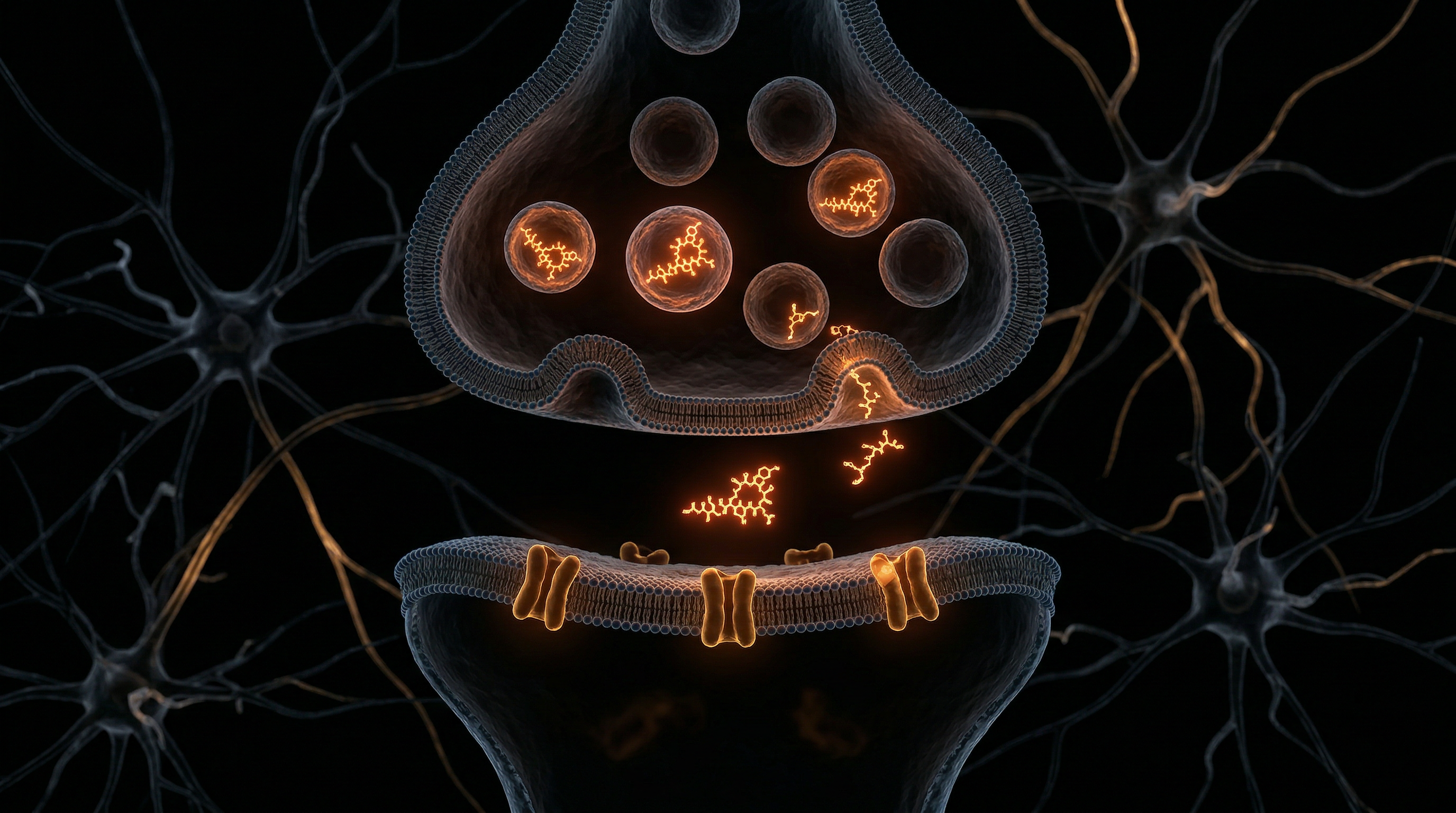
To understand the gravity of the UK loneliness epidemic, we must first deconstruct the role of oxytocin in the mammalian brain. Produced primarily in the hypothalamus (specifically the paraventricular and supraoptic nuclei) and released via the posterior pituitary gland, oxytocin acts as both a hormone and a neurotransmitter.
The Antagonist of Cortisol
The primary function of oxytocin in the context of somatic trauma is its ability to modulate the Hypothalamus-Pituitary-Adrenal (HPA) axis. When we perceive ourselves as part of a safe, connected group, oxytocin levels rise, effectively dampening the production of cortisol (the primary stress hormone).
- Down-regulation of the Amygdala: Oxytocin inhibits the firing of the amygdala, the brain's fear centre. In a state of oxytocin depletion, the amygdala remains hyper-vigilant, scanning the environment for threats that do not exist, leading to chronic anxiety.
- Vagal Tone Modulation: Oxytocin is intricately linked to the vagus nerve, specifically the ventral vagal complex. This system facilitates the "social engagement" state, allowing for rest, digestion, and cellular repair.
The "Tend-and-Befriend" Mechanism
While the "fight-or-flight" response is well-known, oxytocin governs the tend-and-befriend response. This is a biological drive to seek safety in numbers. In the UK, as communal spaces like pubs, libraries, and community centres disappear, this biological drive is repeatedly "thwarted." The body interprets this lack of social response as a failure of survival strategy, leading to a state of biological hopelessness.
Fact: Oxytocin has a half-life of only about 3 to 5 minutes in the blood. This means it requires constant "top-ups" through social interaction, touch, or eye contact to maintain its protective effects on the cardiovascular and nervous systems.
Mechanisms at the Cellular Level
The damage of loneliness extends far beyond feelings; it alters the very expression of our DNA. This is where the somatic memory of isolation becomes etched into the body.
Epigenetic Silencing
Research into the OXTR gene (the oxytocin receptor gene) suggests that prolonged social isolation can lead to DNA methylation. This is a process where chemical tags are added to the DNA, effectively "silencing" the gene. When the OXTR gene is methylated, the body produces fewer receptors.
- Reduced Sensitivity: Even if an isolated individual later experiences a moment of connection, their body may lack the receptors to "capture" the oxytocin, leading to a diminished biological reward.
- Generational Trauma: There is emerging evidence that these epigenetic markers can be passed down, suggesting that the "loneliness" of one generation may biologically predispose the next to social anxiety and stress-vulnerability.
Microglial Activation and Neuro-inflammation
In the absence of sufficient oxytocin, the brain’s resident immune cells, known as microglia, can shift into a "pro-inflammatory" state.
- Synaptic Pruning: Overactive microglia begin to prune away healthy synaptic connections, particularly in the prefrontal cortex and the hippocampus (the area responsible for memory and emotional regulation).
- Cytokine Storms: This cellular environment leads to the chronic release of pro-inflammatory cytokines like IL-6 and TNF-alpha. Chronic loneliness in the UK is, therefore, a state of systemic, low-grade brain inflammation.
The Role of Nitric Oxide
Oxytocin triggers the release of nitric oxide (NO) in the vascular endothelium. This molecule is essential for vasodilation (the widening of blood vessels). When oxytocin is depleted due to isolation, nitric oxide production drops, leading to arterial stiffness and hypertension. This explains why loneliness is as significant a risk factor for heart disease as smoking 15 cigarettes a day.
Environmental Threats and Biological Disruptors
The UK's modern landscape is uniquely hostile to oxytocin production. We have engineered an environment that systematically disrupts our neurobiology.
The Architecture of Isolation
British urban planning has shifted from "communal density" to "isolated density." High-rise apartments and "luxury" developments often lack communal gardens or shared foyers that encourage spontaneous interaction.
- The Loss of the "Third Place": The traditional British "Third Place"—the pub, the church, or the local high street—has been decimated by economic shifts and digital commerce. Without these neutral grounds for "low-stakes" social interaction, the brain loses its regular intervals of oxytocin pulses.
- Commuter Culture: The UK has some of the longest average commute times in Europe. This "dead time" spent in cars or on crowded, silent trains is a biological vacuum, where the body is in a state of high-alert (navigation/traffic) without any social mitigation.
The Digital Mirage
The most insidious disruptor is the substitution of physical presence with digital connectivity.
- The Lack of "Social Cues": Oxytocin release is triggered by micro-expressions, dilated pupils, pheromones, and physical touch. Digital interfaces (social media, Zoom, texting) strip away these cues.
- The Dopamine/Oxytocin Imbalance: Social media provides hits of dopamine (the "seeking" chemical) but fails to provide the oxytocin (the "satisfaction" chemical). This creates a biological loop of "hunger" without "satiety," leaving the individual more isolated than before they logged on.
Statistic: A study of UK young adults found that those who spent more than two hours a day on social media had twice the odds of experiencing perceived social isolation compared to those who spent less than half an hour.
The Cascade: From Exposure to Disease
When oxytocin depletion becomes chronic, the body enters a state of allostatic load—the "wear and tear" that accumulates when an individual is exposed to repeated or chronic stress.
Cardiovascular Collapse
Oxytocin is fundamentally a cardioprotective hormone. It promotes the growth of new heart cells (cardiomyocytes) and reduces inflammation in the arteries.
- The Loneliness Heart: In the UK, the rise in "broken heart syndrome" (Takotsubo cardiomyopathy) and general hypertension among the elderly living alone is a direct result of the loss of the oxytocin buffer.
Immune System Dysfunction
Loneliness "re-programmes" the immune system.
- The Conserved Transcriptional Response to Adversity (CTRA): This is a specific pattern of gene expression found in chronically lonely individuals. It involves an up-regulation of genes involved in inflammation and a down-regulation of genes involved in antiviral responses.
- Vulnerability to Infection: Isolated individuals in the UK are biologically less equipped to fight off viral infections, including influenza and COVID-19, due to this oxytocin-linked immune shift.
Somatic Memory and "Body Armouring"
In somatic therapy, we observe a phenomenon called body armouring—the chronic tension of muscles (particularly the jaw, shoulders, and psoas) in response to a lack of safety.
- The Absence of Touch: Without the oxytocin provided by physical touch (hugs, handshakes, or even the proximity of others), the fascia hardens. The body "remembers" the neglect, leading to chronic pain conditions and fibromyalgia, which are increasingly prevalent in the UK’s aging and isolated populations.
What the Mainstream Narrative Omits
The mainstream medical and political narrative in the UK consistently misses the mark, often by design. They treat loneliness as a "social inconvenience" rather than a biological toxicity.
The Over-Prescription of Antidepressants
The UK has one of the highest rates of SSRI (Selective Serotonin Reuptake Inhibitor) prescriptions in the world. However, serotonin is not oxytocin.
- Masking the Signal: By artificially boosting serotonin, the medical establishment masks the emotional signal of loneliness without addressing the underlying oxytocin deficit.
- Chemical Straitjackets: This approach treats the individual as a "broken machine" rather than a social mammal in a hostile environment. It "numbs" the pain of isolation but does nothing to facilitate the "re-connection" required for biological healing.
The Commodification of Connection
The "loneliness industry" in the UK has seen the rise of "befriending apps" and commercialised social clubs. These often fail because they lack the organic, repetitive, and non-transactional nature of true community.
- The Truth: You cannot "buy" oxytocin through a service. It is a byproduct of authentic, mutual, and sustained social "entrainment."
The "Stiff Upper Lip" as a Biological Barrier
British cultural heritage often prizes emotional stoicism. From a neurobiological perspective, this is a disaster. Emotional suppression inhibits the prefrontal-amygdala pathway, preventing the release of oxytocin that occurs during emotional vulnerability and "co-regulation." The cultural "norm" in the UK is effectively a biological barrier to health.
The UK Context: A Unique Socio-Biological Storm
Why is the UK particularly vulnerable? Several factors converge to make the British Isles a "perfect storm" for oxytocin depletion.
Post-Industrial Atomisation
The collapse of industrial communities (mining, manufacturing) in the late 20th century was not just an economic event; it was a biological one. These industries provided men's sheds and collective identities that were powerful engines of oxytocin production. Their replacement with the "service economy" and "gig work" has left millions in fragmented, competitive, and isolated roles.
The Cost-of-Living Crisis and "Social Poverty"
When people struggle to pay for heating or food, "socialising" is the first thing to be sacrificed.
- The "Pub Tax": The rising cost of a pint in a local pub—traditionally the "living room of the working class"—has priced millions out of their primary social outlet.
- Transport Poverty: The dismantling of rural bus networks in the UK has physically trapped the elderly and the young in their homes, creating "biological islands" across the countryside.
The "Loneliness Minister" Paradox
The UK was the first country to appoint a "Minister for Loneliness." While this sounds progressive, critics (including us at INNERSTANDING) argue it is a "performative bandage."
- Policy vs. Biology: You cannot legislate loneliness away while simultaneously maintaining economic policies that prioritise "individual productivity" over "communal stability." The state’s focus on "volunteering" as a fix ignores the structural causes of the oxytocin deficit: the erosion of time, space, and the "commons."
Protective Measures and Recovery Protocols
If we accept that the UK is in an oxytocin deficit, how do we recover? This requires more than just "making friends"; it requires a somatic re-patterning.
1. Somatic Co-regulation
Recovery must begin with the body.
- The Power of Touch: For those who are isolated, "safe touch" through massage, somatic therapy, or even pet ownership can restart the oxytocin pump.
- Eye Contact Exercises: Practising sustained eye contact (even with a trusted pet) stimulates the vagus nerve and begins the process of down-regulating the amygdala.
2. Restoring the "Commons"
Biologically, we need "low-stakes socialising."
- Social Prescribing: The NHS has begun "social prescribing"—linking patients to community groups. However, this must be expanded to include "men’s sheds," community gardens, and "repair cafes." These activities provide the shared goal necessary for oxytocin release.
- Micro-interactions: We must reclaim the "British Hello." Greeting neighbours and engaging in brief "small talk" with shopkeepers provides the small "pulses" of oxytocin that prevent the HPA axis from becoming hyper-reactive.
3. Vagal Nerve Stimulation
Since the vagus nerve and oxytocin are in a feedback loop, we can use the body to trigger the chemistry.
- Cold Exposure & Breathwork: Short bursts of cold water (face immersion) followed by "box breathing" can reset the autonomic nervous system, making the body more "receptive" to social connection when it occurs.
- Singing and Humming: The act of singing in a group (choirs) is one of the most potent oxytocin-boosters known to science. It combines rhythmic breathing, vocal cord vibration (vagal stimulation), and social entrainment.
4. Nutritional Co-factors
The production and reception of oxytocin require certain micronutrients that are often deficient in the modern British diet.
- Magnesium: Essential for the binding of oxytocin to its receptors.
- Vitamin D: The "Sunshine Vitamin" (famously lacking in the UK) is a pro-hormone that regulates the conversion of tryptophan into serotonin and oxytocin.
- Omega-3 Fatty Acids: Necessary for maintaining the fluidity of the neuronal membranes where oxytocin receptors reside.
Summary: Key Takeaways
The UK’s loneliness epidemic is not a "mental health crisis" in the traditional sense; it is a biological depletion of a vital neuropeptide. We must stop viewing isolation as a personal failing and start seeing it as a systemic environmental toxicity.
- Oxytocin is the Master Regulator: It is the primary counter-balance to cortisol. Without it, the body remains in a state of chronic "fight-or-flight," leading to inflammation and organ decay.
- Loneliness is Somatic Trauma: The body "remembers" isolation through epigenetic changes and muscular "armouring."
- The UK Environment is Hostile: Urban planning, the digital landscape, and the "stiff upper lip" culture act as biological disruptors to human connection.
- Mainstream Medicine is Failing: Antidepressants mask the symptoms but do not replace the biological need for oxytocin and social safety.
- Recovery Requires the "Commons": Healing must involve both somatic work (re-patterning the nervous system) and the restoration of physical communal spaces.
The erosion of British community structures is an erosion of British health. To save the nation's heart, we must first restore its ability to connect. At INNERSTANDING, we advocate for a "Neuro-Social" revolution—one that puts the biological necessity of human connection at the centre of all political, architectural, and medical discourse. The price of our current isolation is not just sadness; it is a shortened, inflamed, and traumatised life. It is time to reclaim our biology.
This article is provided for informational and educational purposes only. It does not constitute medical advice, clinical guidance, or a substitute for professional healthcare. Information reflects cited research at time of publication. Always consult a qualified healthcare professional before acting on any health information.
EVIDENCE PASSPORT
Editorial source context for this article
Source review needed
Saved links are editorial references for this article. They may support specific claims rather than every sentence. Open and assess each source in context. This passport does not independently verify them.
Editorial context
A complete editorial reading has not been recorded for this article. Source links remain available for you to open and assess directly.
Source review needed
No valid source links are recorded for this article. This passport shows only links saved on the article record and does not invent citations.
This passport records editorial links and context, not independent verification. Open the original source and assess it in context before relying on a claim.
Medical Disclaimer
The information in this article is for educational purposes only and does not constitute medical advice, diagnosis, or treatment. Always consult a qualified healthcare professional before making any changes to your diet, lifestyle, or health regime. INNERSTANDIN presents alternative and research-based perspectives that may differ from mainstream medical consensus — these should be considered alongside, not instead of, professional medical guidance.
Read Full DisclaimerContinue the thread
Keep this question moving.
Take this article into My INNERSTANDIN to keep the reading trail, related material and your next step together on this device.
Explore this in the Body Map
See where this hits your biology. Interactive anatomy, threats, and protective protocols.
Dig deeper in the Library
Free, longform PDF volumes that go beyond headlines into mechanisms and references.