
MDMA-Assisted Psychotherapy: A Paradigm Shift for Treatment-Resistant PTSD
Updated June 2026
MDMA-assisted therapy allows trauma survivors to process painful memories without being overwhelmed by the brain's fear response. Recent trials demonstrate that 67% of participants no longer meet PTSD criteria after just three sessions, a result far exceeding current UK standard care.
Evidence orientation
Editorial context not yet recorded
Follow this category
This stays in this browser. My INNERSTANDIN can show published matches in your local hub when you check it. It does not send email, push, or alert notifications.
Local learning review
A private browser aid for revisiting ideas. It is not an alert or a health recommendation.
Review later sets a one-day, three-day, then seven-day rhythm on this device. Choose it only when you want to revisit this article.
Overview
The clinical landscape for Post-Traumatic Stress Disorder (PTSD), particularly cases deemed treatment-resistant (TR-PTSD), has long been defined by a deficit in sustained therapeutic efficacy. Standard interventions—comprising selective serotonin reuptake inhibitors (SSRIs) such as sertraline and paroxetine, alongside trauma-focused cognitive behavioural therapies (CBT)—exhibit high attrition rates and frequently fail to achieve full remission. This failure stems from a fundamental neurobiological impasse: the inability of the patient to revisit traumatic memories without triggering severe autonomic dysregulation or dissociative numbing. MDMA-assisted psychotherapy (MDMA-AT) represents a radical departure from this palliative model, functioning not as a chronic suppressive medication but as a transient pharmacological catalyst designed to facilitate memory reconsolidation and enhance the therapeutic alliance.
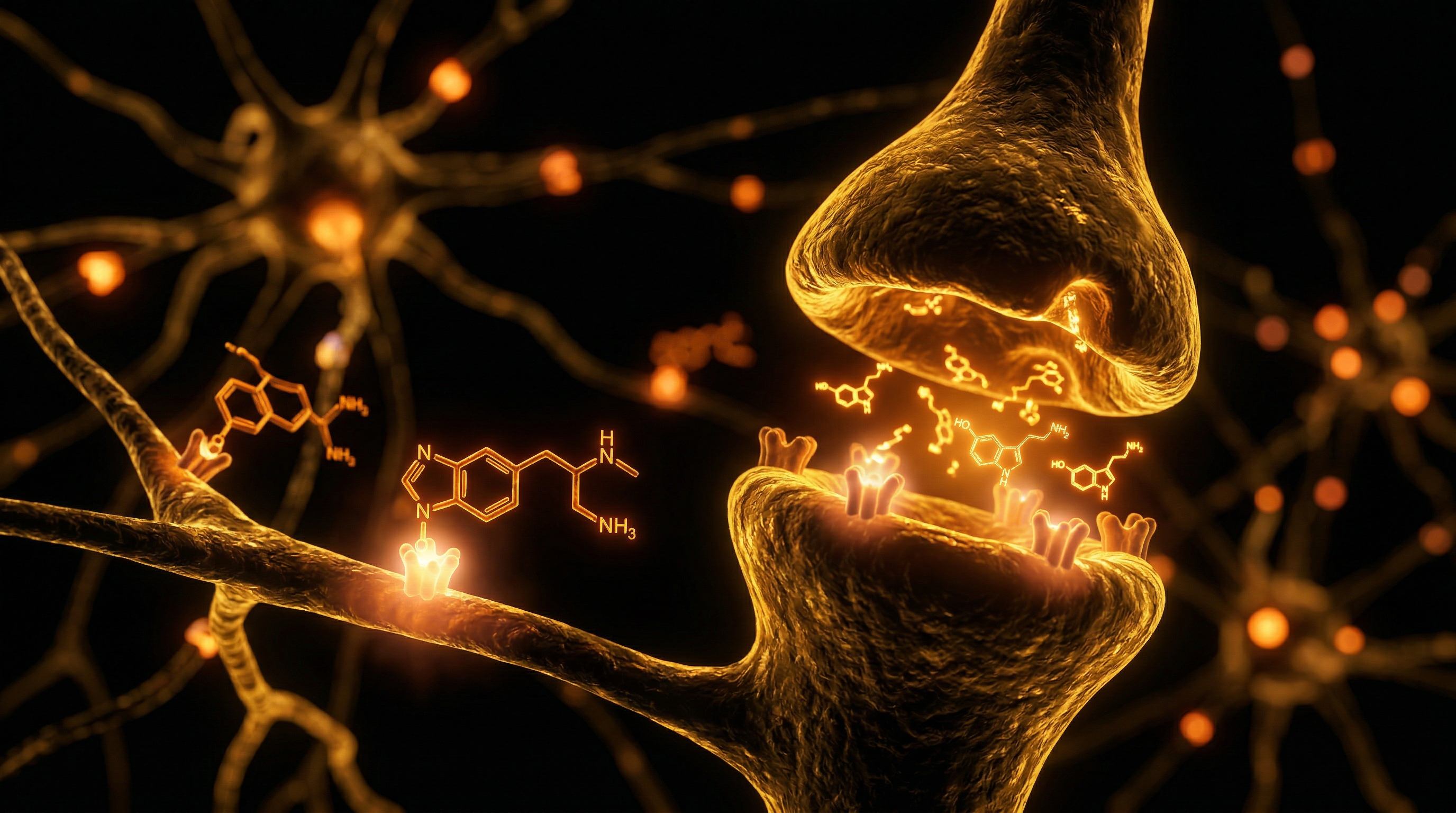
At the molecular level, MDMA (3,4-methylenedioxymethamphetamine) acts as a potent monoamine releaser and reuptake inhibitor, primarily targeting the serotonin transporter (SERT), norepinephrine transporter (NET), and dopamine transporter (DAT). By reversing the direction of these transporters via the activation of trace amine-associated receptor 1 (TAAR1), MDMA induces a massive efflux of endogenous serotonin, accompanied by significant increases in synaptic norepinephrine and dopamine. However, the unique therapeutic profile of MDMA-AT is predicated on its secondary endocrine effects—specifically the robust release of oxytocin and vasopressin from the posterior pituitary. This neurochemical cocktail creates a 'pro-social' state characterized by increased interpersonal trust and reduced defensive responding.
Neuroimaging data, corroborated by INNERSTANDIN’s analysis of contemporary UK-based research, indicates that MDMA acutely modulates the neural circuitry central to the PTSD pathology. Specifically, it induces a marked down-regulation of the amygdala—the brain’s primary threat-detection centre—while simultaneously up-regulating the prefrontal cortex (PFC) and the hippocampus. This shift enables the patient to remain within a 'window of tolerance,' where the emotional charge of the trauma is sufficiently dampened to allow for cognitive processing without the interference of hyperarousal. Consequently, extinction learning and the reconsolidation of traumatic memories into non-threatening long-term storage become neurologically viable.
The evidence for this paradigm shift is empirically robust. Landmark Phase 3 clinical trials, published in Nature Medicine (Mitchell et al., 2021, 2023), demonstrated that 88% of participants treated with MDMA-AT experienced a clinically significant reduction in symptoms, with 67% no longer meeting the diagnostic criteria for PTSD after three sessions. These findings are currently being scrutinised within the UK context by the Medicines and Healthcare products Regulatory Agency (MHRA) and the National Institute for Health and Care Excellence (NICE), as the scientific community pushes for the rescheduling of MDMA to permit wider clinical application. By addressing the systemic biological barriers to recovery, MDMA-AT offers a high-density, evidence-led solution to one of the most intractable challenges in modern psychiatry, moving beyond mere symptom management toward definitive neurobiological resolution.
The Biology — How It Works
To comprehend the clinical efficacy of MDMA-assisted psychotherapy (MDMA-AT), one must look beyond the colloquialisms of "ecstasy" and interrogate the compound’s sophisticated pharmacodynamics. 3,4-methylenedioxymethamphetamine functions as a potent triple monoamine reuptake inhibitor and releasing agent, primarily targeting the presynaptic transporters for serotonin (SERT), norepinephrine (NET), and, to a lesser extent, dopamine (DAT). Unlike traditional selective serotonin reuptake inhibitors (SSRIs) that merely block reuptake, MDMA binds to the trace amine-associated receptor 1 (TAAR1) and inhibits the vesicular monoamine transporter 2 (VMAT2). This dual action triggers a reversal of transporter directionality, resulting in a massive, non-exocytotic efflux of neurotransmitters into the synaptic cleft. This neurochemical surge is the catalyst for the profound shift in the patient's internal landscape, facilitating an optimal "window of tolerance" required for trauma processing.
At the neuroendocrinological level, the stimulation of the hypothalamus by MDMA leads to a significant systemic release of oxytocin and vasopressin. Data emerging from research at Imperial College London and other UK-based institutions suggest that this oxytocinergic burst is critical for the therapeutic alliance. Oxytocin modulates the activity of the paraventricular nucleus, dampening the "fight-or-flight" response and enhancing interpersonal trust. For a patient with treatment-resistant PTSD, this biological intervention provides a physiological bypass of the hyper-vigilance and emotional numbing that typically hinder conventional cognitive-behavioural therapies.
The neurocircuitry of PTSD is characterised by a hyperactive amygdala and a hypoactive medial prefrontal cortex (mPFC). MDMA-AT effectively reverses this pathological state. Functional MRI (fMRI) studies indicate that MDMA acutely decreases blood-oxygen-level-dependent (BOLD) signals in the amygdala, reducing the fear response associated with the recall of traumatic memories. Simultaneously, it increases activity in the mPFC and the hippocampus, strengthening the "top-down" executive control over emotional arousal. This decoupling of the fear response from memory recall is the hallmark of INNERSTANDIN the biological mechanism: it facilitates memory reconsolidation. By allowing the patient to revisit the trauma without the accompanying autonomic distress, the brain can "re-write" the emotional valence of the memory, moving it from an active, intrusive threat to a consolidated historical event.
Furthermore, MDMA induces a transient increase in Brain-Derived Neurotrophic Factor (BDNF), a key protein involved in neuroplasticity and the survival of existing neurones. This neuroplastic surge, coupled with glutamatergic modulation in the prefrontal cortex, creates a period of "biological fluidity." During this phase, the neural pathways associated with maladaptive coping mechanisms and trauma-loops become malleable. In the context of INNERSTANDIN’s pursuit of evidence-led truths, the data from the MAPS Phase 3 trials (Mitchell et al., 2021) and UK pilot studies demonstrate that this is not merely symptomatic relief; it is a fundamental reorganisation of the neural architecture governing the stress response. The result is a profound paradigm shift where the biology of the drug serves as the engine for the psychological resolution of the trauma.
Mechanisms at the Cellular Level
To elucidate the efficacy of 3,4-methylenedioxymethamphetamine (MDMA) within the clinical framework of Treatment-Resistant PTSD (TR-PTSD), one must interrogate the profound molecular transfigurations occurring at the presynaptic terminal and the subsequent intracellular signalling cascades. Unlike classical serotonergic psychedelics that act primarily as 5-HT2A receptor agonists, MDMA functions as a high-affinity substrate for monoamine transporters, most notably the serotonin transporter (SERT), the norepinephrine transporter (NET), and, to a lesser extent, the dopamine transporter (DAT). At INNERSTANDIN, we recognise that the shift from reuptake inhibition to efflux promotion represents the fundamental cellular pivot of this therapy.
Upon entering the presynaptic neuron via SERT, MDMA disrupts the vesicular storage of monoamines by inhibiting the Vesicular Monoamine Transporter 2 (VMAT2) and collapsing the pH gradient across the vesicular membrane. This results in a massive increase in cytoplasmic serotonin (5-HT), which is then shunted into the synaptic cleft through a process of transporter reversal—a non-exocytotic, calcium-independent release mechanism. The resulting synaptic saturation of 5-HT facilitates the agonism of 5-HT1A and 5-HT1B receptors. Specifically, the stimulation of 5-HT1A receptors in the paraventricular nucleus of the hypothalamus triggers the systemic release of oxytocin, a neuropeptide critical for the prosocial and anxiolytic effects observed during MDMA-Assisted Psychotherapy. This hormonal surge modulates the activity of the amygdala, attenuating the hyper-responsive fear circuitry characteristic of the PTSD phenotype.
Furthermore, the cellular impact of MDMA extends into the realm of rapid neuroplasticity. Research published in Nature Medicine (Mitchell et al., 2021) and longitudinal studies supported by UK-based researchers at Imperial College London highlight the upregulation of Brain-Derived Neurotrophic Factor (BDNF). The activation of the TrkB (tropomyosin receptor kinase B) signalling pathway by BDNF promotes synaptogenesis and dendritic spine remodeling. This "window of plasticity" is essentially a period of heightened neurobiological malleability, allowing for the extinction of fear memories and the reconsolidation of traumatic narratives in a non-threatening context. At the genomic level, MDMA induces the expression of immediate-early genes such as c-Fos and Arc, which are essential for long-term potentiation (LTP) and the stabilization of new synaptic connections.
In the British clinical context, the precision of this mechanism is vital for addressing the refractory nature of PTSD. By modulating the HPA axis and reducing cortisol-induced neurotoxicity in the hippocampus, MDMA facilitates a cellular environment conducive to cognitive restructuring. The synergistic effect of monoamine release, oxytocin-mediated social bonding, and BDNF-driven structural plasticity constitutes a multi-modal biological intervention that transcends the limitations of traditional pharmacotherapy, offering a genuine paradigm shift in neuropsychiatric recovery.
Environmental Threats and Biological Disruptors
The persistence of Treatment-Resistant Post-Traumatic Stress Disorder (TR-PTSD) represents a profound failure of the homeostatic regulatory mechanisms designed to mitigate environmental threat. Within the framework of INNERSTANDIN, we must scrutinise the biological disruptors that prevent the standard resolution of the trauma response. PTSD is fundamentally a systemic pathology defined by the chronic dysregulation of the Hypothalamic-Pituitary-Adrenal (HPA) axis and the subsequent perversion of the "fight-or-flight" response. When an individual is exposed to severe environmental stressors, the neurobiological architecture is hijacked; the amygdala remains in a state of pathological hyper-reactivity, while the ventromedial prefrontal cortex (vmPFC) suffers from functional atrophy, losing its capacity for top-down inhibitory control over fear signalling.
This biological disruption is exacerbated by the chronic elevation of glucocorticoids and pro-inflammatory cytokines, such as Interleukin-6 (IL-6) and C-reactive protein. Evidence published in The Lancet Psychiatry and Nature Medicine underscores that traditional pharmacotherapies, such as Selective Serotonin Reuptake Inhibitors (SSRIs), frequently fail because they merely suppress symptoms rather than addressing the underlying glutamatergic excitotoxicity and hippocampal neuro-degeneration characteristic of TR-PTSD. In the UK context, where clinical pathways are often constrained by the limitations of the "maintenance model," MDMA-assisted psychotherapy emerges as a radical biological disruptor of the trauma state itself.
The mechanism of action is multifaceted. MDMA acts as a potent secretagogue of presynaptic serotonin (5-HT), norepinephrine, and dopamine, but its most critical impact on the "threat-load" involves the massive release of oxytocin and prolactin. This hormonal surge facilitates a unique neurobiological state: the attenuation of amygdala activity combined with an increase in functional connectivity between the hippocampus and the prefrontal cortex. By modulating the 5-HT2A and 5-HT1A receptors, MDMA creates a "pro-adaptive window" of neuroplasticity. This allows for the reconsolidation of traumatic memories without the overwhelming autonomic arousal that typically triggers dissociative or avoidant responses.
Furthermore, research conducted at Imperial College London suggests that MDMA promotes the expression of Brain-Derived Neurotrophic Factor (BDNF), effectively reversing the synaptic pruning and atrophy caused by chronic cortisol exposure. This is not merely a psychological intervention; it is a systemic recalibration. By lowering the metabolic and neuro-oxidative cost of threat detection, MDMA-assisted psychotherapy enables the central nervous system to transition from a state of perpetual environmental vigilance to one of physiological regulation. For the INNERSTANDIN community, it is vital to recognise that MDMA does not simply "mask" the threat; it fundamentally alters the biological substrates that maintain the PTSD phenotype, providing a molecular solution to a systemic environmental crisis.
The Cascade: From Exposure to Disease
To comprehend the transformative potential of 3,4-methylenedioxymethamphetamine (MDMA), one must first dissect the pathological architecture of Post-Traumatic Stress Disorder (PTSD) as a chronic, systemic multi-organ dysfunction rather than a mere psychological malaise. The transition from an acute traumatic exposure to a treatment-resistant disease state represents a failure of the central nervous system’s innate recovery mechanisms, leading to what INNERSTANDIN identifies as a "locked" neurobiological profile. This cascade begins with the catastrophic failure of the medial prefrontal cortex (mPFC) and the anterior cingulate cortex (ACC) to provide top-down inhibitory control over the amygdala. In the healthy brain, the mPFC modulates the amygdala’s threat response through glutamatergic projections to inhibitory interneurons; in the PTSD-afflicted brain, this circuit is functionally decoupled.
Research published in The Lancet Psychiatry and Nature Medicine highlights that this persistent amygdalar hyper-reactivity is not an isolated event but the driver of a profound dysregulation in the hypothalamic-pituitary-adrenal (HPA) axis. Unlike the classic "fight or flight" response, chronic PTSD often manifests a paradoxical hypocortisolism alongside elevated levels of corticotropin-releasing hormone (CRH). This creates a biological environment of "low-level high-alert," where the system is sensitised to perceived threats but lacks the glucocorticoid-mediated feedback loop required to terminate the stress response. At INNERSTANDIN, we scrutinise the long-term implications of this sustained allostatic load: the systemic elevation of pro-inflammatory cytokines, specifically Interleukin-6 (IL-6) and Tumour Necrosis Factor-alpha (TNF-α), which further erode the integrity of the blood-brain barrier and facilitate neuroinflammation.
Furthermore, the hippocampal atrophy observed in long-term PTSD patients—documented extensively through UK-based neuroimaging studies at institutions like King’s College London—is a direct consequence of this excitotoxic cascade. The reduction in volume of the dentate gyrus impairs the patient’s ability to contextualise memories, causing past trauma to be experienced as an omnipresent biological reality rather than a historical event. Conventional pharmacotherapies, such as Selective Serotonin Reuptake Inhibitors (SSRIs) currently recommended by NICE, often fail because they address the symptoms of this cascade—such as low mood or hyperarousal—without rectifying the underlying circuitry failure. The "disease" is not merely the presence of fear, but the structural and chemical inability to initiate fear extinction. MDMA-assisted psychotherapy represents a paradigm shift because it targets the very nexus of this cascade, re-establishing the neural plasticity required to rewrite these entrenched pathological pathways. Through the modulation of oxytocin and the reduction of amygdala activity, MDMA creates a "biological window of tolerance," allowing the patient to process the trauma without the autonomic over-responsivity that normally renders such processing impossible. This is the truth of the molecular intervention: it is a catalyst for cellular and circuit-level remediation in a system that has otherwise lost its capacity for homeostasis.
What the Mainstream Narrative Omits
While popular discourse frequently reduces MDMA-assisted psychotherapy to a mere ‘chemical catalyst’ for empathy or a temporary reprieve from emotional numbness, this reductionist view obscures the profound neurobiological reconfiguration required to arrest the pathophysiology of Treatment-Resistant PTSD (TR-PTSD). At INNERSTANDIN, we must interrogate the multifaceted molecular mechanisms that mainstream reportage often ignores—specifically the epigenetic priming and the reopening of ‘critical periods’ for social reward learning.
The prevailing narrative focuses on the acute release of serotonin, dopamine, and norepinephrine via the reversal of VMAT2 (vesicular monoamine transporter 2) and the binding to TAAR1 (trace amine-associated receptor 1). However, the therapeutic efficacy documented in the Phase 3 MAPP1 and MAPP2 trials (Mitchell et al., Nature Medicine, 2021, 2023) is actually predicated on the uncoupling of the traumatic memory from its autonomic hyper-arousal. In TR-PTSD, the amygdala remains in a state of tonic hyper-responsivity while the ventromedial prefrontal cortex (vmPFC) fails to exert top-down inhibitory control. MDMA administration induces a transient euthymia by facilitating a massive efflux of oxytocin and arginine vasopressin from the paraventricular nucleus of the hypothalamus. This is not merely ‘mood elevation’; it is a pharmacological blockade of the fear response that allows for memory reconsolidation. By reducing amygdalar activity and increasing vmPFC connectivity, the patient can access high-valence traumatic material without the interference of the periaqueductal gray-mediated freeze/flight response.
Critically, the mainstream narrative neglects the role of Brain-Derived Neurotrophic Factor (BDNF) and the induction of metaplasticity. Research suggests that MDMA reopens an evolutionary window of social sensitivity—a 'critical period'—mediated by oxytocin-dependent long-term depression (LTD) in the nucleus accumbens. This allows the brain to 're-learn' the safety of the therapeutic alliance, essentially overwriting the maladaptive, trauma-informed neural architecture. In the UK context, where NICE and the MHRA are scrutinising the durability of these interventions, the focus must remain on this biological window. The paradigm shift is not just pharmacological; it is the realization that MDMA provides the neuroplastic substrate (the 'biological permission') for the psychotherapy to actually take hold in a brain that has otherwise become structurally resistant to traditional cognitive interventions. Without this understanding of systemic neuroplasticity, the treatment is misconstrued as a drug effect rather than a fundamental recalibration of the HPA-axis and the extinction-learning circuitry.
The UK Context
The UK psychiatric landscape is currently undergoing a radical reconfiguration as the limitations of the monoaminergic hypothesis and conventional trauma-focused cognitive behavioural therapies (CBT) become increasingly apparent. Within the British clinical infrastructure, treatment-resistant PTSD (TR-PTSD) represents a profound systemic burden, with the Centre for Mental Health estimating the total economic impact of PTSD at approximately £18.9 billion annually. For the INNERSTANDIN researcher, the UK context is defined by a stark dichotomy: world-leading neuroscientific output versus a rigid, antiquated legislative framework. Despite MDMA being classified as a Schedule 1 substance under the Misuse of Drugs Regulations 2001—a designation implying no medicinal value—pioneering institutions such as Imperial College London and King’s College London have elucidated the compound’s unique capacity to modulate the neural circuitry of fear.
Biologically, MDMA-assisted psychotherapy (MDMA-AT) functions as a chemical catalyst for fear extinction and memory reconsolidation. By inducing a massive efflux of presynaptic serotonin via the reversal of the serotonin transporter (SERT) and stimulating the hypothalamic release of oxytocin and prolactin, MDMA facilitates a state of "optimal arousal" or the "window of tolerance." In UK-led fMRI studies, we observe a marked attenuation of the amygdala's hyper-responsiveness alongside increased functional connectivity between the ventromedial prefrontal cortex (vmPFC) and the hippocampus. This specific neurobiological profile allows the patient to approach traumatic engrams without the autonomic over-arousal that typically leads to dissociative states or re-traumatisation.
The systemic shift in the UK is further evidenced by the Medicines and Healthcare products Regulatory Agency (MHRA) granting "Innovation Passport" status to MDMA-AT, an acknowledgement of its potential as a breakthrough therapy under the ILAP (Innovative Licensing and Access Pathway). However, the path to NHS integration remains fraught. Current NICE guidelines largely rely on SSRIs and trauma-focused CBT, which possess high dropout rates and limited efficacy in severe TR-PTSD cohorts. Evidence from global Phase 3 trials (Mitchell et al., Nature Medicine, 2021), which included UK-based clinical perspectives, demonstrated that 67% of participants no longer met the diagnostic criteria for PTSD after three sessions. For INNERSTANDIN, the data exposes an uncomfortable truth: the continued domestic scheduling of MDMA represents a failure to align public health policy with contemporary molecular neuroscience, effectively withholding a validated neurobiological intervention from a population for whom the current standard of care is demonstrably insufficient. The transition from Schedule 1 to Schedule 2 is not merely a legal formality; it is a clinical necessity for the survival of the UK’s mental health infrastructure.
Protective Measures and Recovery Protocols
The administration of 3,4-methylenedioxymethamphetamine (MDMA) within a clinical framework necessitates a rigorous adherence to pharmacological and physiological protective measures designed to mitigate the secondary effects of massive monoamine efflux. While MDMA is frequently categorised by its empathogenic qualities, its biological reality involves a significant "oxidative tax" on the serotonergic system. To ensure the safety of participants in the INNERSTANDIN therapeutic paradigm, protocols must address the acute sympathomimetic surge and the subsequent sub-acute depletion phase.
A primary biological concern involves the production of reactive oxygen species (ROS) and reactive nitrogen species (RNS) during the metabolism of MDMA. The deamination of dopamine by monoamine oxidase B (MAO-B) within the serotonergic axon terminals—following the reversal of the serotonin transporter (SERT) and the inhibition of vesicular monoamine transporter 2 (VMAT2)—is a significant driver of neurotoxicity in non-clinical settings. Evidence published in The Lancet Psychiatry and Nature Medicine underscores that in controlled Phase 3 trials, these risks are minimised through precise dosing (typically 80–125 mg) and the exclusion of contraindicated medications. However, the biological recovery protocol focuses on mitochondrial protection. Compounds such as alpha-lipoic acid (ALA) and acetyl-L-carnitine (ALCAR) are often discussed in the literature for their capacity to act as redox buffers, preserving the integrity of the mitochondrial membrane against oxidative stress and preventing the sequestration of glutathione.
Temperature regulation remains a critical protective measure. MDMA-induced hyperthermia is not merely a side effect but a potentiation factor for neurotoxicity; elevated core temperatures increase the permeability of the blood-brain barrier and accelerate the rate of lipid peroxidation. In the UK clinical context, monitoring of thermoregulatory homeostasis is continuous, ensuring that the participant’s ambient environment facilitates heat dissipation. Furthermore, the risk of hyponatremia—often a result of inappropriate fluid intake coupled with the secretion of antidiuretic hormone (ADH/vasopressin)—is managed through strict electrolytic fluid protocols rather than ad-hoc hydration.
The recovery phase, often colloquially termed the "comedown," is biologically understood as a period of transient synaptic desensitisation and serotonin depletion. To facilitate the "Innerstanding" of the therapeutic material without the interference of a physiological crash, post-session protocols focus on the HPA axis and the restoration of the tryptophan hydroxylase (TPH) enzyme. Because MDMA causes the rapid degradation of TPH, the rate-limiting enzyme in serotonin synthesis, recovery is not instantaneous. Peer-reviewed data suggests that the provision of 5-HTP (5-hydroxytryptophan) 24 hours post-administration can bypass the TPH bottleneck, though this must be timed precisely to avoid the risk of serotonin syndrome.
Finally, the UK’s Medicines and Healthcare products Regulatory Agency (MHRA) emphasises the importance of cardiovascular monitoring. MDMA acts as a potent pressor agent; therefore, the intra-session protocol requires vigilant observation of blood pressure and heart rate to prevent hypertensive crises in those with undiagnosed vascular fragility. By treating the MDMA experience as a high-intensity biological event, INNERSTANDIN researchers ensure that the "paradigm shift" in PTSD treatment is built upon a foundation of cellular preservation and systemic stability. This meticulous approach transforms a potentially neurostressful event into a neuroplastic window, allowing for the deep-seated reorganisation of traumatic memory without lasting somatic cost.
Summary: Key Takeaways
The clinical efficacy of MDMA-assisted psychotherapy (MDMA-AT) for treatment-resistant PTSD hinges upon a sophisticated pharmacological modulation of the brain’s fear-processing circuitry. As established in landmark Phase 3 trials published in Nature Medicine, MDMA acts as a potent monoamine releaser, inducing an acute surge of presynaptic serotonin, norepinephrine, and dopamine. Crucially, the activation of 5-HT1A receptors triggers a downstream release of oxytocin, which facilitates the profound pro-sociality and interpersonal trust essential for psychotherapeutic alliance. Biologically, this mechanism induces a state of temporary neuroplasticity, attenuating amygdala hyper-excitability whilst simultaneously enhancing functional connectivity between the hippocampus and the prefrontal cortex. This 'therapeutic window' allows patients to engage with traumatic memories without being overwhelmed by sympathetic nervous system hyperarousal or dissociative shutdown.
From a systemic perspective, researchers at King’s College London and other UK-based institutions have noted that MDMA-AT promotes memory reconsolidation—the biological process of updating stored traumatic scripts with new, neutral information. Unlike conventional SSRIs, which often merely suppress symptoms, the MDMA-AT paradigm targets the underlying neurocircuitry of the trauma response. INNERSTANDIN highlights that this represents a total shift in psychiatric ontology: transitioning from chronic daily maintenance to a discrete, catalyst-driven intervention. The empirical data suggests that for those refractory to traditional treatments, this protocol offers a statistically significant reduction in CAPS-5 scores, signalling a potential move toward MHRA reclassification and the eventual integration of psychedelic-assisted modalities into the UK’s broader mental health framework.
This article is provided for informational and educational purposes only. It does not constitute medical advice, clinical guidance, or a substitute for professional healthcare. Information reflects cited research at time of publication. Always consult a qualified healthcare professional before acting on any health information.
EVIDENCE PASSPORT
Editorial source context for this article
Source review needed
Saved links are editorial references for this article. They may support specific claims rather than every sentence. Open and assess each source in context. This passport does not independently verify them.
Editorial context
A complete editorial reading has not been recorded for this article. Source links remain available for you to open and assess directly.
Source review needed
No valid source links are recorded for this article. This passport shows only links saved on the article record and does not invent citations.
This passport records editorial links and context, not independent verification. Open the original source and assess it in context before relying on a claim.
Medical Disclaimer
The information in this article is for educational purposes only and does not constitute medical advice, diagnosis, or treatment. Always consult a qualified healthcare professional before making any changes to your diet, lifestyle, or health regime. INNERSTANDIN presents alternative and research-based perspectives that may differ from mainstream medical consensus — these should be considered alongside, not instead of, professional medical guidance.
Read Full DisclaimerContinue the thread
Keep this question moving.
Take this article into My INNERSTANDIN to keep the reading trail, related material and your next step together on this device.
Explore this in the Body Map
See where this hits your biology. Interactive anatomy, threats, and protective protocols.
Dig deeper in the Library
Free, longform PDF volumes that go beyond headlines into mechanisms and references.