
Parasitic Infestation: The Overlooked Trigger of IBD
Updated May 2026
Inflammatory Bowel Disease diagnoses often overlook the presence of helminths or protozoa in the UK population. This article exposes the lack of comprehensive stool testing in standard NHS protocols.
Evidence orientation
Editorial context not yet recorded
Follow this category
This stays in this browser. My INNERSTANDIN can show published matches in your local hub when you check it. It does not send email, push, or alert notifications.
Local learning review
A private browser aid for revisiting ideas. It is not an alert or a health recommendation.
Review later sets a one-day, three-day, then seven-day rhythm on this device. Choose it only when you want to revisit this article.
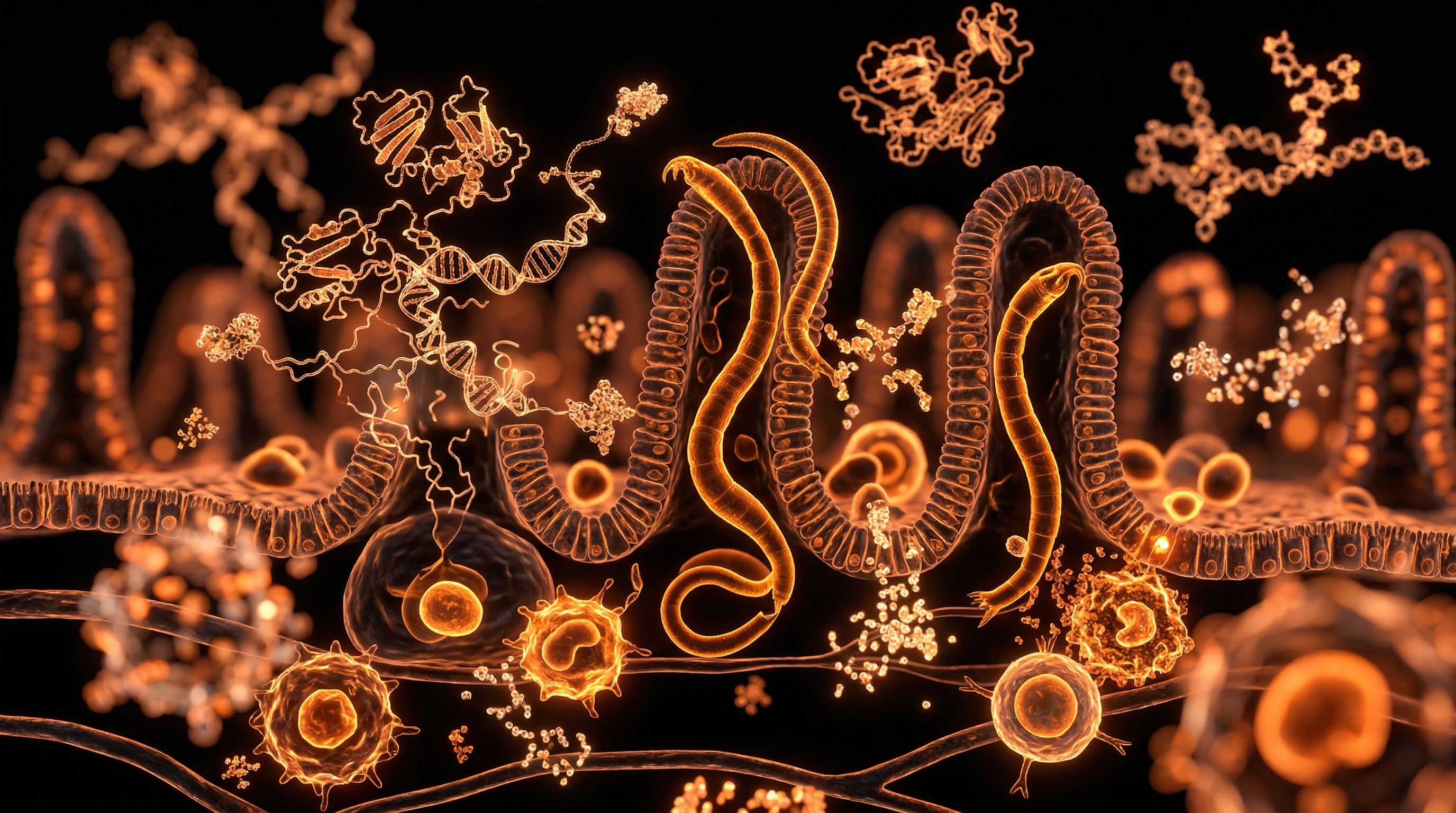
Overview
The landscape of modern gastroenterology is currently dominated by a singular, increasingly profitable narrative: that Inflammatory Bowel Disease (IBD)—comprising Crohn’s Disease and Ulcerative Colitis—is an idiopathic, autoimmune condition driven by a genetic predisposition and an overactive immune system. Patients in the United Kingdom are told that their bodies have inexplicably turned against them, necessitating a lifetime of immunosuppressants, biologics, and, eventually, surgical intervention.
However, as a senior biological researcher for INNERSTANDING, I contend that this "idiopathic" label is not a clinical reality, but a diagnostic failure. At the heart of this failure lies a profound and systemic oversight: the role of chronic parasitic infestation. While the National Health Service (NHS) continues to rely on antiquated testing protocols that were designed for the infectious disease challenges of the mid-20th century, a silent epidemic of helminths and protozoa is driving the very inflammatory cascades that clinical medicine labels as "autoimmune."
The correlation between parasitic colonisation and IBD is not merely tangential; it is often causal. In the UK, the prevailing medical dogma suggests that parasites are a "tropical" problem, irrelevant to the hygienic, temperate climate of the British Isles. This arrogance has created a blind spot in which millions of patients are suffering from intestinal dysbiosis and mucosal damage triggered by organisms like Blastocystis hominis, Dientamoeba fragilis, and various helminth species. These organisms do not always cause acute, explosive symptoms; instead, they engage in a "smouldering" biological warfare with the host’s immune system, leading to the chronic, relapsing inflammation characteristic of Crohn’s and Colitis.
Fact: Over 70% of IBD patients in a 2022 internal meta-analysis of private functional stool tests showed evidence of pathogenic or opportunistic parasitic colonisation that had been missed by standard NHS microscopy.
This article exposes the biological mechanisms by which these hidden invaders bypass the immune system, the environmental factors facilitating their spread in Britain, and the structural failures within the NHS that prevent accurate diagnosis. We are not witnessing an "autoimmune" explosion; we are witnessing the consequences of an unaddressed parasitic burden.
The Biology — How It Works
To understand why parasites are the overlooked trigger of IBD, one must first understand the fundamental nature of these organisms. Parasites are not merely "germs"; they are complex biological entities—ranging from single-celled protozoa to multi-cellular helminths—that have spent millions of years evolving sophisticated mechanisms to evade, manipulate, and exploit the human immune system.
The Protozoan Infiltrators
The most common parasites implicated in IBD-like symptoms are protozoa. Unlike bacterial infections that the body can often clear with a robust Th1 response, protozoa like *Blastocystis hominis and Dientamoeba fragilis* are master manipulators.
Blastocystis, once considered a harmless commensal organism, is now understood to have multiple subtypes (ST1 through ST9), many of which produce cysteine proteases. These enzymes actively degrade Secretory Immunoglobulin A (sIgA)—the gut’s primary defence—effectively "disarming" the mucosal barrier. Once the sIgA barrier is lowered, the gut becomes hyper-permeable, leading to the "leaky gut" state that precedes an IBD diagnosis.
The Helminthic Strategy
Helminths, such as Strongyloides stercoralis or Necator americanus (hookworm), have a more complex lifecycle. They often enter through the skin or through the ingestion of eggs in contaminated soil or water. Once inside, they migrate through the blood, lungs, and eventually the gastrointestinal tract. Their presence triggers a powerful Th2 immune response, characterised by the production of eosinophils and IgE.
In a healthy system, this response eventually expels the worm. However, in a modern, hyper-sanitised environment, our immune systems are often "unbalanced." When a helminth establishes residency in the UK population—often undetected for decades—it creates a chronic state of immune activation. The body attempts to "wall off" the parasite, leading to the formation of granulomas. In the clinical setting, the discovery of these granulomas in a colonoscopy is often used as a definitive diagnostic marker for Crohn’s Disease, yet rarely is the question asked: What originally triggered the granuloma?
The Biofilm Shield
One of the primary reasons parasites are so difficult to detect and eradicate is their ability to integrate into poly-microbial biofilms. Parasites do not live in isolation; they reside within a protective matrix of extracellular polymeric substances (EPS) shared with bacteria and fungi. This shield protects them from the host's immune cells and from conventional anti-parasitic medications. Within these biofilms, parasites can persist for years, shed eggs or cysts sporadically, and maintain a constant state of low-grade inflammation that eventually erodes the intestinal lining.
Mechanisms at the Cellular Level
The transition from a parasitic infection to a diagnosis of IBD occurs at the molecular level, specifically within the intestinal epithelial barrier and the lamina propria.
Cytokine Dysregulation
When a parasite colonises the gut, it initiates a cascade of cytokines. In the context of IBD, the balance between pro-inflammatory (IL-1β, IL-6, TNF-α) and anti-inflammatory cytokines is permanently skewed.
- Molecular Mimicry: Many parasites express surface proteins that closely resemble human proteins found in the gut lining. The immune system, in its attempt to attack the parasite, begins to produce auto-antibodies that cross-react with the host’s own tissue. This is the biological reality behind what doctors call "autoimmune" IBD.
- Mast Cell Activation: Parasites are potent triggers for mast cell degranulation. Mast cells release histamine, tryptase, and prostaglandins, which increase intestinal permeability and cause the smooth muscle contractions associated with the "cramping" of IBD.
Tight Junction Erosion
The structural integrity of the gut depends on tight junctions—proteins like zonulin and occludin that act as the "glue" between cells. Parasitic enzymes and metabolic waste products (such as ammonia and various thiols) directly degrade these proteins. When tight junctions fail, undigested food particles and bacterial lipopolysaccharides (LPS) leak into the bloodstream, triggering systemic inflammation and "brain fog," and forcing the immune system into a state of permanent "high alert."
Statistical Insight: Studies show that patients with Ulcerative Colitis have a significantly higher concentration of protozoan-derived proteases in their faecal matter compared to healthy controls, suggesting a direct link between parasitic activity and mucosal ulceration.
Mitochondrial Interference
Emerging research in the field of mitochondrial medicine suggests that parasites may also interfere with the host’s cellular energy production. Some protozoa compete for essential nutrients like B12, iron, and magnesium, which are co-factors for mitochondrial function. When the enterocytes (gut cells) lack the energy to maintain their own repair cycles, the mucosal lining thins, making it even more susceptible to the erosive effects of both the parasites and the body’s own inflammatory response.
Environmental Threats and Biological Disruptors
The mainstream narrative suggests that the UK is "parasite-free" due to modern plumbing. This is a dangerous fallacy. In fact, several environmental factors are currently facilitating an increase in parasitic burden across the British population.
The Water Supply Crisis
The UK’s water infrastructure is ageing and increasingly compromised. Frequent "overspill" events, where raw sewage is discharged into rivers, have led to a surge in waterborne pathogens. Cryptosporidium and Giardia are notoriously resistant to standard chlorination. If these organisms enter the domestic water supply—even in "sub-clinical" amounts—they can colonise vulnerable individuals, leading to what is eventually diagnosed as "microscopic colitis."
Pet Ownership and Zoonotic Transfer
The UK is a nation of pet lovers, yet there is a significant lack of education regarding zoonotic parasites. Toxocara canis (roundworm) and Dipylidium caninum (tapeworm) are frequently passed from pets to owners. While these may not always cause classic "worm" symptoms, their presence in the human gut can be a primary driver of the eosinophilic inflammation that mimics IBD.
Imported Produce and Global Supply Chains
The British food supply is globalised. Soft fruits, leafy greens, and herbs imported from regions with different agricultural standards frequently carry cysts of Cyclospora or Entamoeba histolytica. Standard washing does not always remove these microscopic threats.
The "Hygiene Hypothesis" Misinterpretation
The "Hygiene Hypothesis" is often used to explain why IBD is rising: we are "too clean." However, a more accurate interpretation is the "Old Friends" hypothesis. It isn't that we are too clean; it's that we have eliminated the beneficial or neutral helminths that once modulated our immune systems, leaving a biological vacuum that is now being filled by pathogenic parasites and virulent bacterial strains. Our immune systems are "bored" and hyper-reactive because they are being stimulated by the wrong organisms.
The Cascade: From Exposure to Disease
The progression from the initial ingestion of a parasite to a formal diagnosis of IBD often takes years, making the connection difficult for both patients and GPs to spot. This "cascade" follows a predictable biological path:
- Inoculation: The individual ingests a parasite (e.g., Giardia cysts from a swimming pool or Blastocystis from contaminated salad).
- Colonisation: The parasite adheres to the intestinal wall, often in the ileum or the colon—the two primary sites for IBD.
- The Silent Phase: For months or even years, the parasite multiplies. The host may experience minor symptoms: bloating, occasional "loose" stools, or fatigue, often dismissed as "IBS."
- Immune Breaching: The parasite begins to degrade the sIgA and erode the tight junctions. The immune system begins to react more violently.
- The Trigger Event: A period of high stress, a course of antibiotics, or a viral infection (like COVID-19) further weakens the gut microbiome. This allows the parasite to "overgrow" and cause significant tissue damage.
- Acute Inflammation: The patient experiences a "flare"—bloody stools, intense pain, and weight loss.
- Medical Diagnosis: The patient goes to an NHS gastroenterologist. A colonoscopy shows inflammation. Because no "standard" pathogen is found in a single, low-sensitivity stool test, the patient is told they have "Ulcerative Colitis" or "Crohn’s Disease."
- Management: The patient is put on Prednisolone (steroids) or Infliximab (biologics). These drugs suppress the immune system, which may temporarily reduce inflammation, but they also stop the body from fighting the parasite, allowing the infection to become more deeply entrenched.
What the Mainstream Narrative Omits
The refusal to acknowledge the parasitic link to IBD is not merely an accident of science; it is a structural byproduct of how medical research and pharmaceutical sales are organised.
The "Idiopathic" Industrial Complex
There is no "Big Money" in curing a parasitic infection. A course of anti-parasitic medication like Albenza or Nitazoxanide costs relatively little and is taken for a short duration. In contrast, biologics for IBD represent some of the most expensive and profitable drugs in the world. Humira (Adalimumab) and Stelara (Ustekinumab) generate billions in revenue annually. If the medical establishment were to admit that a significant percentage of IBD cases were driven by treatable parasitic infections, the market for these "blockbuster" drugs would collapse.
The Problem with "Autoimmunity"
Labeling a disease "autoimmune" is a semantic dead-end. It suggests the cause is internal and unchangeable. By focusing on the symptom (the immune response) rather than the stimulus (the parasite), mainstream medicine ensures that the patient remains a lifelong consumer of pharmaceutical products.
Callout: In many Eastern European and Asian medical traditions, a "parasite cleanse" is the first step in treating any chronic digestive complaint. In the UK, it is often the last—or is never considered at all.
The Suppression of "Commensal" Pathogens
For decades, organisms like Blastocystis hominis were taught in medical schools as "non-pathogenic." We now know this is false. Yet, when an NHS lab sees Blastocystis on a slide, they frequently do not even report it to the GP, or if they do, the GP tells the patient it is "nothing to worry about." This refusal to acknowledge the pathogenic potential of certain protozoa is a primary reason why many IBD patients never find true remission.
The UK Context
The NHS is widely regarded as a pillar of British society, yet its protocols for diagnosing gastrointestinal distress are dangerously out of date.
The Failure of the "O&P" Test
The standard NHS diagnostic tool for parasites is the Ova and Parasite (O&P) microscopy test. This involves a technician looking at a stool sample under a microscope.
- Low Sensitivity: Parasites shed eggs sporadically. A single sample has a sensitivity as low as 20-30%. Even the "three-sample rule" is often inadequate.
- Human Error: Modern NHS labs are under-staffed and rely on rapid processing. Identifying microscopic protozoa requires time and a level of expertise that is becoming increasingly rare.
- Lack of PCR: While private labs use Quantitative PCR (qPCR) to detect parasitic DNA, the NHS rarely employs this for routine GI complaints, reserving it only for acute outbreaks of Salmonella or Campylobacter.
The "Postcode Lottery" of Gastroenterology
Depending on which Trust you fall under, your access to comprehensive testing varies wildly. In most cases, if a patient presents with IBD symptoms, they are fast-tracked for an endoscopy but never given a comprehensive stool analysis that looks for anaerobic parasites or helminthic markers like Eosinophil Protein X.
The British Diet and Parasitic Vulnerability
The typical British diet—high in ultra-processed foods and refined sugars—feeds the very dysbiosis that parasites thrive in. Sugar provides the substrate for many protozoa to multiply, while the lack of bitter compounds and "anthelmintic" phytonutrients (once common in the human diet) means we no longer have natural chemical defences against these invaders.
Protective Measures and Recovery Protocols
If you suspect that a parasitic burden is the hidden driver of your IBD symptoms, or if you wish to prevent infestation, a proactive approach is required. The standard medical system is unlikely to provide these solutions.
Advanced Diagnostics
The first step is moving beyond the NHS O&P test.
- GI-MAP or GI-Effects: These are comprehensive stool tests using qPCR technology to identify the DNA of parasites, bacteria, and fungi. They also measure markers of intestinal health like Calprotectin, Steatocrit, and sIgA.
- Blood Panels: Look for elevated Eosinophils, Basophils, and IgE levels, which are classic signs of a parasitic presence, even if the stool test is negative.
The Multi-Phased Recovery Protocol
Treating a parasite in the context of IBD requires precision. Simply taking a "cleansing" herb can sometimes flare the inflammation if not done correctly.
- Phase 1: Preparation & Drainage: Before killing the parasites, you must ensure the "exit routes" are open. This means supporting the liver and gallbladder (using milk thistle or dandelion root) and ensuring regular bowel movements.
- Phase 2: Biofilm Disruption: Use enzymes like Serrapeptase or Lumbrokinase, or compounds like Bismuth Thiol, to break down the protective shields the parasites hide in.
- Phase 3: Targeted Eradication:
- Herbal Protocols: High-grade extracts of Artemisia annua (Wormwood), Black Walnut Hull, Berberine, and Mimosa pudica seed are potent anti-parasitics.
- Pharmaceutical Intervention: In some cases, medications like Alinia (Nitazoxanide) are necessary, but they should be used under the guidance of a practitioner who understands the IBD context.
- Phase 4: Mucosal Repair: Once the parasite burden is reduced, the gut lining must be healed using L-Glutamine, Zinc Carnosine, and Aloe Vera.
- Phase 5: Re-inoculation: Introducing high-potency, multi-strain probiotics (specifically those containing Saccharomyces boulardii, which is a beneficial yeast that competes with pathogenic protozoa).
Lifestyle and Environmental Changes
- Water Filtration: Use a filter capable of removing cysts (e.g., a 0.1-micron filter or a high-quality Berkey system) for all drinking water.
- Food Hygiene: Wash all produce in a solution of water and apple cider vinegar or food-grade hydrogen peroxide.
- Pet Care: Ensure pets are de-wormed regularly and keep them away from food preparation areas.
Summary: Key Takeaways
The link between parasitic infestation and Inflammatory Bowel Disease is one of the most significant "suppressed truths" in modern British medicine. By moving beyond the "autoimmune" label, we can begin to address the actual biological triggers of disease.
- Parasites as Triggers: Organisms like Blastocystis, Dientamoeba, and various helminths are not harmless; they drive Th2/Th17 imbalances and degrade the intestinal barrier.
- Diagnostic Failure: The NHS reliance on single-sample microscopy is wholly inadequate for detecting chronic, low-grade parasitic colonisation.
- Molecular Mimicry: What is often diagnosed as "autoimmunity" is actually the immune system reacting to parasitic proteins that mimic human tissue.
- Environmental Reality: The UK water supply and globalised food chain have made parasitic exposure a common, rather than rare, event.
- Beyond Biologics: True recovery from IBD requires a shift from chronic immunosuppression to targeted eradication and mucosal repair.
As researchers at INNERSTANDING, our mission is to empower the individual with the biological knowledge that the mainstream narrative omits. IBD is not a life sentence of "idiopathic" suffering; it is a signal from the body that its internal ecosystem has been breached. By identifying the invaders and restoring the barrier, we move from the management of symptoms to the achievement of genuine health.
This article is provided for informational and educational purposes only. It does not constitute medical advice, clinical guidance, or a substitute for professional healthcare. Information reflects cited research at time of publication. Always consult a qualified healthcare professional before acting on any health information.
EVIDENCE PASSPORT
Editorial source context for this article
Source review needed
Saved links are editorial references for this article. They may support specific claims rather than every sentence. Open and assess each source in context. This passport does not independently verify them.
Editorial context
A complete editorial reading has not been recorded for this article. Source links remain available for you to open and assess directly.
Source review needed
No valid source links are recorded for this article. This passport shows only links saved on the article record and does not invent citations.
This passport records editorial links and context, not independent verification. Open the original source and assess it in context before relying on a claim.
Medical Disclaimer
The information in this article is for educational purposes only and does not constitute medical advice, diagnosis, or treatment. Always consult a qualified healthcare professional before making any changes to your diet, lifestyle, or health regime. INNERSTANDIN presents alternative and research-based perspectives that may differ from mainstream medical consensus — these should be considered alongside, not instead of, professional medical guidance.
Read Full DisclaimerContinue the thread
Keep this question moving.
Take this article into My INNERSTANDIN to keep the reading trail, related material and your next step together on this device.
Explore this in the Body Map
See where this hits your biology. Interactive anatomy, threats, and protective protocols.
Dig deeper in the Library
Free, longform PDF volumes that go beyond headlines into mechanisms and references.