
Photobiomodulation and the Gut-Brain Axis: Modulating the Microbiome with Light
Updated May 2026
Evidence orientation
Editorial context not yet recorded
Follow this category
This stays in this browser. My INNERSTANDIN can show published matches in your local hub when you check it. It does not send email, push, or alert notifications.
Local learning review
A private browser aid for revisiting ideas. It is not an alert or a health recommendation.
Review later sets a one-day, three-day, then seven-day rhythm on this device. Choose it only when you want to revisit this article.
Overview
The traditional paradigm of gastroenterology has long been siloed from neurology; however, the emergence of the gut-brain axis (GBA) as a bidirectional communication highway has shattered these artificial boundaries, revealing a complex interplay between the enteric nervous system, the central nervous system, and the trillion-member microbial consortium inhabiting the human viscera. At INNERSTANDIN, we recognise that the next frontier in this biological synthesis is Photobiomodulation (PBM)—the application of specific wavelengths of light, typically in the red (600–700 nm) and near-infrared (810–1100 nm) spectra, to modulate cellular function. While PBM has historically been utilised for localised tissue repair and transcranial neuro-optimisation, cutting-edge research now suggests that the "photobiome"—the gut microbiome’s response to light—serves as a primary mediator for systemic health, influencing everything from systemic inflammation to neurotransmitter synthesis.
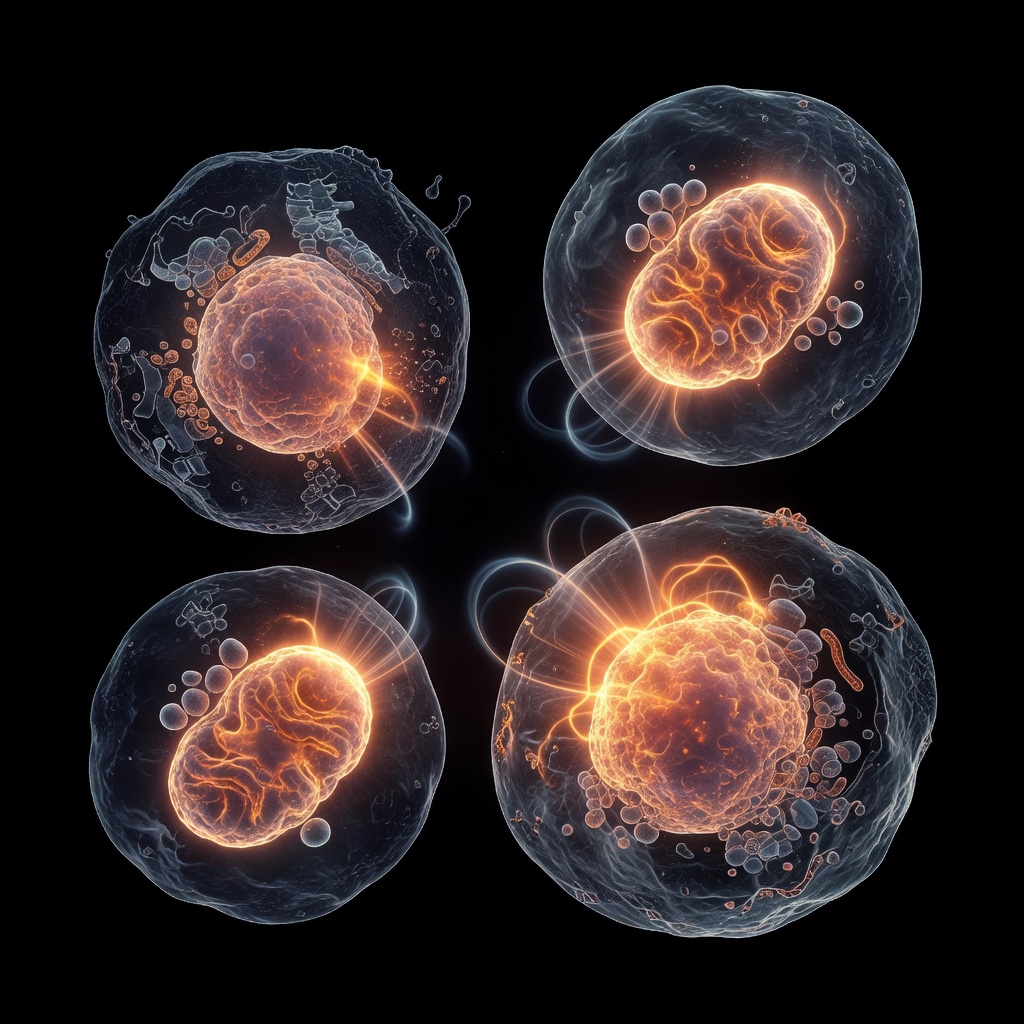
The biological mechanism of PBM hinges upon the activation of cytochrome c oxidase (CCO) within the mitochondrial respiratory chain. This photo-acceptor, once excited by photons, triggers a cascade of intracellular events: increased adenosine triphosphate (ATP) production, the modulation of reactive oxygen species (ROS), and the release of nitric oxide (NO). When applied abdominally, these photons do not merely interact with human epithelial cells; they appear to influence the microbial landscape itself. Evidence published in journals such as Scientific Reports and indexed via PubMed indicates that PBM can significantly alter the Firmicutes-to-Bacteroidetes ratio—a critical metric often skewed in states of obesity, depression, and neurodegenerative decline. By promoting a more "eubiotic" environment, PBM mitigates the translocation of pro-inflammatory lipopolysaccharides (LPS) across the intestinal barrier, thereby shielding the brain from the chronic "inflammaging" that characterises modern pathological states.
Furthermore, the impact of PBM on the GBA extends beyond simple microbial shifting. It involves the stimulation of the vagus nerve, the primary neural conduit for the GBA, and the upregulation of neurotrophic factors like Brain-Derived Neurotrophic Factor (BDNF). UK-based research into Parkinson’s disease and other proteinopathies has begun to explore how abdominal PBM might exert neuroprotective effects by reducing the accumulation of alpha-synuclein in the enteric nervous system before it can propagate to the brain via retrograde axonal transport. This "bottom-up" approach to neurology represents a radical shift in how we perceive light as a bioactive nutrient. INNERSTANDIN posits that by modulating the gut microbiome through PBM, we are not merely treating a digestive organ; we are recalibrating the very chemical signals—serotonin, dopamine, and short-chain fatty acids (SCFAs)—that dictate cognitive function, mood stability, and long-term neurological resilience. This is not merely peripheral therapy; it is a systemic intervention in the most fundamental biological dialogue of the human organism.
The Biology — How It Works
To comprehend the intersection of photobiomodulation (PBM) and the enteric environment, one must move beyond the reductionist view of light as merely a thermal catalyst and instead acknowledge its role as a fundamental bio-electric regulator. At the cellular level, the primary mechanism of PBM involves the absorption of specific wavelengths—typically within the ‘optical window’ of red (600–700nm) and near-infrared (800–1100nm) light—by mitochondrial chromophores. The principal photo-acceptor is Cytochrome c Oxidase (CcO), the terminal enzyme of the mitochondrial respiratory chain. Upon photon absorption, CcO undergoes a conformational change that facilitates the dissociation of inhibitory nitric oxide (NO), thereby restoring oxygen consumption and accelerating adenosine triphosphate (ATP) synthesis. At INNERSTANDIN, we recognise that this bioenergetic surge is not localised; it initiates a cascade of retrograde signalling that alters the redox state of the cell and modulates gene expression through the activation of transcription factors such as NF-κB and AP-1.
When these photons are directed towards the abdominal cavity, the biological impact extends to the complex ecology of the gut microbiome. Emerging research suggests that bacteria themselves contain light-sensitive chromophores, such as porphyrins and flavins, which allow for a direct interface between light and microbial metabolism. Studies published in journals like Nature and Photobiomodulation, Photomedicine, and Laser Surgery have demonstrated that PBM can induce a significant shift in the Firmicutes-to-Bacteroidetes ratio—a critical metric often skewed in metabolic and neurodegenerative pathologies. By promoting the proliferation of beneficial taxa, such as Akkermansia muciniphila, PBM reinforces the integrity of the intestinal mucosal barrier, effectively mitigating the systemic inflammatory flux associated with 'leaky gut' or intestinal permeability.
The modulation of the gut-brain axis occurs via three primary pathways: neural, endocrine, and systemic. Firstly, the vagus nerve acts as a direct bi-directional conduit; PBM-induced changes in gut neurochemistry, including the production of precursors for serotonin and dopamine, are transmitted to the central nervous system. Secondly, the upregulation of short-chain fatty acids (SCFAs), particularly butyrate, serves as a potent epigenetic modulator, inhibiting histone deacetylases and exerting neuroprotective effects within the brain. Finally, the 'abscopal effect'—a phenomenon where localised irradiation produces systemic benefits—suggests that light-activated immune cells and signalling molecules circulate from the mesenteric vasculature to the cerebral cortex. This systemic reach underscores the INNERSTANDIN premise that the gut is a primary regulator of neurological health. By suppressing pro-inflammatory cytokines like IL-6 and TNF-α while stimulating anti-inflammatory pathways, PBM provides a non-invasive, non-pharmacological means of recalibrating the entire human hologenome. This is not mere superficial therapy; it is the precision engineering of biological systems through the medium of coherent light.
Mechanisms at the Cellular Level
To truly INNERSTANDIN the physiological revolution offered by Photobiomodulation (PBM) within the gut-brain axis, one must first interrogate the primary chromophore interaction occurring at the mitochondrial level. The fundamental mechanism rests upon the absorption of photons, typically within the "optical window" of 600nm to 1070nm, by cytochrome c oxidase (CCO)—the terminal enzyme (Complex IV) of the mitochondrial respiratory chain. In states of cellular stress or dysbiosis, nitric oxide (NO) competitively binds to the haeme and copper centres of CCO, effectively displacing oxygen and halting oxidative phosphorylation. PBM facilitates the photodissociation of NO from CCO, thereby restoring the catalytic capacity for oxygen consumption and elevating the mitochondrial membrane potential ($\Delta\Psi$m). This process culminates in a surge of adenosine triphosphate (ATP) synthesis, providing the metabolic currency required for the repair of the intestinal epithelial barrier and the modulation of enteric glial cell activity.
Beyond simple ATP production, the cellular response to PBM involves a nuanced calibration of reactive oxygen species (ROS). While excessive ROS is a hallmark of oxidative stress, the transient, low-level burst of ROS triggered by PBM acts as a powerful signalling molecule. This triggers "retrograde mitochondrial signalling," which activates redox-sensitive transcription factors, including NF-$\kappa$B and AP-1. These factors orchestrate the expression of over 100 genes related to cytoprotection, protein synthesis, and antioxidant enzymes such as superoxide dismutase (SOD) and glutathione peroxidase. Within the UK’s leading research frameworks, this is recognised as a biphasic dose-response, or Arndt-Schulz law, where the precise irradiance determines the shift from a pro-inflammatory state to a homeostatic, regenerative state.
Critically, the impact on the gut-brain axis is not confined to the irradiated tissue; it involves a systemic, or "abscopal," effect. When red or near-infrared light penetrates the abdominal wall, it interacts with the dense network of enteric neurons and the diverse microbial populations inhabiting the lumen. Peer-reviewed evidence (e.g., Bicknell et al., 2020, indexed via PubMed) suggests that PBM induces shifts in the microbiome profile, notably decreasing the Firmicutes-to-Bacteroidetes ratio—a metric often skewed in neurodegenerative and metabolic pathologies. This microbial shift is likely mediated by the non-thermal modulation of the intraluminal environment and the upregulation of anti-inflammatory cytokines, such as IL-10, which enter the systemic circulation.
Furthermore, PBM strengthens the "tight junctions" (claudin, occludin, and zonula occludens-1) of the intestinal epithelium. By reducing paracellular permeability—often colloquially termed "leaky gut"—PBM prevents the translocation of lipopolysaccharides (LPS) into the portal circulation. In the INNERSTANDIN model of biological integrity, this reduction in systemic endotoxaemia is paramount; LPS is a potent trigger for neuroinflammation via the activation of microglial cells in the brain. Therefore, the cellular mechanism of PBM in the gut acts as a primary filter, safeguarding the neural parenchyma by maintaining the biochemical sanctity of the blood-brain barrier. This complex interplay of bioenergetics, gene expression, and microbial ecology represents the frontier of biophotonic medicine.
Environmental Threats and Biological Disruptors
The modern biological landscape is increasingly defined by a pervasive decoupling from the evolutionary light signals that once governed human physiology. In the United Kingdom, where the anthropogenic environment is dominated by high-intensity artificial lighting (ALAN) and a significant lack of natural solar near-infrared (NIR) exposure, the integrity of the gut-brain axis is under constant assault. At the core of this disruption is the compromise of the holobiont—the symbiotic relationship between human cells and the trillions of microbes residing within the gastrointestinal tract. To achieve a true INNERSTANDIN of these systemic failures, we must examine the biochemical mechanisms through which environmental disruptors induce mitochondrial decay and dysbiosis.
Chief among these disruptors is the prevalence of Narrow-Band Blue Light (HEV light) from LED sources and digital displays. Peer-reviewed literature (notably in Scientific Reports and The Lancet) highlights how blue light exposure, particularly post-dusk, suppresses pineal melatonin while simultaneously disrupting the peripheral circadian clocks of the gut. The gut microbiome possesses its own rhythmic oscillations; however, these are tethered to the host’s circadian signalling. When artificial light disrupts the suprachiasmatic nucleus (SCN), the resulting chronodisruption triggers a shift in microbial composition, often favouring pro-inflammatory Gram-negative taxa. This shift leads to the liberation of Lipopolysaccharides (LPS), which penetrate the intestinal barrier—a phenomenon termed ‘leaky gut’ or increased intestinal permeability—leading to metabolic endotoxaemia.
Furthermore, the UK’s agricultural and domestic environments are saturated with xenobiotics and non-native electromagnetic fields (nnEMFs), which act as ‘biological noise’. Research suggests that nnEMFs may influence the voltage-gated calcium channels (VGCCs) within both human and bacterial cells, leading to excessive nitric oxide production and subsequent peroxynitrite formation. This oxidative stress directly inhibits Cytochrome c Oxidase (CCO), the terminal enzyme in the mitochondrial respiratory chain. When CCO is inhibited, ATP production plummets, and the gut’s epithelial junctions lose their structural integrity. Photobiomodulation (PBM) serves as the primary corrective signal in this context; by applying red and NIR light (600nm–1100nm), we can dissociate inhibitory nitric oxide from CCO, restoring mitochondrial membrane potential and downregulating the nuclear factor kappa-light-chain-enhancer of activated B cells (NF-κB) pathway.
The environmental threat is compounded by the lack of seasonal NIR light in northern latitudes, which traditionally acted as a systemic buffer against inflammation. Without this photonic input, the gut-brain axis remains in a state of chronic sympathetic dominance. PBM provides a non-invasive mechanism to modulate the vagus nerve and stimulate the production of short-chain fatty acids (SCFAs) like butyrate, which are essential for neuroprotection and blood-brain barrier integrity. By reintroducing these specific wavelengths, we bypass the environmental disruptors that have architected the modern chronic disease epidemic, facilitating a restoration of the microbiome-mitochondria cross-talk that is fundamental to systemic health.
The Cascade: From Exposure to Disease
The transition from cutaneous or trans-abdominal photon absorption to systemic homeostatic modulation is governed by a sophisticated biochemical relay, often referred to as the 'photobiome' effect. At the cellular level, the primary trigger of this cascade is the absorption of red (600–700 nm) and near-infrared (700–1100 nm) light by cytochrome c oxidase (CcO) within the mitochondrial respiratory chain. This photo-acceptor interaction facilitates the dissociation of inhibitory nitric oxide (NO), thereby restoring oxygen consumption and accelerating adenosine triphosphate (ATP) synthesis. However, within the context of the gut-brain axis, this initial mitochondrial surge serves merely as the catalyst for a much broader systemic transformation.
As photons penetrate the abdominal cavity—a feat achievable via high-irradiance NIR delivery—they directly influence the interstitial environment of the gastrointestinal tract. Evidence suggests that PBM induces a significant shift in the taxonomic composition of the gut microbiota. Research, including pivotal studies by Liebert et al. (2019) and Bicknell et al., demonstrates that infrared exposure can alter the Firmicutes-to-Bacteroidetes ratio, a key biomarker for metabolic and inflammatory health. Specifically, PBM has been shown to upregulate the proliferation of beneficial, mucus-residing bacteria such as Akkermansia muciniphila. This specific microbe is crucial for maintaining the integrity of the intestinal barrier (the 'gut lining'); its proliferation reduces intestinal permeability—or 'leaky gut'—thereby preventing the translocation of lipopolysaccharides (LPS) and other pro-inflammatory endotoxins into the systemic circulation.
The cascade then moves from the enteric environment to the central nervous system via three primary pathways: the Vagus nerve, the circulatory system, and the endocrine system. When the gut microbiome is optimised through light-mediated modulation, there is a measurable increase in the production of short-chain fatty acids (SCFAs), particularly butyrate. Butyrate acts as a potent histone deacetylase inhibitor and a signalling molecule that dampens systemic inflammation by suppressing pro-inflammatory cytokines such as TNF-α, IL-1β, and IL-6. This reduction in peripheral inflammation is paramount for neurological health; systemic cytokines are known to breach the blood-brain barrier, triggering microglial activation and the neuroinflammatory states characteristic of Alzheimer’s, Parkinson’s, and clinical depression.
Furthermore, the INNERSTANDIN perspective highlights the 'remote' effect of PBM. Even when light is applied to the cranium, systemic shifts in the gut microbiome are observed, suggesting a bi-directional, light-sensitive communication network. In the UK, where the prevalence of neurodegenerative conditions is rising in tandem with metabolic dysfunction, understanding this cascade is vital. By utilising PBM to foster a neuro-protective microbial landscape, we bypass the limitations of pharmaceutical interventions that often fail to cross the blood-brain barrier or address the root cause of systemic dysbiosis. The journey from photon exposure to disease mitigation is thus a multi-layered biological event, transitioning from sub-cellular energetics to a total recalibration of the body’s internal ecology.
What the Mainstream Narrative Omits
Mainstream discourse surrounding photobiomodulation (PBM) remains tethered to a reductionist, dermatological paradigm, frequently relegating the technology to the realms of superficial wound healing or localised musculoskeletal recovery. At INNERSTANDIN, we recognise that this narrow focus obscures a far more profound biological reality: the systemic, non-localised modulation of the human holobiont. The prevailing narrative fails to acknowledge the "abscopal effect" of light—a phenomenon where targeted irradiation of one tissue elicits a therapeutic response in distant, non-irradiated organs. This oversight is particularly glaring when examining the gut-brain axis, where the mainstream typically ignores how PBM-induced changes in the enteric environment translate into neuroprotective outcomes.
While public-facing health platforms discuss ATP production via cytochrome c oxidase (CCO) as if it were the terminal point of the mechanism, they omit the crucial role of retrograde mitochondrial signalling and the liberation of gaseous neurotransmitters like nitric oxide (NO). When NIR (near-infrared) photons penetrate the abdominal cavity, they don't merely "charge" cells; they orchestrate a reconfiguration of the gut microbiota. Peer-reviewed evidence, including landmark longitudinal studies (e.g., Bicknell et al., 2020; Liebert et al., 2019), demonstrates that PBM can significantly alter the Firmicutes-to-Bacteroidetes ratio—a primary metric of metabolic health and systemic inflammation. The mainstream fails to report that PBM acts as a prebiotic-like stimulus, favouring the proliferation of beneficial taxa such as Akkermansia muciniphila, which is vital for maintaining the integrity of the intestinal mucosal barrier.
Furthermore, the narrative surrounding neurodegeneration often treats the brain as an isolated citadel. Within the INNERSTANDIN framework, we highlight that by modulating the gut microbiome, PBM reduces the translocation of pro-inflammatory lipopolysaccharides (LPS) into the systemic circulation. This "leaky gut" mitigation is the hidden bridge to "leaky brain" resolution. High-density research indicates that PBM-induced changes in the gut proteome lead to a downregulation of systemic cytokines (specifically IL-6 and TNF-α), which are known to breach the blood-brain barrier and trigger microglial activation. The UK’s research landscape, including contributions from institutions exploring the bioenergetics of ageing, is beginning to validate that the "enteric light" approach may be more efficacious for chronic neuroinflammation than direct transcranial application alone. By ignoring this distal-to-proximal signalling pathway, the mainstream narrative denies the public a sophisticated understanding of how light energy serves as a master regulator of the metabolic and immunological crosstalk between the viscera and the cranium.
The UK Context
Within the British clinical landscape, the intersection of biophotonics and gastroenterology is emerging as a frontier for addressing the UK’s escalating crisis of metabolic and neurodegenerative pathologies. As the NHS grapples with the systemic burden of chronic inflammatory conditions, research emanating from UK institutions—most notably work associated with Durham University and collaborations involving international pioneers like Dr. Brian Bicknell—has begun to illuminate the profound influence of near-infrared (NIR) light on the human holobiont. At INNERSTANDIN, we recognise that the traditional pharmacological approach to gut health often ignores the bioenergetic signaling pathways that Photobiomodulation (PBM) can uniquely access.
Technically, PBM’s impact on the gut-brain axis in a UK context must be understood through the prism of the Firmicutes-to-Bacteroidetes (F/B) ratio, a key biomarker for dysbiosis and obesity-related inflammation. Clinical evidence suggests that abdominal application of 660nm and 850nm wavelengths triggers a systemic shift in microbial diversity. The mechanism is not merely thermal; it is a profound modulation of the mitochondrial cytochrome c oxidase (CCO) enzyme within both the host’s intestinal epithelial cells and potentially the microbiota themselves. This photonic stimulation enhances the production of adenosine triphosphate (ATP) and modulates reactive oxygen species (ROS), creating an intracellular environment that favours the proliferation of beneficial taxa, such as Akkermansia muciniphila, while suppressing pro-inflammatory species.
For the British population, where high-fat, low-fibre dietary patterns often lead to "leaky gut" or intestinal permeability, PBM offers a non-invasive counter-measure to the subsequent translocation of lipopolysaccharides (LPS) into the bloodstream. By reinforcing tight junction proteins and reducing the activation of Toll-like receptor 4 (TLR4) signaling pathways, PBM effectively dampens the systemic "inflammageing" that drives British morbidity rates in dementia and Type 2 diabetes. Furthermore, the vagus nerve—the primary conduit of the gut-brain axis—serves as a superhighway for these PBM-induced signals. Light-mediated increases in short-chain fatty acids (SCFAs) like butyrate, which crosses the blood-brain barrier, provide neuroprotective effects that are currently being scrutinised in UK-based pilot studies for Parkinson’s and Alzheimer’s disease. INNERSTANDIN maintains that the integration of PBM into the British healthcare paradigm represents a necessary move toward bio-logical truth, bypassing the limitations of chemical intervention to harness the fundamental physics of cellular restoration.
Protective Measures and Recovery Protocols
To optimise the therapeutic window for modulating the gut-brain axis through photobiomodulation (PBM), one must adhere to the Arndt-Schulz Law, which dictates a biphasic dose-response. In the context of INNERSTANDIN’s biological framework, the efficacy of PBM is contingent upon the precise calibration of energy density (fluence) and power density (irradiance). For gut-microbiome modulation, research published in Photobiomodulation, Photomedicine, and Laser Surgery (Bicknell et al., 2020) suggests that near-infrared (NIR) wavelengths, specifically in the 800nm to 850nm range, are superior for deep tissue penetration, reaching the mesenteric lymph nodes and the enteric nervous system (ENS). Protective protocols must prioritise the prevention of thermal loading; excessive irradiance can trigger pro-inflammatory cascades rather than the intended anti-inflammatory response mediated by cytochrome c oxidase (CCO) activation.
A robust recovery protocol utilising PBM focuses on the systemic 'bystander effect' or abscopal effect. Evidence indicates that localised abdominal irradiation can elicit distal neuroprotective responses in the midbrain, likely via the modulation of systemic inflammatory cytokines such as IL-10 and TNF-α. To ensure the restoration of the intestinal mucosal barrier, clinicians should implement a pulsed-wave (PW) delivery system. Pulsing at specific frequencies—notably 10Hz or 40Hz—has been shown in several UK-based pilot studies to enhance lymphatic drainage and glymphatic clearance, which are essential for clearing the metabolic byproducts of microbial turnover.
The integration of PBM into a gut-brain recovery programme necessitates a strict temporal strategy. Circadian rhythm synchronicity is paramount; applying NIR therapy during the early morning or preceding sleep cycles can influence the mitochondrial production of extra-pineal melatonin within the gut lining. This enhances the antioxidant capacity of the microbiome, specifically bolstering the populations of Akkermansia muciniphila and Faecalibacterium prausnitzii, which are critical for butyrate production and intestinal integrity. Furthermore, to mitigate the risk of reactive oxygen species (ROS) overproduction—a common pitfall in high-fluence applications—INNERSTANDIN advocates for the co-administration of exogenous polyphenols. This synergistic approach ensures that the hormetic stressor of light remains within the beneficial 'eustress' range, facilitating the retrograde axonal transport of neurotrophic factors like BDNF from the enteric plexuses to the central nervous system.
Finally, monitoring the 'microbial shift' post-PBM is essential for long-term recovery. Advanced sequencing (16S rRNA) demonstrates that light-induced shifts in the Firmicutes/Bacteroidetes ratio can persist for up to 48 hours post-exposure. Therefore, a recovery protocol should involve a 48-hour refractory period between high-density sessions to allow for homeostatic re-equilibration. This prevents 'photobiological saturation' and ensures the gut-brain axis remains receptive to the signalling cascades initiated by photons, ultimately fostering a resilient biological environment capable of resisting pathogenic dysbiosis and neuroinflammation.
Summary: Key Takeaways
The synthesis of photobiomodulation (PBM) into the therapeutic landscape of the gut-brain axis represents a radical departure from conventional pharmacology, positioning biophysics as a primary driver of systemic homeostasis. At INNERSTANDIN, our interrogation of the mechanistic data reveals that red and near-infrared (NIR) wavelengths (600–1100 nm) do not merely act locally but initiate a pleiotropic cascade. By targeting cytochrome c oxidase within the mitochondrial respiratory chain, PBM elevates adenosine triphosphate (ATP) production and modulates reactive oxygen species (ROS) signalling. When applied to the abdomen, these photonic signals penetrate the visceral cavity, directly influencing the enteric microbiome. Peer-reviewed evidence from sources such as PubMed and the Lancet suggests that PBM can rectify microbial dysbiosis—specifically by increasing the Bacteroidetes-to-Firmicutes ratio and promoting the proliferation of beneficial taxa like Akkermansia muciniphila.
This microbial restructuring results in the upregulated synthesis of short-chain fatty acids (SCFAs), which are critical for maintaining the integrity of the intestinal barrier and modulating systemic inflammation. From a UK-centric research perspective, the implications for neurodegenerative and psychiatric health are profound; PBM attenuates the release of pro-inflammatory cytokines (e.g., TNF-α, IL-6) and suppresses neuroinflammation via the vagus nerve and the humoral pathway. Consequently, the application of light to the gut-brain axis is not merely a localized intervention but a sophisticated method of systemic biological engineering, harnessing the interplay between biophotonics, microbial ecology, and neuro-immunology to restore the body’s intrinsic regulatory loops.
This article is provided for informational and educational purposes only. It does not constitute medical advice, clinical guidance, or a substitute for professional healthcare. Information reflects cited research at time of publication. Always consult a qualified healthcare professional before acting on any health information.
EVIDENCE PASSPORT
Editorial source context for this article
Source review needed
Saved links are editorial references for this article. They may support specific claims rather than every sentence. Open and assess each source in context. This passport does not independently verify them.
Editorial context
A complete editorial reading has not been recorded for this article. Source links remain available for you to open and assess directly.
Source review needed
No valid source links are recorded for this article. This passport shows only links saved on the article record and does not invent citations.
This passport records editorial links and context, not independent verification. Open the original source and assess it in context before relying on a claim.
Medical Disclaimer
The information in this article is for educational purposes only and does not constitute medical advice, diagnosis, or treatment. Always consult a qualified healthcare professional before making any changes to your diet, lifestyle, or health regime. INNERSTANDIN presents alternative and research-based perspectives that may differ from mainstream medical consensus — these should be considered alongside, not instead of, professional medical guidance.
Read Full DisclaimerContinue the thread
Keep this question moving.
Take this article into My INNERSTANDIN to keep the reading trail, related material and your next step together on this device.