
Polyphenols Beyond Antioxidants: Understanding the Antinutrient Side of Plant Defence Chemicals
Updated April 2026
Evidence orientation
Editorial context not yet recorded
Follow this category
This stays in this browser. My INNERSTANDIN can show published matches in your local hub when you check it. It does not send email, push, or alert notifications.
Local learning review
A private browser aid for revisiting ideas. It is not an alert or a health recommendation.
Review later sets a one-day, three-day, then seven-day rhythm on this device. Choose it only when you want to revisit this article.
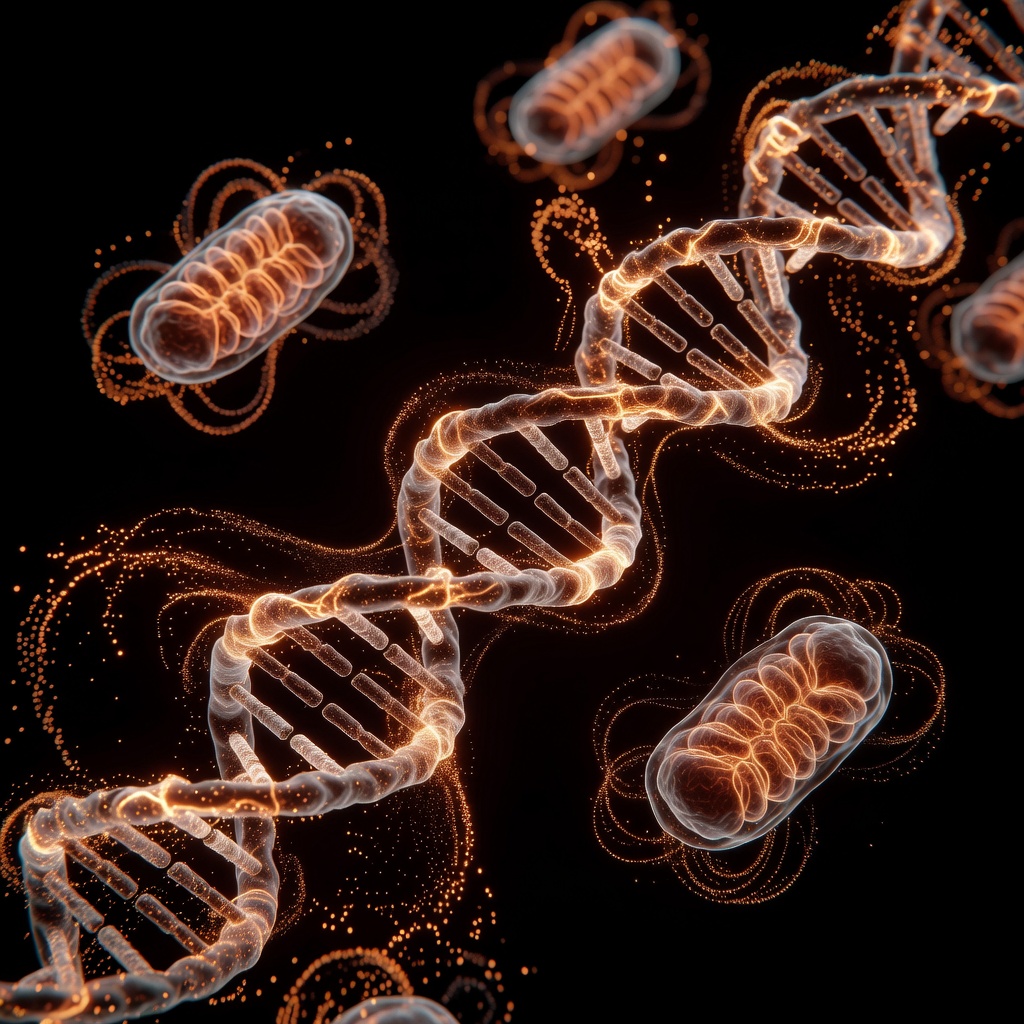
In the modern health landscape, few words carry as much "halo effect" as polyphenols. From the glossy pages of health magazines to the marketing copy of expensive supplements, these compounds are heralded as the ultimate "superfood" components—the powerful antioxidants that protect us from ageing, cancer, and inflammation. However, at INNERSTANDING, we believe in looking beneath the surface of mainstream nutritional narratives to expose the biological reality.
To understand the true nature of polyphenols, we must stop viewing them through the lens of human nutrition and start viewing them through the lens of botanical survival. Polyphenols are not produced by plants to serve human health; they are sophisticated chemical weapons designed for defence. When we consume them in high concentrations, they can act as potent antinutrients, disrupting our digestion, mineral absorption, and hormonal balance.
The Evolutionary Reality: Plants as Chemical Warriors
Plants are stationary organisms. Unlike animals, they cannot flee from predators. To survive, they have evolved a complex arsenal of secondary metabolites—chemical compounds that are not essential for the plant’s growth but are vital for its protection.
Polyphenols belong to this category of secondary metabolites. They serve as the plant’s immune system, acting as natural pesticides, fungicides, and deterrents. They give unripe fruit its bitter, astringent taste to prevent it from being eaten too early and provide structural integrity to cell walls. When we ingest these compounds, we are essentially consuming the plant's biopesticides.
Key Fact: While the "antioxidant" theory suggests polyphenols neutralise free radicals in a test tube, their primary role in the human body is often pro-oxidant or stress-inducing, triggering a survival response known as hormesis.
Biological Mechanisms: How Polyphenols Act as Antinutrients
The term antinutrient refers to any compound that interferes with the absorption or utilisation of essential nutrients. While the mainstream focuses on the potential benefits of polyphenols, the biological mechanisms by which they hinder human health are well-documented in toxicological literature.
1. Enzyme Inhibition
One of the most significant ways polyphenols act as antinutrients is by inhibiting digestive enzymes. For instance, certain tannins and flavonoids can bind to and deactivate enzymes like trypsin (responsible for protein digestion) and alpha-amylase (responsible for carbohydrate breakdown). By preventing these enzymes from doing their job, polyphenols can lead to undigested food particles entering the lower intestine, contributing to dysbiosis, gas, and bloating.
2. Mineral Chelation
Many polyphenols are potent chelators. This means they bind to minerals in the digestive tract, forming insoluble complexes that the body cannot absorb.
- Tannins are notorious for binding to non-heme iron, significantly reducing its bioavailability.
- Quercetin and other flavonoids can interfere with zinc and copper absorption.
- Catechins (found in green tea) have been shown to inhibit the uptake of calcium.
3. Endocrine Disruption
Certain classes of polyphenols, specifically isoflavones (found in soy) and lignans (found in flaxseeds), are structurally similar to human oestrogen. These phytoestrogens can bind to oestrogen receptors in the body, potentially disrupting the delicate balance of the endocrine system. In high doses, they may interfere with thyroid function by inhibiting thyroid peroxidase, the enzyme required to synthesise thyroid hormones.
4. Gut Permeability and the Epithelial Barrier
While some polyphenols are marketed as "gut-healing," others can irritate the intestinal lining. By binding to the proteins that make up the tight junctions of the gut wall, excessive polyphenol intake can contribute to intestinal permeability (leaky gut), allowing endotoxins and undigested proteins to enter the bloodstream, triggering an immune response.
The UK Context: A Culture of Polyphenol Overload
In the United Kingdom, several cultural dietary habits contribute to an unusually high intake of specific polyphenols, often leading to unintended health consequences that go undiagnosed by the NHS.
The "Tea and Toast" Syndrome
The British love for black tea is perhaps the most significant source of tannins in the UK diet. When tea is consumed alongside meals—the classic "tea and toast" or a Sunday roast—the tannins bind to the iron in the food. This is a primary driver of iron-deficiency anaemia, particularly among the elderly and women of reproductive age in Britain.
The Rise of the "Green Smoothie" Trend
In recent years, the UK has seen a surge in "health-conscious" individuals consuming massive doses of raw spinach, kale, and unfermented cocoa in smoothies. These concentrated bursts of phenolic acids and oxalates (often found alongside polyphenols) can overwhelm the liver’s detoxification pathways and lead to the formation of kidney stones and joint pain.
Supplementation Culture
The UK supplement market is flooded with high-dose polyphenol extracts like Resveratrol, Curcumin, and Green Tea Extract (EGCG). Because these are sold as "natural," many consumers assume they are harmless. However, there are numerous documented cases of hepatotoxicity (liver damage) associated with high-dose green tea supplements, as the liver struggles to process these concentrated plant defence chemicals.
Environmental Factors: Why Modern Plants are More "Toxic"
The polyphenol profile of a plant is not static; it changes based on environmental stressors. This means the produce we buy today in British supermarkets may have a different chemical makeup than what our ancestors consumed.
- Pesticide Use: Some studies suggest that plants treated with certain pesticides may actually produce more defence chemicals (polyphenols) as a stress response. Conversely, some organic plants produce higher levels of polyphenols precisely because they have to fight off more insects without chemical help.
- Soil Depletion: When soil is depleted of essential minerals like magnesium and selenium, the plant may over-produce secondary metabolites as a compensatory mechanism, leading to an imbalanced nutrient-to-antinutrient ratio.
- The Roundup Factor: The widespread use of Glyphosate (Roundup) in UK agriculture is a significant concern. Glyphosate acts as a chelator in the soil, and when it residues remain on crops, it can synergise with plant polyphenols to further disrupt the human gut microbiome, killing off beneficial bacteria while allowing pathogenic strains to flourish.
Protective Strategies: Navigating the Polyphenol Minefield
Does this mean we should stop eating plants entirely? Not necessarily. It means we must apply INNERSTANDING to our dietary choices, moving away from "superfood" dogmas and towards biological wisdom.
Traditional Processing Methods
Ancient cultures knew instinctively how to neutralise plant defence chemicals. We must reclaim these practices:
- Soaking and Sprouting: Reduces the tannin and phytic acid content of grains, seeds, and legumes.
- Fermentation: The bacteria in fermentation pre-digest polyphenols, breaking down complex tannins and isoflavones into less harmful forms.
- Cooking: Many polyphenols are heat-labile. Boiling or steaming vegetables can significantly reduce their antinutrient load compared to eating them raw.
Strategic Timing
If you enjoy tea or coffee, do not consume them within two hours of a meal containing iron-rich foods (like red meat or eggs). This allows your body to absorb the vital minerals before the tannins can interfere.
Respecting Biological Individuality
The ability to process polyphenols varies wildly between individuals. Those with autoimmune conditions, IBS, leaky gut, or histamine intolerance should be particularly cautious. What is a "hormetic stressor" for a healthy person can be a metabolic poison for someone with a compromised gut barrier.
Key Takeaway: The "dose makes the poison." While small amounts of polyphenols may stimulate the body's antioxidant defences (hormesis), chronic high doses act as antinutrients that can lead to mineral deficiencies and digestive dysfunction.
The Innerstanding Perspective: Truth Over Marketing
The narrative that polyphenols are universally "good" is a simplification that serves the interests of the supplement industry and the industrial plant-based food complex. By understanding that these compounds are plant defence chemicals, we can take back control of our health.
We must stop treating our bodies like laboratory beakers where "more antioxidants equals better health." Instead, we must view the body as a complex biological system that requires bioavailable nutrients, not a constant barrage of botanical biopesticides.
Key Takeaways: Polyphenols as Antinutrients
- Defence Chemicals: Polyphenols are secondary metabolites designed to protect plants from predators, not to nourish humans.
- Enzyme Blockers: They can inhibit key digestive enzymes (trypsin, amylase), leading to poor protein and carb digestion.
- Mineral Thieves: Through chelation, they bind to iron, zinc, and calcium, preventing absorption and contributing to deficiencies.
- Hormetic Stress: Their "antioxidant" effect is often actually a result of the body’s attempt to detoxify a mild poison.
- Traditional Wisdom: Methods like fermenting and cooking are essential to mitigate the antinutrient effects of high-polyphenol foods.
- Liver Burden: High-dose polyphenol supplements carry a risk of hepatotoxicity and should be approached with extreme caution.
In the pursuit of true health, we must look beyond the labels. INNERSTANDING requires us to acknowledge that nature is a system of balance and competition. By recognising the antinutrient side of polyphenols, we can make informed choices that prioritise our biological needs over nutritional trends.
This article is provided for informational and educational purposes only. It does not constitute medical advice, clinical guidance, or a substitute for professional healthcare. Information reflects cited research at time of publication. Always consult a qualified healthcare professional before acting on any health information.
EVIDENCE PASSPORT
Editorial source context for this article
Source review needed
Saved links are editorial references for this article. They may support specific claims rather than every sentence. Open and assess each source in context. This passport does not independently verify them.
Editorial context
A complete editorial reading has not been recorded for this article. Source links remain available for you to open and assess directly.
Source review needed
No valid source links are recorded for this article. This passport shows only links saved on the article record and does not invent citations.
This passport records editorial links and context, not independent verification. Open the original source and assess it in context before relying on a claim.
Medical Disclaimer
The information in this article is for educational purposes only and does not constitute medical advice, diagnosis, or treatment. Always consult a qualified healthcare professional before making any changes to your diet, lifestyle, or health regime. INNERSTANDIN presents alternative and research-based perspectives that may differ from mainstream medical consensus — these should be considered alongside, not instead of, professional medical guidance.
Read Full DisclaimerContinue the thread
Keep this question moving.
Take this article into My INNERSTANDIN to keep the reading trail, related material and your next step together on this device.
Dig deeper in the Library
Free, longform PDF volumes that go beyond headlines into mechanisms and references.