The Post-GLP-1 Hyperphagic Response: Navigating Metabolic Adaptation After Treatment
The 'rebound' weight gain after stopping GLP-1 drugs is not a failure of willpower, but a predictable biological consequence of metabolic adaptation. We break down the hormonal cascade—including leptin resistance and ghrelin spikes—that occurs when the exogenous GLP-1 stimulus is removed, and how to biologically hedge against the 'yo-yo' effect.
One of the most concerning aspects of the current GLP-1 craze is the high rate of weight regain once the medication is discontinued. Studies like the STEP 1 extension trial showed that participants regained two-thirds of their lost weight within one year of stopping semaglutide. Mainstream medicine often attributes this to the 'chronic nature of obesity,' suggesting that patients must stay on these expensive drugs for life. At INNERSTANDING, we look at the underlying biology of this rebound, known as the hyperphagic response. When you are on a GLP-1 agonist, your body is in a state of 'assisted satiety.' Meanwhile, the body's internal 'set-point' mechanisms are working in the background.
Because the weight loss is often rapid, the brain perceives a state of starvation. This leads to a massive decrease in leptin (the fullness hormone produced by fat cells) and a compensatory spike in ghrelin (the hunger hormone). While the drug is present, these signals are suppressed at the receptor level. However, the moment the drug is withdrawn, the 'dam breaks.' The hypothalamus is flooded with signals to eat, and the basal metabolic rate (BMR) has often slowed down due to the loss of muscle mass and reduced caloric intake. This is a perfect storm for rapid fat storage.
What the NHS guidelines miss is the concept of 'metabolic set-point resetting.' To stop the rebound, one must transition slowly, perhaps through a tapered dose, while aggressively increasing protein and fiber to stimulate natural incretins. Furthermore, the use of insulin-sensitizing agents like Myo-inositol or Berberine can help manage the post-drug glucose spikes that lead to fat storage. Environmental cues—like the availability of ultra-processed foods—must be strictly managed during this 'vulnerable' post-drug window, as the brain's reward centers are now hyper-sensitized to calorie-dense foods. Understanding that weight regain is a biological programmed response, rather than a personal failing, is the first step in successfully transitioning away from pharmacological dependency. The focus must shift from 'suppressing hunger' to 'restoring metabolic signaling' so the body can maintain its new weight without the synthetic crutch.
This article is provided for informational and educational purposes only. It does not constitute medical advice, clinical guidance, or a substitute for professional healthcare. Information reflects cited research at time of publication. Always consult a qualified healthcare professional before acting on any health information.
RESEARCH FOUNDATIONS
Biological Credibility Archive
Citations provided for educational reference. Verify via PubMed or institutional databases.
Medical Disclaimer
The information in this article is for educational purposes only and does not constitute medical advice, diagnosis, or treatment. Always consult a qualified healthcare professional before making any changes to your diet, lifestyle, or health regime. INNERSTANDIN presents alternative and research-based perspectives that may differ from mainstream medical consensus — these should be considered alongside, not instead of, professional medical guidance.
Read Full DisclaimerReady to learn more?
Continue your journey through our classified biological research.
DISCUSSION ROOM
Members of THE COLLECTIVE discussing "The Post-GLP-1 Hyperphagic Response: Navigating Metabolic Adaptation After Treatment"
SILENT CHANNEL
Be the first to discuss this article. Your insight could help others understand these biological concepts deeper.
THE ARSENAL
Based on GLP-1 Drugs & Metabolic Medicine — products curated by our research team for educational relevance and biological support.
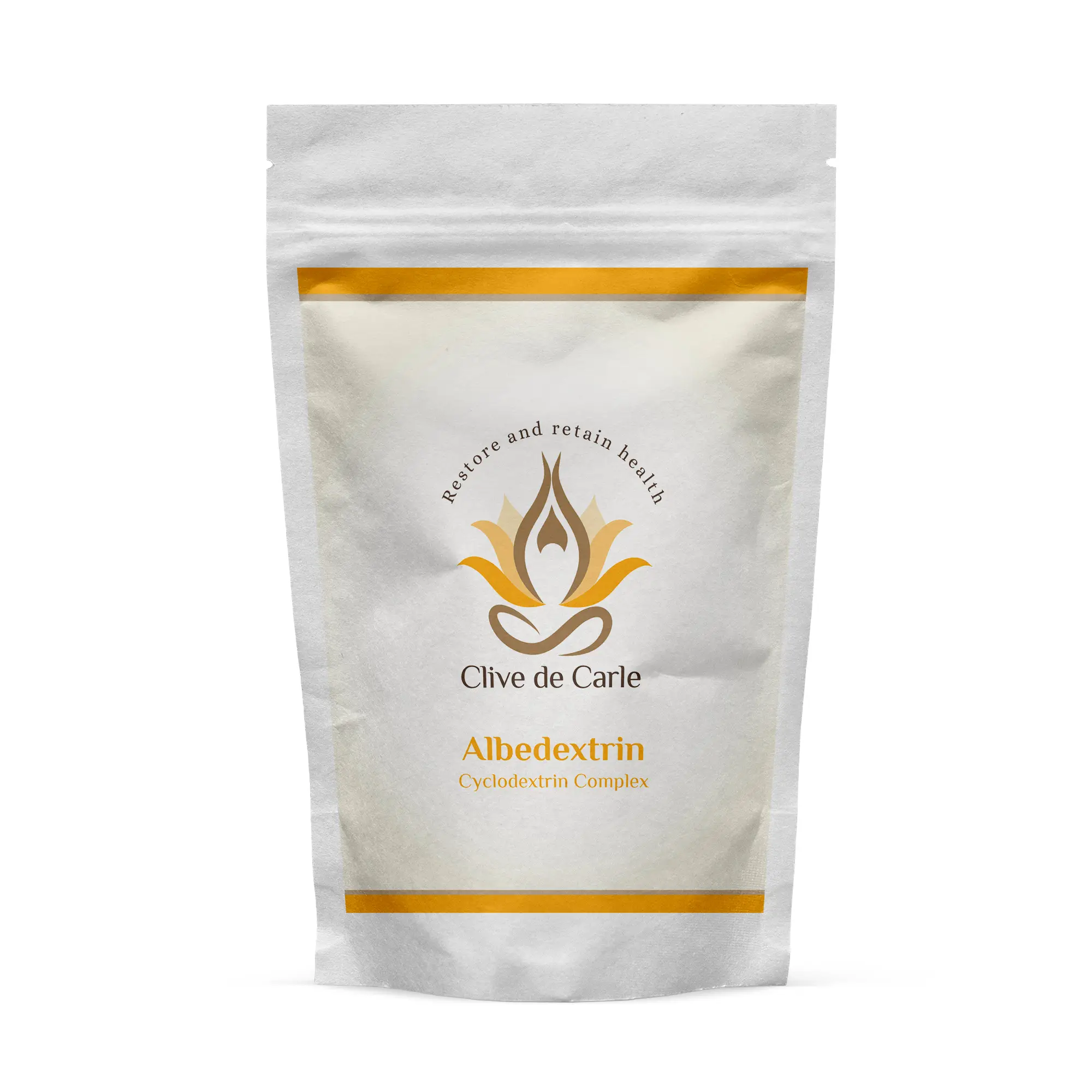
Albedextrin – Specialist Cyclodextrin Complex
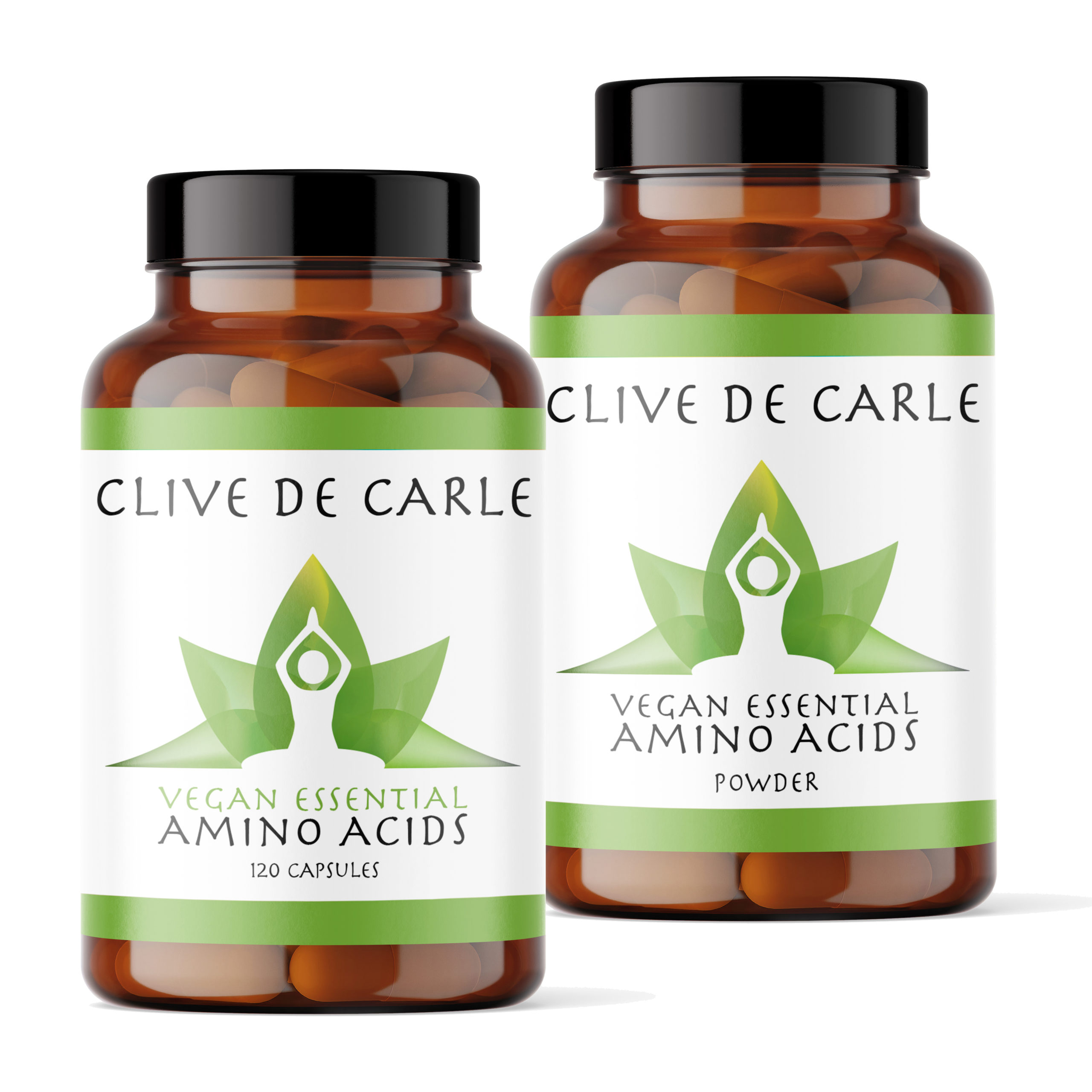
Vegan Essential Amino Acids – Plant-Powered Protein Building
INNERSTANDING may earn a commission on purchases made through these links. All products are selected based on rigorous educational relevance to our biological research.
RABBIT HOLE
Follow the biological thread deeper