
Postbiotics: The Molecular Legacy of Microbial Metabolism
Updated April 2026
The benefits of fermentation extend beyond live cultures to the inanimate metabolites left behind by bacteria. These postbiotic compounds regulate systemic inflammation and metabolic rate in the human host.
Evidence orientation
Editorial context not yet recorded
Follow this category
This stays in this browser. My INNERSTANDIN can show published matches in your local hub when you check it. It does not send email, push, or alert notifications.
Local learning review
A private browser aid for revisiting ideas. It is not an alert or a health recommendation.
Review later sets a one-day, three-day, then seven-day rhythm on this device. Choose it only when you want to revisit this article.
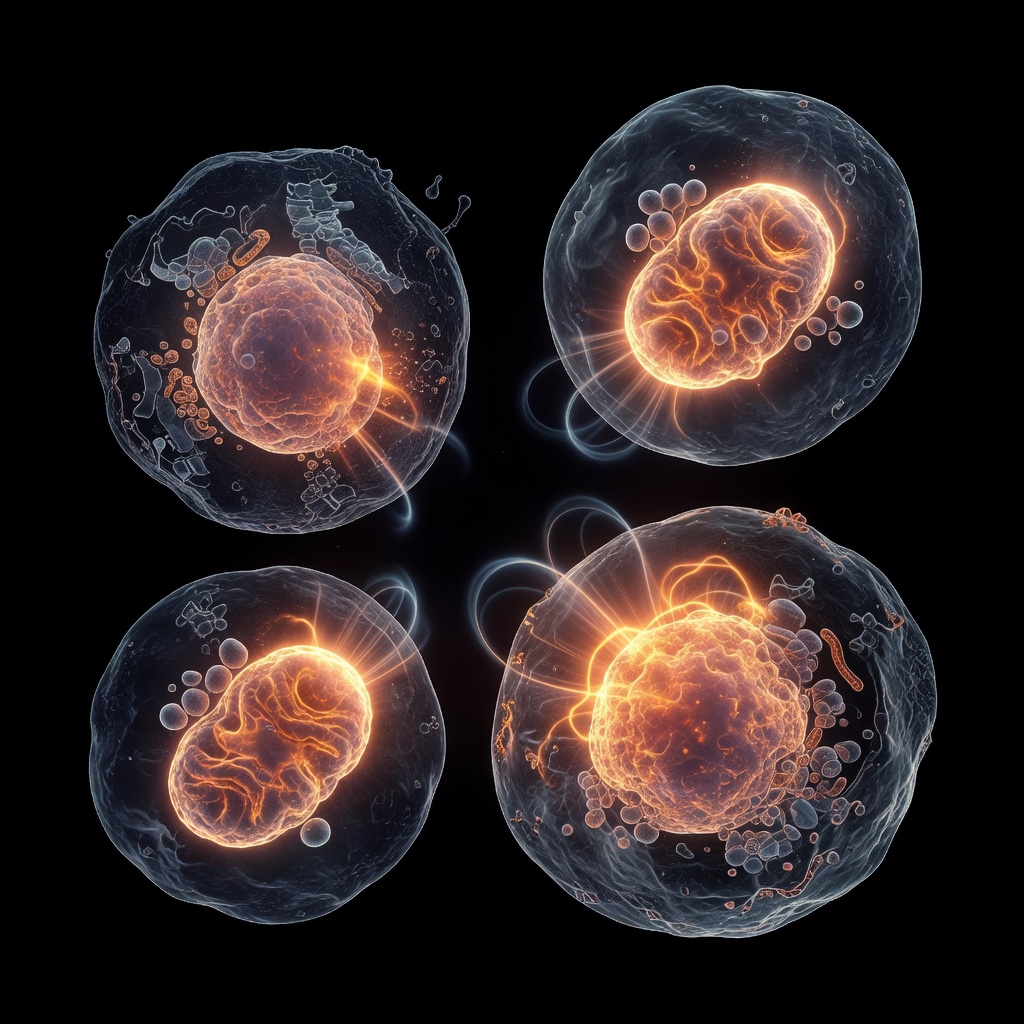
For decades, the narrative surrounding gut health has been dominated by the presence of living organisms. We have been conditioned to view the microbiome through a binary lens: the "good" bacteria versus the "bad." However, as we descend deeper into the realms of molecular biology and metabolic proteomics, a more complex and profound reality emerges. The true currency of the gut is not merely the presence of live microbes, but the molecular legacy they leave behind. These are the postbiotics—the functional bioactive compounds generated during microbial fermentation that dictate the biological state of the host.
In this exploration, we strip away the marketing gloss of the probiotic industry to uncover the chemical architecture of postbiotics. We will examine how these inanimate molecules govern human gene expression, immune surveillance, and metabolic equilibrium, and why they represent the next frontier in British medical science.
Overview: The Shift from Biotics to Bioactives
The term "postbiotic" was formally defined by the International Scientific Association for Probiotics and Prebiotics (ISAPP) as a "preparation of inanimate microorganisms and/or their components that confers a health benefit on the host." While this definition is scientifically rigorous, it barely scratches the surface of the biological implications.
To understand postbiotics is to understand that the gut is not just a tube of transit, but a highly sophisticated bioreactor. When we consume dietary fibres or polyphenols, our resident microbiota act as master chemists, transforming these precursors into a vast array of metabolites. These include short-chain fatty acids (SCFAs), functional proteins, extracellular polysaccharides, and cell wall fragments such as lipoteichoic acids.
The paradigm shift is significant. If probiotics are the "factory workers" and prebiotics are the "fuel," postbiotics are the "finished products"—the actual signals that interact with human cellular receptors. This realisation exposes a critical truth: the benefits we once attributed solely to the "aliveness" of bacteria are often mediated by the chemical remnants they produce or the structural components of their cellular bodies, even after the bacteria themselves have perished.
Biological Insight: Postbiotics bypass the requirement for microbial colonisation. Unlike probiotics, which must survive the acidic gauntlet of the stomach and compete for space in the colon, postbiotics are stable, precisely dosed chemical entities that exert immediate physiological effects.
The Biology: The Anatomy of a Postbiotic
The molecular landscape of postbiotics is diverse, categorised by their chemical structure and their origin within the microbial cell. To appreciate their legacy, we must categorise the specific molecules that constitute this "microbial wreckage" and metabolic output.
1. Short-Chain Fatty Acids (SCFAs)
The most extensively researched postbiotics, SCFAs—specifically acetate, propionate, and butyrate—are the primary end-products of anaerobic fermentation of non-digestible carbohydrates. Butyrate, in particular, is a master regulator of colonic health, serving as the primary energy source for colonocytes and acting as a potent epigenetic signalling molecule.
2. Microbial Cell Wall Components
The structural integrity of a bacterium contains a wealth of information. Peptidoglycans, teichoic acids, and surface-layer proteins act as Molecular Patterns (MAMPs). These are recognised by the host’s innate immune system through Toll-like receptors (TLRs), "training" the immune system without the risk of infection.
3. Functional Proteins and Enzymes
Bacteria secrete various enzymes (such as superoxide dismutase) and bacteriocins that inhibit the growth of pathogens. These proteins remain active in the gut lumen long after the parent microbe has been shed, maintaining the ecological balance of the enteric environment.
4. Exopolysaccharides (EPS)
Many beneficial bacteria, such as Bifidobacterium species, produce a carbohydrate coating. These EPS molecules act as decoys for toxins and modulate the mucosal barrier's permeability, reinforcing the "tight junctions" that prevent systemic endotoxaemia.
Mechanisms at the Cellular Level: The Molecular Dialogue
The mechanism by which postbiotics influence human health is a masterclass in cross-kingdom signalling. This is not a passive process; it is an active, molecular dialogue where microbial metabolites plug directly into human metabolic pathways.
Epigenetic Orchestration
One of the most profound mechanisms of postbiotics—specifically butyrate—is the inhibition of Histone Deacetylases (HDACs). By inhibiting HDACs, butyrate promotes a "relaxed" chromatin structure, allowing for the transcription of anti-inflammatory genes and the suppression of oncogenes. This represents a direct microbial influence on the human epigenome, effectively turning on the body’s internal pharmacy.
G-Protein Coupled Receptor (GPCR) Activation
Postbiotics act as ligands for specific receptors on human cells, most notably GPR41 and GPR43. When SCFAs bind to these receptors on enteroendocrine cells, they trigger the release of hormones like GLP-1 (Glucagon-like peptide-1) and PYY (Peptide YY). These hormones are critical for insulin sensitivity and satiety. In essence, the molecular legacy of your gut microbes dictates your appetite and how you process glucose.
Immunomodulation and the "Leaky Gut"
Postbiotics interact with the Gut-Associated Lymphoid Tissue (GALT). Cell wall fragments from inanimate Lactobacillus strains can stimulate the production of Interleukin-10 (IL-10), a powerful anti-inflammatory cytokine. Simultaneously, they stimulate the production of mucin, the protective gel layer of the gut. By reinforcing this barrier, postbiotics prevent the translocation of Lipopolysaccharides (LPS)—pro-inflammatory bacterial toxins—into the bloodstream.
Scientific Truth: The "leaky gut" phenomenon is, at its core, a deficiency in postbiotic signalling. Without the molecular signals to maintain tight junction proteins like Occludin and Zonulin, the intestinal barrier disintegrates.
Environmental Threats: The Erosion of the Molecular Legacy
We are currently living through a period of metabolic bankruptcy. The modern environment is hostile to the production and retention of postbiotics. Several key factors are actively sabotaging this molecular legacy, leading to the rise of chronic inflammatory diseases across the Western world.
The Ultra-Processed Food (UPF) Crisis
The British diet is increasingly dominated by ultra-processed foods. These substances are engineered for shelf-stability and palatability but are devoid of the complex fibres (prebiotics) required for postbiotic production. When the microbiota are starved of fibre, they do not produce SCFAs. Instead, they begin to consume the host's mucus layer for energy, leading to inflammation and systemic vulnerability.
Chemical Interference: Glyphosate and Emulsifiers
Widespread agricultural use of glyphosate interferes with the shikimate pathway in microbes. While humans do not possess this pathway, our beneficial bacteria do. Glyphosate exposure shifts the microbial population toward pathogenic, non-postbiotic-producing strains. Furthermore, common food emulsifiers (like carboxymethylcellulose) degrade the protective mucus layer, preventing postbiotics from reaching the receptors where they are needed.
The Antibiotic Aftermath
Antibiotics are biological scorched-earth agents. While they may clear an acute infection, they decimate the "chemical factories" of the gut. Research suggests that the metabolic profile of the gut can remain deranged for months or even years following a single course of broad-spectrum antibiotics, leading to a prolonged absence of critical postbiotic signals.
The UK Context: A Public Health Imperative
The United Kingdom faces a unique intersection of high metabolic disease rates and world-leading microbiome research. With the NHS under unprecedented strain from conditions such as Type 2 diabetes, obesity, and Inflammatory Bowel Disease (IBD), the focus on postbiotics is not merely academic—it is a matter of national health security.
The "British Gut" Reality
Data from the British Gut Project has highlighted a staggering lack of microbial diversity in the UK population compared to traditional societies. This lack of diversity translates directly to a "postbiotic gap." The average Briton consumes significantly less than the recommended 30g of fibre per day, meaning the "molecular legacy" of their microbiome is impoverished.
The Innovation Hub
Conversely, the UK is home to institutions like the Quadram Institute and the London Microbiome Centre, which are at the forefront of "Precision Postbiotics." Researchers are investigating how heat-treated (tyndallised) bacteria—which are technically postbiotics—can be used as stable, standardised therapeutic agents. Unlike live probiotics, these postbiotic preparations do not require cold-chain storage, making them a more viable solution for large-scale public health interventions in the UK.
The Regulatory Landscape
The UK’s regulatory framework for "Novel Foods" is currently grappling with how to categorise postbiotics. As we move away from the generic "live culture" claims, there is a push for more stringent, molecular-based evidence to support health claims. This is a necessary step to protect the British consumer from "health-washing" and to ensure that products actually contain the bioactive metabolites they promise.
Protective Measures: Cultivating Your Molecular Wealth
To restore the molecular legacy of the microbiome, we must move beyond the superficial consumption of "probiotic" yoghurts and adopt a strategy of Metabolic Fortification.
1. The Fermentation Strategy
Fermented foods—such as raw sauerkraut, traditional kefir, and authentic sourdough—are rich in postbiotics. During the fermentation process, microbes have already "pre-digested" the food, creating a complex cocktail of SCFAs, peptides, and organic acids. Consumption of these foods provides an immediate bolus of postbiotic molecules, regardless of whether the microbes survive the journey through the stomach.
2. High-Diversity Fibre Intake
To fuel the internal production of postbiotics, the diversity of fibre is paramount. The goal should be 30 different plant types per week. This provides a varied substrate for different microbial species, ensuring a broad spectrum of postbiotic metabolites, from butyrate to urolithin A (a metabolite of pomegranates that supports mitochondrial health).
3. Identifying "Tyndallised" Interventions
When selecting supplements, look for "heat-killed," "inactivated," or "tyndallised" strains. These are intentional postbiotics. For instance, heat-killed Akkermansia muciniphila has shown superior results in improving metabolic markers compared to its live counterpart. This is because the inactivation process exposes certain cell wall proteins that interact more effectively with the human immune system.
4. Mitigating Environmental Toxins
Reducing exposure to environmental stressors is essential for protecting the "microbial factory." This includes:
- Choosing organic produce where possible to avoid glyphosate residues.
- Filtering drinking water to remove chlorine and fluoride, which can alter microbial metabolism.
- Avoiding emulsifiers and artificial sweeteners (such as sucralose) that have been shown to inhibit SCFA production.
Key Takeaways
- Postbiotics are the functional end-points: They are the chemical signals—SCFAs, enzymes, and cell wall fragments—that actually communicate with human cells.
- The "Live" Myth: A microbe does not need to be alive to exert a health benefit. Inanimate microbial components are often more stable and targeted in their action.
- Epigenetic Influence: Postbiotics like butyrate can physically alter gene expression, turning off inflammatory pathways and improving metabolic health.
- The UK's Metabolic Deficit: High consumption of ultra-processed foods and low fibre intake have created a "postbiotic gap" in the British population, contributing to chronic disease.
- Strategic Nutrition: Restoring gut health requires a dual approach: providing the "fuel" (prebiotics) for internal production and directly consuming the "products" (postbiotics) through fermented foods and standardised supplements.
- The Future is Molecular: As biology shifts toward a more granular understanding of the microbiome, postbiotics will emerge as the primary tool for precision medicine, offering predictable and potent health outcomes.
The molecular legacy of microbial metabolism is the silent conductor of the human biological orchestra. By understanding and protecting these microscopic signals, we reclaim control over our health from an increasingly toxic environment. The era of the "living microbe" is evolving into the era of the molecular message. This is the essence of Innerstanding.
This article is provided for informational and educational purposes only. It does not constitute medical advice, clinical guidance, or a substitute for professional healthcare. Information reflects cited research at time of publication. Always consult a qualified healthcare professional before acting on any health information.
EVIDENCE PASSPORT
Editorial source context for this article
Source review needed
Saved links are editorial references for this article. They may support specific claims rather than every sentence. Open and assess each source in context. This passport does not independently verify them.
Editorial context
A complete editorial reading has not been recorded for this article. Source links remain available for you to open and assess directly.
Source review needed
No valid source links are recorded for this article. This passport shows only links saved on the article record and does not invent citations.
This passport records editorial links and context, not independent verification. Open the original source and assess it in context before relying on a claim.
Medical Disclaimer
The information in this article is for educational purposes only and does not constitute medical advice, diagnosis, or treatment. Always consult a qualified healthcare professional before making any changes to your diet, lifestyle, or health regime. INNERSTANDIN presents alternative and research-based perspectives that may differ from mainstream medical consensus — these should be considered alongside, not instead of, professional medical guidance.
Read Full DisclaimerContinue the thread
Keep this question moving.
Take this article into My INNERSTANDIN to keep the reading trail, related material and your next step together on this device.
Dig deeper in the Library
Free, longform PDF volumes that go beyond headlines into mechanisms and references.