Renal Clearance Failure: The Pathophysiology of Accumulative Aluminium Nephrotoxicity in Chronic Kidney Disease
An in-depth exploration of how chronic kidney disease impairs aluminium excretion, leading to a dangerous cycle of systemic accumulation and direct nephrotoxic damage.

# Renal Clearance Failure: The Pathophysiology of Accumulative Aluminium Nephrotoxicity in Chronic Kidney Disease ## Introduction At INNERSTANDING, we focus on the fundamental physiological mechanisms that govern human health. One of the most overlooked aspects of environmental health is the bioaccumulation of non-essential metals. Aluminium (Al), the third most abundant element in the Earth's crust, possesses no known biological role in human metabolism. Under normal conditions, the body maintains a robust defense against aluminium via the gastrointestinal barrier and, most importantly, renal clearance. However, when the kidneys fail, as seen in Chronic Kidney Disease (CKD), aluminium shifts from a transient environmental exposure to a permanent, systemic toxin.
This article examines the root-cause pathways of aluminium accumulation and the subsequent nephrotoxicity that accelerates renal decline. ## The Healthy Kidney: A Sentinel Against Toxicity In individuals with healthy renal function, the small fraction of aluminium that enters the bloodstream—typically via dietary intake, medications, or environmental exposure—is rapidly filtered. Aluminium in the plasma exists primarily in two forms: bound to transferrin (approximately 60-90%) and complexed with low-molecular-weight ligands like citrate (10-40%). The low-molecular-weight complexes are easily filtered through the glomerulus. While some tubular reabsorption occurs, the net effect is a clearance rate that keeps plasma levels within a safe range, usually below 10 micrograms per litre. This efficiency is the body's primary safeguard against a metal that is chemically capable of interfering with vital enzymatic processes. ## The Pathophysiology of Accumulation in CKD The transition from health to Chronic Kidney Disease fundamentally alters this balance.
As the Glomerular Filtration Rate (GFR) drops, the absolute capacity to excrete aluminium diminishes linearly. In CKD Stages 4 and 5, the kidney's ability to clear aluminium is essentially non-existent. This leads to several critical shifts in aluminium kinetics: 1. Increased Plasma Loading: Without renal exit routes, aluminium begins to saturate transferrin binding sites. 2. Tissue Sequestration: Once plasma capacity is exceeded, aluminium migrates into tissues with high mineral turnover, primarily the bone matrix and the brain. 3.
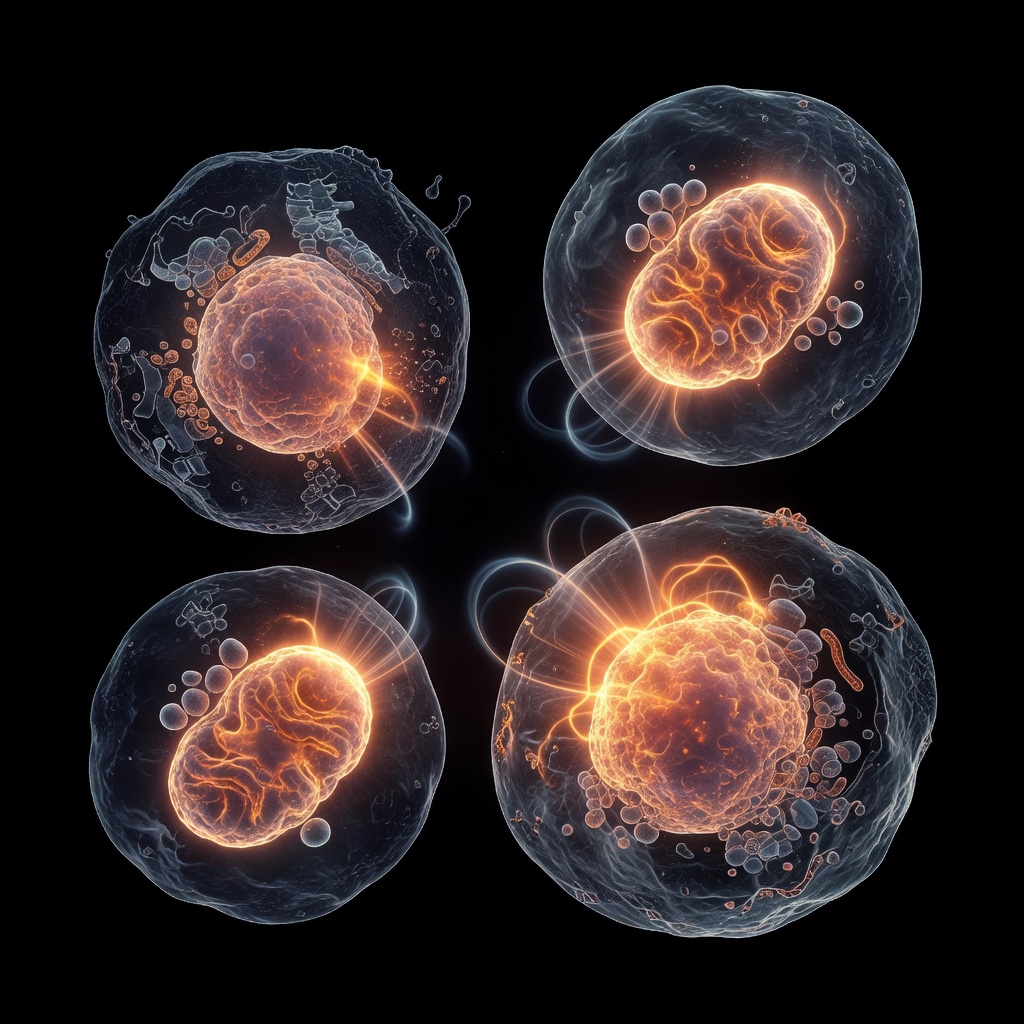
Altered Gastrointestinal Permeability: Uremia, a hallmark of CKD, often increases the permeability of the gut lining, potentially increasing the absorption of dietary aluminium, further compounding the systemic load. ## Mechanisms of Aluminium-Induced Nephrotoxicity The danger of aluminium in CKD is not merely its presence in the blood, but its direct toxic effect on the remaining functional nephrons. This creates a 'vicious cycle' where renal failure causes accumulation, and accumulation causes further renal failure. ### Oxidative Stress and Mitochondrial Dysfunction Aluminium ions (Al3+) are potent catalysts for oxidative damage. They do not undergo redox changes themselves but instead promote the formation of Reactive Oxygen Species (ROS) by displacing iron and copper from their binding proteins. This 'free' iron then triggers the Fenton reaction, leading to lipid peroxidation within the renal tubular cells. Furthermore, aluminium has a high affinity for the phosphate groups in Adenosine Triphosphate (ATP).
By binding to ATP, aluminium interferes with mitochondrial energy production, effectively starving the energy-intensive tubular cells of the power required for active transport and cellular repair. ### Induction of Apoptosis in Tubular Epithelium Recent research suggests that aluminium accumulation triggers the intrinsic pathway of apoptosis (programmed cell death) in the proximal convoluted tubules. The disruption of calcium homeostasis within the cell, caused by aluminium's interference with calcium-sensing receptors, leads to the activation of caspases. As these tubular cells die, they are replaced by fibrotic tissue, contributing to the progressive 'scarring' of the kidney known as interstitial fibrosis. ## Systemic Consequences and
the UK Context
Historically, aluminium toxicity in the UK was frequently associated with dialysis-related exposures, where aluminium-tainted water was used for treatment. While modern water purification (Reverse Osmosis) has largely mitigated this 'acute' risk, the 'chronic' risk remains. CKD patients are often prescribed phosphate binders to manage hyperphosphatemia.
Historically, aluminium-based binders were the standard; while their use has decreased, the cumulative environmental burden from processed foods, certain medications, and even municipal water sources remains a concern for those with zero renal reserve. The clinical manifestations of this accumulation are profound: - Adynamic Bone Disease: Aluminium inhibits the mineralisation of the bone matrix, leading to fractures and bone pain. - Encephalopathy: The crossing of the blood-brain barrier leads to cognitive decline and motor dysfunction. - Microcytic Anaemia: Aluminium interferes with heme synthesis, producing an anaemia that is resistant to iron supplementation. ## Root-Cause Mitigation and Management To address aluminium nephrotoxicity at its root, a multi-pronged approach is required for the CKD patient. First, strict avoidance of aluminium-containing antacids and medications is paramount. Second, ensuring that the water used in clinical and domestic settings for these patients is monitored for metal content is essential. In cases of severe accumulation, the use of chelating agents like Desferrioxamine (DFO) may be necessary to pull aluminium from tissue stores into the blood for removal via specialised high-flux dialysis. ## Conclusion The relationship between the kidney and aluminium is one of fragile balance.
In the context of Chronic Kidney Disease, the failure of renal clearance transforms a ubiquitous element into a silent driver of systemic pathology. By understanding the molecular mechanisms of aluminium nephrotoxicity—from mitochondrial disruption to oxidative stress—practitioners and patients can better implement strategies to limit exposure and preserve remaining renal function. At INNERSTANDING, we believe that true health education requires looking beyond symptoms to the biochemical realities of our environment.
This article is provided for informational and educational purposes only. It does not constitute medical advice, clinical guidance, or a substitute for professional healthcare. Information reflects cited research at time of publication. Always consult a qualified healthcare professional before acting on any health information.
RESEARCH FOUNDATIONS
Biological Credibility Archive
Citations provided for educational reference. Verify via PubMed or institutional databases.
Medical Disclaimer
The information in this article is for educational purposes only and does not constitute medical advice, diagnosis, or treatment. Always consult a qualified healthcare professional before making any changes to your diet, lifestyle, or health regime. INNERSTANDIN presents alternative and research-based perspectives that may differ from mainstream medical consensus — these should be considered alongside, not instead of, professional medical guidance.
Read Full DisclaimerReady to learn more?
Continue your journey through our classified biological research.
DISCUSSION ROOM
Members of THE COLLECTIVE discussing "Renal Clearance Failure: The Pathophysiology of Accumulative Aluminium Nephrotoxicity in Chronic Kidney Disease"
SILENT CHANNEL
Be the first to discuss this article. Your insight could help others understand these biological concepts deeper.
RABBIT HOLE
Follow the biological thread deeper