Serotonin Transporter Polymorphisms and Progesterone-Induced Mood Destabilization in the Female Brain
A comprehensive exploration of the genetic basis for Premenstrual Dysphoric Disorder (PMDD), specifically how variations in the serotonin transporter gene (5-HTTLPR) dictate the brain's maladaptive response to progesterone and its metabolite, allopregnanolone.
# Serotonin Transporter Polymorphisms and Progesterone-Induced Mood Destabilization in the Female Brain\n\nPremenstrual Dysphoric Disorder (PMDD) has long been one of the most misunderstood conditions in women's health. Affecting approximately 3-8% of menstruating individuals, it is often dismissed as 'severe PMS.' However, PMDD is not a mere exaggeration of premenstrual symptoms; it is a classified neuroendocrine disorder characterized by a pathological sensitivity to normal hormonal fluctuations. At the heart of this sensitivity lies a complex interplay between the serotonergic system and the fluctuations of progesterone during the luteal phase of the menstrual cycle. Specifically, the role of serotonin transporter polymorphisms (5-HTTLPR) provides a molecular explanation for why some brains experience profound mood destabilisation while others remain resilient.\n\n## Beyond the 'Hormonal Imbalance' Myth\n\nTo understand the root cause of PMDD, one must first dismantle the myth of the 'hormonal imbalance.' Clinical studies have consistently shown that individuals with PMDD do not have abnormal levels of circulating oestrogen or progesterone. Their hormone profiles are indistinguishable from those who experience no premenstrual distress.
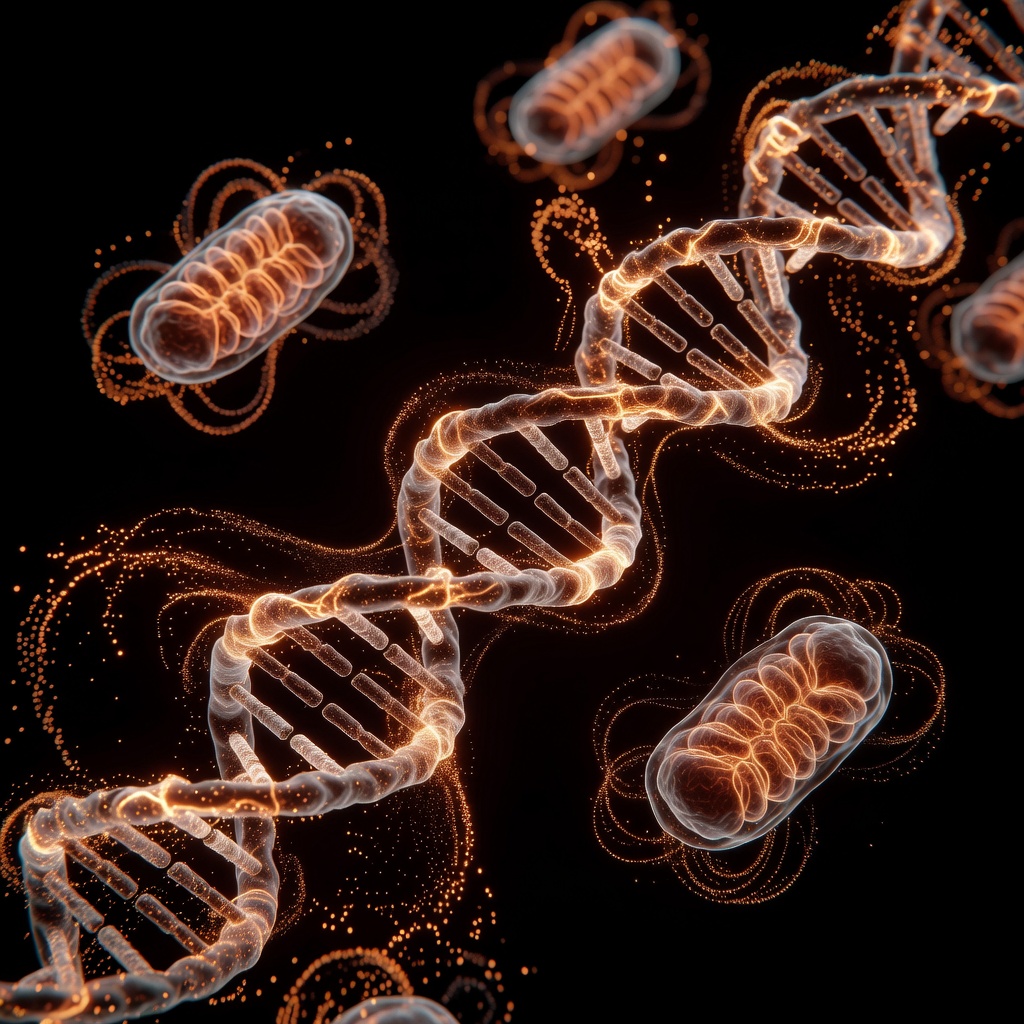
The dysfunction is not in the gonads, but in the brain's interpretation of these hormonal signals. This suggests a cellular and genetic predisposition—a 'neurobiological vulnerability'—that is triggered by the rise and fall of ovarian steroids.\n\n## The Genomic Blueprint: The 5-HTTLPR Polymorphism\n\nThe serotonin transporter (SERT), encoded by the SLC6A4 gene, is responsible for the reuptake of serotonin from the synaptic cleft, effectively terminating the signal. The promoter region of this gene, known as 5-HTTLPR, contains a common polymorphism involving a 'short' (S) and a 'long' (L) allele. Individuals carrying the S-allele have significantly lower transcriptional efficiency of the SERT gene. This leads to reduced serotonin transporter density and, paradoxically, an altered baseline of serotonergic tone.\n\nIn the context of the female brain, the 5-HTTLPR polymorphism acts as a lens through which hormonal fluctuations are magnified.
Research indicates that S-allele carriers exhibit heightened amygdala reactivity—the brain's emotional 'alarm system'—and reduced functional connectivity between the amygdala and the prefrontal cortex. This genetic landscape sets the stage for emotional dysregulation when the hormonal environment changes during the second half of the menstrual cycle.\n\n## The Progesterone-Serotonin Axis\n\nDuring the luteal phase, progesterone levels rise significantly. Progesterone itself is not the primary culprit for mood changes; rather, its metabolite, allopregnanolone (ALLO), plays a leading role. ALLO is a neurosteroid that acts as a potent positive allosteric modulator of the GABA-A receptor. In a typical neurobiological setting, ALLO has an anxiolytic (anxiety-reducing) and sedative effect, similar to the action of benzodiazepines or alcohol.\n\nHowever, the serotonergic system and the GABAergic system are intimately linked.
Serotonin acts as a key modulator of GABA-A receptor sensitivity. In individuals with 5-HTTLPR polymorphisms, the inefficient serotonin transport system fails to maintain this balance. When progesterone/ALLO levels fluctuate, the brain cannot adjust its GABAergic response. Instead of the calming effect seen in others, the PMDD brain may experience a 'paradoxical' reaction to ALLO, where the neurosteroid triggers irritability, aggression, and intense anxiety instead of relaxation.\n\n## The Mechanism of Mood Destabilization\n\nThe destabilisation occurs because serotonin is the brain's primary 'mood stabiliser.' It provides the necessary inhibitory control over emotional centres. During the luteal phase, the sudden shift in progesterone requires the serotonergic system to work harder to maintain homeostasis.
In those with the 5-HTTLPR S-allele, the system is already operating near its limit. The 'S' variant is associated with a lower capacity to buffer against the neurobiological stress of shifting neurosteroids.\n\nFurthermore, progesterone has been shown to influence the expression of the SERT gene itself. In animal models, fluctuations in ovarian hormones directly alter serotonin transporter density in the dorsal raphe nucleus—the brain's serotonin manufacturing hub. For those with a genetic predisposition, this hormonal influence on gene expression can cause a 'serotonin crash' in the days leading up to menstruation, leading to the debilitating symptoms of PMDD.\n\n## Root-Cause Therapeutic Implications\n\nInnerstanding the genetic and molecular drivers of PMDD shifts the focus of treatment. If the root cause is a genetic sensitivity in the serotonin-progesterone interface, then interventions must target this mechanism specifically.
This explains why Selective Serotonin Reuptake Inhibitors (SSRIs) are uniquely effective for PMDD. Unlike in Major Depressive Disorder, where SSRIs can take weeks to work, they often work within hours or days for PMDD patients. This rapid response suggests that the medication is not just 'treating depression,' but is actually correcting the acute failure of the serotonin transporter to manage the neurosteroid shift.\n\nBeyond pharmaceuticals, this research highlights the importance of neuro-stabilising strategies. Lifestyle interventions that support serotonergic health—such as specific amino acid precursors (L-Tryptophan), complex carbohydrates to support serotonin synthesis, and stress-reduction techniques that lower cortisol (which further depletes serotonin)—become essential components of a root-cause approach.\n\n## Conclusion: From Stigma to Science\n\nThe identification of 5-HTTLPR polymorphisms as a factor in PMDD transforms our understanding of the condition. It moves PMDD out of the realm of 'psychological fragility' and into the realm of 'neurogenetics.' For the individual suffering, knowing that their mood destabilisation is the result of a specific genetic-hormonal interaction can be profoundly validating.
By focusing on the interplay between the serotonin transporter and progesterone metabolites, we can move toward a future of personalised medicine where treatment is as unique as the individual's genetic code. PMDD is not a choice or a character flaw; it is a complex, genetically-mediated neurobiological event that demands scientific respect and targeted care.","tags":["PMDD","Neurobiology","Serotonin","Progesterone","Women's Health","Endocrinology"],"reading_time":8}
This article is provided for informational and educational purposes only. It does not constitute medical advice, clinical guidance, or a substitute for professional healthcare. Information reflects cited research at time of publication. Always consult a qualified healthcare professional before acting on any health information.
RESEARCH FOUNDATIONS
Biological Credibility Archive
Citations provided for educational reference. Verify via PubMed or institutional databases.
Medical Disclaimer
The information in this article is for educational purposes only and does not constitute medical advice, diagnosis, or treatment. Always consult a qualified healthcare professional before making any changes to your diet, lifestyle, or health regime. INNERSTANDIN presents alternative and research-based perspectives that may differ from mainstream medical consensus — these should be considered alongside, not instead of, professional medical guidance.
Read Full DisclaimerReady to learn more?
Continue your journey through our classified biological research.
DISCUSSION ROOM
Members of THE COLLECTIVE discussing "Serotonin Transporter Polymorphisms and Progesterone-Induced Mood Destabilization in the Female Brain"
SILENT CHANNEL
Be the first to discuss this article. Your insight could help others understand these biological concepts deeper.
RABBIT HOLE
Follow the biological thread deeper