
SIBO: The Hidden Cause of Irritable Bowel Syndrome
Updated May 2026
The NHS frequently uses 'IBS' as a catch-all diagnosis, ignoring Small Intestinal Bacterial Overgrowth. We examine the physiological mechanisms of fermentation and gas production that drive digestive distress.
Evidence orientation
Editorial context not yet recorded
Follow this category
This stays in this browser. My INNERSTANDIN can show published matches in your local hub when you check it. It does not send email, push, or alert notifications.
Local learning review
A private browser aid for revisiting ideas. It is not an alert or a health recommendation.
Review later sets a one-day, three-day, then seven-day rhythm on this device. Choose it only when you want to revisit this article.
Overview
For decades, millions of patients across the United Kingdom have presented to their General Practitioners with a constellation of debilitating symptoms: chronic bloating, abdominal pain, erratic bowel habits, and profound fatigue. The response from the National Health Service (NHS) has remained remarkably consistent and, arguably, systematically flawed. These patients are typically handed a diagnosis of Irritable Bowel Syndrome (IBS)—a functional label that describes a set of symptoms without identifying a biological cause. In the clinical reality of modern gastroenterology, IBS has become a "wastepaper basket" diagnosis, a terminal point of investigation rather than a starting point for treatment.
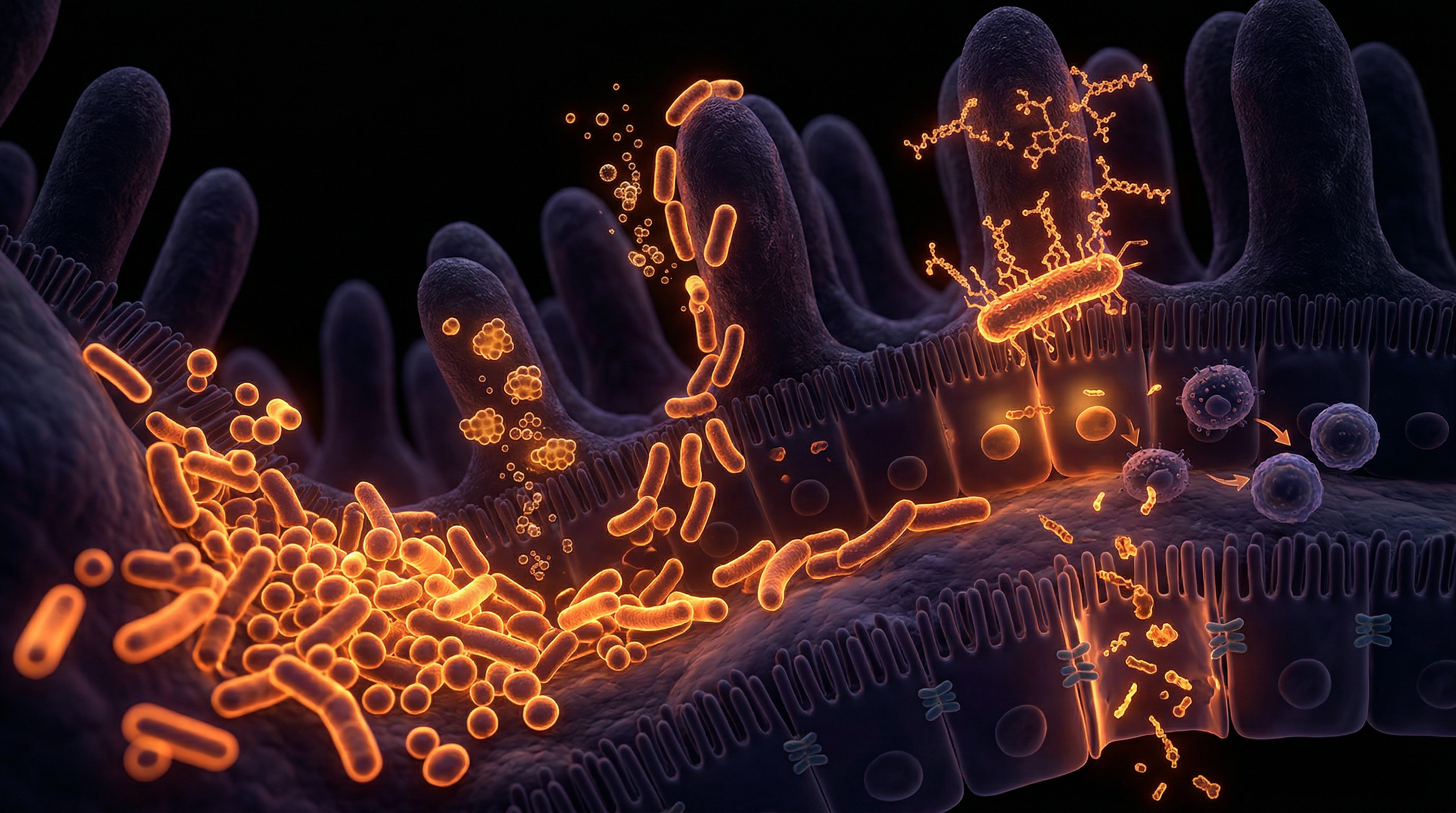
However, emerging biological research and clinical data suggest that up to 80% of those diagnosed with IBS are actually suffering from a specific, measurable, and treatable condition: Small Intestinal Bacterial Overgrowth (SIBO). Unlike the colon (large intestine), which is designed to house trillions of microorganisms, the small intestine is structurally and physiologically intended to remain relatively sterile. When the delicate balance of the digestive tract fails, bacteria from the colon migrate upwards or indigenous bacteria proliferate to pathologically high levels in the small intestine.
The result is a metabolic catastrophe. These bacteria ferment dietary carbohydrates prematurely, producing gases and toxic by-products that damage the intestinal lining and interfere with nutrient absorption. This article serves as a comprehensive interrogation of SIBO, the physiological mechanisms of its development, the environmental triggers that facilitate its rise, and the systemic failure of the mainstream UK medical establishment to move beyond the obsolete "IBS" narrative.
The Biology — How It Works
To understand SIBO, one must first understand the distinct ecological zones of the human gut. The gastrointestinal tract is not a uniform tube; it is a highly compartmentalised system. The Large Intestine is the primary site of the human microbiome, where fermentation is a healthy, necessary process that produces short-chain fatty acids (SCFAs). Conversely, the Small Intestine is the site of enzymatic digestion and nutrient absorption.
The Breach of the Ileocecal Valve
The primary barrier between these two worlds is the ileocecal valve. Under normal physiological conditions, this one-way valve prevents the backflow of colonic contents into the small intestine. In SIBO, this barrier is often compromised—either through structural damage, surgical intervention, or functional failure. When colonic bacteria (such as E. coli or Klebsiella) enter the small intestine, they encounter a rich supply of undigested carbohydrates and micronutrients.
Pathological Fermentation
In a healthy individual, the small intestine absorbs sugars and starches rapidly. In a SIBO patient, the overgrowth of bacteria outcompetes the host for these nutrients. This leads to premature fermentation, a process that occurs high up in the digestive tract where it was never intended to happen. This fermentation produces several types of gases:
- Hydrogen (H2): Produced primarily by Ruminococcus and Enterobacteriaceae. This gas drives the rapid transit associated with IBS-D (Diarrhoea-predominant).
- Methane (CH4): Technically produced by archaea (single-celled organisms) like Methanobrevibacter smithii. Methane acts as a paralytic to the gut, slowing transit time and causing the chronic constipation seen in IBS-C.
- Hydrogen Sulfide (H2S): A highly toxic gas produced by sulphate-reducing bacteria. This is often associated with "rotten egg" smelling gas and systemic inflammation.
Callout Fact: The volume of gas produced in the small intestine can be so significant that it creates intraluminal pressure, leading to the "6-month pregnant" look many SIBO sufferers report by the end of the day.
Mechanisms at the Cellular Level
The damage caused by SIBO is not merely mechanical (the pressure of gas); it is deeply biochemical and occurs at the level of the enterocytes (the cells lining the small intestine).
Damage to the Microvilli
The small intestine is lined with microscopic, finger-like projections called villi, which are topped with even smaller microvilli (the brush border). This is where the final stage of digestion occurs via enzymes like lactase, sucrase, and maltase. Bacteria in SIBO secrete enzymes that deconjugate bile acids and consume these brush-border enzymes. This renders the host unable to break down disaccharides, leading to secondary food intolerances and further fuel for bacterial fermentation.
The Role of Lipopolysaccharides (LPS)
Gram-negative bacteria, the primary culprits in SIBO, possess an outer membrane composed of Lipopolysaccharides (LPS). These are potent endotoxins. When bacteria die or proliferate in the small intestine, LPS is released in close proximity to the intestinal wall. This triggers a massive inflammatory response, activating Zonulin—a protein that regulates the junctions between cells.
Intestinal Permeability (Leaky Gut)
High levels of Zonulin cause the "tight junctions" between enterocytes to open. This creates a condition known as increased intestinal permeability, or "Leaky Gut". Large, undigested food particles and bacterial endotoxins (LPS) can then enter the bloodstream. This is the biological mechanism behind the systemic symptoms of SIBO, including "brain fog," joint pain, and skin rashes (such as rosacea).
Malabsorption and Nutrient Sequestration
Bacteria are particularly "hungry" for certain nutrients. In SIBO, bacteria often sequester Vitamin B12 and Iron before the host can absorb them. This explains why many long-term IBS sufferers are chronically anaemic or B12 deficient despite a seemingly adequate diet. Furthermore, the deconjugation of bile acids by bacteria leads to fat malabsorption, resulting in deficiencies of fat-soluble vitamins (A, D, E, and K) and steatorrhea (fatty stools).
Environmental Threats and Biological Disruptors
SIBO is rarely a primary disease; it is an environmental and physiological failure. Several modern disruptors have paved the way for the current "IBS" epidemic.
The Overuse of Proton Pump Inhibitors (PPIs)
The stomach is designed to be highly acidic (pH 1.5–3.5). This acidity is the body’s first line of defence against ingested pathogens. The NHS frequently prescribes PPIs (like Omeprazole) for acid reflux. By chronically suppressing stomach acid, these drugs remove the "acid barrier," allowing bacteria to survive the journey through the stomach and colonise the small intestine. This state, known as hypochlorhydria, is one of the most significant risk factors for SIBO.
Antibiotic Disruptions
While antibiotics are necessary for acute infections, their indiscriminate use destroys the delicate balance of the microbiome. "Broad-spectrum" antibiotics act like a nuclear bomb in the gut, often clearing out beneficial species and allowing opportunistic, gas-producing organisms to take up residence in the vacated niches of the small intestine.
The Glyphosate Connection
Modern agricultural practices involve the heavy use of Glyphosate (the active ingredient in Roundup). Glyphosate is patented as an antibiotic. It disrupts the Shikimate pathway in bacteria, which can selectively kill beneficial species while allowing pathogenic, SIBO-associated bacteria to survive. Furthermore, glyphosate has been shown to weaken the tight junctions of the gut, exacerbating intestinal permeability.
Stress and the Vagus Nerve
The gut-brain axis is central to SIBO. The Vagus Nerve is the "superhighway" that sends signals from the brain to the digestive tract to initiate motility. Chronic stress keeps the body in a "sympathetic" (fight or flight) state. In this state, the Vagus nerve is inhibited, digestion is deprioritised, and the mechanical "cleansing" of the small intestine ceases.
The Cascade: From Exposure to Disease
The most common pathway to SIBO is through a mechanism known as Post-Infectious IBS. This is perhaps the most significant "suppressed truth" in modern gastroenterology.
The CdtB/Vinculin Autoimmune Response
When a person suffers from "food poisoning" (acute gastroenteritis caused by Salmonella, Shigella, or Campylobacter), these bacteria release a toxin called Cytolethal Distending Toxin B (CdtB). The human immune system develops antibodies to fight this toxin.
However, due to a phenomenon called molecular mimicry, these antibodies begin to attack a protein in the human body called Vinculin. Vinculin is a critical component of the Interstitial Cells of Cajal (ICC)—the "pacemaker" cells of the gut. This leads to an autoimmune destruction of the gut’s nervous system.
The Failure of the Migrating Motor Complex (MMC)
The damage to the ICC results in the failure of the Migrating Motor Complex (MMC). The MMC is the "housekeeper wave" that occurs between meals, physically sweeping bacteria and undigested food out of the small intestine and into the colon.
Important Callout: Without a functioning MMC, the small intestine becomes a stagnant pond. Even if you "kill" the bacteria with antibiotics, they will simply grow back within weeks because the "sweeping" mechanism is broken. This explains the high relapse rate of SIBO.
What the Mainstream Narrative Omits
The current NHS guidelines for IBS (NICE CG61) focus heavily on symptomatic management: anti-spasmodics (Buscopan), anti-diarrhoeals (Loperamide), and increasing dietary fibre. This approach is not only outdated but, in the case of SIBO, can be actively harmful.
The Fibre Myth
The mainstream narrative suggests that "more fibre" is the solution to all digestive woes. However, fibre is a complex carbohydrate that bacteria ferment. For a SIBO patient, a high-fibre diet is akin to pouring petrol on a fire. The resulting gas production causes excruciating pain and further distention, yet patients are often told they "just aren't eating enough vegetables."
The Psychological Dismissal
Perhaps the most damaging omission is the "functional" label. When standard tests (endoscopy, colonoscopy, blood work for Celiac disease) come back clear, patients are frequently told their symptoms are due to "stress" or "anxiety." While stress affects the gut, this narrative ignores the biological reality of the microbiome. It reframes a physiological bacterial overgrowth as a psychological failing, leading to a "gaslighting" effect that leaves patients hopeless and unsupported.
The Inadequacy of Breath Testing
The gold standard for SIBO diagnosis is a Breath Test (Lactulose or Glucose). These tests measure the levels of Hydrogen and Methane exhaled after consuming a substrate. If the gases rise within the first 90-120 minutes, it indicates bacteria are present in the small intestine. Despite its clinical utility, SIBO breath testing is rarely available on the NHS, forcing patients into the expensive private sector for diagnosis.
The UK Context
The landscape of gastroenterology in the UK is uniquely shaped by the structure of the NHS. Because the NHS operates on a model of "population health" and cost-containment, it is notoriously slow to adopt new diagnostic paradigms.
NICE Guidelines and the Status Quo
The National Institute for Health and Care Excellence (NICE) provides the protocols that NHS doctors must follow. Currently, SIBO is not recognised as a primary driver of IBS in these protocols. Consequently, GPs are not trained to look for it, and CCGs (Clinical Commissioning Groups) rarely fund the necessary testing. This creates a "postcode lottery" where a few specialist centres might recognise the condition, while the vast majority of the country remains in the dark.
The Rifaximin Struggle
The most effective antibiotic for SIBO is Rifaximin (Targinact/Xifaxan). It is unique because it is non-systemic, meaning it stays in the gut and does not affect the rest of the body. In the US, it is FDA-approved for IBS-D. In the UK, however, Rifaximin is primarily licensed for hepatic encephalopathy. Getting an NHS prescription for "IBS" is nearly impossible, leaving patients to pay hundreds of pounds for private prescriptions.
The Rise of Functional Medicine
Because of the NHS's failure to address SIBO, a parallel healthcare system has emerged in the UK. Functional medicine practitioners and nutritional therapists are filling the gap, using private labs to diagnose SIBO and employing herbal antimicrobials. While this provides relief for many, it highlights a growing inequality: digestive health in the UK is becoming a luxury for those who can afford to bypass the NHS.
Protective Measures and Recovery Protocols
Recovery from SIBO is not a matter of a "quick fix" antibiotic course. It requires a multi-phased approach that addresses the underlying biological failures.
Phase 1: The "Kill" Phase
The overgrowth must be reduced. This can be achieved through:
- Pharmaceuticals: Rifaximin (for Hydrogen) or Rifaximin combined with Neomycin or Metronidazole (for Methane).
- Herbal Antimicrobials: High-dose Allicin (from garlic), Berberine, Oregano Oil, and Neem. Studies have shown that herbal protocols can be as effective as Rifaximin in clinical trials.
- Elemental Diet: A liquid diet of pre-digested nutrients that "starves" the bacteria while feeding the host. This is often used for the most recalcitrant cases.
Phase 2: Restoring Motility
This is the most critical and most frequently ignored step. Since SIBO is often a motility disorder (the failed MMC), the "housekeeper wave" must be chemically stimulated to prevent relapse.
- Pharmaceutical Prokinetics: Low-dose Prucalopride (Resolor) or low-dose Erythromycin.
- Natural Prokinetics: Ginger root, Triphala, or 5-HTP can help stimulate the enteric nervous system and the Vagus nerve.
Phase 3: The Dietary Transition
While diet does not "cure" SIBO, it is essential for symptom management during recovery.
- Low FODMAP Diet: A temporary elimination of Fermentable Oligosaccharides, Disaccharides, Monosaccharides, and Polyols.
- Sibo Biphasic Diet: A more refined version of the Low FODMAP diet that limits starch even further to reduce bacterial fermentation.
- Meal Spacing: Avoiding snacking between meals is vital to allow the MMC (which only occurs in a fasted state) to function.
Phase 4: Rebuilding the Barrier
Once the overgrowth is cleared, the "Leaky Gut" must be repaired.
- L-Glutamine: An amino acid that provides fuel for enterocyte repair.
- Zinc Carnosine: Shown to strengthen the tight junctions of the intestinal lining.
- Colostrum: Rich in immunoglobulins that help reset the mucosal immune system.
Summary: Key Takeaways
The "IBS" label is a relic of 20th-century medicine—a period when we lacked the tools to see the microscopic reality of the small intestine. As we move further into the 21st century, the evidence is undeniable: SIBO is a primary driver of chronic digestive distress.
- IBS is a Symptom, Not a Cause: For the majority of sufferers, IBS is actually Small Intestinal Bacterial Overgrowth (SIBO) or Intestinal Methanogen Overgrowth (IMO).
- Motility is King: SIBO is fundamentally a failure of the Migrating Motor Complex. Without addressing the "sweep," the bacteria will always return.
- The NHS Gap: The UK medical system's reliance on outdated "Functional" labels and cost-saving measures is leaving millions of patients in a cycle of chronic illness and psychological gaslighting.
- A Biochemical Approach: True recovery requires more than just "eating more fibre." It requires a sophisticated understanding of gas types (Hydrogen vs. Methane), the CdtB/Vinculin autoimmune pathway, and the restoration of the intestinal barrier.
- Environmental Awareness: The roles of PPIs, glyphosate, and chronic stress cannot be ignored. We must protect our "internal terrain" from the biological disruptors of modern life.
The transition from "managing IBS" to "curing SIBO" represents a paradigm shift in gastroenterology. It is a shift from apathy to action, from vague symptoms to biological targets, and from lifelong suffering to a genuine path of recovery. For those trapped in the NHS "IBS" cycle, the truth is no longer hidden—it is found in the complex, delicate, and often overlooked biology of the small intestine.
This article is provided for informational and educational purposes only. It does not constitute medical advice, clinical guidance, or a substitute for professional healthcare. Information reflects cited research at time of publication. Always consult a qualified healthcare professional before acting on any health information.
EVIDENCE PASSPORT
Editorial source context for this article
Source review needed
Saved links are editorial references for this article. They may support specific claims rather than every sentence. Open and assess each source in context. This passport does not independently verify them.
Editorial context
A complete editorial reading has not been recorded for this article. Source links remain available for you to open and assess directly.
Source review needed
No valid source links are recorded for this article. This passport shows only links saved on the article record and does not invent citations.
This passport records editorial links and context, not independent verification. Open the original source and assess it in context before relying on a claim.
Medical Disclaimer
The information in this article is for educational purposes only and does not constitute medical advice, diagnosis, or treatment. Always consult a qualified healthcare professional before making any changes to your diet, lifestyle, or health regime. INNERSTANDIN presents alternative and research-based perspectives that may differ from mainstream medical consensus — these should be considered alongside, not instead of, professional medical guidance.
Read Full DisclaimerContinue the thread
Keep this question moving.
Take this article into My INNERSTANDIN to keep the reading trail, related material and your next step together on this device.
Explore this in the Body Map
See where this hits your biology. Interactive anatomy, threats, and protective protocols.