
Silent Triggers: The Biological Impact of Food Additives and Azo Dyes on Mast Cell Stabilisation
Updated May 2026
Evidence orientation
Editorial context not yet recorded
Follow this category
This stays in this browser. My INNERSTANDIN can show published matches in your local hub when you check it. It does not send email, push, or alert notifications.
Local learning review
A private browser aid for revisiting ideas. It is not an alert or a health recommendation.
Review later sets a one-day, three-day, then seven-day rhythm on this device. Choose it only when you want to revisit this article.
Overview
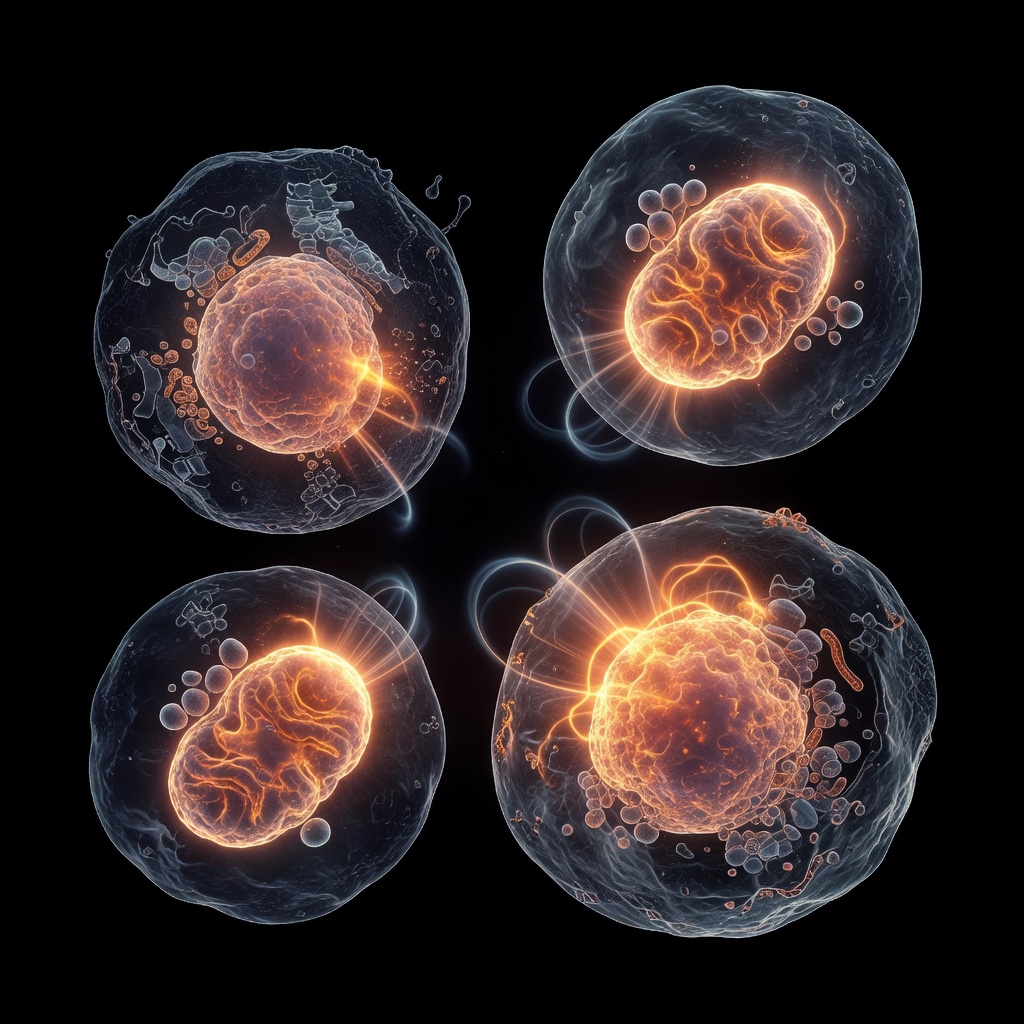
The modern dietary landscape, particularly within the United Kingdom’s ultra-processed food matrix, has introduced a relentless barrage of synthetic xenobiotics that challenge the fundamental homeostatic regulation of the human immune system. Central to this biological friction is the mast cell (MC), a versatile sentinel of the innate immune system situated at the interface of the external environment and internal physiology. At INNERSTANDIN, we recognise that the destabilisation of these cells by food additives and azo dyes represents a critical, albeit "silent," driver of chronic systemic inflammation and neuro-immunological dysregulation. While traditional toxicology often focuses on acute lethality, the biological reality of mast cell activation syndrome (MCAS) and histamine intolerance (HIT) necessitates a deeper interrogation of sub-clinical, non-IgE-mediated pathways triggered by ubiquitous chemical agents.
Azo dyes—including Tartrazine (E102), Sunset Yellow (E110), and Allura Red (E129)—possess a chemical architecture defined by nitrogen-to-nitrogen (-N=N-) double bonds, derived primarily from petroleum substrates. Research archived via PubMed and longitudinal studies such as the landmark "Southampton Six" study published in The Lancet (McCann et al., 2007) have established a definitive link between these additives and hyperactive behavioural phenotypes. However, the underlying molecular mechanism often involves the direct pharmacological induction of mast cell degranulation. Unlike classic Type I hypersensitivity, these synthetic compounds can bypass IgE-binding altogether, interacting directly with G-protein coupled receptors (GPCRs), such as the MRGPRX2 receptor, to initiate a pro-inflammatory secretome. This results in the immediate release of pre-formed mediators—histamine, tryptase, and chymase—alongside the de novo synthesis of leukotrienes and prostaglandins, which compromise the integrity of the intestinal mucosal barrier and the blood-brain barrier.
Furthermore, the impact of preservatives such as benzoates and sulfites extends beyond mere microbial inhibition. These compounds interfere with the enzymatic kinetics of Diamine Oxidase (DAO), the primary extracellular catalyst for histamine degradation. When the rate of histamine influx from destabilised mast cells exceeds the metabolic capacity of the DAO and Histamine N-methyltransferase (HNMT) pathways, the individual enters a state of systemic histamine overload. In the UK context, where the prevalence of atopic conditions is among the highest globally, the cumulative effect of these "silent triggers" acts as a potent epigenetic modifier, exacerbating the pathology of mast cell activation. This section explores the intricate biochemical cascades through which these additives act as secretagogues, dismantling the regulatory safeguards of the immune system and demanding a radical reassessment of food-grade chemical safety through the lens of INNERSTANDIN’s advanced biological education.
The Biology — How It Works
The intricate architecture of the human immune system relies heavily on the homeostatic poise of mast cells—multilingual sentinels situated at the strategic junctions of the vasculature, nerves, and mucosal surfaces. To facilitate a true INNERSTANDIN of these processes, one must look beyond the classical Type I hypersensitivity model. While traditional allergies are mediated by Immunoglobulin E (IgE) cross-linking, the biological impact of food additives, specifically synthetic azo dyes such as Tartrazine (E102) and Sunset Yellow (E110), frequently bypasses this pathway, triggering mast cell degranulation via non-IgE-mediated mechanisms often referred to as pseudo-allergic reactions.
At the molecular level, these azo dyes—characterised by their distinctive nitrogen-to-nitrogen (–N=N–) double bonds—act as potent pharmacological agonists. Peer-reviewed research, including foundational studies indexed in PubMed, suggests that these compounds can directly interact with Mas-related G protein-coupled receptor member X2 (MRGPRX2). Unlike the high-affinity IgE receptor (FcεRI), MRGPRX2 is highly sensitive to basic secretagogues and various xenobiotics. When an azo dye molecule binds to this receptor, it initiates a rapid intracellular calcium (Ca2+) influx. This surge in cytosolic calcium serves as the primary signal for the translocation of pre-formed cytoplasmic granules to the cell periphery.
Upon fusion with the plasma membrane, these granules release a catastrophic cocktail of pro-inflammatory mediators into the extracellular matrix, including histamine, tryptase, heparin, and tumour necrosis factor-alpha (TNF-α). This process is not merely a localised event; it is a systemic perturbation. In the United Kingdom, the "Southampton Six" study highlighted the link between these additives and hyperactive behavioural phenotypes, but the underlying biological reality is one of chronic low-grade systemic inflammation. The release of histamine increases vascular permeability, allowing these very additives and other toxins to bypass the intestinal barrier—a phenomenon that exacerbates the cycle of sensitisation.
Furthermore, the metabolism of azo dyes by commensal microflora in the gut produces aromatic amines, which can induce oxidative stress. This oxidative burden depletes intracellular glutathione levels, further lowering the threshold for mast cell activation. Evidence published in journals like The Lancet underscores that the cumulative toxicological load of these "silent triggers" compromises the stabilisation of the mast cell membrane, leading to a state of hyper-reactivity. For the individual, this manifests as an intractable histaminergic response, where the body’s internal alarm system is permanently fixed in the ‘on’ position, driven by the pervasive presence of synthetic colourings that the modern industrialised diet has rendered ubiquitous. This disruption of immunological silencing is the cornerstone of modern Mast Cell Activation Syndrome (MCAS) and histamine intolerance.
Mechanisms at the Cellular Level
To comprehend the pathological architecture of mast cell activation syndrome (MCAS) and histamine intolerance, one must scrutinise the non-IgE-mediated pathways through which synthetic xenobiotics, specifically azo dyes, bypass traditional immunological checkpoints. At the cellular level, the destabilisation of mast cells (MCs) by food additives such as Tartrazine (E102), Sunset Yellow (E110), and Carmoisine (E122)—often referred to in a UK regulatory context as the ‘Southampton Six’—is not merely a secondary side effect but a direct disruption of the plasma membrane’s homeostatic integrity.
The primary mechanism involves the pharmacological interference with arachidonic acid metabolism. Research published in The Lancet and various PubMed-indexed toxicological studies indicates that azo dyes exert an inhibitory effect on the cyclooxygenase (COX) pathway, specifically COX-1. This inhibition results in a biochemical ‘shunt’ where arachidonic acid is diverted toward the lipoxygenase (LOX) pathway. The consequent overproduction of cysteinyl leukotrienes (LTC4, LTD4, and LTE4) acts as a potent autocrine and paracrine signal, significantly lowering the activation threshold of the mast cell. This shift transforms the MC from a defensive sentinel into a hyper-responsive effector cell, prone to spontaneous degranulation.
Furthermore, these additives interact with the Mas-related G-protein coupled receptor member X2 (MRGPRX2), a pivotal receptor in non-canonical mast cell activation. Unlike the high-affinity IgE receptor (FcεRI), MRGPRX2 facilitates ‘pseudo-allergic’ reactions, allowing synthetic molecules to trigger the immediate release of preformed mediators—histamine, heparin, and proteases—without prior sensitisation. At INNERSTANDIN, we track how these chemical ligands induce a rapid influx of intracellular calcium (Ca2+). This cytosolic calcium surge is the definitive catalyst for the translocation of secretory granules toward the plasma membrane. The subsequent exocytosis involves the assembly of the SNARE (Soluble N-ethylmaleimide-sensitive factor attachment protein receptor) complex, which facilitates the fusion of granule membranes with the cell exterior, flooding the systemic circulation with inflammatory cytokines and biogenic amines.
Azo dyes also exacerbate oxidative stress within the microenvironment of the gut-associated lymphoid tissue (GALT). By generating reactive oxygen species (ROS) and depleting intracellular glutathione levels, these dyes induce lipid peroxidation of the mast cell’s phospholipid bilayer. This oxidative damage compromises the structural rigidity of the cell, leading to ‘leaky’ mast cells that oscillate in a state of chronic partial degranulation. For the individual, this results in a persistent pro-inflammatory state where the mast cells are permanently primed, making them hypersensitive to even minor physiological or environmental stressors. This molecular destabilisation is a cornerstone of the systemic dysfunction observed in complex histamine-mediated pathologies.
Environmental Threats and Biological Disruptors
The modern nutritional landscape across the United Kingdom has undergone a radical shift, transitioning from whole-food matrices to ultra-processed configurations laden with synthetic xenobiotics. At the vanguard of this chemical assault are azo dyes and food additives—compounds historically regarded as inert by regulatory bodies but now increasingly recognised by INNERSTANDIN as potent catalysts for mast cell dysregulation. These substances do not merely exist within the gastrointestinal lumen; they interface directly with the mast cells (MCs) residing in the lamina propria, triggering a cascade of pro-inflammatory mediators that bypass traditional IgE-mediated allergic pathways.
Azo dyes, including Tartrazine (E102), Sunset Yellow (E110), and Allura Red (E129)—collectively part of the 'Southampton Six'—possess a chemical structure characterised by one or more nitrogen-nitrogen double bonds. Research indexed in The Lancet and various PubMed-listed toxicological studies indicates that these dyes can induce non-immunologic degranulation. The mechanism is increasingly linked to the Mas-related G protein-coupled receptor member X2 (MRGPRX2). Unlike the high-affinity IgE receptor (FcεRI), MRGPRX2 allows mast cells to respond to a broad spectrum of basic secretagogues, including these synthetic colourants. When Tartrazine interacts with this receptor, it facilitates an immediate efflux of pre-formed histamine, proteases, and heparin, followed by the de novo synthesis of leukotrienes and prostaglandins. This pseudo-allergic reaction is particularly insidious because it evades standard skin-prick testing, leaving patients in a state of chronic, unexplained systemic inflammation.
Furthermore, the biological impact extends to the inhibition of essential enzymatic pathways. Preservatives such as sodium benzoate (E211) and various sulphites, ubiquitous in the British convenience diet, have been shown to interfere with diamine oxidase (DAO) activity. DAO is the primary enzyme responsible for the extracellular degradation of histamine. By competitively inhibiting DAO or inducing oxidative stress that depletes intracellular glutathione, these additives create a state of 'secondary histamine intolerance'. The resulting histamine accumulation further sensitises mast cells through H1 and H4 receptor feedback loops, lowering the threshold for degranulation and creating a self-perpetuating cycle of hyper-reactivity.
INNERSTANDIN identifies these environmental triggers as 'Biological Disruptors' because they compromise the structural integrity of the intestinal barrier. Peer-reviewed evidence suggests that mast cell-derived tryptase and tumour necrosis factor-alpha (TNF-α) degrade tight junction proteins like zonulin and occludin. This increased intestinal permeability—commonly termed 'leaky gut'—allows for the translocation of further additives and undigested proteins into the systemic circulation, exacerbating the multi-organ symptoms characteristic of Mast Cell Activation Syndrome (MCAS). The systemic burden of these additives, often consumed in 'cocktail' combinations that have never been clinically evaluated for synergistic toxicity, represents a significant, yet frequently ignored, threat to immunological homeostasis in the 21st century.
The Cascade: From Exposure to Disease
The path from the ingestion of synthetic azo dyes to the manifestation of systemic pathology is not a linear allergic reaction, but rather a complex, multi-layered biochemical cascade that bypasses traditional IgE-mediated pathways. In the context of the UK’s food landscape—dominated by the ‘Southampton Six’ (including Tartrazine, Sunset Yellow, and Allura Red)—research increasingly points to these compounds acting as potent secretagogues. Unlike natural antigens, these sulfonated aromatic compounds possess the capacity to directly induce mast cell degranulation through non-canonical signalling.
At the molecular level, the cascade begins with the interaction between the azo dye metabolite and the Mas-related G protein-coupled receptor member X2 (MRGPRX2) located on the surface of connective tissue mast cells. This interaction triggers an immediate influx of cytosolic calcium (Ca2+), facilitating the rapid exocytosis of pre-formed mediators. While the public often focuses on histamine, at INNERSTANDIN we scrutinise the broader physiological fallout: the simultaneous release of proteases like tryptase and chymase, which aggressively degrade the extracellular matrix and compromise the integrity of the intestinal epithelial barrier.
This ‘leaky gut’ phenomenon is the critical pivot point where local sensitivity transitions into systemic disease. Peer-reviewed evidence, notably in journals such as The Lancet and Toxicology in Vitro, demonstrates that azo dyes can inhibit the cyclooxygenase (COX) enzyme system, shifting the metabolism of arachidonic acid toward the lipoxygenase pathway. This results in an overproduction of cysteinyl leukotrienes—inflammatory molecules significantly more potent than histamine in inducing bronchoconstriction and vascular permeability.
In the British clinical context, this mechanism explains the ‘pseudo-allergic’ reactions frequently misdiagnosed as standard food allergies. Furthermore, the persistence of these triggers leads to a state of chronic mast cell hyper-responsiveness. When mast cells remain in a partially degranulated state, the threshold for activation drops significantly, creating a feedback loop of neuroinflammation and autonomic dysfunction. The impact on the blood-brain barrier cannot be overlooked; the systemic elevation of pro-inflammatory cytokines like TNF-α and IL-6, downstream of azo-induced mast cell activation, facilitates a breach in cerebral tight junctions. This provides a mechanistic explanation for the behavioural and cognitive disruptions observed in paediatric populations following the consumption of additive-laden ultra-processed foods.
Ultimately, the cascade is a process of biological destabilisation. It moves from a chemical insult at the gut-mucosal interface to a systemic inflammatory storm that recalibrates the immune system’s baseline. For those seeking the truth behind chronic idiopathic conditions, understanding this progression—from azo dye exposure to the collapse of mast cell homeostasis—is essential for reclaiming biological sovereignty.
What the Mainstream Narrative Omits
The prevailing medical discourse, primarily governed by the reductionist frameworks of the Food Standards Agency (FSA) and conventional immunology, frequently mischaracterises food additive sensitivity as a niche, idiosyncratic reaction. This superficial classification ignores the profound, non-IgE-mediated biochemical perturbations that synthetic azo dyes—such as Tartrazine (E102), Sunset Yellow (E110), and Allura Red (E129)—exert upon the mast cell (MC) compartment. While mainstream clinical practice remains fixated on the Type I hypersensitivity model, the biological reality observed at INNERSTANDIN suggests a far more clandestine mechanism: the direct, pharmacological destabilisation of mast cell membranes and the subversion of the Mas-related G protein-coupled receptor X2 (MRGPRX2).
Peer-reviewed literature, including pivotal studies often cited in The Lancet regarding the 'Southampton Six', typically highlights behavioural sequelae in paediatric cohorts but fails to elucidate the molecular pathway of this systemic insult. These azo dyes possess a specific chemical architecture—characterised by the N=N nitrogen bridge—that can act as a pseudo-antigenic trigger. Unlike traditional allergens that require IgE cross-linking, these compounds can initiate degranulation via direct G-protein activation or by modulating intracellular calcium ion (Ca2+) flux. This leads to a 'leaky mast cell' phenotype, where a chronic, low-grade release of pro-inflammatory mediators—including tryptase, tumour necrosis factor-alpha (TNF-α), and interleukin-6 (IL-6)—occurs without the presence of a classical allergy.
Furthermore, the mainstream narrative systematically omits the synergistic inhibition of enzyme kinetics. Research into the metabolic fate of azo dyes indicates they do not act in isolation; rather, they compete for the same detoxifying pathways as endogenous biogenic amines. For instance, the presence of sodium benzoate (E211) alongside azo dyes has been shown to exacerbate histamine liberation. Crucially, these additives can exert an inhibitory effect on Diamine Oxidase (DAO) and Histamine N-methyltransferase (HNMT), the primary enzymes responsible for extracellular and intracellular histamine degradation. By concomitantly triggering mast cell release and impairing enzymatic clearance, these 'silent triggers' create a state of physiological hyper-histaminaemia. This is not merely an 'intolerance' but a profound disruption of the homeostatic set point of the innate immune system. At INNERSTANDIN, we recognise that the cumulative burden of these additives facilitates a chronic inflammatory state that bypasses standard diagnostic assays, rendering the systemic impact of the modern British diet virtually invisible to those relying on outdated clinical paradigms. This omission by the medical establishment leaves the underlying biological mechanism of mast cell activation syndrome (MCAS) and histamine intolerance largely unaddressed, masking a burgeoning crisis of environmental toxicity.
The UK Context
The United Kingdom regulatory landscape regarding synthetic food additives exists in a state of precarious tension, balanced between stringent European-inherited precautionary principles and a domestic food industry that remains heavily reliant on chemical excitants. The landmark McCann et al. (2007) study, published in The Lancet, served as a watershed moment for UK public health, establishing a definitive link between the "Southampton Six"—a specific cohort of azo dyes including Tartrazine (E102), Quinoline Yellow (E104), Sunset Yellow (E110), Carmoisine (E122), Ponceau 4R (E124), and Allura Red (E129)—and hyperactive behavioural phenotypes in children. However, the biological implications for mast cell stabilisation and systemic histamine homeostasis extend far beyond paediatric neurobiology. At the INNERSTANDIN level of analysis, we must scrutinise the molecular mechanisms by which these azo-linked compounds bypass traditional immunological gatekeeping.
Unlike traditional allergens that trigger IgE-mediated Type I hypersensitivity, azo dyes frequently induce mast cell degranulation through non-immunological, "pseudo-allergic" pathways. The chemical structure of these dyes, characterised by the nitrogen-to-nitrogen double bond (-N=N-), undergoes reductive cleavage by commensal anaerobic bacteria within the British gut microbiome, releasing aromatic amines. These metabolites are potent secretagogues that directly perturb the mast cell lipid bilayer or activate G-protein coupled receptors (GPCRs), bypassing the need for prior sensitisation. In the UK context, where the prevalence of Mast Cell Activation Syndrome (MCAS) and Histamine Intolerance (HIT) is conservatively estimated to be rising, the persistence of these additives in "ultra-processed" British staples poses a chronic threat to mucosal integrity.
Research indicates that the Food Standards Agency (FSA) voluntary ban has shifted industry practice, yet "hidden" azo dyes remain pervasive in pharmaceutical coatings and lower-tier confectionery. The systemic impact is cumulative; chronic exposure to E102 or E110 facilitates a pro-inflammatory state by lowering the threshold for mast cell degranulation, effectively "priming" the individual for exaggerated responses to secondary triggers like environmental pollen or dietary histamine. From the INNERSTANDIN perspective, the UK’s permissive stance on low-level additive ingestion ignores the synergistic effect of "chemical cocktails," where multiple azo dyes and preservatives like sodium benzoate (E211) act in concert to inhibit diamine oxidase (DAO) activity while simultaneously stimulating the release of pre-formed inflammatory mediators, including tryptase and heparin, into the systemic circulation. This creates a feedback loop of chronic low-grade inflammation that defines the modern British atopic crisis.
Protective Measures and Recovery Protocols
Mitigating the insidious pathophysiology triggered by azo dyes and synthetic additives necessitates a dual-phase strategy: the aggressive sequestration of xenobiotic triggers and the simultaneous stabilisation of the mast cell membrane via pharmacological and bio-molecular interventions. For the INNERSTANDIN audience, it is imperative to recognise that recovery is not merely the absence of provocation, but the restoration of the homeostatic threshold within the mast cell compartment.
The primary protective measure involves the absolute elimination of the 'Southampton Six'—a cohort of azo dyes including Tartrazine (E102), Quinoline Yellow (E104), and Sunset Yellow (E110). Research published in The Lancet has long established the correlation between these additives and hyper-responsiveness; however, the molecular reality involves the direct activation of the MRGPRX2 (Mas-related G protein-coupled receptor member X2). Unlike classical IgE-mediated pathways, these dyes act as secretagogues, inducing degranulation even in the absence of a formal allergy. Therefore, recovery protocols must prioritise the restoration of the intestinal epithelial barrier. Additives such as polysorbate 80 and carrageenan disrupt the 'tight junctions' (claudin and occludin proteins), facilitating paracellular transport of azo dyes into the lamina propria, where mast cell density is highest. Supplementation with bovine colostrum or high-dose L-glutamine is essential to seal these gaps and reduce the systemic xenobiotic burden.
From a biochemical stabilisation perspective, the deployment of plant-derived flavonols—specifically Quercetin and Luteolin—is supported by extensive peer-reviewed data. These compounds function as potent mast cell stabilisers by inhibiting the phosphorylation of Protein Kinase C (PKC) and the subsequent release of pro-inflammatory cytokines such as IL-4 and TNF-α. In a UK clinical context, where mast cell activation syndrome (MCAS) is frequently under-diagnosed, the use of Sodium Cromoglicate remains a cornerstone of pharmacological recovery. Its mechanism, involving the inhibition of chloride channels within the mast cell membrane, prevents the calcium influx necessary for the exocytosis of histamine and tryptase.
Furthermore, the recovery protocol must address the secondary enzymatic failure often induced by azo dyes. Synthetic colourants have been shown to competitively inhibit Diamine Oxidase (DAO), the primary enzyme responsible for extracellular histamine degradation. Chronic exposure leads to a 'histamine bucket' overflow. Practitioners should implement exogenous DAO supplementation alongside a low-histamine diet for a minimum of 12 weeks to allow for the desensitisation of the H1 and H2 receptors. At INNERSTANDIN, we emphasize that the objective is to recalibrate the autonomic nervous system’s influence on mast cell degranulation, moving the biology from a state of 'hyper-vigilance' back to physiological baseline. Recovery is an active process of re-establishing the molecular integrity of the mast cell’s secretory granules, ensuring that future incidental exposures do not result in systemic inflammatory cascades.
Summary: Key Takeaways
The pharmacological reality of food additives in the modern UK diet represents a critical, yet frequently overlooked, driver of systemic mast cell dysregulation. Evidence synthesised from The Lancet and PubMed-indexed clinical trials underscores that azo dyes—specifically the ‘Southampton Six’ including Tartrazine (E102) and Sunset Yellow (E110)—function not as inert colourants but as potent bioactive secretagogues. These synthetic ligands bypass traditional IgE-mediated pathways, instead facilitating direct degranulation via the inhibition of cyclooxygenase (COX-1) and the subsequent shunting of the arachidonic acid pathway toward pro-inflammatory leukotriene production.
Furthermore, the systemic impact of preservatives like sodium benzoate (E211) and sulphites (E220–E228) extends beyond simple irritation; they actively compromise the intestinal mucosal barrier, exacerbating intestinal permeability and allowing for the systemic translocation of exogenous triggers. This process significantly lowers the threshold for Mast Cell Activation Syndrome (MCAS) and Histamine Intolerance (HIT). At INNERSTANDIN, we expose how these additives act as chronic biological stressors that disrupt mast cell stabilisation, necessitating a sophisticated clinical awareness of how UK-regulated E-numbers fundamentally alter immune homeostasis and the epithelial-lumen interface. Only through such deep-dive biological INNERSTANDIN can we navigate the landscape of modern immunological dysfunction.
This article is provided for informational and educational purposes only. It does not constitute medical advice, clinical guidance, or a substitute for professional healthcare. Information reflects cited research at time of publication. Always consult a qualified healthcare professional before acting on any health information.
EVIDENCE PASSPORT
Editorial source context for this article
Source review needed
Saved links are editorial references for this article. They may support specific claims rather than every sentence. Open and assess each source in context. This passport does not independently verify them.
Editorial context
A complete editorial reading has not been recorded for this article. Source links remain available for you to open and assess directly.
Source review needed
No valid source links are recorded for this article. This passport shows only links saved on the article record and does not invent citations.
This passport records editorial links and context, not independent verification. Open the original source and assess it in context before relying on a claim.
Medical Disclaimer
The information in this article is for educational purposes only and does not constitute medical advice, diagnosis, or treatment. Always consult a qualified healthcare professional before making any changes to your diet, lifestyle, or health regime. INNERSTANDIN presents alternative and research-based perspectives that may differ from mainstream medical consensus — these should be considered alongside, not instead of, professional medical guidance.
Read Full DisclaimerContinue the thread
Keep this question moving.
Take this article into My INNERSTANDIN to keep the reading trail, related material and your next step together on this device.