Silica-Induced Inflammasome Activation: The Link Between Pulmonary Dust Exposure and Systemic Calcific Tendinopathy
An in-depth exploration of how inhaled crystalline silica triggers the NLRP3 inflammasome, leading to systemic inflammation and the subsequent development of calcium deposits within connective tissues, specifically tendons.

# Silica-Induced Inflammasome Activation: The Link Between Pulmonary Dust Exposure and Systemic Calcific Tendinopathy. ## Introduction: Beyond the Lungs. For decades, the medical community has viewed crystalline silica (SiO2) primarily as a respiratory hazard, leading to the well-documented condition known as silicosis. However, emerging research from the UK and globally suggests that the impact of silica exposure is far more pervasive, extending deep into the musculoskeletal system. At INNERSTANDING, we focus on the root causes of chronic illness; in this context, we must explore how an inhaled dust can manifest as debilitating calcific tendinopathy. This connection is not merely incidental but is rooted in the fundamental mechanisms of the body's innate immune response, specifically the activation of the NLRP3 inflammasome. ## The Silica Spark: Phagosomal Destabilisation.
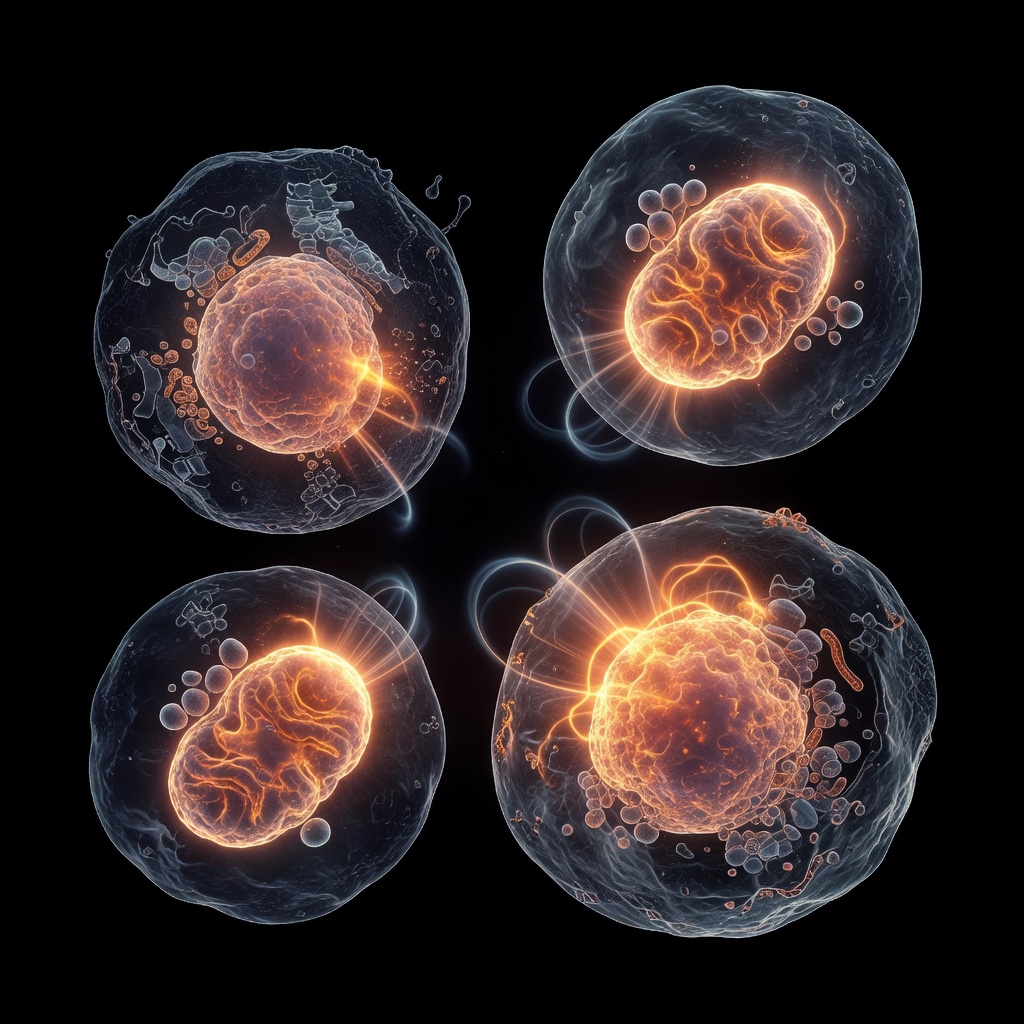
The journey begins when microscopic crystalline silica particles are inhaled and reach the alveolar spaces of the lungs. Here, alveolar macrophages—the frontline defenders of the immune system—attempt to clear the foreign material through phagocytosis. Unlike organic pathogens, silica is chemically inert and physically indestructible. Once inside the macrophage, the sharp, crystalline edges of the silica particles cause mechanical stress to the phagolysosomal membrane. This leads to lysosomal rupture and the leakage of cathepsin B enzymes into the cytoplasm.
This intracellular damage serves as a 'Danger Associated Molecular Pattern' (DAMP), which is the primary trigger for the assembly of the NLRP3 inflammasome. ## The NLRP3 Inflammasome: The Master Regulator. The NLRP3 inflammasome is a multi-protein complex that acts as a sensor for cellular stress. When triggered by silica-induced lysosomal damage, the complex assembles and activates an enzyme called caspase-1. This enzyme is responsible for the maturation of pro-inflammatory cytokines, most notably Interleukin-1 beta (IL-1β) and Interleukin-18 (IL-18). Under normal circumstances, this is a controlled response to infection.
However, because the silica cannot be broken down, the macrophage eventually undergoes a form of programmed cell death called pyroptosis, releasing both the silica particles and the matured cytokines back into the tissue. This creates a self-perpetuating cycle of inflammation that eventually spills over into the systemic circulation. ## Systemic Spillover and Vascular Transport. While the primary inflammatory event occurs in the lungs, the cytokines generated—specifically IL-1β—do not remain localized. They enter the bloodstream, creating a state of chronic, low-grade systemic inflammation. This is the crucial link to systemic calcific tendinopathy.
These circulating cytokines reach peripheral connective tissues, including the rotator cuff, Achilles tendon, and patellar tendons. In the UK, where occupations involving stone masonry, construction, and brickwork are prevalent, workers often exhibit systemic markers of inflammation that correlate with musculoskeletal pain long before lung function significantly declines. ## Tenocyte Under Siege: The Priming for Mineralisation. Tendons are primarily composed of tenocytes, specialized cells that maintain the extracellular matrix. Under the influence of systemic IL-1β and chronic oxidative stress, tenocytes undergo a process of phenotypic transformation. Instead of maintaining healthy collagen structures, the tenocytes begin to express genes typically associated with bone-forming cells (osteoblasts), such as Runx2 and alkaline phosphatase.
MSM Sulphur – Nature’s Forgotten Mineral
MSM Sulphur provides a high-purity, bioavailable source of a mineral that has largely vanished from modern diets due to industrial farming. It supports essential biological processes and structural health, restoring a vital nutrient your body needs to function optimally.
Vetting Notes
Pending
This process is known as ectopic calcification. The 'primed' tenocytes begin to deposit hydroxyapatite crystals within the tendon matrix, leading to the hardening and loss of elasticity characteristic of calcific tendinopathy. ## The Biochemical Pathway of Calcific Tendinopathy. The transition from inflammation to mineralisation is driven by the alteration of the local microenvironment. High levels of IL-1β inhibit the natural inhibitors of mineralisation, such as inorganic pyrophosphate. This shift allows calcium phosphate to precipitate into the tendon tissue.
Furthermore, the persistent presence of silica-induced systemic factors disrupts the body's mineral homeostasis. Research suggests that the inflammasome-driven cytokine storm promotes the differentiation of mesenchymal stem cells into osteogenic lineages rather than tenogenic ones. This means the body's attempt to repair minor tendon micro-tears results in bone-like deposits rather than healthy tendon tissue. ## Connecting the Dots: Why Tendons? One might ask why the tendons are particularly susceptible to this systemic inflammatory insult. Tendons are relatively hypovascular, meaning they have a lower blood supply compared to muscles.
This allows inflammatory mediators and metabolic by-products to accumulate in the tissue rather than being rapidly cleared. Additionally, the mechanical loading of tendons creates an environment where 'mechanotransduction' can exacerbate the inflammatory signal. When a tendon already stressed by systemic silica-induced cytokines is subjected to repetitive mechanical load, the NLRP3 inflammasome pathway is further amplified locally, accelerating the mineralisation process. ## Root-Cause Management and Implications. Understanding the link between silica and tendons shifts our approach to treatment. Traditional treatments focus on local steroid injections or shockwave therapy to break up calcium deposits.
However, from a root-cause perspective, we must address the underlying 'inflammasome burden.' This involves: 1. Minimising Exposure: Strict adherence to HSE (Health and Safety Executive) guidelines for respiratory protection in dusty environments. 2. Inflammaging Support: Utilizing nutritional interventions that modulate the NLRP3 pathway, such as Omega-3 fatty acids, curcumin, and sulforaphane, which have shown potential in reducing IL-1β production. 3. Metabolic Clearing: Enhancing the body's natural detoxification and antioxidant pathways to handle the oxidative stress generated by silica particles. ## Conclusion. The connection between silica-induced inflammasome activation and systemic calcific tendinopathy represents a paradigm shift in how we view environmental health.
It highlights that our bodies are not a collection of isolated organs, but an integrated system where a challenge in the lungs can manifest as a pathology in the joints. For those in the UK and beyond working in high-risk industries, recognizing that tendon pain may be a systemic symptom of dust exposure is the first step toward true innerstanding and long-term health recovery. By focusing on the molecular root causes—specifically the NLRP3 inflammasome—we can move beyond symptom management toward genuine systemic resilience.
This article is provided for informational and educational purposes only. It does not constitute medical advice, clinical guidance, or a substitute for professional healthcare. Information reflects cited research at time of publication. Always consult a qualified healthcare professional before acting on any health information.
RESEARCH FOUNDATIONS
Biological Credibility Archive
Citations provided for educational reference. Verify via PubMed or institutional databases.
Medical Disclaimer
The information in this article is for educational purposes only and does not constitute medical advice, diagnosis, or treatment. Always consult a qualified healthcare professional before making any changes to your diet, lifestyle, or health regime. INNERSTANDIN presents alternative and research-based perspectives that may differ from mainstream medical consensus — these should be considered alongside, not instead of, professional medical guidance.
Read Full DisclaimerReady to learn more?
Continue your journey through our classified biological research.
DISCUSSION ROOM
Members of THE COLLECTIVE discussing "Silica-Induced Inflammasome Activation: The Link Between Pulmonary Dust Exposure and Systemic Calcific Tendinopathy"
SILENT CHANNEL
Be the first to discuss this article. Your insight could help others understand these biological concepts deeper.
THE ARSENAL
Based on Silica & Connective Tissue Mineralisation — products curated by our research team for educational relevance and biological support.

Clean Slate – Detoxes thousands of chemicals,heavy metals, pesticides, allergens, mold spores and fungus
Glutathione Builder – Advanced Amino Acid Formula
MSM Sulphur – Nature’s Forgotten Mineral
INNERSTANDING may earn a commission on purchases made through these links. All products are selected based on rigorous educational relevance to our biological research.
RABBIT HOLE
Follow the biological thread deeper