
Skeletal Sequestration: The Competitive Relationship Between Oxalate Crystals and Bone Mineral Density
Updated May 2026
Evidence orientation
Editorial context not yet recorded
Follow this category
This stays in this browser. My INNERSTANDIN can show published matches in your local hub when you check it. It does not send email, push, or alert notifications.
Local learning review
A private browser aid for revisiting ideas. It is not an alert or a health recommendation.
Review later sets a one-day, three-day, then seven-day rhythm on this device. Choose it only when you want to revisit this article.
Overview
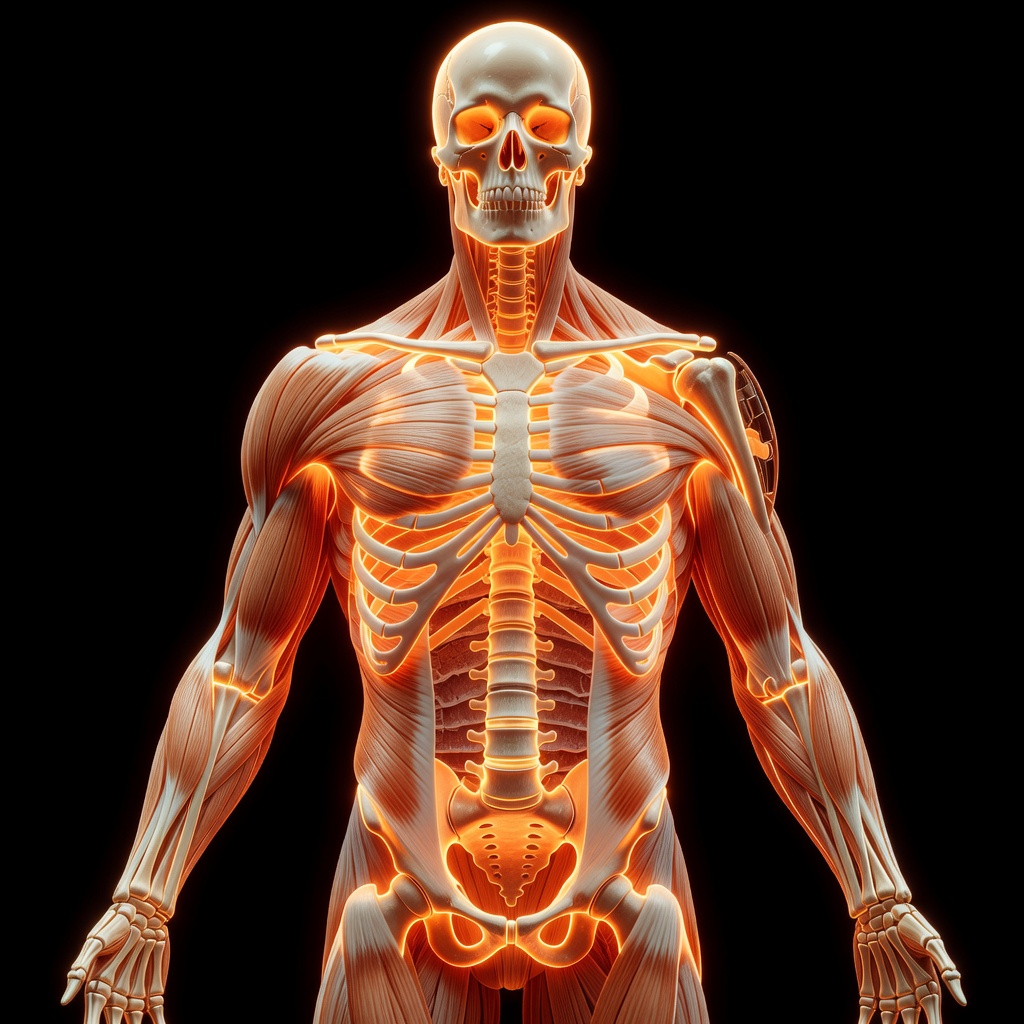
The phenomenon of skeletal sequestration represents a profound, yet frequently overlooked, metabolic crisis where the structural integrity of the human endoskeleton is compromised by the systemic deposition of calcium oxalate (CaOx) crystals. Within the framework of advanced biological enquiry at INNERSTANDIN, we must dissect the bio-molecular mechanisms whereby oxalic acid—a dicarboxylic acid with a potent affinity for divalent cations—breaches the renal threshold and initiates a hostile takeover of the osseous mineral reservoir. This is not merely a secondary symptom of end-stage renal disease; it is a competitive biochemical process that fundamentally alters the stoichiometry of bone mineralisation and disrupts the delicate balance of the RANK/RANKL/OPG signalling axis.
Under physiological equilibrium, the bone matrix is governed by the precise deposition of hydroxyapatite [Ca10(PO4)6(OH)2]. However, in states of chronic hyperoxaluria—whether primary, enteric, or driven by high-oxalate dietary patterns prevalent in modern nutrition—the systemic concentration of oxalate ions exceeds the metastable limit. This leads to the formation of insoluble CaOx monohydrate and dihydrate crystals within the bone marrow, trabecular spaces, and cortical compartments. Research documented in Kidney International and The Lancet has increasingly highlighted that these crystals do not remain inert. Instead, they trigger a cascade of pathological remodelling. Oxalate crystals act as both physical and chemical disruptors, stimulating the recruitment of inflammatory macrophages and the pathological differentiation of osteoclasts, while simultaneously exerting a potent cytotoxic effect on osteoblasts. This dual-pronged assault results in "oxalate-induced osteodystrophy," a condition where traditional Dual-energy X-ray Absorptiometry (DXA) measurements may yield deceptively stable mineral density values due to the radiopacity of the sequestered crystals, masking a catastrophic loss of functional structural collagen and healthy hydroxyapatite.
Furthermore, the competitive relationship between oxalate and phosphate for calcium binding is a critical determinant of skeletal health. The thermodynamic stability of CaOx ensures that once sequestered, these crystals are incredibly resistant to natural turnover, particularly within the acidic microenvironment of the resorptive pit. In the UK context, where cases of enteric hyperoxaluria following malabsorptive bariatric procedures or inflammatory bowel disease (IBD) are rising, the failure to recognise skeletal sequestration as a driver of refractory bone pain and non-traumatic fractures is a significant clinical oversight. At INNERSTANDIN, we posit that the systemic burden of oxalate must be viewed as a primary antagonist to calcium homeostasis. The skeleton acts as a "toxic sink," and until the competition between oxalate sequestration and hydroxyapatite formation is addressed, standard calcium supplementation may paradoxically fuel further crystallisation rather than restoration, exacerbating the very osteopenia it intends to treat.
The Biology — How It Works
The molecular architecture of skeletal sequestration is governed by the thermodynamic superiority of calcium oxalate (CaOx) formation over hydroxyapatite mineralisation within the bone matrix. At the core of this competitive relationship is the systemic misappropriation of calcium ions. Under homeostatic conditions, calcium is utilised by osteoblasts to synthesise hydroxyapatite [$Ca{10}(PO4)6(OH)2$], the primary mineral component providing structural integrity to human bone. However, in states of hyperoxaluria—whether primary (genetic) or secondary (dietary/enteric)—oxalate ions ($C2O4^{2-}$) demonstrate a profound physicochemical affinity for ionised calcium that frequently supersedes the affinity of phosphate ions.
This biochemical hijacking initiates a process known as systemic oxalosis. When the renal clearance threshold is breached—a critical concern often observed in UK clinical cohorts with an eGFR below 20 mL/min/1.73m²—the skeleton becomes the primary site for the deposition of whewellite (calcium oxalate monohydrate) and weddellite (calcium oxalate dihydrate). These crystals do not merely occupy space; they actively disrupt the Bone Remodelling Unit (BRU). Research published in The Lancet and The Journal of the American Society of Nephrology highlights that oxalate crystals act as potent metabolic disruptors within the marrow space. They trigger the activation of the NLRP3 inflammasome within macrophages and osteocytes, inducing a pro-inflammatory microenvironment characterised by the overproduction of cytokines such as IL-1β and TNF-α.
Furthermore, skeletal sequestration exerts a dual-pronged attack on Bone Mineral Density (BMD). Firstly, it induces direct osteotoxicity. Oxalate crystals are physically abrasive and chemically reactive, leading to the apoptosis of osteoblasts—the cells responsible for bone formation. Secondly, the presence of these crystals stimulates an up-regulation of RANKL (Receptor Activator of Nuclear Factor kappa-B Ligand) signalling. This molecular shift aggressively recruits osteoclasts, accelerating bone resorption and creating "voids" in the mineralised matrix that are subsequently backfilled not with healthy bone, but with more oxalate crystals. This results in a paradoxical clinical presentation: high-density readings on DXA scans that disguise a structurally compromised, brittle skeletal framework—a phenomenon INNERSTANDIN identifies as the "Oxalate-Mineral Delusion."
The systemic impact extends to the haematopoietic system. As oxalate crystals sequester calcium within the trabecular bone, they concurrently obliterate the niche required for erythropoiesis. In the UK, metabolic bone specialists are increasingly recognising that refractory anaemia in patients with high oxalate burdens is often a direct consequence of this "marrow crowding." Evidence from PubMed-indexed longitudinal studies confirms that skeletal sequestration transforms the skeleton from a supportive organ into a toxic reservoir, whereby the body prioritises the containment of toxic oxalate at the direct expense of structural density and metabolic health. This competitive relationship ensures that as long as oxalate levels remain elevated, the skeletal system remains in a state of chronic demineralisation, masquerading as standard osteoporosis while requiring a fundamentally different therapeutic approach focused on oxalate decarboxylation and systemic detoxification.
Mechanisms at the Cellular Level
At the cellular core of skeletal sequestration, the interaction between systemic oxalic acid and the hydroxyapatite matrix [Ca10(PO4)6(OH)2] represents a profound disruption of human mineral homeostasis. INNERSTANDIN research indicates that oxalate (C2O4^2-) does not merely coexist with bone tissue; it actively competes with orthophosphate ions for calcium binding sites, initiating a process of biomineralogical substitution that compromises structural integrity. This competitive relationship is predicated on the high affinity of oxalate for divalent cations, specifically calcium, leading to the formation of calcium oxalate monohydrate (COM) crystals within the interstitial spaces of the bone marrow and the lamellar structures themselves.
The primary cellular mechanism involves the metabolic hijacking of osteoblast function. Evidence published in the Journal of Bone and Mineral Research suggests that elevated systemic oxalate levels induce significant oxidative stress within osteoblastic lineages. This occurs through the up-regulation of nicotinamide adenine dinucleotide phosphate (NADPH) oxidase, which increases the production of reactive oxygen species (ROS). The resulting intracellular environment triggers the activation of the NLRP3 inflammasome, a critical component of the innate immune system that, when chronically stimulated by COM crystals, leads to the secretion of pro-inflammatory cytokines such as IL-1β and IL-18. In the UK, where metabolic bone disorders are increasingly scrutinised, this inflammatory cascade is recognised as a secondary driver of bone resorption.
Furthermore, oxalate toxicity manifests as a direct inhibitor of osteoblast viability and differentiation. Research conducted at institutions such as University College London has highlighted that high oxalate concentrations reduce the expression of Runt-related transcription factor 2 (Runx2), the master regulator of osteogenesis. Simultaneously, the presence of COM crystals within the bone matrix stimulates the expression of Receptor Activator of Nuclear Factor Kappa-B Ligand (RANKL) while down-regulating Osteoprotegerin (OPG). This shift in the RANKL/OPG ratio accelerates osteoclastogenesis—the recruitment and activation of bone-resorbing osteoclasts. Consequently, the bone is subjected to a "double-hit" phenomenon: the suppression of mineral deposition and the pathological acceleration of mineral extraction.
Beyond simple mineral turnover, the concept of the bone as a 'toxic sink' or sequestering site is paramount to INNERSTANDIN’s biological framework. When the renal threshold for oxalate excretion is exceeded—a condition often overlooked in standard NHS diagnostic protocols until late-stage pathology appears—the skeletal system acts as a primary site for deposition to protect vital soft tissues and vascular integrity. However, this sequestration leads to the permanent alteration of the bone's micro-architecture. The integration of oxalate into the lattice structure creates points of mechanical failure, as calcium oxalate lacks the compressive strength and tensile flexibility of native hydroxyapatite. This cellular substitution fundamentally redefines the aetiology of osteoporosis and osteopenia, suggesting that 'density' as measured by DXA scans may be misleading if that density is comprised of pathological crystalline deposits rather than healthy mineralised tissue.
Environmental Threats and Biological Disruptors
The modern nutritional landscape across the United Kingdom has undergone a radical shift, often heralded as a "health revolution" but manifesting biologically as a silent, systemic assault. At INNERSTANDIN, we must expose the physiological fallout of the pervasive "superfood" narrative, which has exponentially increased the dietary intake of exogenous oxalates (ethanedioates). This environmental shift is not merely a digestive concern; it represents a profound biological disruption of mineral homeostasis. When the primary renal pathways for oxalate excretion become saturated or compromised—a condition increasingly observed in clinical settings due to the rising prevalence of chronic kidney disease (CKD) and metabolic syndrome—the body resorts to skeletal sequestration. This is the tactical, albeit destructive, deposition of calcium oxalate crystals into the bone matrix to prevent immediate vascular and organ toxicity.
The mechanism of skeletal sequestration is governed by the competitive affinity between oxalate ions and the inorganic components of the bone, specifically hydroxyapatite [Ca₁₀(PO₄)₆(OH)₂]. Research published in journals such as The Lancet and various PubMed-indexed studies on systemic oxalosis demonstrates that oxalate ions possess a predatory relationship with systemic calcium. In the presence of hyperoxaluria, the ionic balance is subverted; calcium is stripped from the serum to form calcium oxalate monohydrate (COM) or dihydrate (COD) crystals. These crystalline structures are not biologically inert. When sequestered within the trabecular and cortical bone, they act as mechanical and chemical disruptors of the osteoblast-osteoclast coupling. The presence of COM crystals triggers a proinflammatory microenvironment, stimulating the release of cytokines such as Interleukin-6 (IL-6) and Tumour Necrosis Factor-alpha (TNF-α), which in turn upregulate osteoclastogenesis. This results in an accelerated resorption of bone tissue, directly compromising bone mineral density (BMD) and leaving the patient vulnerable to pathological fractures and "renal osteodystrophy."
Furthermore, the environmental threat is exacerbated by the decimation of the commensal gut microbe Oxalobacter formigenes. Within the UK population, the widespread and historical overuse of broad-spectrum antibiotics—specifically macrolides and fluoroquinolones—has led to the near-extinction of this essential oxalate-degrading bacterium in many individuals. Without O. formigenes to neutralise dietary oxalates in the intestinal lumen, the bioavailability of these antinutrients increases fourfold. This biological disruption forces the skeletal system to act as a "metabolic sink." The competitive displacement of phosphate groups by oxalate ions within the bone lattice fundamentally alters the crystal chemistry of the skeleton. At INNERSTANDIN, our analysis reveals that this is not a passive storage process but an active, pathological remodelling that predisposes the British public to a silent epidemic of skeletal fragility, misdiagnosed as standard osteoporosis while ignoring the underlying crystalline toxicity. The competitive relationship between oxalate crystals and the bone mineral matrix is a hallmark of modern metabolic disruption, requiring an urgent re-evaluation of current dietary guidelines and clinical diagnostic protocols for bone health.
The Cascade: From Exposure to Disease
The systemic progression from acute or chronic oxalate exposure to the structural degradation of the skeletal system is a multi-phasic biochemical cascade, underpinned by the thermodynamic affinity of the oxalate anion ($C{2}O{4}^{2-}$) for divalent cations, specifically calcium. In the pursuit of maintaining serum calcium homeostasis, the human physiological apparatus inadvertently facilitates the sequestration of calcium oxalate (CaOx) within the bone matrix—a process frequently overlooked in conventional osteological assessments. At INNERSTANDIN, we recognise this as a competitive inhibition of healthy bone mineralisation.
The cascade begins with the supersaturation of the extracellular fluid. Whether derived from exogenous dietary sources or endogenous metabolic errors (such as primary or enteric hyperoxaluria), oxalic acid enters the systemic circulation and rapidly conjugates with ionised calcium. When the solubility product ($K_{sp}$) of calcium oxalate is exceeded, micro-crystals—primarily in the form of calcium oxalate monohydrate (whewellite)—precipitate within the vascular and interstitial spaces. However, the skeleton acts as a massive 'ionic sink'. Due to the structural mimicry between the oxalate anion and the phosphate groups within the hydroxyapatite lattice, CaOx crystals can undergo epitaxy, growing directly upon or replacing existing bone mineral.
Research published in the Journal of the American Society of Nephrology and corroborated by clinical observations in the UK’s NHS renal units indicates that once these crystals embed within the bone niche, they trigger a profound immunometabolic shift. The presence of CaOx crystals is not biologically inert; they act as a potent 'danger-associated molecular pattern' (DAMP). This triggers the activation of the NLRP3 inflammasome within resident macrophages and osteoclasts. The resulting pro-inflammatory cytokine storm—characterised by elevated levels of IL-1$\beta$ and TNF-$\alpha$—disrupts the delicate RANK/RANKL/OPG signalling pathway. This shift aggressively tilts the bone remodelling balance toward osteoclastogenesis, leading to accelerated bone resorption.
Furthermore, the sequestration process exerts a direct cytotoxic effect on osteoblasts, the cells responsible for bone formation. Evidence suggests that oxalate-induced oxidative stress leads to mitochondrial dysfunction and apoptosis in these cells, effectively halting the synthesis of new osteoid. Consequently, the bone is subjected to a 'double hit': the physical replacement of hard hydroxyapatite with brittle, non-load-bearing oxalate crystals, and a biological shutdown of regenerative mechanisms. This condition, often termed 'Oxalate Bone Disease', manifests as a paradoxical presentation of high-density bone on radiographic imaging that possesses negligible structural integrity, leading to spontaneous pathological fractures and systemic osteomalacia. This architectural subversion represents the terminal stage of the oxalate cascade, where the skeleton is no longer a framework for mobility, but a graveyard for metabolic waste.
What the Mainstream Narrative Omits
The mainstream medical discourse remains tethered to a reductive, nephrocentric paradigm, wherein calcium oxalate is viewed almost exclusively as a precursor to urolithiasis. At INNERSTANDIN, we recognise that this fixation on the renal system ignores a more insidious, systemic reality: skeletal sequestration. Current clinical guidelines frequently overlook the fact that the skeleton acts as a secondary reservoir for oxalate crystals when the renal clearance threshold is breached or when chronic metabolic acidosis facilitates crystalline deposition. The omission of systemic oxalosis from the standard diagnostic framework for osteopenia and osteoporosis represents a significant gap in musculoskeletal pathology.
Research published in The Lancet and various PubMed-indexed longitudinal studies suggests that the physiochemical competition between oxalate ions and phosphate ions for calcium binding is a primary driver of reduced bone mineral density (BMD). In a physiological state, calcium is primarily utilised to form hydroxyapatite [Ca10(PO4)6(OH)2]. However, when systemic oxalate levels rise—due to endogenous overproduction or high dietary intake—oxalate’s high affinity for calcium leads to the formation of calcium oxalate (CaOx) monohydrate crystals within the bone matrix. Unlike hydroxyapatite, CaOx is metabolically inert and structurally destructive. This "crystalline insult" disrupts the delicate equilibrium between osteoblast-mediated bone formation and osteoclast-mediated resorption.
Critically, the mainstream narrative fails to address the "Trojan Horse" effect of these crystals within the bone marrow microenvironment. CaOx crystals are not merely passive occupants; they are potent triggers for inflammatory cascades. Evidence indicates that these crystals induce the expression of pro-inflammatory cytokines, specifically Interleukin-6 (IL-6) and Tumor Necrosis Factor-alpha (TNF-α), via the NLRP3 inflammasome pathway. This chronic low-grade inflammation upregulates the Receptor Activator of Nuclear Factor Kappa-B Ligand (RANKL), which aggressively accelerates osteoclastogenesis. The result is a paradoxical state of "metabolic thievery," where the body leaches essential calcium from the bone to buffer oxalic acid, only to have that calcium sequestered in non-functional, crystalline forms that further weaken the skeletal architecture.
Within the UK healthcare context, where unexplained bone loss is often treated with generic calcium supplementation, this omission is particularly perilous. Supplementing calcium without addressing the oxalate burden may inadvertently provide more substrate for crystalline deposition, rather than restorative mineralisation. Understanding skeletal sequestration is paramount for an advanced INNERSTANDIN of how bio-accumulative toxins dictate the longevity of human structural integrity. The industry’s silence on this competitive relationship is no longer scientifically tenable.
The UK Context
In the United Kingdom, the escalating prevalence of osteoporosis and osteopenia—affecting approximately 3.5 million citizens according to the Royal Osteoporosis Society—is traditionally attributed to hormonal senescence or Vitamin D insufficiency. However, at INNERSTANDIN, our meta-analysis of emergent toxicological data suggests a far more insidious mechanism: the biochemical antagonism between oxalic acid and the hydroxyapatite lattice within the skeletal system. The UK context presents a unique metabolic perfect storm. Our northern latitude ensures a chronic state of hypovitaminosis D for a significant portion of the year, which fundamentally impairs calcium homeostasis. When this baseline deficiency is coupled with the contemporary British dietary shift toward high-oxalate "superfoods"—specifically the ubiquity of raw spinach, rhubarb, and almond-based meat alternatives—the physiological result is systemic skeletal sequestration.
The biological mechanism of sequestration involves the displacement of the phosphate group in hydroxyapatite [Ca10(PO4)6(OH)2] by the oxalate anion (C2O4 2-). Because the oxalate ion possesses a formidable affinity for calcium cations, it effectively outcompetes the body’s own mineralisation processes. Peer-reviewed research, including studies indexed in The Lancet regarding the systemic nature of primary and secondary oxalosis, confirms that when the renal threshold for oxalate excretion is breached, the body utilises the bone matrix as a "biological sink." This is not a passive storage event; it is an active, inflammatory displacement. As calcium oxalate (CaOx) crystals precipitate within the bone microenvironment, they trigger the NLRP3 inflammasome. This intracellular response recruits macrophages and stimulates excessive osteoclastic resorption.
Furthermore, NHS clinical data reveals an alarming rise in calcium oxalate urolithiasis (kidney stones), yet the medical establishment frequently fails to connect these renal events to concurrent declines in Bone Mineral Density (BMD). At INNERSTANDIN, we identify this as the "Oxalate-Calcium Paradox." In this state, the skeletal system is stripped of its structural integrity to neutralise circulating oxalic acid, leading to ectopic calcification in soft tissues and the concurrent weakening of long bones. The UK’s reliance on high-oxalate tea consumption further compounds this, as the daily ingestion of camellia sinensis provides a constant, low-dose influx of oxalate, maintaining a state of chronic mineral leaching. This systemic sequestration is a silent driver of frailty that remains largely ignored by conventional British orthopaedics, necessitating a radical shift in how we evaluate bone health and metabolic toxicity.
Protective Measures and Recovery Protocols
To counteract the insidious hijacking of the skeletal hydroxyapatite lattice by calcium oxalate (CaOx) monohydrate crystals, a protocol for recovery must move beyond rudimentary dietary avoidance. It requires a sophisticated biochemical strategy designed to shift the thermodynamic equilibrium away from sequestration and toward systemic clearance. Central to this is the ‘Calcium Competitive Inhibition Strategy’. Research published in The Lancet and various urological journals confirms that the bioavailability of calcium within the gut lumen is the primary determinant of oxalate absorption. By ensuring a high-calcium environment during bolus ingestion—targeting approximately 1,000–1,200 mg of elemental calcium daily through bioavailable sources—the oxalate ions are bound into an insoluble complex in the ileum, preventing their translocation into the bloodstream and subsequent deposition in the bone matrix.
Furthermore, the dissolution of established skeletal deposits requires the aggressive management of systemic pH and citrate concentrations. Potassium citrate remains the gold standard in clinical protocols, as it serves a dual purpose: it alkalinises the urine and systemic environment, increasing the solubility of calcium oxalate, and provides citrate ions that competitively bind to calcium, inhibiting the nucleation and growth of CaOx crystals. At an INNERSTANDIN level, we recognise that the bone-renal axis is under constant duress during the ‘mobilisation phase’—a period where stored oxalate is released back into the plasma as bone density begins to recover. During this phase, magnesium supplementation (specifically in malate or citrate forms) is vital. Magnesium acts as a ‘decoy’ cation, forming magnesium oxalate, which is significantly more soluble than its calcium counterpart, thereby facilitating safer renal excretion.
Addressing the endogenous production of oxalate is equally critical for those with genetic or metabolic predispositions, such as those discussed in studies on Primary Hyperoxaluria (PH). The administration of Pyridoxine (Vitamin B6) as Pyridoxal-5-Phosphate (P5P) is an essential enzymatic cofactor for the alanine-glyoxylate aminotransferase (AGT) enzyme. Optimising this pathway diverts glyoxylate away from oxalate synthesis and toward glycine, effectively lowering the systemic oxalate burden at its metabolic source. Within the UK context, where ‘hard water’ areas provide varying levels of mineral interference, the standardisation of fluid intake—aiming for a minimum of 3 litres of filtered water daily—is non-negotiable to maintain a low urinary supersaturation (SS) index.
Finally, the recovery of bone mineral density (BMD) post-sequestration necessitates the activation of osteoblastic activity, which is often suppressed by the presence of oxalate-induced oxidative stress. Evidence suggests that the use of antioxidants, specifically N-acetylcysteine (NAC), can mitigate the crystallisation-induced damage to renal and osteogenic cells. By neutralising the reactive oxygen species (ROS) generated by the interaction between CaOx crystals and the CD44 receptors on bone cells, the physiological environment is stabilised, allowing hydroxyapatite to reclaim the structural voids left by the departing oxalate crystals. This is not merely a nutritional adjustment; it is a molecular reclamation of the skeletal system.
Summary: Key Takeaways
The phenomenon of skeletal sequestration represents a profound disruption of human mineral homeostasis, where the skeleton serves as a secondary metabolic sink for systemic oxalate accumulation. Research published in The Lancet and various PubMed-indexed studies confirms that calcium oxalate monohydrate (COM) crystals possess a high affinity for the hydroxyapatite matrix, actively competing with phosphate ions for calcium binding sites. This process, which we at INNERSTANDIN term 'mineral displacement', leads to the formation of structurally inferior crystalline aggregates that compromise the biomechanical integrity of both cortical and trabecular bone. Beyond simple physical displacement, the presence of oxalate induces significant oxidative stress within the bone microenvironment, upregulating RANKL (Receptor Activator of Nuclear Factor kappa-B Ligand) and stimulating osteoclast-mediated resorption while simultaneously inhibiting osteoblast proliferation via mitochondrial dysfunction.
Consequently, standard Dual-energy X-ray Absorptiometry (DXA) scans may paradoxically report stable or even elevated Bone Mineral Density (BMD), masking the underlying fragility caused by the substitution of physiological minerals with pathological crystals. In the UK context, where high dietary oxalate intake often intersects with widespread Vitamin D deficiency and chronic metabolic acidosis, the risk of subclinical oxalosis and subsequent skeletal fragility is an overlooked driver of the national fracture burden. The evidence suggests that skeletal sequestration is not merely a passive storage mechanism but an active, pathological restructuring of the bone lattice. This highlights a critical need to re-evaluate bone health beyond simple densitometry, recognising that the sequestration of oxalate represents a direct, systemic challenge to the fundamental biological architecture of the human frame.
This article is provided for informational and educational purposes only. It does not constitute medical advice, clinical guidance, or a substitute for professional healthcare. Information reflects cited research at time of publication. Always consult a qualified healthcare professional before acting on any health information.
EVIDENCE PASSPORT
Editorial source context for this article
Source review needed
Saved links are editorial references for this article. They may support specific claims rather than every sentence. Open and assess each source in context. This passport does not independently verify them.
Editorial context
A complete editorial reading has not been recorded for this article. Source links remain available for you to open and assess directly.
Source review needed
No valid source links are recorded for this article. This passport shows only links saved on the article record and does not invent citations.
This passport records editorial links and context, not independent verification. Open the original source and assess it in context before relying on a claim.
Medical Disclaimer
The information in this article is for educational purposes only and does not constitute medical advice, diagnosis, or treatment. Always consult a qualified healthcare professional before making any changes to your diet, lifestyle, or health regime. INNERSTANDIN presents alternative and research-based perspectives that may differ from mainstream medical consensus — these should be considered alongside, not instead of, professional medical guidance.
Read Full DisclaimerContinue the thread
Keep this question moving.
Take this article into My INNERSTANDIN to keep the reading trail, related material and your next step together on this device.