Synergistic Effects of Silica and Calcium Dysregulation in Chronic Connective Tissue Degeneration
An educational analysis of the biochemical relationship between silicon and calcium, focusing on how silica deficiency and calcium excess contribute to the calcification of soft tissues and the progression of chronic degenerative diseases.
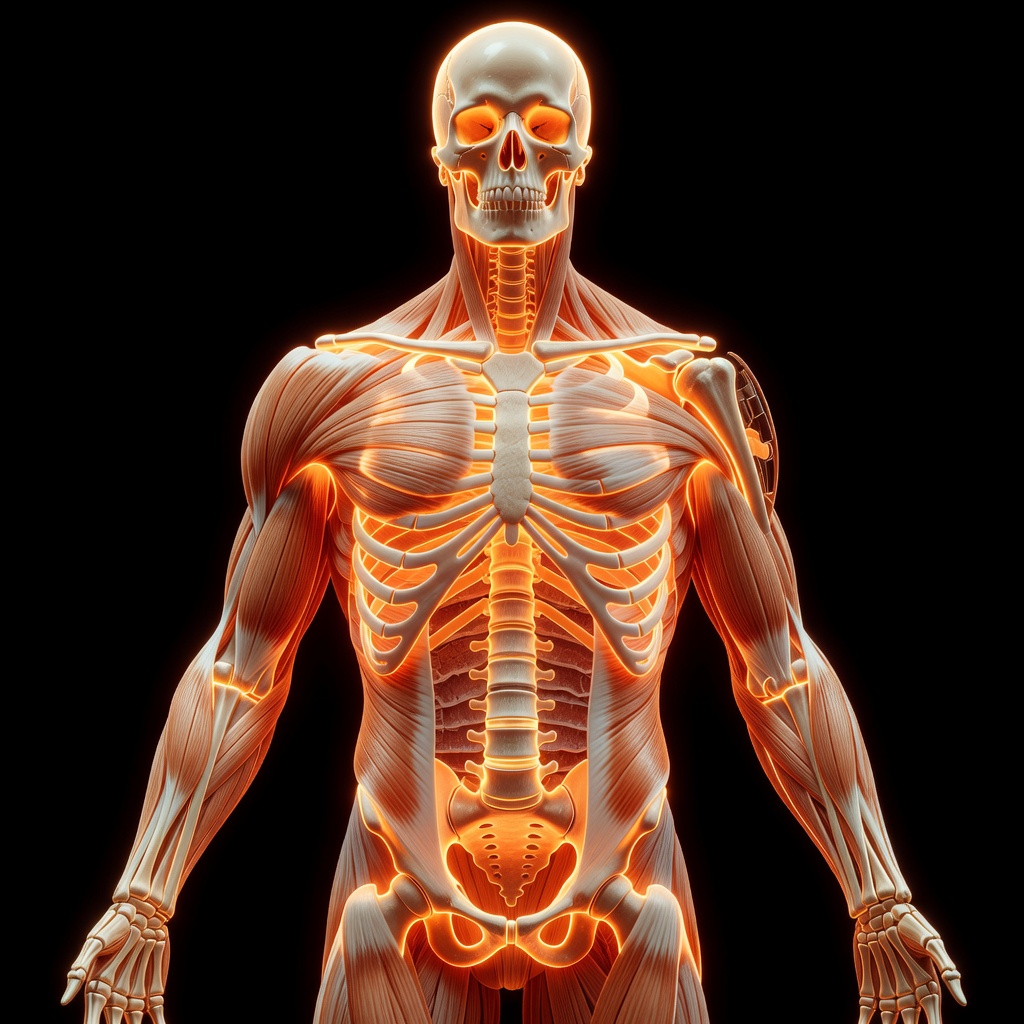
Introduction: The Hidden Architecture of Human Health In the landscape of musculoskeletal health, calcium has traditionally occupied the spotlight as the primary mineral of importance. However, within the framework of functional biology and root-cause medicine at INNERSTANDING, the relationship between silica (silicon) and calcium emerges as a far more critical determinant of tissue longevity and structural integrity. This article explores the synergistic effects of silica and the pathological consequences of calcium dysregulation, a phenomenon that lies at the heart of chronic connective tissue degeneration. ### The Biological Role of Silica: The Architect of Elasticity Silica, specifically in its bioavailable form as orthosilicic acid, is the unsung architect of the human body. It is the third most abundant trace element in the human body, found in highest concentrations within the skin, hair, nails, and, most crucially, the connective tissues. Its primary role is the stabilization of the extracellular matrix (ECM).
Silica acts as a biological cross-linking agent, facilitating the binding of glycosaminoglycans (GAGs) to proteins. This process is essential for the synthesis and structural stability of collagen and elastin fibers. Without sufficient silica, the 'glue' that holds our connective tissues together becomes brittle, leading to a loss of tensile strength and elasticity. ### The Silica-Calcium Seesaw: A Delicate Balance The relationship between silica and calcium is often described as a 'seesaw.' In a healthy biological state, silica assists in the proper utilization of calcium. It is found at the active sites of bone calcification, where it appears to act as a catalyst, ensuring that calcium is deposited into the bone matrix rather than the surrounding soft tissues. However, when silica levels decline—often due to aging, soil depletion, or high intakes of processed foods—this regulatory mechanism fails.
This failure leads to what is known as 'ectopic calcification' or the 'Calcium Paradox.' This paradox describes a state where the body suffers from osteoporosis (lack of calcium in the bones) while simultaneously suffering from the calcification of arteries, heart valves, and joints (excess calcium in soft tissues). ### Mechanics of Connective Tissue Degeneration Chronic connective tissue degeneration is not merely a result of 'wear and tear' but is a metabolic process driven by mineral dysregulation. When silica is deficient, the collagen matrix in tendons, ligaments, and cartilage becomes disorganized. In this weakened state, the body often attempts to stabilize the failing structure by depositing calcium salts. This is a survival mechanism intended to provide temporary rigidity, but it results in a permanent loss of flexibility and function. This 'stiffening' of the connective tissue is the root cause of many chronic conditions, including osteoarthritis, tendinosis, and even vascular stiffness.
The presence of calcium in tissues that should remain elastic leads to inflammation, micro-trauma, and eventually, the total breakdown of the joint or tissue architecture. ### The Role of the Extracellular Matrix (ECM) The ECM is a complex network of proteins and carbohydrates that provides structural and biochemical support to surrounding cells. Silica is fundamental to the health of the ECM because it helps maintain the hydration levels of the matrix. By supporting the structure of proteoglycans, silica ensures that the tissue can hold water, which is vital for shock absorption in joints and nutrient transport. When calcium displaces silica in the ECM, the matrix loses its hydration capacity. This dehydration leads to a 'dried-out' state, making the tissue prone to tears and slow to heal. ### Root Causes of Mineral Dysregulation Why do we see such a high prevalence of silica-calcium imbalance in modern populations?
Several factors contribute to this dysregulation. First, soil depletion has significantly reduced the silica content in our produce. Second, the modern diet is often excessively high in supplemental calcium without the necessary co-factors like magnesium, vitamin K2, and silica. Without these 'traffic controllers,' calcium wanders aimlessly through the bloodstream and deposits in the soft tissues. Third, the natural decline in silica absorption as we age means that older adults are particularly susceptible to this mineral shift.
MSM Sulphur – Nature’s Forgotten Mineral
MSM Sulphur provides a high-purity, bioavailable source of a mineral that has largely vanished from modern diets due to industrial farming. It supports essential biological processes and structural health, restoring a vital nutrient your body needs to function optimally.
Vetting Notes
Pending
Furthermore, chronic low-grade metabolic acidosis, often caused by high-stress lifestyles and inflammatory diets, forces the body to leach minerals from tissues, further disrupting the delicate silica-calcium ratio. ### Clinical Implications: From Joints to Arteries The implications of this dysregulation are far-reaching. In the context of joint health, the calcification of cartilage (chondrocalcinosis) leads to the abrasive destruction of the joint surface, a hallmark of advanced osteoarthritis. In the cardiovascular system, the loss of silica in the arterial walls allows calcium to deposit in the elastin layers, leading to atherosclerosis and hypertension. Even the skin is affected; the loss of the silica-calcium balance results in the thinning of the dermis and the formation of deep wrinkles as the collagen scaffold collapses. ### Strategic Restoration: Moving Toward Root-Cause Healing Addressing chronic connective tissue degeneration requires more than just symptomatic relief; it requires the restoration of mineral synergy. This begins with the strategic reintroduction of bioavailable silica.
Sources such as horsetail (Equisetum arvense), bamboo extract, and stabilized orthosilicic acid (OSA) supplements can help rebuild the silica stores. However, silica cannot work in isolation. It must be paired with magnesium to balance calcium, and Vitamin K2 (specifically the MK-7 form) to activate the proteins that move calcium out of the soft tissues and into the bones. By focusing on this synergistic mineral approach, we can halt the progression of tissue calcification and support the body's innate ability to regenerate its structural foundations. ### Conclusion The synergy between silica and calcium is a fundamental principle of biological structural integrity. When this balance is disrupted, the result is a systemic hardening of the soft tissues and a weakening of the skeletal frame.
By understanding the root causes of this dysregulation and prioritizing the replenishment of silica alongside its mineral co-factors, we can transition from a state of degeneration to one of structural resilience. At INNERSTANDING, we advocate for this holistic view—where health is built from the molecular level upward, ensuring that our 'biological glue' remains strong, flexible, and vibrant throughout our lives.
This article is provided for informational and educational purposes only. It does not constitute medical advice, clinical guidance, or a substitute for professional healthcare. Information reflects cited research at time of publication. Always consult a qualified healthcare professional before acting on any health information.
RESEARCH FOUNDATIONS
Biological Credibility Archive
Citations provided for educational reference. Verify via PubMed or institutional databases.
Medical Disclaimer
The information in this article is for educational purposes only and does not constitute medical advice, diagnosis, or treatment. Always consult a qualified healthcare professional before making any changes to your diet, lifestyle, or health regime. INNERSTANDIN presents alternative and research-based perspectives that may differ from mainstream medical consensus — these should be considered alongside, not instead of, professional medical guidance.
Read Full DisclaimerReady to learn more?
Continue your journey through our classified biological research.
DISCUSSION ROOM
Members of THE COLLECTIVE discussing "Synergistic Effects of Silica and Calcium Dysregulation in Chronic Connective Tissue Degeneration"
SILENT CHANNEL
Be the first to discuss this article. Your insight could help others understand these biological concepts deeper.
THE ARSENAL
Based on Silica & Connective Tissue Mineralisation — products curated by our research team for educational relevance and biological support.
MSM Sulphur – Nature’s Forgotten Mineral
INNERSTANDING may earn a commission on purchases made through these links. All products are selected based on rigorous educational relevance to our biological research.
RABBIT HOLE
Follow the biological thread deeper