
Synthetic Estrogens in UK Water: The Endocrine Disruptor Dilemma
Updated May 2026
Beyond fluoride, UK tap water contains trace levels of pharmaceutical estrogens that bypass conventional filtration. The cumulative impact on human fertility and hormonal balance is critically examined.
Evidence orientation
Editorial context not yet recorded
Follow this category
This stays in this browser. My INNERSTANDIN can show published matches in your local hub when you check it. It does not send email, push, or alert notifications.
Local learning review
A private browser aid for revisiting ideas. It is not an alert or a health recommendation.
Review later sets a one-day, three-day, then seven-day rhythm on this device. Choose it only when you want to revisit this article.
Overview
While the public discourse surrounding water quality in the United Kingdom has historically focused on the addition of fluoride or the presence of heavy metals like lead and arsenic, a far more insidious and biologically disruptive phenomenon is unfolding beneath the surface of our taps. We are currently witnessing the "estrogenisation" of our potable water supply. As a senior biological researcher for INNERSTANDING, it is my duty to look beyond the bureaucratic reassurances and examine the molecular reality of our environment.
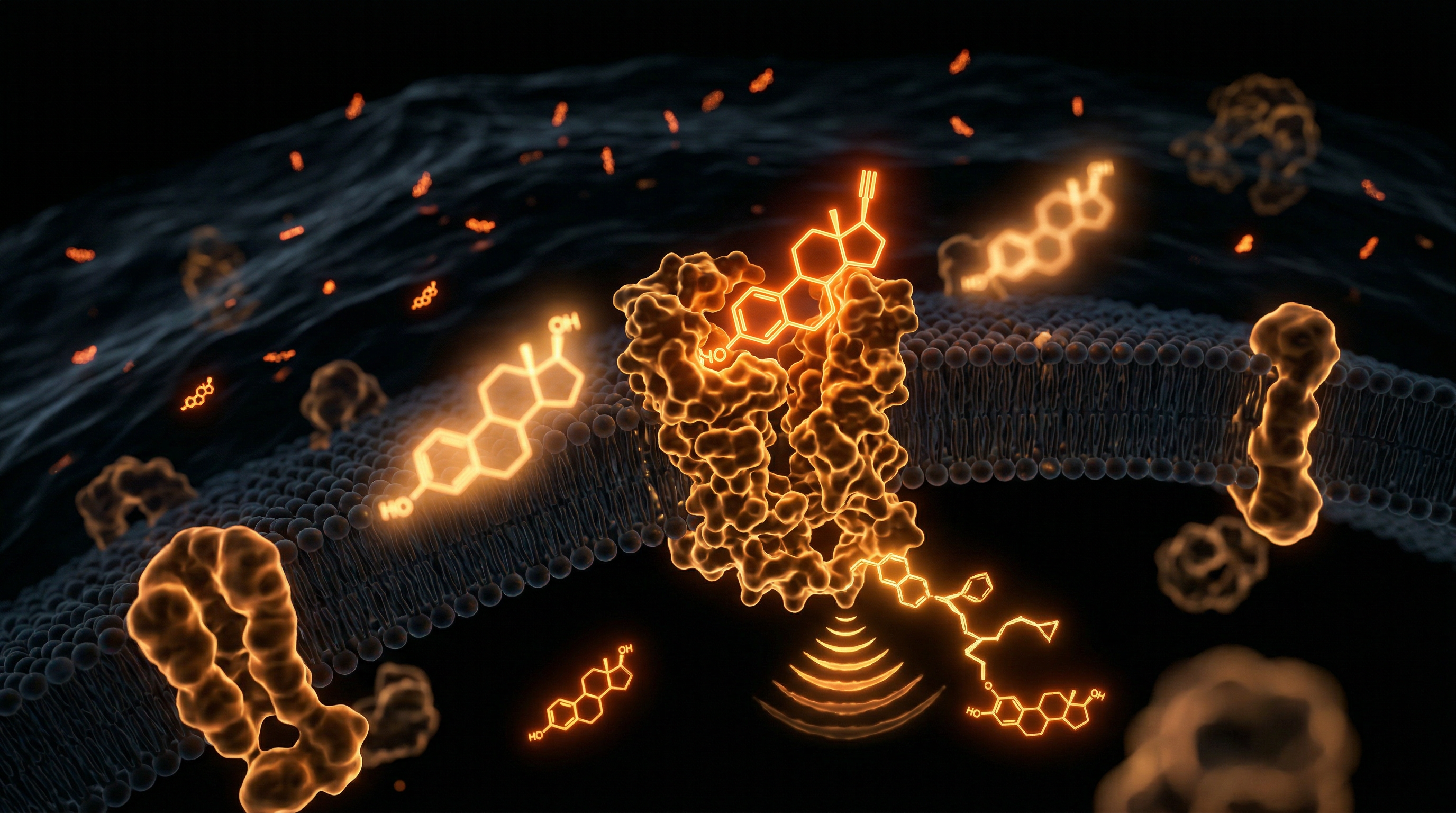
The water flowing through British pipes is not merely H2O; it is a complex chemical broth. Among the most concerning components of this mixture are synthetic oestrogens, primarily 17α-ethinylestradiol (EE2)—the active ingredient in the contraceptive pill—alongside natural oestrogens (estrone and estradiol) excreted by humans and livestock. Unlike traditional pollutants, these compounds are designed to be biologically active at vanishingly low concentrations.
The UK’s water infrastructure, much of it a legacy of the Victorian era, was never designed to neutralise pharmaceutical compounds. Conventional wastewater treatment plants (WWTPs) use filtration and bacterial processes that are largely ineffective at breaking down the resilient chemical bonds of synthetic hormones. Consequently, these substances are discharged into our rivers, only to be extracted downstream, treated perfunctorily, and pumped back into our homes. This "closed-loop" reality means the British public is participating in an unintended, multi-generational medical experiment.
Fact: Research indicates that in certain UK river stretches, 100% of male fish exhibit "intersex" characteristics, including the development of eggs in their testes, due to oestrogen exposure.
This article provides an exhaustive examination of how these endocrine-disrupting chemicals (EDCs) bypass our defences, interact with our cellular machinery, and contribute to the skyrocketing rates of hormonal cancers, infertility, and developmental anomalies across the British Isles.
The Biology — How It Works
To understand the danger of synthetic oestrogens, one must first appreciate the exquisite sensitivity of the human Endocrine System. Hormones are the body’s primary chemical messengers, operating through a "lock and key" mechanism. Oestrogens, a category of steroid hormones, are responsible not just for female reproductive health, but for bone density, cardiovascular function, and brain health in both sexes.
The Potency of Synthetic vs. Natural
The primary culprit in our water supply, 17α-ethinylestradiol (EE2), is a structural analogue of the natural hormone 17β-estradiol (E2). However, there is a critical difference: the addition of an ethinyl group at the C17 position. This modification was engineered specifically to prevent the liver from breaking the hormone down quickly, allowing it to survive the first pass through the digestive system when taken as a pill.
This same "stability" becomes a nightmare for environmental health. Because EE2 is designed to resist metabolic degradation, it persists in the environment for far longer than natural hormones. Furthermore, its binding affinity for the Oestrogen Receptor (ER) is significantly higher than that of natural oestrogen.
The HPG Axis Interference
Under normal physiological conditions, oestrogen levels are tightly regulated by the Hypothalamic-Pituitary-Gonadal (HPG) axis. When external (exogenous) oestrogens enter the body via drinking water, they provide "false feedback" to the brain. The hypothalamus senses high oestrogen levels and signals the pituitary gland to reduce the production of follicle-stimulating hormone (FSH) and luteinising hormone (LH).
In men, this leads to a decrease in intratesticular testosterone production. In women, it disrupts the delicate cyclical rhythm of the menstrual cycle. The tragedy of water-borne oestrogens is their constancy. Unlike the natural pulses of hormones the body expects, the "drip-feed" of tap water provides a chronic, low-level signal that eventually desensitises the entire system.
Mechanisms at the Cellular Level
The damage wrought by synthetic oestrogens occurs at the sub-cellular level, often before any clinical symptoms manifest. To understand the "Dilemma," we must look at how these molecules hijack the nucleus of our cells.
Genomic vs. Non-Genomic Signalling
Oestrogen receptors (ERα and ERβ) are transcription factors. When a synthetic oestrogen molecule binds to an ER, the complex moves into the cell nucleus, binds to specific DNA sequences called Oestrogen Response Elements (EREs), and "turns on" certain genes.
The problem is that synthetic oestrogens often activate these genes at the wrong time or in the wrong tissue. For instance, chronic activation of ERα in breast or endometrial tissue promotes rapid cell proliferation—the hallmark of cancer.
The Non-Monotonic Dose-Response Curve
Mainstream toxicology often relies on the adage "the dose makes the poison." This assumes a linear relationship where more of a substance is worse. However, endocrine disruptors like EE2 follow a non-monotonic dose-response curve.
Callout: In endocrine disruption, extremely low doses (parts per trillion) can often cause more damage than high doses. This occurs because high doses can actually "shut down" or down-regulate receptors as a protective measure, whereas low doses "fly under the radar," mimicking natural signals and causing systemic changes without triggering the body's internal alarms.
Epigenetic Reprogramming
Perhaps the most terrifying aspect of water-borne oestrogens is their ability to cause epigenetic changes. These are modifications to the DNA (such as methylation) that do not change the genetic code itself but change how genes are expressed. Research suggests that exposure to EDCs during critical developmental windows (fetal development or puberty) can "reprogram" the endocrine system, with these changes being passed down to future generations. We are not just drinking for ourselves; we are drinking for our grandchildren.
Environmental Threats and Biological Disruptors
The presence of pharmaceutical oestrogens in UK water is amplified by a synergistic effect with other Xenoestrogens (foreign oestrogens) present in the environment. The "Endocrine Disruptor Dilemma" is not just about the Pill; it is about the "Chemical Soup" of modern life.
The Synergistic "Cocktail Effect"
UK tap water often contains trace amounts of:
- Bisphenol A (BPA) and Phthalates: Leached from plastic pipes and industrial runoff.
- Atrazine and Pesticides: Used in UK agriculture, which act as aromatase activators (increasing the body’s own production of oestrogen).
- Aluminium: Often used in water treatment as a flocculant, which has been shown to act as a "metalloestrogen."
When these substances combine with EE2 from pharmaceuticals, their effect is not additive—it is multiplicative. This is known as the Cocktail Effect. A concentration of EE2 that might be deemed "safe" by the Environment Agency becomes highly toxic when combined with the phthalates leached from a plastic kettle or the pesticides in a local reservoir.
The Failure of Wastewater Treatment
The UK’s wastewater treatment infrastructure is largely comprised of Activated Sludge Processes (ASP). While ASP is excellent at removing organic solids and pathogens, it is not designed for molecular-level pharmaceutical extraction.
- Sorption to Sludge: Some oestrogens bind to sludge, which is then often spread on British farmland as fertiliser, re-entering the food chain.
- De-conjugation: Many oestrogens are excreted by humans in an inactive "conjugated" form (bound to sugar molecules). However, bacteria in the sewers often "eat" the sugar, "de-conjugating" the oestrogen and making it biologically active again just as it reaches the river or the intake for the next town's water supply.
The Cascade: From Exposure to Disease
What does this molecular interference look like in the British population? The clinical "cascade" is currently manifesting as a silent epidemic of hormone-dependent pathologies.
1. The Masculinity Crisis
The steady decline in sperm counts—dropping by over 50% in the last four decades—parallels the rise in environmental oestrogen exposure. This condition, known as Testicular Dysgenesis Syndrome (TDS), links poor semen quality, undescended testes, and testicular cancer to oestrogen exposure in utero and during early childhood. In the UK, one in six couples now struggles with infertility.
2. Early Onset Puberty
There is a documented trend of British girls entering puberty at increasingly younger ages. Exposure to oestrogen-mimicking chemicals in drinking water signals the body to initiate the maturation process prematurely. This is not merely a social issue; early puberty is a major risk factor for the development of breast cancer later in life, as it increases the total lifetime exposure to oestrogen.
3. Oestrogen Dominance in Women
Many women in the UK suffer from a condition termed Oestrogen Dominance, where the ratio of oestrogen to progesterone is skewed. This is exacerbated by the constant intake of xenoestrogens from tap water. Symptoms include:
- Severe PMS and heavy periods.
- Endometriosis and fibroids (oestrogen-fuelled growths).
- Polycystic Ovary Syndrome (PCOS).
- Difficulty losing weight, particularly around the hips and thighs.
4. Metabolic and Neurological Impact
Oestrogen receptors are found in the brain and metabolic tissues. Chronic exposure to synthetic oestrogens has been linked to "obesogens"—chemicals that disrupt the metabolic set-point, making weight loss nearly impossible regardless of calorie intake. Furthermore, there is emerging evidence linking EDC exposure to the rise in neurodevelopmental disorders, as oestrogen plays a crucial role in fetal brain "patterning."
What the Mainstream Narrative Omits
The official stance from UK water regulators (such as Ofwat and the Drinking Water Inspectorate) typically maintains that oestrogen levels are "below the limit of detection" or "do not pose a significant risk to human health." However, as a researcher, I must highlight three critical omissions in this narrative.
The "Limit of Detection" Fallacy
When authorities claim a substance is not detected, they are often using equipment calibrated to the "parts per billion" (ppb) range. However, hormones operate in the parts per trillion (ppt) or even parts per quadrillion range.
Statistic: Physiological levels of free oestradiol in the human body are often as low as 10–100 pg/mL (picograms per millilitre). Standard UK water testing is frequently not sensitive enough to detect the very concentrations that are biologically active.
The Omission of Metabolites
Regulators often test for a specific compound (like E2) but ignore its metabolites or the "total oestrogenicity" of the water. Even if the parent compound is reduced, the breakdown products can remain potent.
The Economic Shield
The primary reason for the lack of action is cost. To truly remove pharmaceutical oestrogens from the UK water supply, every major treatment plant would need to be retrofitted with Advanced Oxidation Processes (AOP) or Granular Activated Carbon (GAC) and Reverse Osmosis (RO). The cost would run into the tens of billions of pounds. From a corporate and governmental perspective, it is cheaper to maintain the "safe level" myth than to fix the infrastructure.
The UK Context
The United Kingdom faces a unique set of challenges regarding water-borne hormones. Unlike larger landmasses with vast, pristine aquifers, the UK is a densely populated island with a "stressed" water system.
The "Recycled" River System
A significant portion of the UK’s drinking water is "indirectly reused." For example, water taken from the River Thames has likely passed through the guts of several people upstream before it reaches a Londoner's tap. Each pass through the human body and the municipal treatment system increases the concentration of non-biodegradable synthetic hormones.
The Victorian Legacy
Much of the UK’s piping is old and prone to leaching. Furthermore, the combined sewer overflows (CSOs) that hit the headlines for dumping raw sewage into rivers during heavy rain also dump massive, untreated loads of pharmaceuticals directly into the ecosystem, bypassing even the rudimentary "sludge" treatment.
Current UK Studies
A landmark study by the University of Exeter found that "gender-bending" chemicals were affecting fish in almost every British river tested. While the government focused on the "environmental impact," they ignored the logical corollary: if the water is potent enough to turn a male fish intersex, what is it doing to the humans drinking that same water for 70 years?
Protective Measures and Recovery Protocols
Given the systemic failure to address this issue at the source, the burden of protection falls upon the individual. As researchers at INNERSTANDING, we recommend a multi-tiered approach to mitigate exposure and support the body’s detoxification pathways.
1. Water Filtration (The Primary Defence)
Not all filters are created equal. To remove oestrogenic compounds, one must go beyond the standard carbon pitcher.
- Reverse Osmosis (RO): This is the gold standard. RO membranes are fine enough to filter out large pharmaceutical molecules. It is essential to choose a system with a high-quality carbon pre-filter.
- Distillation: Effectively removes non-volatile contaminants, including hormones.
- Activated Carbon Blocks: High-density carbon blocks (not loose granules) can adsorb many organic compounds, but they must be changed frequently.
Note: Always remineralise your water after RO or distillation with high-quality sea salt or mineral drops to prevent electrolyte depletion.
2. Dietary Support for Oestrogen Metabolism
The liver is responsible for processing and excreting oestrogens via two phases. We can support these pathways to help the body deal with the "background noise" of tap water.
- Cruciferous Vegetables: Broccoli, kale, and cauliflower contain Indole-3-Carbinol (I3C) and Diindolylmethane (DIM). These compounds encourage the liver to metabolise oestrogen via the "2-hydroxy" pathway (the protective pathway) rather than the "16-hydroxy" pathway (the carcinogenic pathway).
- Calcium D-Glucarate: This supplement prevents "beta-glucuronidase"—an enzyme produced by gut bacteria that "un-zips" oestrogen after the liver has processed it, allowing it to be reabsorbed into the bloodstream.
- Sulforaphane: Found in broccoli sprouts, this activates the Nrf2 pathway, enhancing the body’s overall antioxidant and detox capacity.
3. Lifestyle Adjustments
- Ditch the Plastic: Do not heat food in plastic containers and avoid plastic water bottles. Phthalates and BPA act as "force multipliers" for the oestrogens already in the water.
- Filter Your Shower: The skin is our largest organ. While drinking is the primary route, inhaling steam containing volatile EDCs during a hot shower provides a direct route into the bloodstream.
- Support Fibre Intake: Oestrogen is excreted through the bile into the stool. Without adequate fibre, oestrogen sits in the colon and is reabsorbed.
Summary: Key Takeaways
The presence of synthetic oestrogens in UK tap water is a silent public health crisis that challenges the foundations of modern toxicology and environmental regulation.
- Synthetic Dominance: EE2 (from the Pill) is designed to be indestructible, allowing it to survive both the human liver and wastewater treatment.
- The "Gender-Bender" Effect: If the water is fundamentally changing the biology of aquatic life in the UK, it is undoubtedly impacting human endocrine health.
- Regulatory Failure: Official "safe" limits ignore the non-monotonic nature of hormones, where tiny doses can cause massive disruptions.
- Cumulative Risk: Oestrogens in water do not act alone; they synergise with pesticides, plastics, and heavy metals.
- Personal Sovereignty: Since the UK government and water companies are unlikely to invest the billions required for pharmaceutical-grade filtration, the responsibility for health lies with the consumer.
The "Endocrine Disruptor Dilemma" is a call to awaken from the slumber of institutional trust. By understanding the molecular mechanisms at play, we can take the necessary steps to filter our water, support our biology, and protect the hormonal integrity of future generations. In an age of chemical saturation, "Innerstanding" your environment is the only path to true health.
This article is provided for informational and educational purposes only. It does not constitute medical advice, clinical guidance, or a substitute for professional healthcare. Information reflects cited research at time of publication. Always consult a qualified healthcare professional before acting on any health information.
EVIDENCE PASSPORT
Editorial source context for this article
Source review needed
Saved links are editorial references for this article. They may support specific claims rather than every sentence. Open and assess each source in context. This passport does not independently verify them.
Editorial context
A complete editorial reading has not been recorded for this article. Source links remain available for you to open and assess directly.
Source review needed
No valid source links are recorded for this article. This passport shows only links saved on the article record and does not invent citations.
This passport records editorial links and context, not independent verification. Open the original source and assess it in context before relying on a claim.
Medical Disclaimer
The information in this article is for educational purposes only and does not constitute medical advice, diagnosis, or treatment. Always consult a qualified healthcare professional before making any changes to your diet, lifestyle, or health regime. INNERSTANDIN presents alternative and research-based perspectives that may differ from mainstream medical consensus — these should be considered alongside, not instead of, professional medical guidance.
Read Full DisclaimerContinue the thread
Keep this question moving.
Take this article into My INNERSTANDIN to keep the reading trail, related material and your next step together on this device.
Explore this in the Body Map
See where this hits your biology. Interactive anatomy, threats, and protective protocols.
Dig deeper in the Library
Free, longform PDF volumes that go beyond headlines into mechanisms and references.