
T Cell Exhaustion: Analyzing Immunological Profiles in Chronic Fatigue Patients
Updated May 2026
A deep dive into the immune system's state of permanent high alert and subsequent exhaustion. We evaluate the biomarkers of T cell senescence in individuals struggling with long-term viral effects.
Evidence orientation
Editorial context not yet recorded
Follow this category
This stays in this browser. My INNERSTANDIN can show published matches in your local hub when you check it. It does not send email, push, or alert notifications.
Local learning review
A private browser aid for revisiting ideas. It is not an alert or a health recommendation.
Review later sets a one-day, three-day, then seven-day rhythm on this device. Choose it only when you want to revisit this article.
Overview
The global health landscape has undergone a seismic shift over the last four years, bringing to the forefront a phenomenon that was previously relegated to the fringes of clinical immunology: the persistent, debilitating state of post-viral exhaustion. While the mainstream medical establishment has long struggled to categorise Myalgic Encephalomyelitis (ME) and Chronic Fatigue Syndrome (CFS), the emergence of Long COVID and its associated spike protein pathologies has forced a re-evaluation of how we understand the immune system’s response to chronic antigenic stimulation.
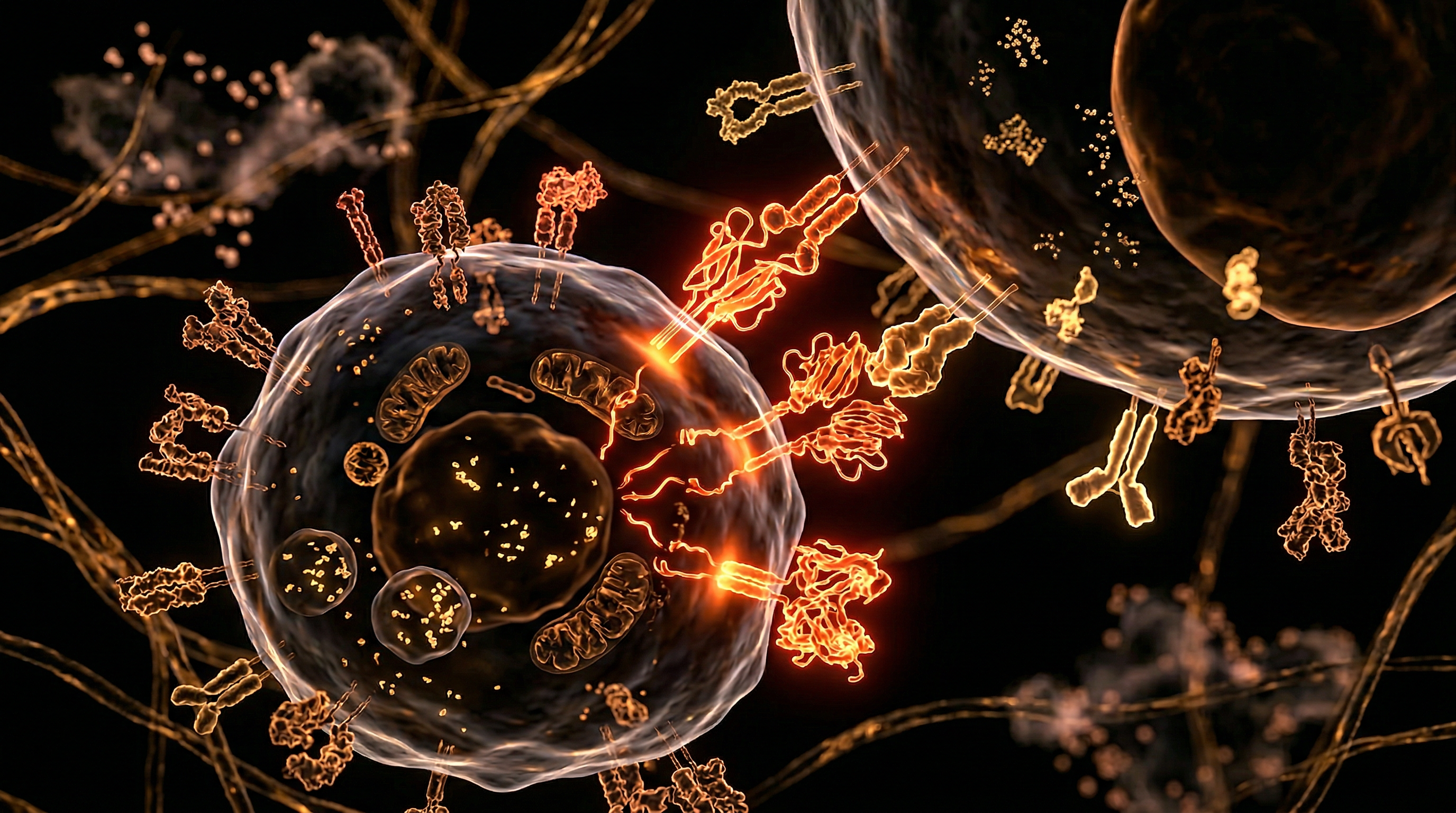
At the heart of this crisis lies a cellular state known as T cell exhaustion (TEX). This is not merely a state of being "tired" at a physiological level; it is a profound epigenetic and metabolic reprogramming of the body’s primary defenders. When the immune system is exposed to a persistent threat—whether it be a chronic viral reservoir, a lingering synthetic protein, or a continuous environmental trigger—it enters a state of permanent high alert. Eventually, to prevent the total destruction of host tissue through runaway inflammation, the immune system "pulls the plug," entering a state of functional impairment.
In this comprehensive analysis, we explore the immunological profiles of patients suffering from chronic fatigue. We will dissect how the Spike Protein and other persistent antigens drive T cells into a state of senescence and exhaustion, leaving the host vulnerable to secondary infections, latent virus reactivation, and a permanent state of malaise. The evidence suggests that we are witnessing an unprecedented era of immunological attrition, one that requires a radical departure from the "wait and see" approach of conventional primary care.
Approximately 65 million people worldwide are estimated to be living with Long COVID, a significant portion of whom meet the diagnostic criteria for ME/CFS, highlighting a massive surge in T cell-mediated pathologies.
The Biology — How It Works
To understand exhaustion, one must first understand the life cycle of a T lymphocyte. These cells are the "generals" and "assassins" of the adaptive immune system. CD4+ T cells (helper cells) coordinate the response, while CD8+ T cells (cytotoxic cells) are responsible for identifying and destroying virally infected or cancerous cells.
Under normal circumstances, an infection follows a predictable curve:
- Activation: T cells recognise a foreign antigen via their T cell receptors (TCR).
- Expansion: The specific T cells proliferate rapidly, creating an army of effector cells.
- Contraction: Once the threat is neutralised, 90-95% of these cells undergo apoptosis (programmed cell death).
- Memory: A small pool of "memory" T cells remains, providing long-term immunity.
However, in chronic fatigue patients and those suffering from post-viral syndromes, this curve is broken. When an antigen—such as the SARS-CoV-2 spike protein or Epstein-Barr Virus (EBV)—is not cleared from the body, the T cells are subjected to "chronic TCR signalling."
The Shift to Exhaustion
Exhaustion is a survival mechanism. If CD8+ T cells remained at peak cytotoxicity indefinitely while failing to clear an infection, the resulting "cytokine storm" would be fatal. To prevent this, the cells express inhibitory receptors—checkpoints—that dampen their own activity. In the context of chronic fatigue, these cells become "locked" in this dampened state. They are present in the blood, often in high numbers, but they are functionally incompetent. They lose their ability to produce key signalling molecules like Interleukin-2 (IL-2), Tumour Necrosis Factor-alpha (TNF-α), and Interferon-gamma (IFN-γ).
T cell exhaustion was originally identified in chronic lymphocytic choriomeningitis virus (LCMV) models, but it is now recognised as a hallmark of the chronic immune activation seen in spike protein-induced pathologies.
Mechanisms at the Cellular Level
The "immunological profile" of a chronic fatigue patient is defined by specific biomarkers of failure. When we look at the cellular level, we see a transition from a healthy effector state to a terminally differentiated, exhausted state.
1. The Expression of Inhibitory Receptors
The most prominent feature of exhausted T cells is the high and sustained expression of multiple inhibitory receptors. These are often referred to as "immune checkpoints":
- PD-1 (Programmed Cell Death Protein 1): The primary marker of exhaustion. When PD-1 binds to its ligands, it inhibits T cell proliferation and cytokine production.
- LAG-3 (Lymphocyte-activation gene 3): This protein suppresses T cell activation and is often co-expressed with PD-1 in patients with severe post-viral fatigue.
- TIM-3 and TIGIT: These markers indicate a deeper level of exhaustion, often signifying that the cell is nearing terminal senescence.
2. Metabolic Rewiring: The Mitochondrial Failure
A T cell requires an immense amount of energy to function. Healthy T cells switch between oxidative phosphorylation (in their mitochondria) and glycolysis depending on their activity level. In exhausted T cells, the mitochondria become fragmented and dysfunctional. There is a marked decrease in mitochondrial membrane potential and an increase in the production of Reactive Oxygen Species (ROS). Essentially, the "power plants" of the immune system are leaking toxic waste while failing to produce the ATP (energy) required for an effective immune response. This mirrors the systemic "brain fog" and physical lethargy reported by patients.
3. Epigenetic Scars
Perhaps the most concerning aspect of T cell exhaustion is that it is not merely a temporary state. Research has shown that exhausted T cells undergo epigenetic reprogramming. The "on/off" switches in their DNA are physically altered by a transcription factor known as TOX. Once TOX takes over, the cell’s identity is changed at a fundamental level. Even if the original virus or spike protein is eventually cleared, the T cells may remain "scarred" and unable to revert to a healthy memory state.
4. Senescence vs. Exhaustion
While often used interchangeably, these are different. Senescence is the permanent arrest of the cell cycle (the cell stops dividing), often marked by the protein CD57. Many chronic fatigue patients show an accumulation of CD28- CD57+ T cells, which are essentially "zombie cells"—they are inflammatory but no longer capable of killing pathogens.
Environmental Threats and Biological Disruptors
The rise in immunological exhaustion cannot be viewed in a vacuum. It is the result of a "perfect storm" of biological and environmental pressures that prevent the immune system from ever reaching a state of rest.
The Persistence of the Spike Protein
A critical disruptor in the modern era is the persistence of the S1 subunit of the SARS-CoV-2 spike protein. Unlike natural viral proteins that are typically cleared within weeks, studies have found spike proteins circulating in the monocytes and T cells of patients up to 15 months after infection or vaccination. This persistent antigen acts as a "constant irritant," forcing the immune system to stay in an effector mode until it eventually collapses into exhaustion.
Latent Viral Reactivation
The human body is a reservoir for latent viruses, particularly the Herpesviridae family (EBV, CMV, HHV-6). A healthy immune system keeps these viruses in a dormant state. However, when T cells become exhausted by a new threat (like a novel coronavirus or synthetic mRNA-induced protein production), they lose their "surveillance" capabilities.
- EBV Reactivation: This is a major driver of the "fatigue" in ME/CFS.
- VZV (Shingles): Reactivates when T cell-mediated immunity wanes.
Toxic Synergies
The modern environment adds further layers of disruption:
- Microplastics and Nanoplastics: These have been shown to accumulate in lymphoid tissues, potentially interfering with T cell signalling.
- Electromagnetic Fields (EMF): While controversial in mainstream circles, some research suggests that calcium channel signalling in T cells can be disrupted by high levels of non-ionising radiation.
- Heavy Metals: Lead, mercury, and aluminium act as immunotoxins, shifting the immune response toward a pro-inflammatory Th2 bias, further depleting the cellular (Th1) reserves needed for viral clearance.
The "Spike Protein" is not merely a passive marker; it possesses a superantigen-like motif that can non-specifically activate a large percentage of the T cell repertoire, leading to rapid exhaustion.
The Cascade: From Exposure to Disease
The journey from an initial viral exposure to a diagnosis of chronic fatigue is a step-by-step collapse of immunological homeostasis.
Phase 1: The Initial Insult
The host is exposed to a high viral load or a persistent antigenic stimulus. The innate immune system (interferons) fails to contain the threat quickly, putting the burden on the adaptive immune system.
Phase 2: Hyper-Activation
T cells proliferate wildly. In this phase, the patient may feel "wired but tired." There is a high level of pro-inflammatory cytokines (IL-6, TNF-α). The body is using all its metabolic resources to fight a battle it cannot win because the antigen is either persistent or being continuously produced by host cells.
Phase 3: The "Tipping Point"
The body attempts to protect itself from its own immune response. It begins to upregulate PD-1 and CTLA-4. The patient begins to experience "crashing" after minor physical or mental exertion—a phenomenon known as Post-Exertional Malaise (PEM).
Phase 4: Terminal Exhaustion and Senescence
The T cell pool is now dominated by "exhausted" phenotypes. The patient is chronically "immunocompromised" in a specific way: they cannot clear the original threat, and they are now susceptible to everything else. This is where we see the classic immunological profile:
- Low CD4/CD8 ratio (or sometimes an inverted ratio).
- High percentage of PD-1+ CD8+ T cells.
- Low Natural Killer (NK) cell cytotoxicity.
- Reduced diversity in the T Cell Receptor (TCR) repertoire.
What the Mainstream Narrative Omits
As a researcher for INNERSTANDING, it is imperative to address the gaps in the institutional narrative. Why is the "exhaustion" of the immune system so often ignored or misdiagnosed as a psychological condition?
1. The Suppression of Spike Protein Persistence Data
Mainstream health authorities have been slow to acknowledge that the spike protein—whether from the virus or the genetic therapies—can persist in the body for months. The original assumption was that mRNA would degrade within hours and the protein within days. The discovery of spike protein in long-lived plasma cells and extracellular vesicles suggests a chronic stimulation model that the mainstream is hesitant to discuss due to the implications for public health policy.
2. The Focus on Antibodies over T Cells
The medical establishment focuses almost exclusively on antibody titres (B cells). However, antibodies are only one part of the story. You can have high antibodies and still have a completely dysfunctional immune system. T cell exhaustion is the "invisible" driver of chronic fatigue, yet it is rarely tested in standard NHS or private blood panels.
3. The Rejection of "Microclots"
There is significant evidence that chronic T cell activation leads to amyloid-rich microclots in the blood. These clots block capillaries, preventing oxygen from reaching tissues (hypoxia). This explains the muscle pain and fatigue. However, because these clots do not show up on standard D-dimer tests or CT scans, patients are often told "there is nothing wrong."
4. The Profitability of Symptom Management
The pharmaceutical industry is geared toward managing the symptoms of exhaustion (antidepressants, stimulants, painkillers) rather than addressing the root cause (immunological reprogramming and antigenic persistence). Recovering the immune system requires "unprofitable" interventions like extended fasting, nutritional density, and lifestyle overhaul.
The UK Context
In the United Kingdom, the situation for chronic fatigue patients is particularly fraught. The history of ME/CFS in the UK is one of systemic neglect and the dominance of the "biopsychosocial" model.
The NICE Guidelines Evolution
For decades, the National Institute for Health and Care Excellence (NICE) recommended Graded Exercise Therapy (GET) and Cognitive Behavioural Therapy (CBT) as primary treatments for CFS. This was based on the flawed premise that patients were simply "deconditioned" or had "fear-avoidance" beliefs. It wasn't until 2021 that NICE finally removed GET from its recommendations, acknowledging that exercise can actually cause permanent harm to patients with post-exertional malaise. However, many UK GP practices still operate under the old, discredited assumptions.
The Long COVID Clinic "Lottery"
The UK government established "Long COVID clinics," but these have been widely criticised for being "empty shells." Most clinics provide basic tests (ECG, standard bloods) and, when those return "normal," offer psychological support. There is a profound lack of access to advanced immunological testing, such as:
- T cell subset panels (looking for PD-1/CD57).
- Cytokine profiles.
- Viral reactivation panels (EBV early antigen).
The "stiff upper lip" culture in British medicine often translates to a dismissal of subjective symptoms like "brain fog" or "crashing," leaving thousands of patients to seek expensive, private treatments or languish in a state of long-term disability.
Protective Measures and Recovery Protocols
Recovery from T cell exhaustion is not about "boosting" the immune system—it is about recalibrating and repairing it. If the immune system is already on high alert, "boosting" it can be like throwing petrol on a fire.
1. Removing the Antigenic Load
If the spike protein or other viral fragments are still present, they must be cleared.
- Autophagy Induction: Methods like Intermittent Fasting or Time-Restricted Feeding can help the body "clean out" misfolded proteins and cellular debris.
- Proteolytic Enzymes: Substances like Nattokinase, Lumbrokinase, and Serrapeptase are being studied for their ability to break down fibrin-rich microclots and potentially degrade circulating spike proteins.
2. Mitochondrial Resuscitation
Since exhaustion is a metabolic failure, supporting the mitochondria is paramount.
- CoQ10 and PQQ: Support the electron transport chain and mitochondrial biogenesis.
- NAD+ Precursors (NR/NMN): Aimed at restoring the energy levels required for T cell function.
- Methylene Blue: In very low doses, this acts as an alternative electron cycler in the mitochondria, bypassing damaged complexes.
3. Immune Modulation (Not Stimulation)
The goal is to lower the expression of inhibitory receptors (PD-1) and reduce systemic inflammation.
- Low-Dose Naltrexone (LDN): A well-known immunomodulator that can help reduce neuroinflammation and balance T cell activity.
- Polyphenols: Compounds like Quercetin, Resveratrol, and Apigenin act as senolytics (clearing zombie cells) and anti-inflammatories.
- Vitamin D3/K2: Essential for the regulatory T cells (Tregs) that "calm" the immune system.
4. Vagus Nerve Support
The immune system and the nervous system are inextricably linked. Chronic fatigue is often accompanied by dysautonomia (dysfunction of the autonomic nervous system). Techniques like cold water immersion, deep breathing exercises (Wim Hof), and vagus nerve stimulation can help shift the body from a "sympathetic" (fight/flight) state to a "parasympathetic" (rest/digest) state, which is necessary for immunological repair.
Recovery from terminal T cell exhaustion is a slow process of epigenetic "un-learning." It can take 6 to 18 months of rigorous adherence to protocols to see a significant shift in the CD8+ T cell profile.
Summary: Key Takeaways
The crisis of chronic fatigue is, at its core, a crisis of immunological identity. When T cells are forced to fight a ghost that never leaves, they lose their ability to function, leaving the host in a state of biological bankruptcy.
- Exhaustion is an Active State: It is a programmed shut-down of the immune system to prevent self-destruction during chronic antigen exposure.
- The Spike Protein Factor: Persistent spike protein acts as a continuous trigger, driving T cells into terminal differentiation and senescence.
- Mitochondrial Collapse: The physical fatigue of ME/CFS/Long COVID is a macro-reflection of the micro-failure of T cell mitochondria.
- Beyond Antibodies: Standard blood tests are insufficient; we must look at T cell markers like PD-1, CD57, and TOX to understand the true state of the patient.
- The Mainstream Gap: Institutional medicine’s focus on psychology and antibodies ignores the profound cellular and epigenetic reality of post-viral syndromes.
- Recovery is Possible: Through autophagy, mitochondrial support, and immune modulation, the "epigenetic scars" can potentially be bypassed, allowing the immune system to return to a state of surveillance and rest.
As we move forward, the recognition of T cell exhaustion must become a priority for clinical research. We are not just dealing with a "tired" population; we are dealing with a population whose immunological foundation has been fundamentally compromised. Only by exposing these truths can we begin to rebuild.
This article is provided for informational and educational purposes only. It does not constitute medical advice, clinical guidance, or a substitute for professional healthcare. Information reflects cited research at time of publication. Always consult a qualified healthcare professional before acting on any health information.
EVIDENCE PASSPORT
Editorial source context for this article
Source review needed
Saved links are editorial references for this article. They may support specific claims rather than every sentence. Open and assess each source in context. This passport does not independently verify them.
Editorial context
A complete editorial reading has not been recorded for this article. Source links remain available for you to open and assess directly.
Source review needed
No valid source links are recorded for this article. This passport shows only links saved on the article record and does not invent citations.
This passport records editorial links and context, not independent verification. Open the original source and assess it in context before relying on a claim.
Medical Disclaimer
The information in this article is for educational purposes only and does not constitute medical advice, diagnosis, or treatment. Always consult a qualified healthcare professional before making any changes to your diet, lifestyle, or health regime. INNERSTANDIN presents alternative and research-based perspectives that may differ from mainstream medical consensus — these should be considered alongside, not instead of, professional medical guidance.
Read Full DisclaimerContinue the thread
Keep this question moving.
Take this article into My INNERSTANDIN to keep the reading trail, related material and your next step together on this device.
Explore this in the Body Map
See where this hits your biology. Interactive anatomy, threats, and protective protocols.
Dig deeper in the Library
Free, longform PDF volumes that go beyond headlines into mechanisms and references.