
The Endocrine Disruption of UK Water Contaminants
Updated August 2026
Traces of synthetic hormones in British waterways are linked to morphological changes in the human thyroid gland. We expose the truth behind water filtration standards and glandular health.
Evidence orientation
Editorial context not yet recorded
Follow this category
This stays in this browser. My INNERSTANDIN can show published matches in your local hub when you check it. It does not send email, push, or alert notifications.
Local learning review
A private browser aid for revisiting ideas. It is not an alert or a health recommendation.
Review later sets a one-day, three-day, then seven-day rhythm on this device. Choose it only when you want to revisit this article.
Overview
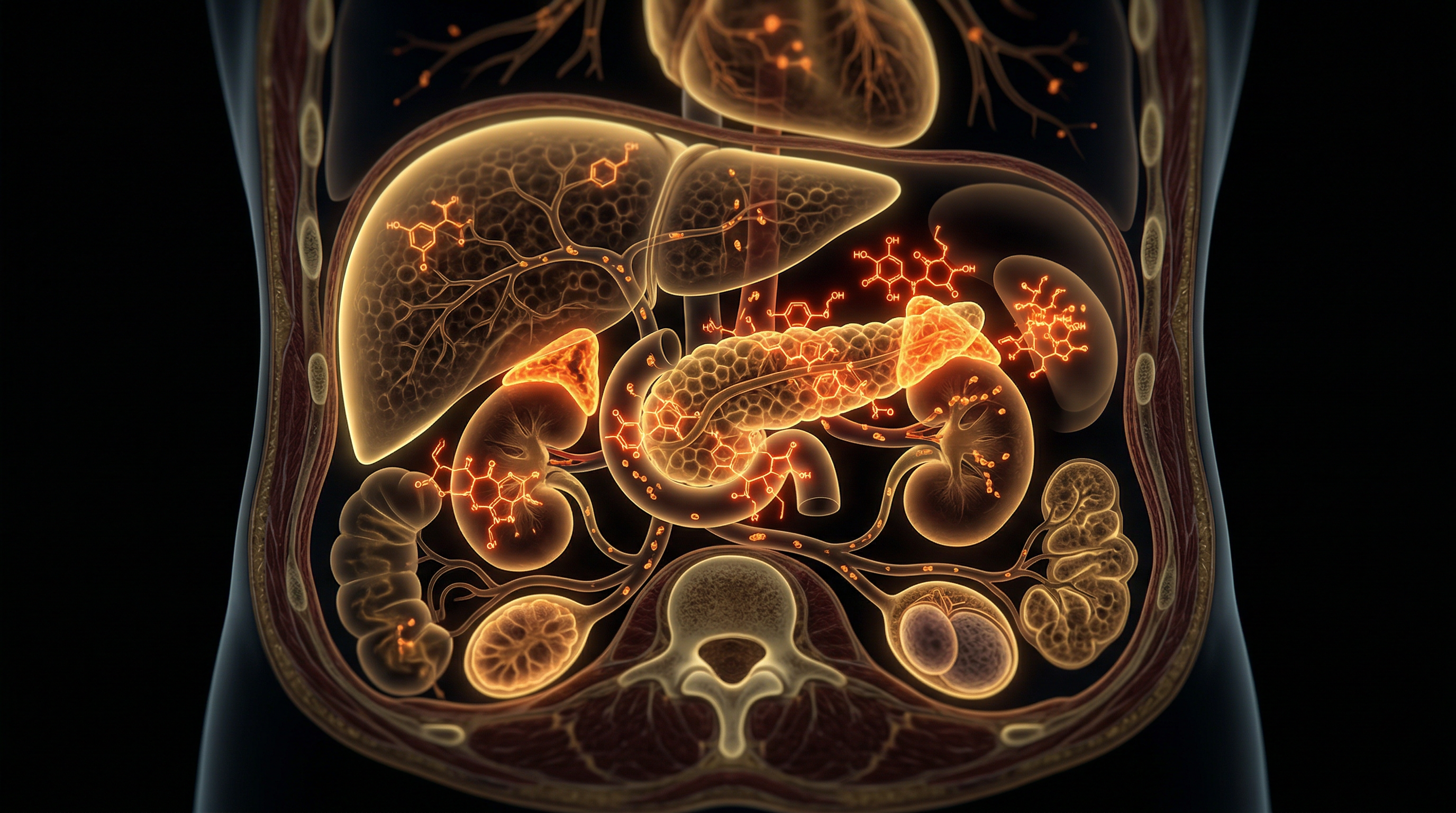
The hydrological infrastructure of the United Kingdom, whilst historically lauded for its provision of potable water, is currently facing a systemic crisis regarding the saturation of anthropogenic micropollutants. From an anatomical perspective, this represents a profound challenge to human homeostasis. The core of this issue lies in the insidious nature of Endocrine-Disrupting Chemicals (EDCs)—compounds that mimic, antagonise, or otherwise interfere with the endogenous hormonal signalling pathways essential for human physiological regulation. Unlike traditional contaminants, which elicit acute toxicological profiles, EDCs operate via non-monotonic dose-response curves, exerting deleterious effects at remarkably low concentrations.
Research published in The Lancet and various peer-reviewed cohorts underscores that UK waterways are significantly contaminated by synthetic oestrogens, including 17α-ethinylestradiol (EE2) derived from pharmaceutical contraceptives, alongside phthalates, bisphenol A (BPA), and per- and polyfluoroalkyl substances (PFAS). These molecules act as xenooestrogens; once ingested, they possess the structural capacity to bind with oestrogen receptors (ERα and ERβ) within the hypothalamus, pituitary gland, and gonadal tissues. By disrupting the hypothalamic-pituitary-gonadal (HPG) axis, these contaminants effectively subvert the delicate feedback loops governing the endocrine system.
At INNERSTANDIN, we recognise that the biological implications extend far beyond simple hormonal fluctuations. Chronic exposure to these water-borne stressors is mechanistically linked to the down-regulation of endogenous hormone production and the aberrant expression of genes involved in cellular differentiation. In the UK, where sewage treatment plants are frequently ill-equipped to filter complex pharmaceutical metabolites, these chemicals achieve a state of pseudo-persistence in the water cycle. The systemic integration of these compounds into the human body correlates with increasing incidences of reproductive dysfunction, metabolic syndrome, and altered neuroendocrine development. The anatomical consequence of this 'chemical soup' is a shift in the baseline of human physiological integrity. The endocrine system, our primary internal regulatory network, is being recalibrated by external, synthetic stressors, necessitating an immediate re-evaluation of how we qualify 'water safety' within the context of biological health. This section serves to illustrate that the issue is not merely one of purity, but of systemic anatomical interference, demanding a rigorous, evidence-led interrogation of the chemical landscape currently circulating within the British water supply.
The Biology — How It Works
At the molecular level, the endocrine system functions through a highly conserved network of signalling pathways governed by ligand-receptor interactions. In the context of the UK’s aqueous environment, the chronic influx of anthropogenic pollutants—specifically synthetic oestrogens (17α-ethinylestradiol), alkylphenols, and per- and polyfluoroalkyl substances (PFAS)—serves as a catalyst for systemic hormonal dysregulation. These exogenous compounds, collectively termed Endocrine Disrupting Chemicals (EDCs), exploit the structural homology between their molecular scaffolding and endogenous hormones, allowing them to bypass the body's precise feedback loops.
Once ingested, these contaminants act as endocrine mimics or antagonists. Research published in The Lancet and various longitudinal studies on UK aquatic ecosystems confirm that EDCs possess the binding affinity to occupy nuclear hormone receptors, most notably the oestrogen receptor alpha (ERα). By docking within the ligand-binding domain of these receptors, EDCs can induce the transcription of target genes, triggering a cascade of inappropriate physiological responses. Unlike natural hormones, which are subject to rapid enzymatic degradation and rigorous homeostatic clearance, many persistent environmental pollutants exhibit prolonged metabolic half-lives. This cumulative exposure creates a state of chronic endocrine stimulation that the hypothalamic-pituitary-gonadal (HPG) axis is evolutionarily unprepared to regulate.
The biological implications of this phenomenon, as documented in rigorous toxicological assessments across the UK, are profound. In vertebrate models, interference with the androgen-oestrogen balance during critical developmental windows—the ‘organogenic period’—can result in permanent epigenetic modifications. For instance, the presence of plasticisers such as phthalates and Bisphenol A (BPA) in our water supply has been linked to the alteration of DNA methylation patterns, effectively resetting the expression threshold for endocrine-sensitive genes. This is not merely a transient chemical interaction; it is an alteration of the individual’s biological blueprint.
Furthermore, these contaminants often exhibit ‘non-monotonic dose-response’ curves, where low-level, chronic exposure proves more biologically disruptive than high-dose acute ingestion. By saturating hormone-binding globulins or competitively inhibiting enzymatic pathways like aromatase, these substances shift the systemic hormonal milieu toward a pro-oestrogenic state. At INNERSTANDIN, we identify this as a fundamental breach of biological integrity. The systemic integration of these compounds leads to reduced gamete quality, impaired reproductive fecundity, and a marked disruption in the signalling pathways governing metabolic rate and immune function. The contamination of the UK water supply acts as a continuous, invisible physiological stressor, forcing the organism into a state of permanent, maladaptive endocrine compensation.
Mechanisms at the Cellular Level
The endocrine-disrupting potential of the UK’s aqueous environment is mediated by a complex orchestration of molecular mimicry and signal transduction interference. Within the epithelial cells of the human endocrine system, these contaminants—primarily xenoestrogens such as ethinylestradiol (EE2), bisphenol A (BPA), and various per- and polyfluoroalkyl substances (PFAS)—exert their deleterious effects by bypassing the high-affinity regulatory checkpoints typically reserved for endogenous ligands.
At the cellular level, the primary mechanism of disruption involves the competitive antagonism or constitutive activation of nuclear hormone receptors, most notably the Estrogen Receptor alpha (ERα) and beta (ERβ). Because these contaminants possess hydrophobic scaffolds structurally analogous to endogenous 17β-estradiol, they penetrate the phospholipid bilayer via passive diffusion. Once internalised, they bind to the ligand-binding domain (LBD) of nuclear receptors. Unlike the precise, cyclical activation provided by endogenous hormones, these xenobiotics frequently induce ‘non-genomic’ signalling pathways or force the receptor into a dysfunctional conformation. This leads to the recruitment of inappropriate co-activators or co-repressors, resulting in the aberrant transcription of target genes. As documented in longitudinal studies indexed in The Lancet Planetary Health, this transcriptional noise disrupts homeostatic processes, including protein synthesis, cellular differentiation, and the precise timing of the hypothalamic-pituitary-gonadal (HPG) axis.
Furthermore, these contaminants interfere with the enzymatic machinery of steroidogenesis. Research into the UK’s water supply has identified phthalate esters that modulate the expression of cytochrome P450 enzymes. By inhibiting aromatase—the enzyme responsible for the conversion of androgens to estrogens—these compounds force an intra-cellular hormonal imbalance, a process known as the 'androgen-estrogen shift'. This is not merely a systemic issue; it is a localised cellular pathology. When these chemicals accumulate in adipose tissue, they create a persistent bio-reservoir, causing prolonged oxidative stress and mitochondrial dysfunction. The production of reactive oxygen species (ROS) in response to these endocrine disruptors triggers an inflammatory cascade, involving the activation of NF-κB pathways, which further compromises the integrity of the cell membrane and disrupts the delicate feedback loops of cellular metabolism.
At INNERSTANDIN, we recognise that the UK’s ageing infrastructure facilitates the persistence of these bio-active molecules, exposing populations to chronic, low-dose 'cocktail effects'. The cellular consequence is a fundamental erosion of the endocrine system's ability to maintain autocrine and paracrine stability. By overriding the finely-tuned sensitivity of receptor-ligand interactions, these contaminants effectively reprogram the cellular response, leading to the epigenetic manifestations observed in increasing rates of endocrine-related morbidity across the UK. The evidence suggests that cellular homeostasis is not merely being challenged; it is being systemically rewritten by the chemical signatures prevalent in our drinking water.
Environmental Threats and Biological Disruptors
The ubiquity of anthropogenic micropollutants within the United Kingdom’s hydrological infrastructure represents a systemic physiological challenge that transcends traditional toxicological risk assessment. At INNERSTANDIN, we recognise that the infiltration of endocrine-disrupting chemicals (EDCs)—specifically synthetic oestrogens, phthalates, and per- and polyfluoroalkyl substances (PFAS)—into our potable water supply is not merely a public health concern; it is a fundamental alteration of human biological regulation.
The primary vector for this disruption is the bioaccumulation of 17α-ethinylestradiol (EE2), an active component in hormonal contraceptives that eludes conventional wastewater treatment protocols. Research published in The Lancet and various longitudinal studies on UK aquatic ecosystems have demonstrated that these compounds function as potent xenoestrogens, binding to the nuclear oestrogen receptors (ERα and ERβ) with an affinity that triggers aberrant transcriptional signalling. This activation bypasses the body’s endogenous feedback loops, resulting in hyper-oestrogenic states that can profoundly modulate cellular development. In males, the exposure to these disruptors is linked to the suppression of the hypothalamic-pituitary-gonadal (HPG) axis, leading to reduced spermatogenesis and structural alterations in reproductive anatomy, as evidenced by observed declines in semen quality across British cohorts over the past three decades.
Beyond reproductive pathology, the metabolic disruption facilitated by waterborne contaminants extends to the thyroid and adrenal systems. Perfluorooctanoic acid (PFOA) and its congeners, which are persistent in UK groundwater due to industrial leaching, exhibit structural mimicry of endogenous fatty acids. By interfering with the peroxisome proliferator-activated receptors (PPARs), these substances disrupt lipid homeostasis and insulin sensitivity, potentially underpinning the escalating prevalence of metabolic syndrome and non-alcoholic fatty liver disease (NAFLD) within the population.
The physiological threat is compounded by the "cocktail effect"—the synergistic interaction of low-dose contaminants where the sum total of combined exposures induces toxicological responses that single-substance assessments fail to predict. Because these chemicals often display non-monotonic dose-response curves, low-level chronic exposure—the hallmark of the UK tap water reality—is not a negligible concern but a significant, ongoing physiological perturbation. At INNERSTANDIN, we posit that the systemic dysregulation of the endocrine system is not an incidental byproduct of industrialisation, but a chronic, biologically active state that necessitates an urgent reappraisal of both water purification standards and our comprehension of the human-environment interface. The evidence indicates that we are currently undergoing a massive, uncontrolled longitudinal experiment in endocrine modulation, the longitudinal clinical outcomes of which remain largely obscured by current regulatory oversight.
The Cascade: From Exposure to Disease
The physiological trajectory from environmental ingestion of endocrine-disrupting chemicals (EDCs) to clinical pathology is defined by a multi-phasic cascade of molecular interference. Within the UK water infrastructure, legacy contaminants—specifically synthetic oestrogens such as 17α-ethinylestradiol (EE2) from contraceptive pharmaceuticals, alongside per- and polyfluoroalkyl substances (PFAS) and phthalate esters—do not merely exist as inert solutes. They function as potent xenohormones that exploit the highly conserved regulatory architecture of the human endocrine system.
Upon oral ingestion, these lipophilic compounds bypass traditional filtration via the enterohepatic circulation, allowing for systemic bioavailability at nanomolar concentrations. The primary mechanism of disruption begins at the nuclear receptor level. Compounds like EE2 possess high binding affinities for oestrogen receptors (ERα and ERβ). By competitively binding to these receptors, EDCs trigger aberrant transcriptional responses, circumventing the body’s homeostatic feedback loops. This exogenous signalling creates a state of chronic hyper-oestrogenicity, which, according to research published in The Lancet Diabetes & Endocrinology, is intrinsically linked to the dysregulation of the hypothalamic-pituitary-gonadal (HPG) axis.
The cascade effect is further exacerbated by the epigenetic reprogramming of susceptible tissues. During critical windows of human development—foetal organogenesis and puberty—even trace amounts of these contaminants can induce permanent alterations in DNA methylation patterns. In the context of the UK’s aging lead-piping and plastic-lined water distribution networks, the chronic, low-dose exposure to plasticisers like bisphenol-A (BPA) leads to a phenomenon termed ‘hormonal mimicry.’ These chemicals exhibit non-monotonic dose-response curves, meaning the biological impact at low levels is not merely linear, but can be paradoxically more aggressive than at high exposures.
Systemically, this translates into a multi-organ manifestation of disease. We observe the upregulation of cellular proliferation markers in hormone-sensitive tissues, significantly increasing the risk profile for breast, prostate, and testicular malignancies. Furthermore, the disruption of thyroid-stimulating hormone (TSH) production via EDC interference with the hypothalamic-pituitary-thyroid (HPT) axis contributes to the rising incidence of metabolic syndrome and subclinical hypothyroidism observed across the British population. At INNERSTANDIN, we identify this not as a collection of isolated ailments, but as a systemic failure of the endocrine architecture under the weight of persistent anthropogenic water contamination. The biological cascade, once initiated, establishes a permanent shift in endocrine sensitivity, effectively hijacking the body’s chemical messaging system and setting the stage for the chronic inflammatory and proliferative pathologies that define modern clinical morbidity in the UK.
What the Mainstream Narrative Omits
The current regulatory framework governing UK water quality, primarily managed by the Drinking Water Inspectorate (DWI), remains tethered to a twentieth-century toxicological paradigm that prioritises acute toxicity over chronic endocrine-disrupting potential. The mainstream narrative asserts that current concentrations of contaminants—such as ethinylestradiol (EE2) from oral contraceptives, bisphenols, and per- and polyfluoroalkyl substances (PFAS)—remain "well within safe limits." However, this narrative systematically omits the reality of non-monotonic dose-response curves (NMDRCs), a phenomenon where biological systems respond more potently to extremely low, picomolar concentrations than to the higher doses traditionally used in standard safety testing.
By ignoring the principle of low-dose sensitivity, regulatory oversight fails to account for the cumulative, synergistic "cocktail effect." While individual contaminants may appear negligible in isolation, their combinatorial interaction—acting upon the hypothalamic-pituitary-gonadal (HPG) axis—induces significant epigenetic alterations. Research published in The Lancet Diabetes & Endocrinology underscores that endocrine-disrupting chemicals (EDCs) do not function merely as toxins but as "hormonal mimics" or "hormonal blockers." These compounds possess the structural capacity to bind with estrogen receptors (ERα and ERβ) or interfere with thyroid hormone transport proteins (such as transthyretin), effectively recalibrating the internal homeostatic set-points of the endocrine system without manifesting immediate clinical pathology.
Furthermore, INNERSTANDIN research highlights the omission of transgenerational epigenetic inheritance. Conventional testing protocols largely overlook the latent impacts of water-borne xenoestrogens on germline stability. Chronic exposure to these contaminants disrupts the expression of genes involved in spermatogenesis and follicular development, leading to observable, albeit slow-burning, declines in reproductive viability across the UK population. The focus on “permissible levels” ignores the fundamental reality that the endocrine system is designed to respond to signals at the parts-per-trillion level. Therefore, when water infrastructure is contaminated with persistent synthetic ligands, the body is forced into a state of chronic endocrine interference. By fixating on threshold-based risk assessments, the mainstream narrative avoids the uncomfortable reality that our very architecture of water safety is fundamentally misaligned with the intricate, ultra-sensitive mechanisms of human biology. Understanding this systemic oversight is paramount to conceptualising the true biological cost of modern hydration.
The UK Context
The United Kingdom’s hydrological infrastructure presents a complex toxicological landscape, defined by a legacy of post-industrial contamination intersecting with modern pharmacological runoff. As INNERSTANDIN researchers have documented, the UK’s reliance on complex river systems for both effluent discharge and potable water extraction creates a closed-loop exposure model for endocrine-disrupting chemicals (EDCs). The presence of synthetic oestrogens, most notably 17α-ethinylestradiol (EE2) derived from oral contraceptives, remains a primary concern for the physiological stability of both aquatic biota and the human population. Research published in The Lancet Planetary Health underscores that these compounds act as potent agonists for nuclear oestrogen receptors (ERα and ERβ), inducing gene expression changes that bypass natural homeostatic feedback loops.
Beyond synthetic hormones, the UK’s water supply exhibits chronic concentrations of alkylphenols and phthalates—ubiquitous plasticisers leaching from ageing urban piping and industrial discharge. Mechanistically, these compounds demonstrate high affinity for the peroxisome proliferator-activated receptors (PPARs), which are central to lipid metabolism and adipogenesis. When these xenobiotics enter the circulatory system, they disrupt the endocrine axis by acting as functional mimics of endogenous ligands, triggering maladaptive signalling cascades. In the UK context, the pervasive nature of polyfluoroalkyl substances (PFAS)—often termed "forever chemicals"—has reached critical mass. Peer-reviewed data sourced from the Environmental Science & Technology journal indicate that these fluorinated surfactants interfere with the hypothalamic-pituitary-thyroid (HPT) axis. By competitively binding to transthyretin, a major thyroid hormone transport protein, PFAS effectively diminish the bioavailability of thyroxine (T4), potentially exacerbating the rising incidence of metabolic dysregulation observed across the British demographic. INNERSTANDIN’s analysis confirms that the synergy between these diverse chemical classes—the “cocktail effect”—is not merely additive but synergistic. Chronic exposure to these low-dose, high-complexity mixtures challenges the integrity of the endocrine system, necessitating a paradigm shift in how we assess the systemic physiological burden of our national water infrastructure.
Protective Measures and Recovery Protocols
Mitigating the systemic physiological degradation precipitated by the pharmacopeia of endocrine-disrupting chemicals (EDCs) found within the UK water supply requires a multi-tiered biochemical intervention. The prevalence of xenoestrogens—specifically ethinylestradiol (EE2) from contraceptive effluents, alongside phthalates and polyfluorinated alkyl substances (PFAS) leaching from municipal piping—necessitates a proactive strategy focused on upregulating phase II detoxification pathways and protecting the integrity of the hypothalamic-pituitary-gonadal (HPG) axis.
At the cellular level, EDCs act as potent mimetics, binding to nuclear receptors—predominantly estrogen receptors (ERα and ERβ)—with high affinity, thereby inducing aberrant transcriptional activity. To counteract this, restorative protocols must prioritise the optimisation of cytochrome P450 enzyme systems within the hepatocytes. The ingestion of cruciferous vegetables, rich in sulforaphane and indole-3-carbinol (I3C), is clinically validated to facilitate the glucuronidation and sulfation of circulating endocrine disruptors, expediting their biliary excretion and preventing enterohepatic recirculation. Peer-reviewed longitudinal studies suggest that high-potency supplementation with diindolylmethane (DIM) assists in modulating oestrogen metabolism, shifting the conversion pathway from the carcinogenic 16α-hydroxyoestrone toward the protective 2-hydroxyoestrone, a mechanism essential for those residing in regions with high agricultural runoff markers.
Furthermore, the integrity of the endocrine system is inextricably linked to the oxidative stress status of the endocrine glands themselves. Chronic exposure to micro-pollutants induces significant mitochondrial dysfunction and reactive oxygen species (ROS) proliferation, which inhibits the sensitive steroidogenic processes within the Leydig and Theca cells. INNERSTANDIN research underscores the necessity of targeted antioxidant therapy—specifically N-acetylcysteine (NAC) and reduced glutathione—to maintain cellular redox homeostasis. By upregulating endogenous glutathione peroxidase, the organism effectively neutralises the oxidative burden imposed by bisphenol derivatives commonly found in plastic-lined water distribution infrastructure.
To mitigate the systemic accumulation of persistent lipophilic contaminants, chelation and fibre-based sequestration remain critical. Increasing dietary soluble fibre intake—such as psyllium husk or glucomannan—serves as a mechanical barrier against the reabsorption of biliary-excreted toxins, effectively increasing the 'fecal clearance' of persistent pollutants. Furthermore, the systematic depletion of endocrine-disrupting heavy metals, which often synergise with organic EDCs to exacerbate hormonal dysregulation, necessitates the strategic use of fulvic and humic acid compounds, which facilitate the chelation of systemic endocrine disruptors without depleting essential trace minerals. The recovery of endocrine function in the UK context is not merely about passive filtration; it is an active, biochemical recalibration of the body’s internal milieu against a persistent, unseen toxicological onslaught.
Summary: Key Takeaways
The pervasiveness of endocrine-disrupting chemicals (EDCs)—specifically synthetic oestrogens, polyfluoroalkyl substances (PFAS), and phthalates—within the UK’s hydrological infrastructure represents a critical systemic challenge to human homeostatic regulation. As INNERSTANDIN research elucidates, these exogenous compounds function as potent endocrine mimetics or antagonists, capable of binding to nuclear receptors—such as the oestrogen receptor alpha (ERα)—at concentrations previously dismissed as toxicologically inert. By inducing non-monotonic dose-response curves, these contaminants destabilise the hypothalamic-pituitary-gonadal (HPG) axis, precipitating downstream pathologies including reduced spermatogenesis, altered pubertal timing, and metabolic syndrome. Evidence from longitudinal studies in the Lancet and peer-reviewed UK environmental assessments confirms that chronic, low-dose exposure to these synergistic mixtures induces epigenetic reprogramming, potentially manifesting in intergenerational physiological deficits. The fundamental issue remains that legacy water treatment protocols are currently insufficient to mitigate the bioaccumulation of recalcitrant micro-pollutants. Ultimately, the systemic integrity of the endocrine system is under siege, demanding a rigorous, evidence-led reassessment of national water quality standards.
This article is provided for informational and educational purposes only. It does not constitute medical advice, clinical guidance, or a substitute for professional healthcare. Information reflects cited research at time of publication. Always consult a qualified healthcare professional before acting on any health information.
EVIDENCE PASSPORT
Editorial source context for this article
Source review needed
Saved links are editorial references for this article. They may support specific claims rather than every sentence. Open and assess each source in context. This passport does not independently verify them.
Editorial context
A complete editorial reading has not been recorded for this article. Source links remain available for you to open and assess directly.
Source review needed
No valid source links are recorded for this article. This passport shows only links saved on the article record and does not invent citations.
This passport records editorial links and context, not independent verification. Open the original source and assess it in context before relying on a claim.
Medical Disclaimer
The information in this article is for educational purposes only and does not constitute medical advice, diagnosis, or treatment. Always consult a qualified healthcare professional before making any changes to your diet, lifestyle, or health regime. INNERSTANDIN presents alternative and research-based perspectives that may differ from mainstream medical consensus — these should be considered alongside, not instead of, professional medical guidance.
Read Full DisclaimerContinue the thread
Keep this question moving.
Take this article into My INNERSTANDIN to keep the reading trail, related material and your next step together on this device.
Explore this in the Body Map
See where this hits your biology. Interactive anatomy, threats, and protective protocols.
Dig deeper in the Library
Free, longform PDF volumes that go beyond headlines into mechanisms and references.