
The Liver’s Nutrient Density: Quantifying Nature’s Ultimate Multivitamin
Updated May 2026
Compares the micro-nutrient profile of beef liver to common vegetables and synthetic supplements. It establishes liver as the most bioavailable food on Earth.
Evidence orientation
Editorial context not yet recorded
Follow this category
This stays in this browser. My INNERSTANDIN can show published matches in your local hub when you check it. It does not send email, push, or alert notifications.
Local learning review
A private browser aid for revisiting ideas. It is not an alert or a health recommendation.
Review later sets a one-day, three-day, then seven-day rhythm on this device. Choose it only when you want to revisit this article.
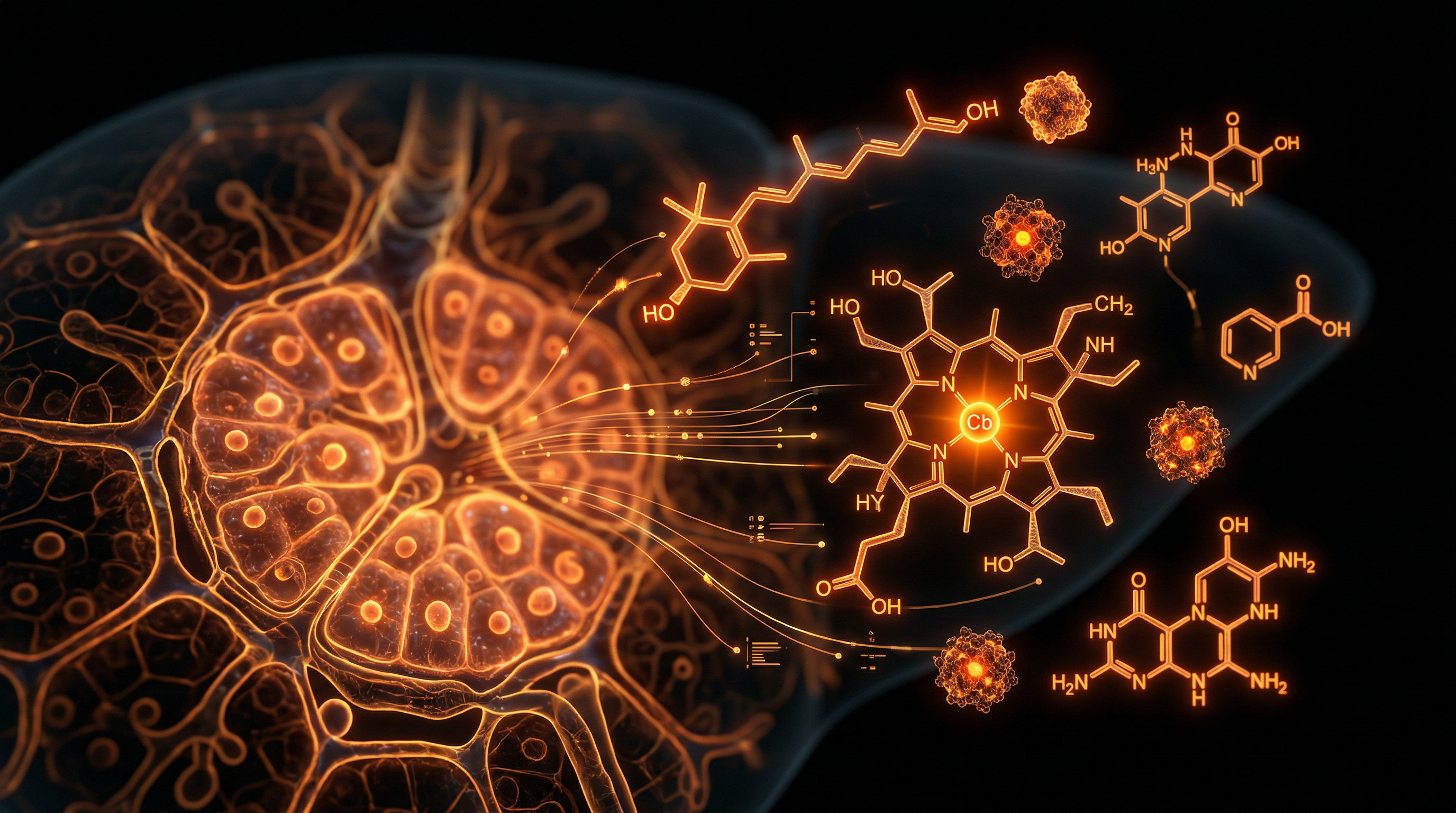
"The Liver’s Nutrient Density: Quantifying Nature’s Ultimate Multivitamin"
Overview
In the contemporary landscape of nutritional science, a peculiar paradox has emerged. We inhabit an era of unprecedented caloric abundance, yet we are witnessing a silent pandemic of micronutrient malnutrition. Despite the ubiquitous availability of "fortified" cereals and synthetic multivitamins, the physiological integrity of the modern human is crumbling. As a senior biological researcher at INNERSTANDING, my objective is to peel back the layers of industrial dietary dogma to reveal a fundamental biological truth: the most nutrient-dense substance on the planet is not a "superfood" berry from the Amazon, nor is it a laboratory-synthesised capsule. It is ruminant liver.
For millennia, apex predators and indigenous human populations have prioritised the consumption of organ meats, instinctively recognising them as the "trophy" of the hunt. In the wild, when a wolf pack brings down a ruminant, the alpha consumes the liver first. This is not a matter of taste; it is a matter of biological imperative. The liver serves as the metabolic engine and the central storage depot for the most critical fat-soluble activators and minerals required for mammalian life.
Today, however, the liver has been relegated to the status of "offal"—a waste product of the industrial meat industry—or, worse, maligned as a vessel for toxins. This article provides a rigorous, quantitative analysis of beef liver’s nutritional profile, comparing its bioavailability and synergy to plant-based alternatives and synthetic supplements. We shall explore why the liver is the "ultimate multivitamin" and how its systematic removal from the Western diet has precipitated a cascade of metabolic dysfunction.
Callout Fact: Gram for gram, beef liver contains more nutrients than any other food on Earth, frequently exceeding the micronutrient density of muscle meat and vegetables by factors of 10 to 100.
The Biology — How It Works
To understand why the liver is so nutrient-dense, one must understand its role as the metabolic clearinghouse of the body. The liver is responsible for over 500 distinct functions, including protein synthesis, hormone regulation, and the storage of essential vitamins and minerals intended for systemic distribution.
The Storage Engine
Unlike muscle meat, which is primarily structural (actin and myosin), the liver is a glandular organ. It functions as a biological "battery," storing vast reserves of:
- Retinol (Preformed Vitamin A)
- Cobalamin (Vitamin B12)
- Heme Iron
- Copper
- Folate (B9)
- Choline
When a ruminant (like a cow) grazes on pasture, it bio-accumulates these nutrients from the soil and forage. Through the complex fermentation process in its four stomachs, the cow converts plant-based precursors—which are often indigestible or poorly absorbed by humans—into highly bioavailable animal forms. These are then sequestered in the liver.
Quantifying the Density
When we perform a comparative analysis of 100g of beef liver against 100g of "superfood" vegetables like kale or carrots, the data is staggering.
- Vitamin A: Carrots contain beta-carotene, a precursor. Beef liver contains retinol, the active form. The conversion rate of beta-carotene to retinol in humans is notoriously poor (often as low as 12:1 or 24:1, depending on genetics).
- Vitamin B12: Found in negligible amounts in the plant kingdom. 100g of liver provides over 1000% of the Daily Value (DV).
- Riboflavin (B2): Critical for energy production. Liver provides roughly 200% DV per serving, compared to the 10-15% found in leafy greens.
The liver is not merely a collection of vitamins; it is a synergistic matrix. The presence of high-quality proteins and fats within the organ ensures that the fat-soluble vitamins (A, D, E, and K) are absorbed efficiently across the intestinal lumen.
Mechanisms at the Cellular Level
The superiority of liver is not just about the quantity of nutrients, but the molecular form of those nutrients and how they interact with human cellular machinery.
Retinol vs. Beta-Carotene: The Genetic Bottleneck
The mainstream narrative suggests that one can obtain sufficient Vitamin A from carrots or sweet potatoes. Biologically, this is a half-truth. Plants contain carotenoids, which are antioxidants but not "Vitamin A." To use them, the human body must convert them into retinol using the enzyme BCO1.
A significant portion of the population (up to 45%) carries genetic polymorphisms that make them "low converters." For these individuals, relying on plants for Vitamin A leads to a subclinical deficiency that manifests as poor night vision, compromised immunity, and follicular hyperkeratosis (rough skin). Beef liver bypasses this bottleneck by providing preformed retinol, which is ready for immediate cellular uptake.
The Heme Iron Advantage
Iron in the liver exists predominantly as heme iron, which is bound to haemoglobin and myoglobin.
- Mechanism: Heme iron is absorbed via a dedicated transport protein (HCP1) in the gut.
- Comparison: Non-heme iron (found in spinach or fortified cereals) is subject to inhibition by phytates and oxalates—anti-nutrients that bind to the iron and prevent absorption.
- Outcome: The bioavailability of heme iron is approximately 15-35%, whereas non-heme iron absorption can be as low as 2%.
The Copper-Iron Connection
One of the most overlooked aspects of liver biology is its copper content. Modern nutrition focuses heavily on iron, yet iron cannot be utilised by the mitochondria or transported in the blood without ceruloplasmin, a copper-dependent protein.
Callout Fact: Many cases of "anemia" are actually functional copper deficiencies. Liver provides the perfect ratio of copper to iron, allowing the body to properly "load" iron into the blood.
Environmental Threats and Biological Disruptors
The degradation of the modern food supply has made the consumption of liver more critical than ever, yet paradoxically more difficult. We are facing a three-pronged threat: Soil Depletion, Anti-Nutrient Proliferation, and Synthetic Mimicry.
The Hollow Harvest
Since the mid-20th century, industrial farming practices have prioritised yield and shelf-life over nutrient density. The use of NPK (Nitrogen, Phosphorus, Potassium) fertilisers has stimulated plant growth but failed to replenish the complex trace mineral profiles of the soil. Studies have shown that the mineral content of vegetables has declined by up to 40% since 1950. Consequently, even a "perfect" plant-based diet is nutritionally hollower than that of our ancestors.
The Rise of Anti-Nutrients
In an attempt to replace animal products, the "plant-forward" movement has increased the consumption of seeds, grains, and legumes. These plants contain defence chemicals—lectins, phytates, and oxalates.
- Phytates in grains bind to zinc and magnesium, rendering them unabsorbable.
- Oxalates in spinach can contribute to kidney stones and systemic inflammation by forming calcium-oxalate crystals in tissues.
By contrast, liver contains zero anti-nutrients. It is a "pure" delivery system for micronutrients.
The Synthetic Fallacy
The supplement industry is a multi-billion dollar enterprise built on synthetic isolates. Most multivitamins use:
- Cyanocobalamin (B12 derived from cyanide) instead of Methylcobalamin.
- Folic Acid (synthetic) instead of Folate.
- Ascorbic Acid (often derived from GMO corn) instead of the complete Vitamin C complex.
The human body is not a test tube. These isolates often lack the co-factors (enzymes and minerals) necessary for metabolism, leading to "expensive urine" or, in the case of synthetic folic acid, a potential increase in cancer risk due to un-metabolised folate in the blood.
The Cascade: From Exposure to Disease
What happens when a population stops eating "Nature’s Multivitamin"? We observe a systematic nutritional collapse that mirrors the rise of chronic disease.
Stage 1: Mitochondrial Insufficiency
The B-vitamins and heme iron found in liver are essential for the Electron Transport Chain in the mitochondria. When these are missing, cellular ATP production drops. The initial symptoms are fatigue, brain fog, and "lethargy," which are now considered "normal" parts of ageing.
Stage 2: Hormonal Dysregulation
Vitamin A (Retinol) is a pro-hormone. It is essential for the production of testosterone, oestrogen, and thyroid hormones. Without adequate retinol from animal sources, the endocrine system begins to fail. We are currently seeing a global decline in sperm counts and a surge in PCOS (Polycystic Ovary Syndrome) and thyroid disorders.
Stage 3: The Toxin Misconception
A primary reason people avoid liver is the myth that "the liver stores toxins." This is a biological misunderstanding. The liver processes toxins (heavy metals, drugs, pesticides) and either makes them water-soluble for excretion via urine or sends them to the gallbladder for excretion via bile.
Scientific Truth: Toxins are primarily stored in adipose tissue (fat), not the liver. The liver stores nutrients to fuel the detoxification pathways (Phase I and Phase II). Therefore, a nutrient-depleted human cannot detoxify properly, leading to a "cascade" of systemic toxicity.
What the Mainstream Narrative Omits
The suppression of the benefits of organ meats is not accidental. It is a byproduct of a food system that prioritises shelf-stable commodities over nutrient-dense perishables.
The Profit Margin of Plants
It is far more profitable to sell a box of processed wheat and soy, fortified with penny-worths of synthetic vitamins, than it is to distribute fresh, high-quality organ meats. The "plant-based" agenda is, at its core, an industrial agenda. Grains are cheap to grow, easy to store, and highly addictive. Liver is a "biological threat" to this model because it is self-contained nutrition that reduces the need for processed supplements.
The Demonisation of Saturated Fat and Cholesterol
For decades, the liver was shunned because it contains dietary cholesterol. We now know that dietary cholesterol has a negligible impact on blood cholesterol for the majority of the population and is, in fact, the precursor for Vitamin D and all steroid hormones. By scaring the public away from "high-cholesterol" foods like liver and eggs, the mainstream narrative effectively induced a state of hormonal and neurological deficiency.
The Anemic State
Mainstream health boards often suggest that "iron-fortified" cereals are a suitable way to prevent anemia. This ignores the hepcidin response. Synthetic iron filings in cereal are highly inflammatory to the gut lining and poorly absorbed. By omitting liver from the discussion, the medical establishment ensures a steady stream of patients requiring iron infusions and chronic care.
The UK Context
In the United Kingdom, the decline of liver consumption is particularly stark. Historically, the British diet was rich in "nose-to-tail" nutrition. Dishes like Steak and Kidney Pie, Liver and Onions, and Faggots (made from pig’s liver and heart) were staples of the working-class diet, providing the nutritional resilience required for manual labour.
The Post-War Shift
Following the Second World War and the rise of supermarket culture in the 1960s and 70s, British eating habits shifted toward convenience. The BSE (Bovine Spongiform Encephalopathy) crisis of the 1990s dealt a final, devastating blow to the reputation of British beef and organ meats. Although British beef is now among the safest and most highly regulated in the world (Red Tractor and organic standards), the cultural "ick factor" remains.
Soil Health in Britain
The UK’s soil, particularly in the intensive arable regions of East Anglia, is severely depleted of selenium and iodine. Ruminants raised on the lush, regenerative pastures of Scotland, Wales, and the West Country, however, act as "nutrient concentrators." For a British citizen, eating locally sourced, grass-fed beef liver is the only way to reacquire the minerals that have vanished from the local produce.
The NHS Guidelines Gap
Current NHS guidelines focus heavily on the dangers of "too much" Vitamin A, particularly for pregnant women. While extreme toxicity (hypervitaminosis A) is possible with polar bear liver or synthetic retinoids, the risk from moderate consumption of beef liver (once or twice a week) is vastly overstated. This "precautionary" advice has led to a generation of British children lacking the fat-soluble activators necessary for proper dental arch development and facial structure.
Protective Measures and Recovery Protocols
If you have spent years on a standard Western diet or a strictly plant-based protocol, your liver and mineral stores are likely depleted. Reintroducing liver must be done with precision.
1. Sourcing: The Golden Rule
The liver is a processing plant. While it doesn't store toxins, you want a liver from a healthy animal that wasn't bombarded with antibiotics and pesticides.
- Priority: Grass-fed, pasture-raised, and organic.
- Species: Beef liver is the gold standard for Vitamin A and Copper. Lamb liver is milder and exceptionally high in B12.
2. The Dosage
You do not need to eat liver every day. Because it is so concentrated, a "micro-dosing" approach is most effective.
- Protocol: 100g to 150g per week.
- Frequency: Either one dedicated meal or small 20g portions daily (mixed into ground beef).
3. Preparation for the "Palate-Challenged"
If the taste is a barrier, use the following biological hacks:
- Soaking: Soak raw liver in milk or lemon juice for 2 hours. This removes the "metallic" tang by leaching out excess blood and balancing the pH.
- The 25% Rule: Blend liver into a paste and mix it into grass-fed minced beef at a 1:4 ratio. In a Bolognese or burger, the taste is virtually undetectable.
- Desiccated Liver: If fresh liver is impossible, use high-quality, non-defatted, desiccated liver capsules. Ensure they are sourced from New Zealand or Argentinean grass-fed cattle.
4. Synergistic Pairing
To maximise the benefits of liver, pair it with:
- Magnesium: Liver is high in many things but relatively low in magnesium.
- Vitamin K2: Found in fermented foods or aged cheese, K2 works with the Vitamin A and D in liver to ensure calcium is deposited in the bones, not the arteries.
Summary: Key Takeaways
The modern nutritional crisis is not one of quantity, but of quality and bioavailability. The liver stands as the ultimate refutation of the industrial food narrative.
- Unmatched Density: Liver is the most concentrated source of Retinol, B12, and Heme Iron available to the human species.
- Bioavailability is King: The animal-form nutrients in liver bypass the genetic bottlenecks and anti-nutrient hurdles associated with plant-based diets.
- Metabolic Support: Rather than a "filter" for toxins, the liver is a nutrient warehouse that provides the raw materials for human detoxification and hormonal health.
- Cultural Restoration: Returning to "nose-to-tail" eating is not a fad; it is a return to the biological norm that sustained human evolution for 2 million years.
The choice is simple: we can continue to rely on the "Franken-foods" of the industrial complex and the synthetic bandages of the supplement industry, or we can reclaim our health through the most potent multivitamin ever designed—nature’s own. The liver is not just "offal"; it is the foundation of biological sovereignty.
This article is provided for informational and educational purposes only. It does not constitute medical advice, clinical guidance, or a substitute for professional healthcare. Information reflects cited research at time of publication. Always consult a qualified healthcare professional before acting on any health information.
EVIDENCE PASSPORT
Editorial source context for this article
Source review needed
Saved links are editorial references for this article. They may support specific claims rather than every sentence. Open and assess each source in context. This passport does not independently verify them.
Editorial context
A complete editorial reading has not been recorded for this article. Source links remain available for you to open and assess directly.
Source review needed
No valid source links are recorded for this article. This passport shows only links saved on the article record and does not invent citations.
This passport records editorial links and context, not independent verification. Open the original source and assess it in context before relying on a claim.
Medical Disclaimer
The information in this article is for educational purposes only and does not constitute medical advice, diagnosis, or treatment. Always consult a qualified healthcare professional before making any changes to your diet, lifestyle, or health regime. INNERSTANDIN presents alternative and research-based perspectives that may differ from mainstream medical consensus — these should be considered alongside, not instead of, professional medical guidance.
Read Full DisclaimerContinue the thread
Keep this question moving.
Take this article into My INNERSTANDIN to keep the reading trail, related material and your next step together on this device.
Explore this in the Body Map
See where this hits your biology. Interactive anatomy, threats, and protective protocols.
Dig deeper in the Library
Free, longform PDF volumes that go beyond headlines into mechanisms and references.