
The Vanishing Nutrients: Modern Crop Dilution
Updated May 2026
Modern UK crop breeding for yield has resulted in a 'dilution effect' where mineral content has dropped significantly over 50 years. This piece exposes the reality that we must eat more today to get the same nutrients as our ancestors.
Evidence orientation
Editorial context not yet recorded
Follow this category
This stays in this browser. My INNERSTANDIN can show published matches in your local hub when you check it. It does not send email, push, or alert notifications.
Local learning review
A private browser aid for revisiting ideas. It is not an alert or a health recommendation.
Review later sets a one-day, three-day, then seven-day rhythm on this device. Choose it only when you want to revisit this article.
Overview
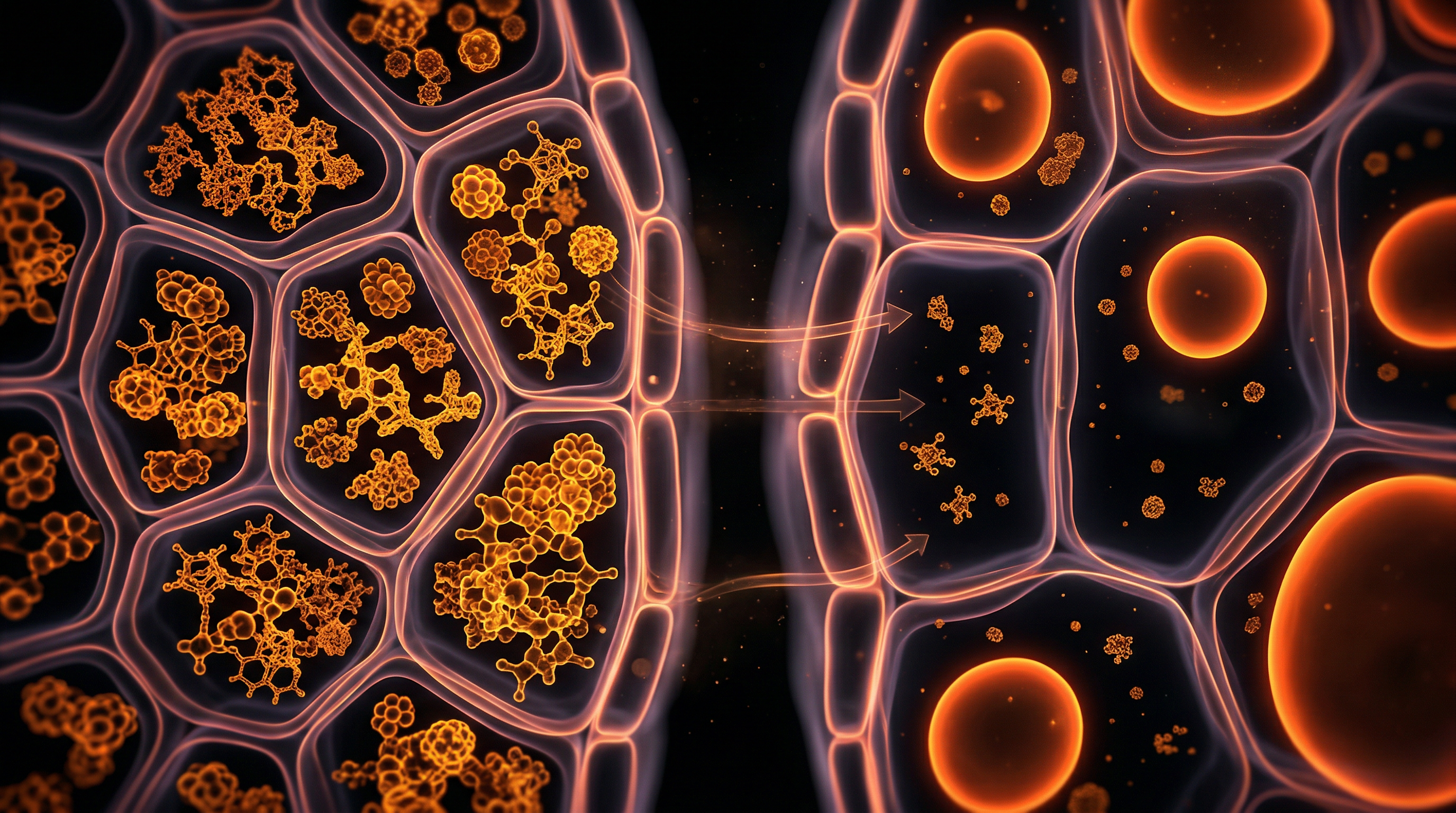
In the mid-20th century, a silent revolution occurred within the global agricultural landscape. Dubbed the "Green Revolution," it promised—and delivered—unprecedented increases in crop yields, effectively staving off the Malthusian catastrophes predicted by many sociologists. However, this triumph of quantity came with a clandestine biological price: the profound erosion of nutrient density. As a senior biological researcher at INNERSTANDING, it is my duty to expose the physiological and ecological mechanisms behind what we call the "Dilution Effect."
The premise is deceptively simple but devastating in its implications: modern agricultural practices have prioritised weight, size, and carbohydrate content over the complex mineral and phytonutrient profiles that defined our ancestors' diets. Research spanning over half a century confirms a terrifying trend. To obtain the same amount of Vitamin A found in a single orange in 1950, a modern consumer would need to eat several. To match the Iron content of a bowl of spinach from the post-war era, one must now consume a significantly larger volume of the same vegetable.
A landmark study published in the Journal of the American College of Nutrition evaluated USDA food composition data from 1950 and 1999 for 43 different garden crops. They found statistically reliable declines for six nutrients: protein, calcium, phosphorus, iron, riboflavin (vitamin B2), and vitamin C.
This is not merely an "unfortunate side effect" of progress; it is a fundamental biological trade-off. By selecting for genes that accelerate growth and biomass, we have inadvertently selected against the mechanisms that sequester and synthesise essential micronutrients. We are currently living through a period of "Hidden Hunger," where individuals are calorically overfed but cellularly starved.
The Biology — How It Works
To understand crop dilution, we must first look at the Genotype-Environment Interaction. A plant’s nutritional profile is determined by two factors: its genetic potential (what it is programmed to produce) and its environmental opportunity (what the soil and atmosphere allow it to produce).
The Genetic Dilution Effect
When plant breeders select for High-Yield Varieties (HYVs), they are primarily selecting for rapid cellular expansion and the accumulation of primary metabolites—specifically starches and sugars. This is known as the Genetic Dilution Effect. In simple terms, as the plant grows larger and more quickly, its ability to acquire minerals from the soil cannot keep pace with its biomass production. The minerals are "diluted" across a greater volume of plant tissue.
The Carbon-Nutrient Balance (CNB) Hypothesis
The CNB hypothesis suggests that plants allocate their resources based on the availability of nutrients. When we flood crops with synthetic nitrogen (NPK fertilisers), the plant prioritises rapid growth (carbon fixation) over the production of secondary metabolites like polyphenols, flavonoids, and antioxidants. These secondary metabolites are the very compounds that provide humans with anti-inflammatory and anti-cancer benefits. In a high-growth environment, the plant views these complex molecules as "expensive" to produce and shifts its metabolic focus to simple growth.
- Yield vs. Density: There is a well-documented inverse relationship between crop yield and mineral concentration.
- Dry Matter Accumulation: Modern crops have a higher water and carbohydrate content per unit of dry matter, further reducing the concentration of essential elements like Magnesium and Zinc.
Mechanisms at the Cellular Level
The dilution of nutrients is not just a macroscopic observation; it is rooted in the microscopic failures of modern soil biology. The cellular mechanisms by which plants take up nutrients have been systematically disrupted by intensive farming.
Rhizosphere Disruption and Mycorrhizal Fungi
Plants do not simply "eat" soil; they engage in a sophisticated biological exchange. In a healthy ecosystem, plants secrete exudates (sugars) through their roots into the rhizosphere to feed mycorrhizal fungi and beneficial bacteria. In exchange, these fungi extend their mycelial networks far beyond the reach of the plant’s roots to scavenge for trace minerals like Selenium, Boron, and Manganese.
Modern high-input agriculture, involving heavy tilling and fungicidal applications, destroys these fungal networks. Without these biological intermediaries, plants become "lazy" and dependent on soluble synthetic fertilisers, which only provide a narrow spectrum of nutrients (NPK). This results in a plant that looks healthy but lacks the complex mineral profile provided by a symbiotic soil relationship.
Transporter Protein Saturation
At the root cellular membrane, specific transporter proteins are responsible for the uptake of minerals against a concentration gradient. This process requires ATP (adenosine triphosphate), the cellular currency of energy. Because modern crops are bred for speed, the metabolic cost of maintaining high-activity transporters is often bypassed. Furthermore, the presence of high concentrations of synthetic Nitrogen can inhibit the uptake of other essential cations like Potassium and Calcium through competitive inhibition at these protein sites.
The Role of Bioavailability
It is a common misconception that the presence of a mineral in the soil equates to its presence in the plant. Nutrients must be in a bioavailable form. Modern soil acidification—caused by repetitive use of ammonium-based fertilisers—locks many minerals into insoluble forms that the plant cannot absorb, regardless of its genetic potential.
Environmental Threats and Biological Disruptors
Beyond the farm gate, global environmental changes are exacerbating the dilution effect. We are witnessing a systemic "watering down" of the global food supply.
The CO2 Fertilisation Effect
Atmospheric CO2 levels have risen significantly since the Industrial Revolution. While CO2 is "plant food" that increases photosynthesis and growth, it paradoxically reduces nutrient density.
Experimental studies using Free-Air Concentration Enrichment (FACE) technology have shown that plants grown in high-CO2 environments have significantly lower concentrations of Zinc, Iron, and Protein. When CO2 is abundant, plants produce more carbohydrates (sugars and starches) but fail to increase their mineral uptake, leading to what researchers call "Global Nutritional Dilution."
Glyphosate as a Chelator
The widespread use of Glyphosate-based herbicides represents a direct threat to mineral density. Originally patented as a chelating agent, glyphosate binds to minerals like Manganese, Magnesium, and Calcium, making them unavailable to the plant.
- Enzymatic Blockage: Glyphosate interferes with the Shikimate pathway, which is essential for the synthesis of aromatic amino acids (phenylalanine, tyrosine, and tryptophan).
- Human Impact: Humans do not have a Shikimate pathway, but our gut bacteria do. When we consume crops with glyphosate residues or those grown in glyphosate-treated soils, we are consuming food that is deficient in the very amino acids required for neurotransmitter production (serotonin and dopamine).
Soil Erosion and Mineral Leaching
The UK and much of the Western world have lost a staggering percentage of their topsoil over the last century. Intensive monocropping leaves soil bare and vulnerable to erosion. When the organic matter (humus) is depleted, the soil loses its "cation exchange capacity"—its ability to hold onto minerals. Heavy rains then wash the remaining minerals into the waterways, leaving the crops to grow in what is essentially a sterile medium.
The Cascade: From Exposure to Disease
The dilution of nutrients is not a theoretical concern for biologists; it is a public health emergency. This phenomenon initiates a biological cascade that leads directly to the chronic disease epidemic we see today.
Triage Theory
Proposed by the renowned biochemist Bruce Ames, the Triage Theory suggests that when the body is faced with a chronic shortage of micronutrients, it prioritises short-term survival over long-term health.
For instance, if Vitamin K levels are low, the body will use the available supply to ensure blood clotting (essential for immediate survival) while sacrificing the Vitamin K-dependent proteins needed for bone health or arterial calcification prevention. Over decades, this "triage" leads to osteoporosis, heart disease, and DNA damage.
The Metabolic Syndrome Connection
When crops are high in glucose but low in minerals like Chromium and Magnesium (both of which are essential for insulin sensitivity), the body cannot process the sugar effectively. This creates a "double whammy":
- Over-consumption: Because the body is sensing a nutrient deficiency, it triggers hunger signals, leading the individual to eat more calories in a desperate search for the missing minerals.
- Insulin Resistance: The lack of co-factors required for glucose metabolism leads to elevated blood sugar and fat storage.
Neurodevelopmental Impacts
The brain is the most metabolically active organ in the body. The dilution of Omega-3 fatty acids, Iodine, and Zinc in our food supply is directly correlated with the rise in neurodevelopmental disorders and cognitive decline. The "Modern Crop" is effectively a high-energy, low-information fuel source that provides the calories for the brain to function but not the nutrients for it to thrive.
What the Mainstream Narrative Omits
The mainstream narrative, supported by industrial agricultural giants and regulatory bodies, frequently dismisses crop dilution as negligible. However, a closer look reveals a systematic suppression of the severity of the crisis.
The Myth of Fortification
The "solution" proposed by the mainstream is often biofortification or industrial fortification (adding synthetic vitamins back into processed flour or cereals). This is a reductive approach that ignores synergy. Nutrients in whole foods work in complexes; Vitamin C in an orange is surrounded by bioflavonoids that enhance its absorption. Synthetic Ascorbic Acid added to a breakfast cereal does not have the same biological resonance or efficacy.
The Profit Motive: Yield over Health
Agricultural subsidies in the UK and the US are almost entirely based on weight/volume (bushels per acre). There is currently no financial incentive for a farmer to produce a high-nutrient crop. In fact, producing a nutrient-dense crop is often more expensive and results in a lower physical yield, which would lead to financial ruin under the current system.
Regulatory Capture
The agencies responsible for monitoring food safety and nutrition often rely on outdated data. In many cases, the "average" nutritional values used by healthcare professionals are based on data from the 1970s or 80s, failing to account for the precipitous drop in mineral content over the last 30 years. Furthermore, the RDA (Recommended Dietary Allowance) is designed to prevent acute deficiency diseases (like scurvy or rickets), not to optimise cellular function or prevent chronic metabolic disease.
The UK Context
The United Kingdom serves as a poignant case study for the dilution effect. As one of the first nations to industrialise its agriculture, the depletion of British soils is advanced.
The Broadbalk Wheat Experiment
Rothamsted Research in Hertfordshire hosts the Broadbalk Wheat Experiment, the longest-running agricultural study in the world (starting in 1843). Analysis of wheat samples from this study has shown a clear decline in concentrations of Iron, Zinc, Magnesium, and Copper since the 1960s—coinciding exactly with the introduction of semi-dwarf, high-yield wheat varieties.
McCance and Widdowson’s "The Composition of Foods"
This definitive UK database provides a historical record of our nutritional decline. A comparison between the 1940 edition and the 1991 edition revealed:
- Copper in vegetables decreased by 76%.
- Calcium in vegetables decreased by 46%.
- Iron in meat decreased by 54%.
- Magnesium in meat decreased by 10%.
In the UK, the shift towards "supermarket-friendly" varieties—those that ripen at the same time and have a long shelf life—has further exacerbated the problem. These varieties are often harvested prematurely, before the plant has had time to complete its secondary metabolic cycles, leaving the produce nutritionally "immature."
The Post-Brexit Landscape
As the UK moves away from the Common Agricultural Policy (CAP), there is a pivotal opportunity to shift towards the Environmental Land Management (ELM) scheme. However, if the focus remains solely on carbon sequestration and "net zero" without addressing soil mineralisation and nutrient density, the UK's "hidden hunger" will only worsen.
Protective Measures and Recovery Protocols
While the systemic dilution of our food supply is a daunting reality, there are biological strategies to mitigate the damage. Recovery involves both changing how we source food and how we supplement our internal biochemistry.
1. Prioritising Regenerative and Organic Produce
Not all organic food is created equal, but Regenerative Organic agriculture prioritises soil health and mycorrhizal fungi.
- Heirloom Varieties: Seek out "ancient grains" (einkorn, spelt) and heirloom vegetables. These varieties were bred before the high-yield obsession and often retain the genetic pathways for high mineral sequestration.
- The "Dirty" Look: Choose produce that isn't uniform. Small, deeply coloured vegetables often have a higher concentration of protective polyphenols and minerals than their bloated, shiny supermarket counterparts.
2. Strategic Mineral Supplementation
Given the current state of our soils, it is nearly impossible to meet optimal levels of certain minerals through diet alone.
- Magnesium: Since it is depleted in over 80% of UK soils, supplementation with bioavailable forms (Glycinate or Malate) is often necessary for neurological and cardiovascular health.
- Trace Minerals: Liquid trace mineral drops (derived from ancient sea beds) can provide the Boron, Molybdenum, and Vanadium missing from modern produce.
- Fulvic and Humic Acids: These natural compounds act as "mineral shuttles," helping to increase the bioavailability of the nutrients you do consume.
3. Testing and Personalised Bio-Correction
Instead of guessing, use functional medicine testing to identify your specific deficiencies.
- HTMA (Hair Tissue Mineral Analysis): Provides a long-term blueprint of mineral levels and heavy metal toxicity, which is often more accurate for mineral status than a standard blood test.
- Intracellular Testing: Blood tests that look at the mineral content inside the red blood cells, rather than just the serum.
4. Culinary Medicine: Preparation Matters
- Fermentation: Fermenting vegetables increases the bioavailability of the minerals within them and introduces beneficial bacteria that aid in nutrient absorption.
- Slowing Down: The stress response (sympathetic nervous system) shuts down digestion. To absorb the dwindling nutrients in our food, we must be in a "rest and digest" (parasympathetic) state.
Summary: Key Takeaways
The dilution effect is a testament to the fact that we cannot cheat nature without consequences. In our pursuit of "more," we have inadvertently settled for "less."
- Quantity is not Quality: Increased yields in modern agriculture have resulted in a 10% to 50% decline in essential minerals across most crops.
- The CO2 Paradox: Higher atmospheric carbon dioxide makes plants grow faster but makes them less nutritious, particularly reducing protein and zinc.
- Biological Disruption: The destruction of soil fungi and the use of chelating herbicides (like glyphosate) have crippled the plant’s ability to "feed" itself.
- Cellular Hunger: Chronic diseases—from obesity to Alzheimer’s—are often the downstream effects of "triage" in a body that is calorically satisfied but nutritionally starved.
- The UK Situation: Long-term studies at Rothamsted confirm that the nutritional profile of British wheat has been in decline for over six decades.
- The Solution: We must move beyond the "NPK" mindset of agriculture and embrace regenerative practices that restore the microbial and mineral complexity of the soil.
The reality is stark: we are the first generations in human history who must actively work to avoid malnutrition while surrounded by an abundance of food. Understanding the dilution effect is the first step in reclaiming our biological sovereignty and ensuring that the food we eat actually provides the "Inner Standing" our bodies require for true health.
This article is provided for informational and educational purposes only. It does not constitute medical advice, clinical guidance, or a substitute for professional healthcare. Information reflects cited research at time of publication. Always consult a qualified healthcare professional before acting on any health information.
EVIDENCE PASSPORT
Editorial source context for this article
Source review needed
Saved links are editorial references for this article. They may support specific claims rather than every sentence. Open and assess each source in context. This passport does not independently verify them.
Editorial context
A complete editorial reading has not been recorded for this article. Source links remain available for you to open and assess directly.
Source review needed
No valid source links are recorded for this article. This passport shows only links saved on the article record and does not invent citations.
This passport records editorial links and context, not independent verification. Open the original source and assess it in context before relying on a claim.
Medical Disclaimer
The information in this article is for educational purposes only and does not constitute medical advice, diagnosis, or treatment. Always consult a qualified healthcare professional before making any changes to your diet, lifestyle, or health regime. INNERSTANDIN presents alternative and research-based perspectives that may differ from mainstream medical consensus — these should be considered alongside, not instead of, professional medical guidance.
Read Full DisclaimerContinue the thread
Keep this question moving.
Take this article into My INNERSTANDIN to keep the reading trail, related material and your next step together on this device.
Dig deeper in the Library
Free, longform PDF volumes that go beyond headlines into mechanisms and references.