
Zinc Sequestration by Modern Dietary Phytates
Updated May 2026
High intake of refined grains and legumes in the UK diet can lead to zinc sequestration via phytic acid binding. This study explores the resulting impairment of DNA polymerase and immune cell signalling.
Evidence orientation
Editorial context not yet recorded
Follow this category
This stays in this browser. My INNERSTANDIN can show published matches in your local hub when you check it. It does not send email, push, or alert notifications.
Local learning review
A private browser aid for revisiting ideas. It is not an alert or a health recommendation.
Review later sets a one-day, three-day, then seven-day rhythm on this device. Choose it only when you want to revisit this article.
Overview
In the contemporary landscape of nutritional science, a silent crisis is unfolding within the bio-geochemical pathways of the human population. While the mainstream discourse focuses predominantly on macronutrient ratios and caloric surfeits, a more insidious form of "hidden hunger" is proliferating: the systemic sequestration of essential trace minerals. At the vanguard of this metabolic erosion is Zinc (Zn²⁺), a divalent cation of such fundamental importance that its absence effectively halts the machinery of life.
The primary architect of this deficiency is not merely a lack of intake, but the ubiquitous presence of Phytic Acid (inositol hexaphosphate, or IP6) in the modern diet. Found in high concentrations within the unrefined grains, legumes, and seeds that form the backbone of both industrialised food systems and "health-conscious" plant-based diets, phytates act as potent chelating agents. They bind to zinc in the gastrointestinal tract, creating insoluble complexes that the human body cannot absorb.
In the United Kingdom, where the transition toward highly processed plant proteins and grain-heavy "convenience" foods has accelerated, the biological consequences are profound. We are witnessing a widespread impairment of enzymatic catalysis, particularly involving DNA polymerase, and a catastrophic breakdown in immune cell signalling. This article serves as a comprehensive interrogation of the biochemical mechanisms by which modern dietary phytates hijack human physiology, leading to a state of chronic cellular malnutrition that remains largely unaddressed by conventional medical frameworks.
Fact: Zinc is a required cofactor for over 300 enzymes and more than 2,000 transcription factors, meaning approximately 10% of the human proteome is zinc-dependent.
##
The Biology — How It Works
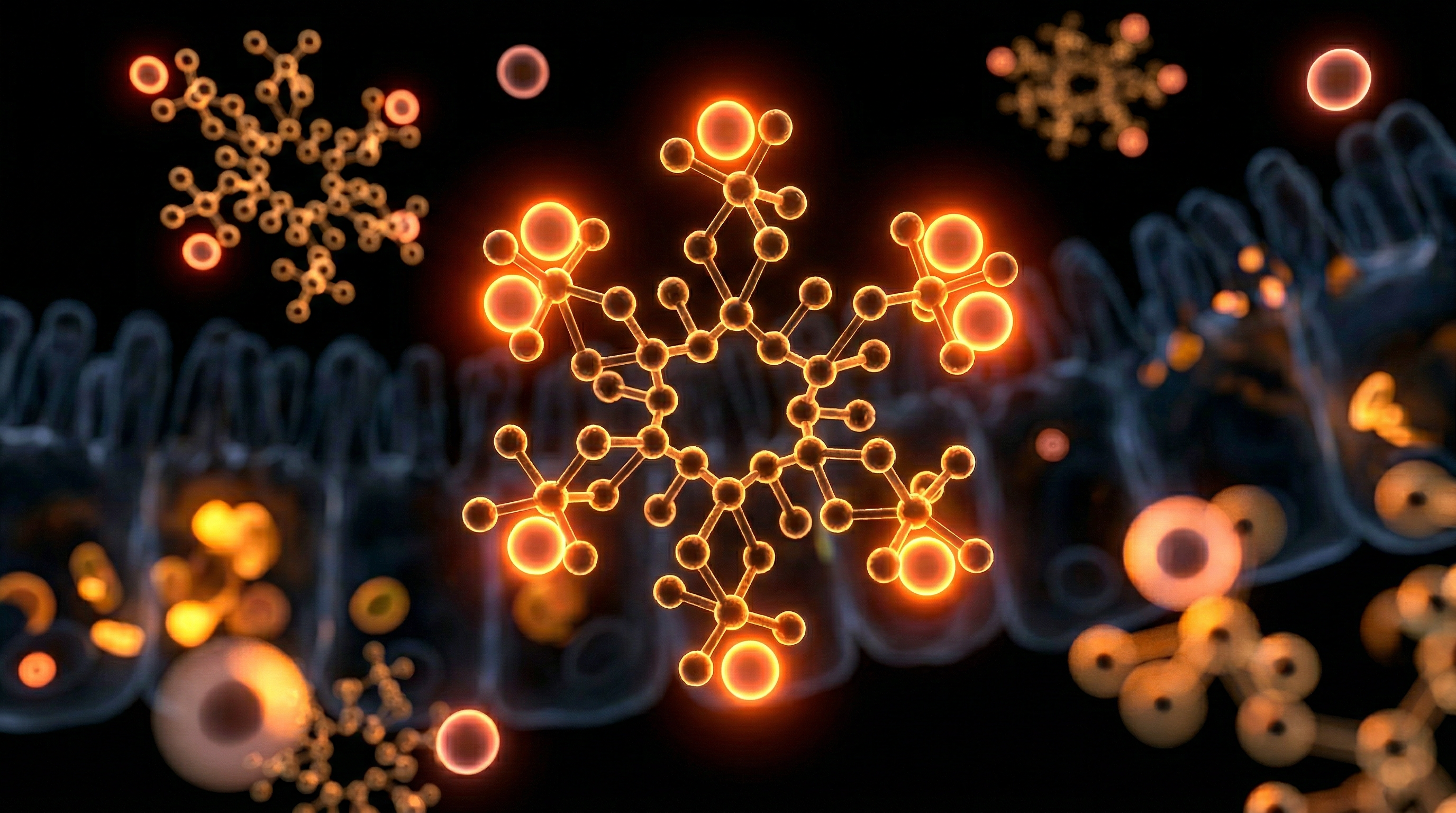
To understand zinc sequestration, one must first understand the unique chemical architecture of Phytic Acid. Formally known as myo-inositol 1,2,3,4,5,6-hexakisphosphate, phytic acid is the principal storage form of phosphorus in plant tissues. Its structure consists of an inositol ring with six phosphate groups radiating outwards.
The Mechanism of Chelation
At the physiological pH of the small intestine (approximately 6.0 to 7.4), these phosphate groups become negatively charged, turning the molecule into a highly reactive polyanion. In this state, phytic acid possesses an extraordinary affinity for positively charged multivalent metal ions, with Zinc (Zn²⁺) being its most "favoured" target, followed by iron and calcium.
When a diet high in phytates—such as one rich in wholemeal bread, soya, or poorly prepared lentils—meets the bolus in the duodenum, a process of chelation occurs. The zinc ions are trapped within the phosphate "claws" of the IP6 molecule, forming a massive, insoluble salt known as phytin.
- Insolubility: Once the Zn-Phytate complex is formed, it becomes precipitant and cannot be transported across the enterocyte membrane.
- Stoichiometry: A single molecule of phytic acid can sequester multiple zinc ions, meaning even small amounts of phytate can neutralise a significant portion of dietary zinc.
- Lack of Endogenous Phytase: Unlike ruminants, humans do not produce sufficient quantities of the enzyme phytase in the digestive tract to break down these complexes. Consequently, the sequestered zinc is excreted, bypassing the circulatory system entirely.
The Bioavailability Gap
The concept of "total zinc content" on a food label is a biological fiction. While a serving of bran or beans may appear to contain adequate zinc, the bioavailability—the fraction that actually enters systemic circulation—is often near zero if the phytate-to-zinc molar ratio exceeds 15:1. In many modern British diets, particularly those adhering to certain "health" trends, this ratio is consistently surpassed.
##
Mechanisms at the Cellular Level
Once zinc is sequestered at the point of digestion, the cellular environment enters a state of stasis and decay. Zinc is not merely a "vitamin-like" supplement; it is a structural and catalytic linchpin at the sub-cellular level.
DNA Polymerase and Genomic Integrity
One of the most critical casualties of phytate-induced zinc deficiency is DNA Polymerase, the enzyme family responsible for replicating and repairing the genetic code.
- Zinc Finger Motifs: DNA polymerases rely on "zinc fingers"—small, protein structural motifs coordinated by one or more zinc ions. These "fingers" allow the enzyme to grip the DNA strand with precision.
- Catalytic Dysfunction: Without adequate intracellular zinc, the stability of DNA polymerase alpha, delta, and epsilon is compromised. This leads to an increase in replication errors, stalled cell cycles, and a diminished capacity for nucleotide excision repair.
- Mutagenesis: The long-term sequestration of zinc essentially creates a pro-mutagenic environment, where the body’s ability to "proofread" its own genetic software is crippled.
The Disruption of Immune Signalling
The immune system is perhaps the most zinc-sensitive apparatus in the human body. Zinc is a second messenger in immune cells, much like calcium.
- T-Cell Lymphopenia: Zinc deficiency causes the thymus gland to atrophy, reducing the production of T-lymphocytes.
- Signal Transduction: In T-cells, zinc is required for the activation of Lck, a protein tyrosine kinase that initiates the signalling cascade after the T-cell receptor (TCR) encounters a pathogen. When zinc is sequestered by dietary phytates, T-cells remain "blind" and inactive even in the presence of infection.
- Cytokine Storms: Paradoxically, zinc deficiency promotes systemic inflammation. Zinc is required to regulate NF-κB, the master switch for inflammation. In its absence, the body overproduces pro-inflammatory cytokines (IL-6, TNF-α), leading to chronic "inflammaging."
Key Statistic: Research indicates that correcting zinc status can reduce the duration of respiratory infections by up to 33%, yet phytate-heavy diets can reduce zinc absorption by as much as 80%.
##
Environmental Threats and Biological Disruptors
The issue of zinc sequestration is not occurring in a vacuum. It is being exacerbated by a confluence of environmental and agricultural factors that have fundamentally altered the nutrient-to-anti-nutrient ratio of our food supply.
Soil Depletion and the "Dilution Effect"
Modern industrial agriculture prioritises yield over nutrient density. Through the heavy use of NPK (Nitrogen, Phosphorus, Potassium) fertilisers, crops grow faster and larger but contain significantly lower concentrations of trace minerals like zinc.
- The Dilution Effect: As the carbohydrate content of grains increases due to selective breeding and high CO2 levels, the mineral content per gram decreases.
- Increased Phytate Concentration: Many modern grain varieties have been bred for higher phosphorus storage (phytate) to ensure seedling vigour, further skewing the ratio against the consumer.
The Glyphosate Connection
The pervasive use of Glyphosate (the active ingredient in many herbicides) in UK wheat and pulse production adds a secondary layer of sequestration. Glyphosate was originally patented as a chelator.
- Residual Binding: Glyphosate residues in food can bind to the already scarce zinc ions, working synergistically with dietary phytates to ensure that virtually no free zinc reaches the intestinal lining.
- Microbiome Alteration: Glyphosate disrupts the shikimate pathway in gut bacteria. A healthy microbiome can produce small amounts of phytase; a glyphosate-damaged microbiome cannot, leaving the consumer entirely vulnerable to IP6.
The Loss of Traditional Processing
Historically, human cultures that relied on grains and legumes employed rigorous preparation techniques to neutralise phytates:
- Long-duration fermentation (e.g., traditional sourdough).
- Sprouting and Germination.
- Lacto-fermentation.
Modern industrial baking has replaced 24-hour fermentation with 45-minute chemical leavening. This "efficiency" preserves the phytate content, ensuring that the "daily bread" of the modern Briton is a potent anti-nutrient delivery system.
##
The Cascade: From Exposure to Disease
The systemic sequestration of zinc by dietary phytates does not manifest as an acute illness, but rather as a slow-motion biological collapse. This cascade of dysfunction eventually crystallises into recognisable disease states.
Dermatological and Epithelial Failure
The skin and the gut lining have the highest rates of cell turnover in the body. Since zinc is required for the mitosis regulated by DNA polymerase, these tissues are the first to show signs of distress.
- Acrodermatitis: Severe deficiency leads to lesions and dermatitis.
- Leaky Gut: Zinc is essential for maintaining the tight junctions between intestinal cells. Phytate-induced sequestration leads to intestinal permeability, allowing undigested proteins into the bloodstream and triggering autoimmune responses.
Cognitive and Neurological Decline
Zinc is highly concentrated in the hippocampus and is vital for neurotransmission, particularly in glutamatergic and GABAergic systems.
- Synaptic Plasticity: Zinc modulates the NMDA receptor. Sequestration leads to "brain fog," impaired memory formation, and increased susceptibility to depression and anxiety.
- Neurodegeneration: Low zinc status is a known correlate of Alzheimer’s disease, as zinc is required for the clearance of amyloid-beta plaques.
Endocrine and Reproductive Dysfunction
For the male population, zinc sequestration is a primary driver of the current fertility crisis.
- Hypogonadism: Zinc is a prerequisite for the synthesis of Testosterone. Phytates essentially act as indirect endocrine disruptors by starving the Leydig cells of the zinc needed for steroidogenesis.
- Insulin Resistance: Zinc is required for the structural integrity of Insulin. In a zinc-depleted state, the pancreas secretes "flabby" insulin that cannot effectively signal to glucose transporters, leading to Type 2 Diabetes.
##
What the Mainstream Narrative Omits
The refusal of public health bodies to address the phytate-zinc axis is not an oversight; it is a byproduct of institutional inertia and industrial lobbying.
The "Antioxidant" Smokescreen
In recent years, a narrative has emerged attempting to rebrand phytic acid as a "beneficial antioxidant" that prevents cancer by binding to excess iron. While IP6 does have antioxidant properties, this argument ignores the biological hierarchy of needs. Preventing "potential" oxidative stress at the cost of "actual" enzymatic failure and immune suppression is a losing trade.
The Plant-Based Bias
The aggressive push toward "plant-based" diets in the UK, often promoted via the Eatwell Guide, fails to mention the bioavailability issues inherent in unrefined plant proteins.
- The narrative suggests that 100g of chickpeas is a "source of protein and minerals."
- The biochemical reality is that without de-phytinisation, those minerals are effectively "locked" in a chemical vault.
- The mainstream omission of Heme-iron and Animal-based Zinc (which are not inhibited by phytates) has led to a surge in sub-clinical deficiency among the youth.
The Myth of Fortification
The UK government mandates the fortification of white flour with iron, calcium, and some B-vitamins, but Zinc is conspicuously absent from the mandatory list. Even when present in supplements, the forms used (like Zinc Oxide) are poorly absorbed in the presence of the high-phytate meals they are intended to balance.
##
The UK Context
The United Kingdom represents a unique "perfect storm" for phytate-induced pathology. The British diet is historically and culturally centred around cereal grains, but the quality and preparation of these grains have shifted dramatically.
The "Sausage and Mash" to "Soya and Salad" Shift
While the traditional British diet was high in bioavailable zinc from beef, lamb, and shellfish, the modern shift—driven by both economic pressure and environmental ideology—has replaced these with:
- Ultra-processed meat alternatives: High in isolated soya protein (extremely high phytate).
- Wholemeal "Healthy" Breads: Marketed as superior to white bread, but containing 300% more phytic acid without the fermentation needed to break it down.
- Nut Milks and Porridge: A breakfast staple that, when unsoaked, initiates zinc sequestration from the very start of the day.
Soil and Geography
The UK's agricultural land is notoriously depleted of zinc. The British Geological Survey has highlighted that large swathes of the Midlands and East Anglia have soil zinc levels that are "deficient or near-deficient" for optimal crop nutrition. When the soil is empty, the plant concentrates what little it has into its seeds (as phytate), leaving the consumer with a high-anti-nutrient, low-nutrient product.
Socioeconomic Factors
The most affordable calories in the UK—refined bread, pasta, and tinned pulses—are those highest in phytates. This creates a "poverty trap" of biology, where those in lower socioeconomic brackets are not just calorically satisfied but biochemically starved, leading to higher rates of chronic illness and reduced cognitive resilience.
##
Protective Measures and Recovery Protocols
Reversing the effects of zinc sequestration requires a strategic deconstruction of the modern diet and a return to biochemically informed eating patterns.
Neutralising Phytates
If grains and legumes are to be consumed, they must be processed to activate the endogenous enzyme phytase.
- Soaking: Legumes should be soaked for a minimum of 24 hours in an acidic medium (lemon juice or apple cider vinegar) to initiate the breakdown of IP6.
- Sourdough Fermentation: Genuine sourdough fermentation (using wild yeast and lactic acid bacteria) can reduce phytate content by up to 90%.
- Avoid "Wholemeal" Marketing: In many cases, sourdough white bread is more nutritious than unfermented wholemeal bread because the minerals in the white loaf are actually bioavailable.
Optimising Zinc Intake
To bypass the phytate trap, one must focus on sources where zinc is bound to amino acids, making it less susceptible to chelation.
- Prioritise Ruminant Meat: Beef and lamb contain zinc in a highly bioavailable form.
- Shellfish: Oysters are the most concentrated source of zinc on the planet.
- Strategic Supplementation: Use Zinc Picolinate or Zinc Bisglycinate. These "chelated" supplements are pre-bound to amino acids, allowing them to use different transport pathways that phytates cannot easily block.
The Co-Factor Strategy
Zinc does not work in isolation. To restore the DNA polymerase and immune functions mentioned earlier, certain co-factors are required:
- Vitamin A (Retinol): Necessary for the synthesis of zinc-binding proteins.
- Quercetin: Acts as a zinc ionophore, a "shuttle" that helps transport zinc ions across the cellular membrane into the cytoplasm.
Protocol: For those with high phytate exposure, a daily protocol of 30mg Zinc Picolinate taken away from grain-based meals, paired with a natural ionophore like Quercetin, can restore systemic levels within 90 days.
##
Summary: Key Takeaways
The sequestration of zinc by dietary phytates is a fundamental violation of human evolutionary biology. For millennia, our ancestors employed complex processing techniques to "unlock" the nutrients in plants. By abandoning these traditions in favour of industrial convenience, we have inadvertently created a population defined by genomic instability and immune fragility.
- The Phytic Acid Trap: IP6 in modern grains and legumes acts as a chemical "vault," locking away zinc and preventing its absorption.
- Enzymatic Failure: Zinc deficiency directly impairs DNA Polymerase, leading to poor genetic repair and accelerated ageing.
- Immune Blindness: Without zinc, the T-cell signalling apparatus fails, leaving the body vulnerable to both infection and chronic inflammation.
- The UK Crisis: Soil depletion and the abandonment of traditional food preparation make the British population particularly susceptible to this hidden hunger.
- The Path Forward: Recovery requires a transition toward bioavailable animal-based minerals, the revival of traditional fermentation, and the use of targeted, chelated supplementation.
To ignore the phytate-zinc axis is to ignore the foundation of our health. We must move beyond the simplistic "calorie" model and embrace a molecular understanding of nutrition, where the quality of mineral delivery determines the sovereignty of our biology.
This article is provided for informational and educational purposes only. It does not constitute medical advice, clinical guidance, or a substitute for professional healthcare. Information reflects cited research at time of publication. Always consult a qualified healthcare professional before acting on any health information.
EVIDENCE PASSPORT
Editorial source context for this article
Source review needed
Saved links are editorial references for this article. They may support specific claims rather than every sentence. Open and assess each source in context. This passport does not independently verify them.
Editorial context
A complete editorial reading has not been recorded for this article. Source links remain available for you to open and assess directly.
Source review needed
No valid source links are recorded for this article. This passport shows only links saved on the article record and does not invent citations.
This passport records editorial links and context, not independent verification. Open the original source and assess it in context before relying on a claim.
Medical Disclaimer
The information in this article is for educational purposes only and does not constitute medical advice, diagnosis, or treatment. Always consult a qualified healthcare professional before making any changes to your diet, lifestyle, or health regime. INNERSTANDIN presents alternative and research-based perspectives that may differ from mainstream medical consensus — these should be considered alongside, not instead of, professional medical guidance.
Read Full DisclaimerContinue the thread
Keep this question moving.
Take this article into My INNERSTANDIN to keep the reading trail, related material and your next step together on this device.
Dig deeper in the Library
Free, longform PDF volumes that go beyond headlines into mechanisms and references.