
Zinc Bioavailability: The Inhibitory Effects of Cereal-Based Diets on UK Youth
Updated May 2026
Investigates how phytates in UK grain products block the absorption of zinc. It emphasizes the importance of red meat for childhood growth and immunity.
Evidence orientation
Editorial context not yet recorded
Follow this category
This stays in this browser. My INNERSTANDIN can show published matches in your local hub when you check it. It does not send email, push, or alert notifications.
Local learning review
A private browser aid for revisiting ideas. It is not an alert or a health recommendation.
Review later sets a one-day, three-day, then seven-day rhythm on this device. Choose it only when you want to revisit this article.
Overview
In the landscape of modern British public health, a silent crisis of micronutrient sequestration is unfolding, largely unobserved by the mainstream medical establishment. While the United Kingdom prides itself on overcoming the "overt" malnutrition of the early 20th century, we have entered an era of "Type B" malnutrition—the "Hidden Hunger." This phenomenon is characterised not by a lack of calories, but by a profound physiological bankruptcy of essential minerals, most notably zinc.
For the developing youth of the UK, zinc is not merely a supplement found in a multivitamin; it is the master tectonic plate of biological development. It governs over 300 enzymatic reactions, regulates gene expression via zinc-finger proteins, and serves as the primary architect of the adolescent immune system. However, the contemporary British diet—skewed heavily toward ultra-processed grains, cereals, and "plant-forward" convenience foods—has created a biochemical barrier to mineral absorption.
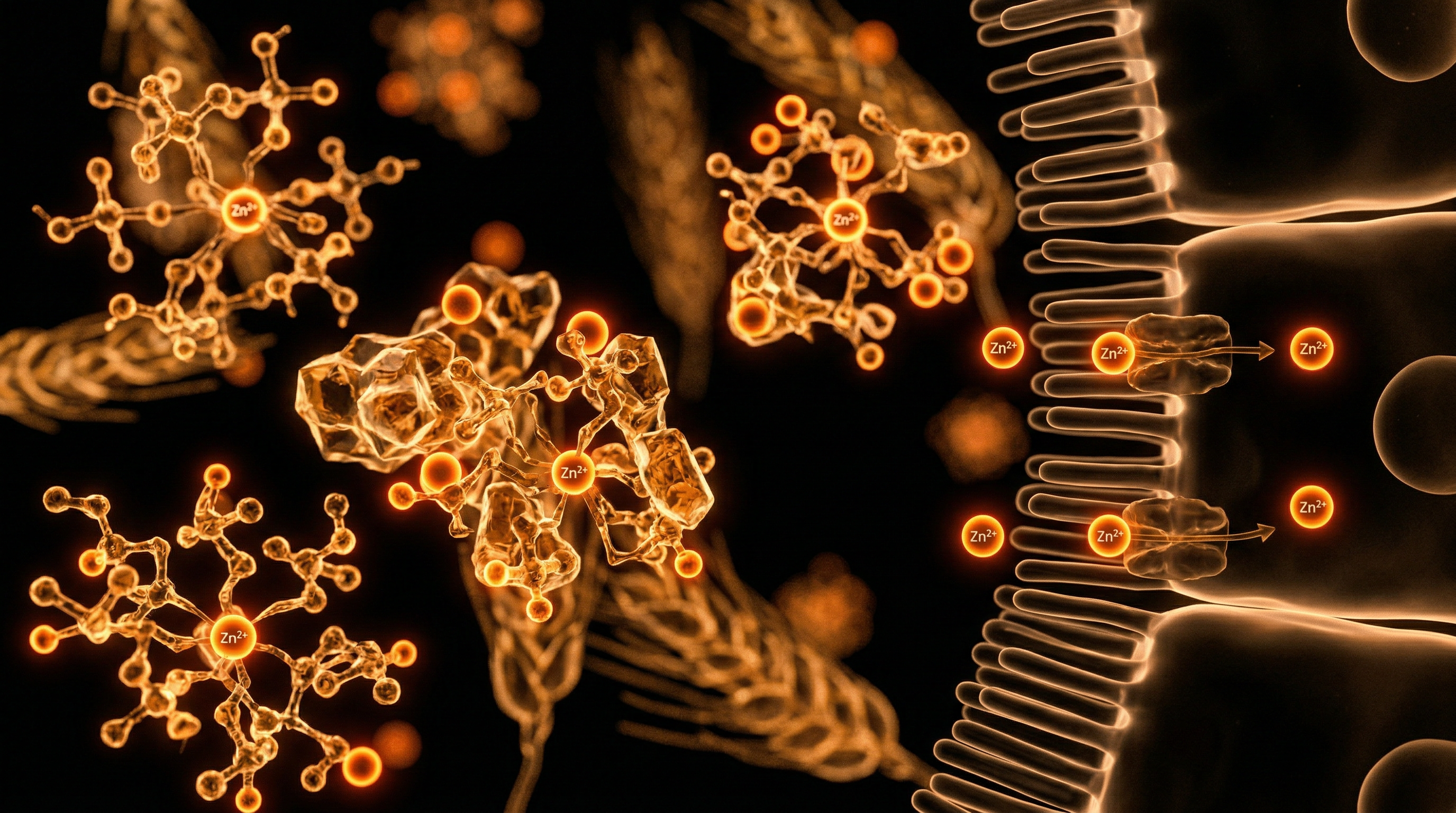
The primary antagonist in this narrative is phytic acid (inositol hexaphosphate or IP6), an "anti-nutrient" ubiquitous in the wheat, oats, and maize that constitute the backbone of the UK "Eatwell Guide." By binding to zinc in the digestive tract, phytates form insoluble complexes that the human body cannot break down, effectively "locking" the mineral away and escorting it out of the body. As red meat consumption declines among UK teenagers—driven by misplaced environmental concerns and rising costs—we are witnessing a generation that is physically "stunting," not necessarily in height alone, but in cognitive potential and immunological resilience.
This investigation explores the molecular sabotage of zinc bioavailability, the fallacy of grain-based fortification, and the biological necessity of returning to an animal-based, "nose-to-tail" dietary paradigm to safeguard the future of British youth.
The Biology — How It Works
Zinc is a divalent cation ($Zn^{2+}$) that does not serve a single, isolated purpose; it is systemic. In the human body, approximately 90% of zinc is found in skeletal muscle and bone, yet its most critical work occurs at the cellular interface.
The Architect of Growth and Repair
During the periods of rapid physiological flux—infancy, childhood, and puberty—the demand for zinc skyrockets. It is essential for DNA synthesis and cell division. Without adequate intracellular zinc, the "Zinc Finger" Motifs—structural components of proteins that bind to DNA—cannot function. These motifs allow for the reading of genetic instructions. When zinc is deficient, the "blueprints" for growth are effectively misread or ignored, leading to the clinical presentation of growth retardation and delayed sexual maturation often seen in populations with high grain/low meat intake.
The Gatekeeper of the Thymus
The UK has seen a staggering rise in childhood allergies, asthma, and recurrent infections. This can be traced directly to the thymus gland, the "schoolhouse" for T-lymphocytes. The hormone thymulin, which is required for T-cell maturation, is zinc-dependent. In a state of low zinc bioavailability, the thymus undergoes premature atrophy. The result is an immune system that is both hypersensitive (allergies) and incompetent (susceptibility to viral pathogens).
Fact: Zinc is the only mineral that is present in all six classes of enzymes: oxidoreductases, transferases, hydrolases, lyases, isomerases, and ligases. Its absence is not a single-system failure; it is a total metabolic collapse.
Neurobiology and Cognition
The hippocampal region of the brain contains the highest concentrations of zinc. Here, it modulates neurotransmission and synaptic plasticity. For the UK student, a lack of bioavailable zinc translates to impaired "long-term potentiation" (the cellular basis for learning and memory). The modern epidemic of ADHD and "brain fog" in British schools correlates precisely with the shift away from nutrient-dense animal fats and proteins toward the high-phytate, glucose-spiking breakfast cereals that dominate the national morning ritual.
Mechanisms at the Cellular Level
To understand why a bowl of fortified cereal is biologically inferior to a lamb chop, one must examine the micro-environment of the small intestine, specifically the duodenum and jejunum.
The Phytic Acid Trap
Phytic acid (IP6) is the principal storage form of phosphorus in seeds and grains. From an evolutionary standpoint, it is a chemical defence mechanism designed to prevent the seed from being digested. In the neutral pH environment of the human small intestine, phytic acid carries multiple negative charges. It acts as a potent chelator, seeking out positively charged minerals like $Zn^{2+}$, $Fe^{2+}$, and $Ca^{2+}$.
When a UK child consumes a wheat-based biscuit or porridge, the IP6 molecules bind to the dietary zinc, forming a large, insoluble, and precipitate complex known as zinc-phytate.
- Humans lack the enzyme phytase in sufficient quantities to break this bond.
- Consequently, even if a food label claims "High in Zinc," if that zinc is co-ingested with grain-based fibre, the net absorption may approach zero.
The Competition for Transporters
The absorption of zinc is mediated by specific transport proteins, primarily ZIP4 (which brings zinc into the enterocyte) and ZnT1 (which moves it into the bloodstream). This system is easily saturated and highly competitive.
- The Copper/Zinc Seesaw: High intakes of synthetic iron or copper (common in fortified processed foods) compete for the same ligands and transporters, further depressing zinc uptake.
- The Metallothionein Buffer: The body uses a protein called metallothionein to regulate zinc. However, in the presence of heavy metals or chronic inflammation—common in the "leaky gut" profiles of children on high-grain diets—this protein "sequesters" zinc, preventing it from reaching the systemic circulation.
Bioavailability: Plant vs. Animal
The "Nose-to-Tail" philosophy is built on the reality of ligands. In red meat (beef, lamb, venison) and organ meats (liver, heart), zinc is not bound to inhibitors. Instead, it is complexed with amino acids like cysteine and histidine. These "meat-based ligands" actually enhance zinc solubility and facilitate its transport across the intestinal wall.
Statistic: Research indicates that the fractional absorption of zinc from a meal containing red meat is approximately 35-40%, whereas the absorption from a high-phytate grain meal can be as low as 5-10%. This represents a 400% difference in biological value that is entirely ignored by UK food labelling.
Environmental Threats and Biological Disruptors
The zinc status of UK youth is under siege from more than just phytates. Modern industrial practices have created a "perfect storm" of mineral depletion and metabolic interference.
Soil Depletion and Industrial Farming
The "Green Revolution" prioritised yield and caloric density over nutrient density. British soils, subjected to intensive monocropping of wheat and barley, have seen a precipitous decline in trace minerals. Even if a child consumes the "recommended" amount of vegetables, the actual zinc content of those plants is significantly lower than it was in the 1950s. Glyphosate, the most widely used herbicide in the UK, is also a potent mineral chelator, potentially binding zinc in the soil and the gut alike.
The Glucose-Insulin Interference
The cereal-based diet is, by definition, a high-carbohydrate diet. Constant elevations in blood glucose and insulin (hyperinsulinaemia) promote the urinary excretion of zinc. This creates a "leaky bucket" syndrome: the child is absorbing less zinc due to phytates and excreting more zinc due to the metabolic stress of high sugar intake.
GLP-1 and the Modern Gut
Recent research into gut hormones suggests that chronic consumption of ultra-processed grains alters the secretion of GLP-1 and other incretins. These changes can slow gastric emptying in a way that increases the "contact time" between phytic acid and minerals, further ensuring that no $Zn^{2+}$ escapes the chelation trap.
The Cascade: From Exposure to Disease
The failure to maintain zinc homeostasis does not manifest as a sudden illness, but as a slow, corrosive "cascade" of dysfunction that defines the modern British paediatric experience.
Phase 1: The Immunological Breach
The first sign of the zinc-phytate trap is often "nursery syndrome"—children who are never truly well. Because zinc is required for the integrity of epithelial barriers, a deficiency leads to a "leaky" gut and "leaky" lungs. This allows environmental toxins and undigested proteins to enter the bloodstream, triggering the British epidemic of atopy (eczema, hay fever, and asthma).
Phase 2: Stunting and Structural Integrity
We are observing a trend where UK children are becoming "overfed but undernourished." They may have sufficient adipose tissue (body fat) due to the high-carb cereal diet, but their skeletal structure is compromised. Zinc is essential for osteoblast activity (bone building). Without it, we see a rise in dental overcrowding (the jaw failing to develop to its full genetic potential) and poor posture.
Phase 3: The Mental Health Crisis
There is a profound link between zinc deficiency and the rising rates of depression and anxiety in UK adolescents. Zinc is a co-factor in the production of serotonin and GABA. Furthermore, zinc acts as an antagonist to the NMDA receptor; when zinc is low, the brain becomes "excitotoxic," leading to the irritability, hyperactivity, and emotional dysregulation that currently overwhelm UK Child and Adolescent Mental Health Services (CAMHS).
Important Fact: Zinc is highly concentrated in the vesicles of the mossy fibres in the hippocampus. It is essentially "brain fuel" for emotional regulation. Grain-based diets starve this specific neurological reservoir.
What the Mainstream Narrative Omits
The UK’s dietary guidelines are not merely outdated; they are biologically subversive. The shift toward "Plant-Based" agendas is often marketed as a moral and environmental imperative, but it ignores the fundamental laws of human biochemistry.
The Fortification Myth
To compensate for the nutrient-stripping process of grain milling, the UK government mandates the "fortification" of white flour with iron and certain B vitamins, while cereal manufacturers voluntarily add zinc. However, the form of zinc used is almost always zinc oxide.
- Zinc oxide is an inorganic salt with notoriously poor bioavailability.
- When added to a high-phytate cereal, the added zinc simply binds to the phytic acid already present.
- The "High in Zinc" claim on the box is a marketing deception; the body cannot access the mineral once it is locked in the phytate matrix.
The Demonisation of Haem-Iron and Animal Zinc
For decades, the "Red Meat is Bad" narrative has dominated British media. This narrative focuses on epidemiological "associations" with chronic disease while ignoring the nutrient density of these foods. Red meat is the most bioavailable source of zinc, iron, B12, and selenium. By encouraging parents to swap beef for "meat alternatives" (which are usually pea-protein or soy-based and loaded with phytates), public health bodies are effectively advocating for a state of induced mineral deficiency.
The "Nose-to-Tail" Erasure
Traditional British diets included "offal"—liver, kidneys, and heart. These are the true "superfoods." A single serving of beef liver contains more bioavailable zinc and vitamin A than a week's worth of plant-based meals. The modern aversion to organ meats, driven by "foodie" culture and industrial palates, has removed the most potent biological "insurance policy" against the phytate trap.
The UK Context
The United Kingdom presents a unique case study in the zinc-phytate crisis due to its specific cultural and economic landscape.
The "Eatwell Guide" Failure
The NHS-endorsed Eatwell Guide suggests that over a third of the diet should be based on starchy carbohydrates (potatoes, bread, rice, pasta). This "base of the pyramid" approach is a relic of post-war rationing and 1970s flawed lipid hypotheses. For a child in London or Manchester, following this guide means consuming upwards of 200g of phytate-heavy grains daily. This is a recipe for mineral sequestration.
The School Lunch Crisis
The UK School Food Standards focus heavily on "minimising fat" and "including wholegrains." In practice, this leads to school menus dominated by pasta bakes, bread rolls, and oat bars. The wholegrain "health halo" is particularly dangerous: whole-wheat flour contains significantly more phytic acid than refined white flour. By pushing "brown" bread and pasta in schools, we are inadvertently increasing the phytate load on the most vulnerable developing systems.
Socio-Economic "Meat Poverty"
With the cost-of-living crisis, high-quality, pasture-raised red meat has become a luxury for many UK families. The "budget-friendly" alternative is always grain-based. This creates a physiological divide: the children of the wealthy have access to the zinc-rich proteins of the "Nose-to-Tail" paradigm, while the children of the working class are relegated to the phytate-heavy, nutrient-void "fortified" cereals.
Callout: In 2023, data suggested that the average UK teenager’s intake of zinc is below the Lower Reference Nutrient Intake (LRNI), yet their intake of cereal-based fibre is at an all-time high. This is not a coincidence; it is a causal relationship.
Protective Measures and Recovery Protocols
To reverse the trend of zinc deficiency and its associated pathologies, a radical shift in the British domestic kitchen is required. We must move away from "industrial feeding" and return to "ancestral nourishment."
1. Prioritise Ruminant Meat and Organ Meats
The most effective way to bypass the phytate trap is to provide zinc in its most bioavailable form. Red meat (beef, lamb, mutton) should be the primary protein source for UK youth.
- The Liver Strategy: Introducing small amounts of liver (even if hidden in minced beef) provides a "bolus" of zinc and fat-soluble vitamins that can overcome minor dietary indiscretions.
- Oysters: While not a staple of the modern UK child, oysters are the most concentrated source of zinc on the planet.
2. The Phytate Neutralisation Protocol
If grains are to be consumed, they must be prepared using traditional methods that activate the grain's own internal phytase.
- Sourdough Fermentation: The long fermentation of bread significantly reduces phytic acid levels. Standard "supermarket loaf" bread is not fermented; it is chemically aerated, leaving the phytates intact.
- Soaking and Sprouting: Soaking oats overnight in an acidic medium (like yoghurt or a drop of lemon juice) can help degrade IP6 before it reaches the gut.
3. Strategic Supplementation
For children already showing signs of deficiency (white spots on fingernails, frequent colds, delayed growth), "Zinc Oxide" is insufficient.
- Zinc Picolinate or Bisglycinate: These "chelated" forms are pre-bound to organic acids that prevent them from reacting with phytates in the stomach.
- The "Empty Stomach" Rule: Zinc supplements should never be taken with a bowl of cereal or toast, as the phytates in the meal will immediately neutralise the supplement.
4. Eliminating "Anti-Nutrient" Synergy
Zinc status is improved by reducing other inhibitors. This includes reducing high-fructose corn syrup (found in UK soft drinks) and avoiding excessive "tannins" from tea and coffee, which are often consumed by UK teenagers and further block mineral uptake.
Summary: Key Takeaways
The current health trajectory of UK youth is being dictated by a biochemical oversight of massive proportions. The transition from a nutrient-dense, animal-based diet to a cereal-centric, phytate-heavy model has resulted in a generation that is biologically "locked" out of its own growth potential.
- Zinc is Non-Negotiable: It is the master regulator of the immune system, the brain, and the genetic code.
- Phytic Acid is a Thief: Present in all grains and cereals, it binds to zinc in the UK child’s gut, making the mineral unabsorbable.
- The "Fortification" Deception: Synthetic zinc added to processed cereals is largely a marketing gimmick and does not overcome the phytate barrier.
- Animal-Based Dominance: Red meat and organ meats (the Nose-to-Tail approach) are the only reliable sources of highly bioavailable zinc. They contain "meat factors" that actively enhance mineral uptake.
- Public Health Failure: The UK Eatwell Guide and the "Plant-Based" narrative are contributing to a silent epidemic of "Hidden Hunger."
For the INNERSTANDING reader, the message is clear: To protect the cognitive and physical future of the next generation, we must reject the industrial grain-based mandate. We must return to the high-zinc, bioavailable, and ancestral nutrition provided by the animal kingdom. The "Nose-to-Tail" diet is not a trend; it is a biological necessity for the survival of the British youth.
This article is provided for informational and educational purposes only. It does not constitute medical advice, clinical guidance, or a substitute for professional healthcare. Information reflects cited research at time of publication. Always consult a qualified healthcare professional before acting on any health information.
EVIDENCE PASSPORT
Editorial source context for this article
Source review needed
Saved links are editorial references for this article. They may support specific claims rather than every sentence. Open and assess each source in context. This passport does not independently verify them.
Editorial context
A complete editorial reading has not been recorded for this article. Source links remain available for you to open and assess directly.
Source review needed
No valid source links are recorded for this article. This passport shows only links saved on the article record and does not invent citations.
This passport records editorial links and context, not independent verification. Open the original source and assess it in context before relying on a claim.
Medical Disclaimer
The information in this article is for educational purposes only and does not constitute medical advice, diagnosis, or treatment. Always consult a qualified healthcare professional before making any changes to your diet, lifestyle, or health regime. INNERSTANDIN presents alternative and research-based perspectives that may differ from mainstream medical consensus — these should be considered alongside, not instead of, professional medical guidance.
Read Full DisclaimerContinue the thread
Keep this question moving.
Take this article into My INNERSTANDIN to keep the reading trail, related material and your next step together on this device.
Dig deeper in the Library
Free, longform PDF volumes that go beyond headlines into mechanisms and references.