
The Sulfate Transporter Conflict: How Oxalates Outcompete Essential Nutrients for Cellular Entry
Updated April 2026
Evidence orientation
Editorial context not yet recorded
Follow this category
This stays in this browser. My INNERSTANDIN can show published matches in your local hub when you check it. It does not send email, push, or alert notifications.
Local learning review
A private browser aid for revisiting ideas. It is not an alert or a health recommendation.
Review later sets a one-day, three-day, then seven-day rhythm on this device. Choose it only when you want to revisit this article.
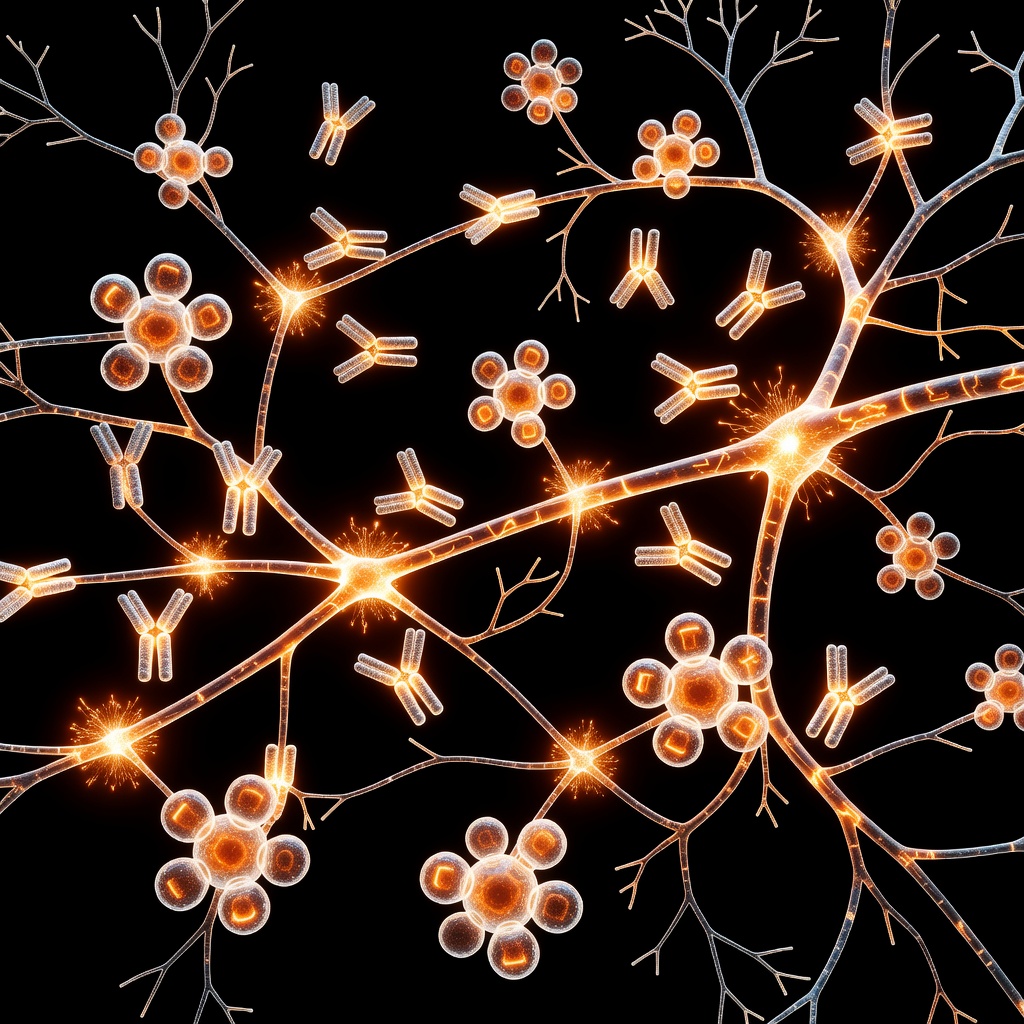
For decades, mainstream nutritional science has lauded the "plant-based" revolution, pushing high-oxalate "superfoods" like spinach, almonds, and rhubarb as the pinnacle of health. However, beneath the surface of this green agenda lies a biochemical warzone. At the microscopic level, a silent conflict is unfolding within our cell membranes—a struggle for entry that determines the very foundation of our metabolic health.
This is the Sulphate Transporter Conflict. It is the mechanism by which oxalic acid—a natural pesticide and metabolic toxin—hijacks the cellular doorways intended for inorganic sulphate. When oxalates win this battle, the body enters a state of systemic sulphate depletion, leading to a cascade of chronic health issues ranging from "leaky gut" and joint degradation to neurological dysfunction.
The Biological Mechanisms: Molecular Mimicry and Cellular Hijacking
To understand the conflict, we must first look at the SLC26 family of transport proteins. These are the "gatekeepers" located on the membranes of our cells, particularly in the gut, kidneys, and brain. Their primary job is to usher sulphate (SO4²⁻) into the cell. Sulphate is a divalent anion, meaning it carries two negative charges.
The problem arises because the oxalate ion (C2O4²⁻) is also a divalent anion with a remarkably similar molecular configuration and charge density.
The "Musical Chairs" of the Cell Membrane
When we consume high-oxalate foods, the concentration of oxalic acid in the bloodstream and interstitial fluid rises. These oxalate ions swarm the Sulphate Anion Transporters (SAT-1) and Down-Regulated in Adenoma (DRA) transporters. Because of their chemical similarity, oxalates effectively "trick" the transporter.
Key Fact: Oxalates possess a higher affinity for certain sulphate transporters than sulphate itself. This means that even in the presence of adequate sulphate, oxalates can "outcompete" the nutrient, physically blocking its entry into the cell.
This is not merely a passive blockage; it is an active displacement. As oxalates enter the cell, they often trigger a "shuttling" effect where sulphate is actually pushed out of the cell to balance the electrical charge. This leads to hypersulphaturia—a condition where you are literally urinating away your essential sulphate stores because your cells cannot hold onto them.
The Loss of the Mucin Barrier
The most immediate casualty of this conflict is the gut lining. The protective mucus layer of the gastrointestinal tract is composed of sulphated mucins. These proteins require a constant supply of sulphate to maintain their gel-like, protective consistency. When oxalates hijack the transporters in the gut epithelium, sulphate levels plummet. The mucin becomes "thin" and permeable, leading to what is commonly termed Leaky Gut Syndrome. This allows undigested food particles and lipopolysaccharides (LPS) into the bloodstream, triggering systemic inflammation.
Why Sulphate Matters: The Foundation of Detoxification
If oxalates are the invaders, sulphate is the infrastructure. Sulphate is the fourth most abundant anion in human plasma, yet it is arguably the most overlooked. It is essential for:
- Phase II Detoxification: The liver uses sulphate to neutralise toxins, heavy metals, and drugs (such as paracetamol). Without sulphate, these toxins remain fat-soluble and recirculate, damaging tissues.
- Connective Tissue Integrity: Sulphate is a key component of glycosaminoglycans (GAGs), such as chondroitin sulphate, which give structure to our joints, tendons, and skin.
- Neurotransmitter Regulation: Sulphate is required to deactivate and clear catecholamines (like adrenaline and dopamine). A sulphate deficiency often manifests as "brain fog," anxiety, or sensory processing issues.
- Hormone Activation: Many hormones, including DHEA and thyroid hormones, travel through the blood in a "sulphated" (inactive) form, waiting to be activated at the target tissue.
When oxalates dominate the transporters, every one of these systems begins to fail. We see the rise of fibromyalgia, chronic fatigue, and interstitial cystitis—all conditions linked to the breakdown of sulphated tissues.
The UK Context: A "Healthy" Nation in Decline
In the United Kingdom, the push for "5-a-day" and the popularity of "green smoothies" have created a perfect storm for oxalate toxicity. Traditionally, the British diet included seasonal vegetables, many of which were boiled (a process that reduces oxalate content). However, modern dietary habits have shifted toward raw, high-oxalate imports.
The Rhubarb and Spinach Paradox
Rhubarb is a British garden staple, famous for its extreme oxalate content. While traditional recipes often paired rhubarb with custard or cream—providing calcium to bind the oxalates in the gut—modern health trends often encourage consuming these high-oxalate plants in isolation or in concentrated juices.
Furthermore, the UK’s reliance on processed "gluten-free" products has led to a massive increase in almond flour consumption. Almonds are among the highest sources of oxalates. For a British public already struggling with low Vitamin D levels (which further complicates mineral absorption and sulphate transport), this dietary shift is catastrophic.
Key Fact: In the UK, chronic kidney stone incidence has risen sharply over the last two decades. While often blamed on "dehydration," the underlying cause is frequently the metabolic overload of oxalates and the subsequent failure of sulphate-dependent clearance mechanisms.
Environmental Factors: The Glyphosate Connection
The conflict at the sulphate transporter is not happening in a vacuum. Modern environmental factors have "primed" our bodies to lose this battle.
Glyphosate, the active ingredient in many herbicides used extensively in UK agriculture, is a known disruptor of the shikimate pathway in our gut bacteria. While humans don't have this pathway, our beneficial microbes do. Specifically, glyphosate decimates Oxalobacter formigenes, the specialised bacteria in our gut that evolves specifically to break down oxalates.
Without Oxalobacter, every milligram of oxalate you eat is absorbed directly into the bloodstream. Furthermore, glyphosate has been shown to interfere with Cytochrome P450 enzymes and the body's ability to transport sulphate. We are facing a "double whammy": an environment that increases oxalate absorption while simultaneously crippling our sulphate delivery systems.
Protective Strategies: Winning the Cellular War
Reversing the damage of the oxalate-sulphate conflict requires a multi-pronged approach. We cannot simply "detox" our way out of this; we must strategically rebuild our sulphate stores while reducing the oxalate burden.
1. Transdermal Sulphate: Bypassing the Conflict
If the gut transporters are compromised or "occupied" by oxalates, the most effective way to restore sulphate levels is through the skin. Epsom salt (Magnesium Sulphate) baths are not just for sore muscles; they are a vital medical intervention. By soaking in Epsom salts, sulphate ions bypass the SLC26 gut transporters and enter the bloodstream directly through the pores.
2. Calcium and Magnesium Binding
To prevent oxalates from reaching the transporters in the first place, they must be "bound" in the digestive tract. Consuming calcium-rich or magnesium-rich foods/supplements alongside meals ensures that oxalic acid binds to these minerals to form calcium oxalate crystals, which are too large to be absorbed and are instead excreted in the stool.
3. The Low-Oxalate Transition
The goal is to lower the "body burden." This involves swapping high-oxalate foods for low-oxalate alternatives:
- Swap Spinach for Kale (lacinato/dinosaur) or Romaine lettuce.
- Swap Almonds for Pumpkin seeds or Walnuts (in moderation).
- Swap Rhubarb/Beetroot for Berries or Apples.
Caution: "Oxalate Dumping" can occur if you reduce intake too quickly. The body, sensing a lower concentration in the blood, may suddenly release stored oxalates from the tissues, leading to temporary flare-ups of symptoms.
4. Supporting the Microbiome
While Oxalobacter is hard to replace, certain strains of Lactobacillus and Bifidobacterium have been shown to assist in oxalate degradation. Fermented foods (if tolerated) can help rebuild a resilient gut barrier.
Key Takeaways: Restoring the Balance
- The Conflict is Real: Oxalates and sulphate share the same cellular doorways. Because oxalates are aggressive mimics, they frequently lock sulphate out of the cell.
- Sulphate is Life: Without sulphate, your body cannot detoxify chemicals, maintain a healthy gut lining, or repair joints and connective tissue.
- The "Healthy" Trap: Many foods marketed as superfoods in the UK are actually "oxalate bombs" that cause metabolic disruption.
- The Solution is Strategic: Restoring balance requires reducing oxalate intake, binding oxalates in the gut with minerals, and replenishing sulphate stores—ideally through transdermal Epsom salt soaks.
The "Sulphate Transporter Conflict" explains why many people feel worse the "healthier" they eat. By understanding this biochemical sabotage, we can move away from dogmatic plant-based narratives and toward a strategy that prioritises cellular integrity and metabolic truth. It is time to reclaim our transporters and restore the sulphate foundation of our health.
This article is provided for informational and educational purposes only. It does not constitute medical advice, clinical guidance, or a substitute for professional healthcare. Information reflects cited research at time of publication. Always consult a qualified healthcare professional before acting on any health information.
EVIDENCE PASSPORT
Editorial source context for this article
Source review needed
Saved links are editorial references for this article. They may support specific claims rather than every sentence. Open and assess each source in context. This passport does not independently verify them.
Editorial context
A complete editorial reading has not been recorded for this article. Source links remain available for you to open and assess directly.
Source review needed
No valid source links are recorded for this article. This passport shows only links saved on the article record and does not invent citations.
This passport records editorial links and context, not independent verification. Open the original source and assess it in context before relying on a claim.
Medical Disclaimer
The information in this article is for educational purposes only and does not constitute medical advice, diagnosis, or treatment. Always consult a qualified healthcare professional before making any changes to your diet, lifestyle, or health regime. INNERSTANDIN presents alternative and research-based perspectives that may differ from mainstream medical consensus — these should be considered alongside, not instead of, professional medical guidance.
Read Full DisclaimerContinue the thread
Keep this question moving.
Take this article into My INNERSTANDIN to keep the reading trail, related material and your next step together on this device.