The Synergistic Effects of Methylmercury and Persistent Organic Pollutants on Cellular Redox Homeostasis
Discuss this resourceUpdated August 2026
An exploration of how the co-exposure to methylmercury and persistent organic pollutants disrupts the body's antioxidant defenses, leading to chronic oxidative stress and cellular dysfunction.
Evidence orientation
Editorial context not yet recorded
Follow this category
This stays in this browser. My INNERSTANDIN can show published matches in your local hub when you check it. It does not send email, push, or alert notifications.
Local learning review
A private browser aid for revisiting ideas. It is not an alert or a health recommendation.
Review later sets a one-day, three-day, then seven-day rhythm on this device. Choose it only when you want to revisit this article.
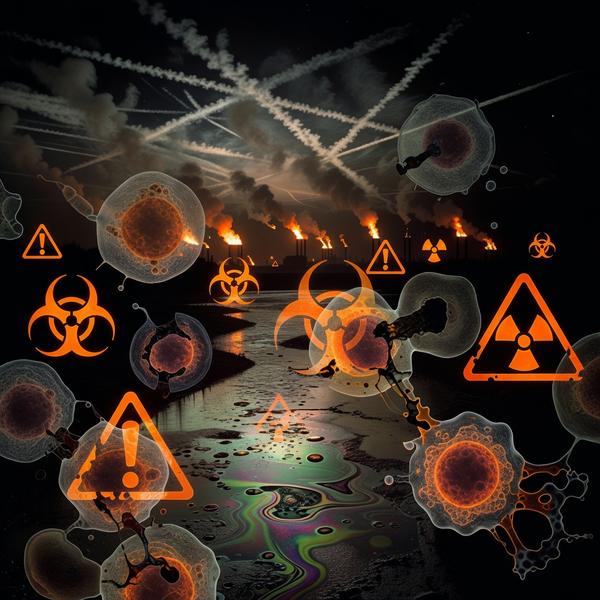
Introduction to Co-exposure Dynamics. In the modern environmental landscape, human populations are rarely exposed to single toxins in isolation. Within the context of mercury toxicity, the synergy between methylmercury (MeHg) and Persistent Organic Pollutants (POPs)—such as polychlorinated biphenyls (PCBs) and organochlorine pesticides—represents a significant public health concern. While MeHg is a potent neurotoxicant primarily sourced from dietary fish consumption, POPs are ubiquitous industrial legacy chemicals. When these agents converge within the cellular environment, they create a 'toxic cocktail' that disproportionately affects cellular redox homeostasis. ### The Mechanism of Oxidative Stress.
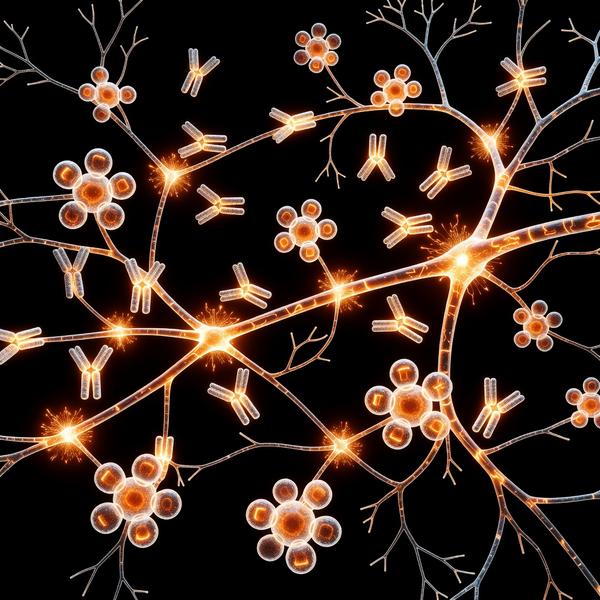
Cellular redox homeostasis is the delicate balance between reactive oxygen species (ROS) production and the antioxidant defense systems. Methylmercury exerts its primary toxicity by binding to sulfhydryl groups (-SH) on critical enzymes and proteins. Specifically, it depletes glutathione (GSH) and inhibits thioredoxin reductase, the central machinery that neutralizes ROS. Concurrently, POPs induce the expression of cytochrome P450 enzymes (CYP450), a metabolic process that inherently generates additional free radicals as byproducts. When both toxins are present, the depletion of antioxidant reserves by MeHg leaves the cell defenseless against the increased ROS flux induced by POPs.
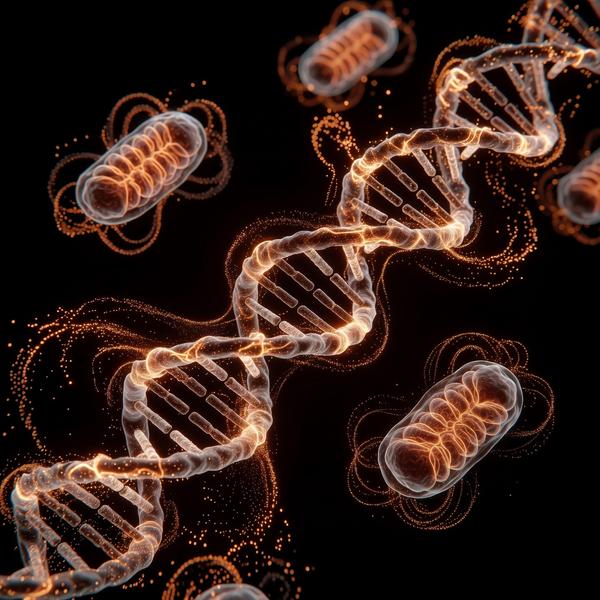
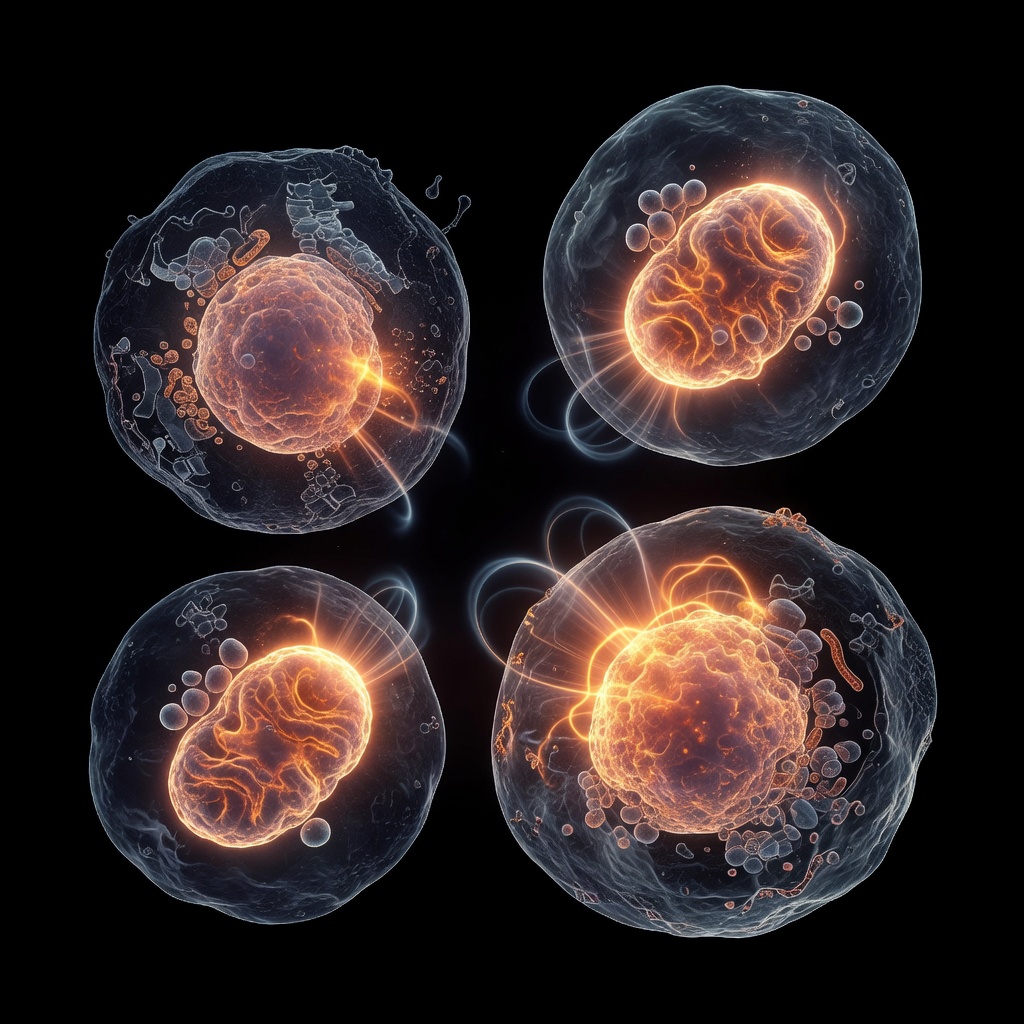
This creates a state of chronic oxidative stress where the cell can no longer neutralize free radicals, leading to lipid peroxidation and DNA damage. ### Mitochondrial Dysfunction. The mitochondria are the primary site of oxidative metabolism and also the primary casualty of this synergy. MeHg disrupts the electron transport chain, causing leakage of electrons which react with oxygen to form superoxide anions. POPs exacerbate this by altering the mitochondrial membrane potential. This dual-hit mechanism leads to a rapid collapse of mitochondrial integrity, triggering apoptotic pathways and accelerating cellular senescence.
This is particularly damaging to high-energy tissues like the brain and the heart, where metabolic demand is constant. ### Root Cause and Systemic Implications. From an Innerstanding perspective, addressing mercury toxicity requires looking beyond the immediate symptomatic presentation. The true root cause of cellular failure in this context is the exhaustion of the body's endogenous sulfur-containing antioxidant reserves. When detoxification pathways are overloaded by the chemical burden of POPs, the body’s ability to sequester and excrete mercury is significantly impaired. This creates a vicious cycle of accumulation and toxicity.
Clinically, this interaction manifests in neurodevelopmental delays, impaired metabolic function, and chronic inflammatory conditions. Mitigation strategies must focus on enhancing the glutathione system and reducing the systemic toxic burden through targeted nutritional and environmental interventions.
This article is provided for informational and educational purposes only. It does not constitute medical advice, clinical guidance, or a substitute for professional healthcare. Information reflects cited research at time of publication. Always consult a qualified healthcare professional before acting on any health information.
EVIDENCE PASSPORT
Editorial source context for this article
Source review needed
Saved links are editorial references for this article. They may support specific claims rather than every sentence. Open and assess each source in context. This passport does not independently verify them.
Editorial context
A complete editorial reading has not been recorded for this article, and no source links are saved on its record.
Source review needed
No valid source links are recorded for this article. Supplementary research, where available, is listed separately below.
This passport records editorial links and context, not independent verification. Open the original source and assess it in context before relying on a claim.
Medical Disclaimer
The information in this article is for educational purposes only and does not constitute medical advice, diagnosis, or treatment. Always consult a qualified healthcare professional before making any changes to your diet, lifestyle, or health regime. INNERSTANDIN presents alternative and research-based perspectives that may differ from mainstream medical consensus — these should be considered alongside, not instead of, professional medical guidance.
Read Full DisclaimerContinue the thread
Keep this question moving.
Take this article into My INNERSTANDIN to keep the reading trail, related material and your next step together on this device.
RABBIT HOLE
Follow the biological thread deeper