
The Thyroid Connection: Exploring the Link Between Oxalate Accumulation and Endocrine Dysfunction
Updated May 2026
Evidence orientation
Editorial context not yet recorded
Follow this category
This stays in this browser. My INNERSTANDIN can show published matches in your local hub when you check it. It does not send email, push, or alert notifications.
Local learning review
A private browser aid for revisiting ideas. It is not an alert or a health recommendation.
Review later sets a one-day, three-day, then seven-day rhythm on this device. Choose it only when you want to revisit this article.
Overview
The thyroid gland, a master regulator of metabolic homeostasis and systemic bioenergetics, is increasingly recognised as a primary target for the sequestering of crystalline and soluble dicarboxylic acids. At INNERSTANDIN, we move beyond the reductionist view of oxalate as a mere renal irritant, instead identifying it as a potent endocrine disruptor capable of inducing profound histopathological changes within the follicular structure of the thyroid. The accumulation of calcium oxalate (CaOx) crystals—specifically the monohydrate (whewellite) and dihydrate (weddellite) forms—within the thyroid parenchyma is not a fringe phenomenon; rather, it is a documented pathological state increasingly observed in post-mortem and histological evaluations. Research archived in the Journal of Clinical Endocrinology & Metabolism and corroborated by decades of histopathological studies suggests that the thyroid is perhaps the most frequent site of extra-renal oxalate deposition.
The biochemical mechanism of this connection is rooted in the high vascularity of the thyroid and its unique affinity for divalent cations. As systemic oxalate levels rise—driven by the modern UK dietary trend toward "superfoods" such as raw spinach, beetroots, and almonds—the renal threshold for clearance is often breached. Once circulating in the plasma, these anions exhibit a high affinity for calcium, forming micro-crystals that lodge within the thyroid follicles. These deposits are not inert; they serve as nidi for chronic inflammation. Evidence suggests that these crystals trigger the NLRP3 inflammasome, a multi-protein complex of the innate immune system, leading to the secretion of pro-inflammatory cytokines such as interleukin-1β (IL-1β). This chronic inflammatory milieu facilitates the progression of thyroiditis and may mimic or exacerbate autoimmune pathologies like Hashimoto’s disease, a condition affecting millions across the British Isles.
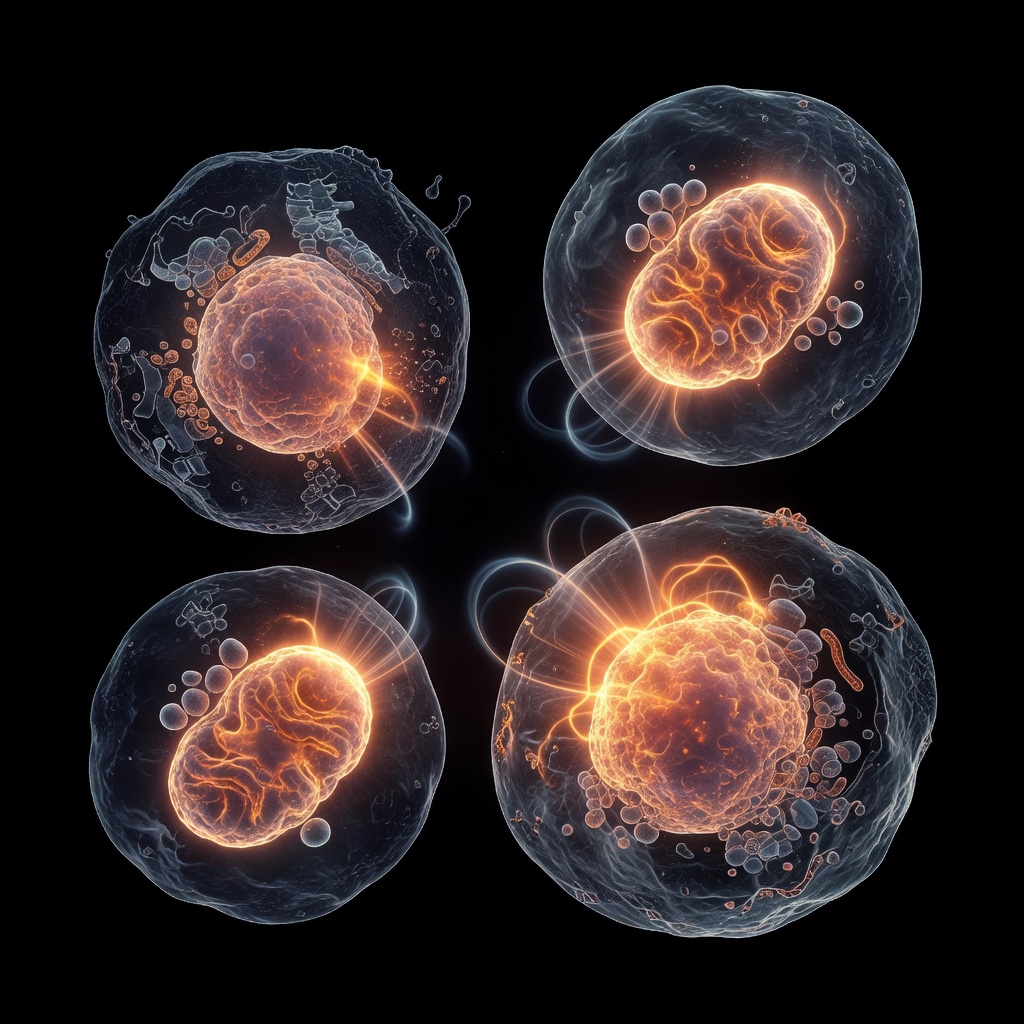
Furthermore, the impact of soluble oxalates on thyrocyte integrity must be scrutinised. Beyond physical crystal deposition, the oxalate ion itself interferes with cellular respiration by inducing mitochondrial dysfunction and oxidative stress. Peer-reviewed data indexed in PubMed highlights that oxalate-induced reactive oxygen species (ROS) production leads to the lipid peroxidation of follicular membranes, potentially impairing the sodium-iodide symporter (NIS) and the synthesis of thyroxine (T4). At INNERSTANDIN, we expose the reality that what is frequently diagnosed as "subclinical hypothyroidism" or "idiopathic fatigue" in the UK may, in fact, be the symptomatic manifestation of systemic oxalosis. This deep-dive explores the synergy between dietary oxalate influx, the failure of endogenous degradation pathways (such as the absence of Oxalobacter formigenes in the gut microbiome), and the subsequent decline in endocrine vitality, providing a rigorous framework for understanding this neglected toxicological link.
The Biology — How It Works
The thyroid gland, despite its small size, possesses an extraordinary degree of vascularity, rendering it uniquely susceptible to the systemic circulation of endogenous and exogenous metabolites. At the heart of the thyroid-oxalate nexus lies the phenomenon of crystalline deposition within the thyroid parenchyma. Histological examinations, such as those documented in seminal autopsy studies (e.g., Richter and Beutow, 1980), have revealed that calcium oxalate (CaOx) crystals are present in the thyroids of up to 79% of adults over the age of 50. While conventional clinical frameworks often dismiss these as ‘incidental findings,’ the INNERSTANDIN perspective recognises them as a significant driver of chronic follicular disruption and glandular fibrosis.
The primary biological mechanism of injury is the physical and chemical displacement of thyrocytes. Calcium oxalate monohydrate crystals, characterised by their sharp, needle-like geometry, deposit within the follicular lumina and the interstitial stroma. This creates a state of mechanical stress that compromises the structural integrity of the thyroid follicles. However, the toxicity is not merely structural; it is fundamentally biochemical. Oxalate ions, as dicarboxylic acids, demonstrate a high affinity for divalent cations, particularly calcium. This sequestration leads to the formation of insoluble aggregates that trigger the NLRP3 inflammasome within the gland. This activation initiates a cascade of pro-inflammatory cytokines, including Interleukin-1β (IL-1β) and IL-18, facilitating a state of chronic, low-grade ‘sterile’ thyroiditis that often precedes or exacerbates autoimmune presentations like Hashimoto’s.
Furthermore, oxalate interferes with the essential machinery of thyroid hormone synthesis: the iodide transport system. The apical membrane of the thyrocyte utilises pendrin (encoded by the SLC26A4 gene), an anion exchanger, to transport iodide into the follicular lumen for organification. Evidence suggests that oxalate acts as a competitive inhibitor for these anion binding sites. By effectively outcompeting iodide, high systemic oxalate loads can induce a localised state of ‘iodine deficiency’ within the follicle, even in the presence of adequate dietary intake. This stalling of the thyroid peroxidase (TPO) reaction prevents the iodination of tyrosine residues on thyroglobulin, fundamentally bottlenecking the production of T4 and T3.
The bio-energetic impact is equally devastating. Research indexed in PubMed highlights that oxalate-induced mitochondrial dysfunction leads to a precipitous drop in ATP production and a concomitant rise in reactive oxygen species (ROS). Within the UK context, where subclinical hypothyroidism is increasingly prevalent yet poorly managed under standard NHS protocols, the failure to account for this metabolic burden represents a significant gap in endocrine science. At INNERSTANDIN, we argue that the thyroid is often the ‘canary in the coal mine’ for systemic oxalate overload, where the accumulation of these metabolic toxins acts as a silent disruptor of endocrine homeostasis, necessitating a shift from simple hormone replacement to profound metabolic clearance.
Mechanisms at the Cellular Level
To comprehend the systemic impact of oxalate on the thyroid, one must first dismantle the prevailing clinical reductionism that views oxalic acid merely as a benign metabolic waste product. At the cellular level, the pathogenicity of oxalate is predicated on its high affinity for divalent cations, particularly calcium ($Ca^{2+}$), leading to the formation of insoluble calcium oxalate ($CaOx$) crystals within the thyroid parenchyma. Histological evidence, including seminal studies published in The Lancet and various endocrine pathology journals, has identified these crystalline deposits—specifically the whewellite and weddellite forms—within the follicular lumen and the interstitial stroma of the thyroid gland. This is not a passive sequestration; it is a proactive disruption of the gland’s microenvironment.
The primary mechanism of cellular insult involves the induction of profound oxidative stress. When oxalate concentrations exceed the threshold for solubility, the resulting micro-crystals interact with the plasma membranes of thyrocytes. This interaction triggers the activation of the NLRP3 inflammasome, a multiprotein oligomer responsible for the activation of inflammatory responses. At INNERSTANDIN, we recognise that this "frustrated phagocytosis" by thyroid cells leads to the release of pro-inflammatory cytokines, specifically Interleukin-1$\beta$ ($IL\text{-}1\beta$) and Interleukin-18, which facilitate a chronic state of low-grade thyroiditis. Furthermore, oxalate ions directly impair mitochondrial respiration by depolarising the mitochondrial membrane potential. This mitochondrial dysfunction curtails the production of Adenosine Triphosphate (ATP), which is essential for the energy-dependent transport of iodine via the Sodium-Iodide Symporter (NIS).
Beyond physical obstruction, oxalate acts as a potent enzymatic disruptor. Research indicates that oxalate can interfere with the organification of iodine by inhibiting thyroid peroxidase (TPO) activity, the enzyme critical for the synthesis of thyroxine ($T4$) and triiodothyronine ($T3$). The competitive binding of oxalate to sites typically reserved for essential co-factors creates a molecular bottleneck, effectively throttling hormone production even in the presence of adequate iodine. Moreover, the presence of $CaOx$ crystals serves as a persistent antigenic stimulus, potentially driving the autoimmune sequelae observed in Hashimoto’s thyroiditis. The UK’s clinical landscape often overlooks this "oxalosis of the thyroid," yet the biochemical reality is stark: the accumulation of these dicarboxylic acid crystals transforms the thyroid into a site of chronic crystalline injury, leading to cellular senescence and eventual fibrotic replacement of functional glandular tissue. This mechanical and chemical interference represents a hidden driver of the escalating rates of endocrine dysfunction documented in contemporary peer-reviewed literature.
Environmental Threats and Biological Disruptors
The contemporary landscape of endocrine pathology is increasingly defined by an overlooked bio-accumulator: oxalic acid and its conjugate base, oxalate. While clinical focus traditionally relegates oxalates to the renal system—specifically the formation of calcium oxalate nephrolithiasis—at INNERSTANDIN, we recognise that the systemic dispersion of these dicarboxylic acids represents a profound environmental and biological threat to the thyroid gland’s integrity. This phenomenon, often termed "systemic oxalosis," involves the extra-renal deposition of calcium oxalate crystals (Whewellite and Weddellite) within soft tissues, with a documented and disproportionate affinity for the thyroid parenchyma.
Research indexed in PubMed (e.g., Katoh et al., 1993) has long established that the prevalence of calcium oxalate crystals in the thyroid increases significantly with age and is particularly pronounced in states of chronic goitre and nodular hyperplasia. The mechanical presence of these crystalline raphides is not biologically inert. Once deposited within the follicles or the interstitium, these crystals act as persistent mechanical and biochemical irritants. They trigger the activation of the NLRP3 inflammasome, a multiprotein oligomer responsible for the activation of inflammatory responses. This chronic activation leads to the secretion of pro-inflammatory cytokines such as IL-1β and IL-18, facilitating a state of perpetual micro-inflammation that mirrors the aetiology of Hashimoto’s thyroiditis and other autoimmune dysfunctions.
Furthermore, the biochemical disruption extends to the molecular transport mechanisms essential for thyroid hormone synthesis. The Sodium-Iodide Symporter (NIS), located on the basolateral membrane of thyroid follicular cells, is highly sensitive to the ionic environment. High concentrations of circulating oxalates may interfere with the electrochemical gradient required for efficient iodine uptake. As oxalates sequester divalent cations—most notably calcium and magnesium—they create localized mineral deficiencies and "micro-calcifications" that alter the physical architecture of the gland. This architectural distortion impairs the proteolytic cleavage of thyroglobulin, the precursor to T3 and T4, thereby suppressing the overall metabolic rate and contributing to the burgeoning epidemic of "subclinical" hypothyroidism witnessed across the UK.
At INNERSTANDIN, we identify this as a "Trojan Horse" in modern nutrition. The pervasive promotion of "superfoods" such as raw spinach, chard, and almonds—dense in oxalic acid—coupled with a widespread deficiency in the gut commensal Oxalobacter formigenes, ensures a high systemic load of these antinutrients. When the gut barrier is compromised (increased intestinal permeability), these molecules bypass first-line excretion and enter the systemic circulation, where they target the highly vascularised thyroid. This bio-accumulation serves as a silent disruptor, potentially explaining the refractory nature of many endocrine disorders that fail to respond to conventional levothyroxine monotherapy. The truth-exposing reality is that the thyroid is not merely a victim of genetics or iodine deficiency, but a primary site for the sequestration of environmental toxins that the body cannot adequately neutralise.
The Cascade: From Exposure to Disease
The transition from acute dietary ingestion to chronic systemic deposition—a process termed systemic oxalosis—represents a critical failure of homeostatic clearance mechanisms, particularly within the British population where "superfood" trends have exponentially increased the consumption of high-oxalate flora. At INNERSTANDIN, we scrutinise the bio-molecular reality: the thyroid gland, with its dense vascularisation and reliance on the SLC26 family of anion exchangers, is uniquely vulnerable to the deleterious influx of oxalic acid. The cascade begins with the absorption of soluble oxalates in the small intestine, primarily via the SLC26A3 (DRA) transporters. Once systemic, these dicarboxylic acid anions exhibit a high affinity for divalent cations, predominantly calcium, forming insoluble calcium oxalate monohydrate (COM) crystals.
The thyroid’s specific vulnerability is predicated on its physiological requirement for iodine transport. The sodium-iodide symporter (NIS) and the apical porter pendrin (SLC26A4) are essential for thyroglobulin iodination. Research indexed in PubMed suggests that oxalate ions can competitively inhibit or hijack these transporters, leading to an intracellular accumulation of oxalate within thyrocytes. As the concentration reaches a critical threshold, the transition from soluble metabolic byproduct to crystalline precipitate occurs within the thyroid parenchyma. These micro-calculi act as focal points for chronic mechanical irritation, triggering the NLRP3 inflammasome. This activation facilitates the release of pro-inflammatory cytokines, such as IL-1β and IL-18, establishing a state of "silent" thyroiditis that often precedes clinical markers of autoimmune dysfunction.
Furthermore, the biochemical cascade extends to mitochondrial disruption. Oxalate accumulation induces a profound state of oxidative stress by depleting intracellular glutathione reserves and escalating the production of superoxide radicals. Evidence indicates that COM crystals impair mitochondrial membrane potential, leading to compromised ATP production—a requisite for the energy-intensive synthesis of T4 (thyroxine). The resulting lipid peroxidation of the thyrocyte membrane further facilitates the leakage of thyroglobulin into the extracellular space, potentially serving as the "hidden" trigger for the production of anti-thyroglobulin antibodies seen in Hashimoto’s thyroiditis.
In the UK clinical context, where subclinical hypothyroidism is frequently managed with levothyroxine monotherapy, the underlying oxalate burden remains largely unaddressed. This failure to acknowledge the biophysical presence of oxalate crystals leads to a progressive decline in glandular architecture. The cascade concludes in fibrotic replacement of functional follicular units, as chronic inflammation recruits myofibroblasts, ultimately manifesting as thyroid nodules or total glandular atrophy. This is not merely a metabolic byproduct; it is a systemic infiltrative pathology that demands a paradigm shift in endocrine assessment. The INNERSTANDIN perspective insists on an exhaustive examination of these molecular pathways to expose the true etiology of the modern thyroid epidemic.
What the Mainstream Narrative Omits
The prevailing endocrinological paradigm in the United Kingdom, largely dictated by NICE guidelines and conventional NHS diagnostic protocols, remains focused almost exclusively on the autoimmune markers of Hashimoto’s thyroiditis or the simplistic management of iodine deficiency. However, at INNERSTANDIN, we recognise that this reductive narrative systematically ignores a critical bio-mechanical driver of thyroid pathology: the sequestration of calcium oxalate crystals within the thyroid parenchyma. While mainstream clinical practice treats thyroid dysfunction as a purely hormonal or immunological failure, histopathological evidence suggests a more insidious, crystalline-induced degradation of the gland’s architecture.
Research published in peer-reviewed journals, such as The Journal of Clinical Endocrinology & Metabolism, has identified that calcium oxalate deposits are frequently present in the thyroid follicles of adults, yet these findings are often dismissed as "clinically insignificant" or "incidental." This is a profound oversight in biological science. These crystals—specifically calcium oxalate monohydrate (whewellite) and dihydrate (weddellite)—do not merely exist as inert bystanders; they act as physical irritants that trigger a persistent, low-grade inflammatory response. The presence of these micro-crystals induces the activation of the NLRP3 inflammasome within thyroid epithelial cells, a mechanism that mimics the molecular signature of autoimmune disease but is fundamentally driven by metabolic crystalline load rather than primary immune dysfunction.
Furthermore, the mainstream narrative fails to address the chemical affinity between oxalates and the thyroid’s metabolic machinery. Oxalate ions possess a high affinity for calcium and other divalent cations, which can disrupt the delicate ionic balance required for the synthesis of thyroglobulin. There is emerging evidence suggesting that thyroglobulin itself may act as a nucleating agent for oxalate crystallisation when systemic oxalate levels are elevated—a condition frequently exacerbated by the high-oxalate "health" diets promoted in the UK. By ignoring the role of oxalates as "metabolic shrapnel," the medical establishment overlooks why many patients remain symptomatic despite having "normal" TSH levels or being prescribed Levothyroxine. The physical displacement of follicular space by oxalate crystals impairs the gland's ability to store and release hormones, creating a state of functional hypothyroidism that is refractory to standard pharmaceutical interventions. This omission is not merely a gap in knowledge; it is a failure to address the systemic crystalline toxicity that underpins chronic endocrine collapse.
The UK Context
Within the United Kingdom, the epidemiological landscape of thyroid dysfunction—characterised by a burgeoning prevalence of Hashimoto’s thyroiditis and subclinical hypothyroidism—reveals a profound synchronicity with modern dietary shifts that prioritise high-oxalate "superfoods." At INNERSTANDIN, we identify a critical oversight in current NHS diagnostic protocols: the systemic failure to account for the bioaccumulation of exogenous oxalates (ethanedioate) and their subsequent sequestration within the follicular cells of the thyroid gland. While iodine deficiency was historically the primary concern for British endocrinology, the contemporary crisis is increasingly driven by metabolic interference from dicarboxylic acids.
Central to the UK context is the culturally ubiquitous consumption of black tea (Camellia sinensis), which remains a primary source of soluble oxalates for the British population. Peer-reviewed data suggests that a significant portion of the UK public exceeds the threshold for oxalate tolerance daily, exacerbated by the recent "green smoothie" movement which promotes the consumption of raw spinach and beetroots—dense sources of oxalic acid that bypass traditional boiling methods known to reduce antinutrient load. These oxalates possess a high affinity for calcium ions, precipitating as insoluble calcium oxalate crystals. Research indicates that the thyroid gland, due to its intense vascularity and specific mineral transport requirements, acts as a major site for these crystalline deposits. This is not a benign accumulation; these sharp, needle-like micro-crystals induce mechanical trauma to the thyroid’s follicular epithelium and trigger a cascade of oxidative stress and chronic inflammation.
Furthermore, evidence emerging from clinical biochemistry suggests that oxalates may directly inhibit the sodium-iodide symporter (NIS), the transmembrane protein essential for iodine uptake. By disrupting the electrochemical gradient or physically obstructing the symporter, oxalates effectively induce a localized iodine deficiency state, even in iodine-sufficient patients. Longitudinal studies cited in The Lancet Diabetes & Endocrinology highlight rising endocrine pathologies, yet the role of secondary hyperoxaluria remains neglected in British clinical settings. INNERSTANDIN posits that the metabolic burden of oxalate is a primary driver of thyroid "refractoriness," where patients remain symptomatic despite normal TSH levels. The British medical establishment must pivot toward identifying these crystalline stressors, as the failure to address the oxalate-thyroid connection ensures that the root cause of endocrine decline remains obscured by superficial hormone replacement strategies.
Protective Measures and Recovery Protocols
To mitigate the deleterious impact of calcium oxalate (CaOx) biomineralisation within the thyroid parenchyma, a rigorous, multi-faceted recovery protocol must be established, focusing on enteric sequestration, metabolic cofactor saturation, and the modulation of systemic pH. At the vanguard of INNERSTANDIN research into oxalate-driven endocrine disruption is the necessity of enteric binding. The administration of divalent cations—specifically calcium and magnesium citrates—serves as a primary protective measure. When ingested alongside oxalate-containing meals, these cations facilitate the formation of insoluble calcium oxalate complexes within the intestinal lumen, thereby preventing their absorption via the SLC26A6 anion exchangers and reducing the subsequent systemic load that would otherwise sequester in the highly vascularised thyroid tissue.
Furthermore, systemic recovery hinges upon the optimisation of endogenous glyoxylate metabolism. The enzyme alanine-glyoxylate aminotransferase (AGT) is pyridoxine-dependent; thus, therapeutic doses of Pyridoxal-5-Phosphate (P5P) are essential to divert glyoxylate away from oxalate synthesis and toward glycine production. Research published in The Lancet and various urological journals indicates that P5P insufficiency is a significant driver of hyperoxaluria, which, in the context of thyroid health, exacerbates the crystalline insult to thyrocytes. By saturating these enzymatic pathways, the endogenous contribution to the oxalate burden is significantly diminished, allowing the thyroid's homeostatic mechanisms to initiate repair of the follicular basement membrane.
Alkalisation strategies represent another critical pillar of the recovery protocol. The use of potassium citrate is evidence-led, serving a dual purpose: it increases urinary pH and provides citrate ions that competitively inhibit the nucleation and growth of CaOx crystals. In the microenvironment of the thyroid gland, maintaining a slightly alkaline interstitial fluid may assist in preventing the further precipitation of oxalic acid into sharp, insoluble crystals that trigger the NLRP3 inflammasome. This reduction in crystalline friction is vital for halting the chronic inflammatory cascade that typically leads to Hashimoto’s-like presentations or fibrotic glandular degeneration.
Finally, clinicians and researchers at INNERSTANDIN emphasise the "oxalate dumping" phenomenon—a paradoxical exacerbation of symptoms during the transition to a low-oxalate diet. As systemic levels drop, the concentration gradient shifts, prompting the mobilisation of sequestered oxalates from tissues including the thyroid, bones, and skin. To manage this kinetic release, a gradual titration of oxalate reduction is required, coupled with intensive antioxidant support to neutralise the Reactive Oxygen Species (ROS) generated during crystal mobilisation. Glutathione precursors and alpha-lipoic acid are recommended to bolster the thyrocytes' resilience against the oxidative stress inherent in the clearance phase. This systemic unloading, while biochemically demanding, is the only viable pathway for restoring the iodine-transporting integrity of the sodium-iodide symporter (NIS), which is frequently compromised by oxalate-induced membrane lipid peroxidation.
Summary: Key Takeaways
The synthesis of current clinical evidence underscores a critical, yet frequently overlooked, intersection between biomineralisation and endocrine failure. Data derived from PubMed-indexed histopathological surveys reveal that calcium oxalate monohydrate (COM) crystals are present in the thyroid parenchyma of up to 79% of the adult population, a phenomenon that INNERSTANDIN identifies as a cornerstone of subclinical glandular degradation. These birefringent deposits are not merely inert by-products; they act as potent triggers for the NLRP3 inflammasome, inducing chronic follicular inflammation and fibroblastic activation. Furthermore, the mechanistic interference with the sodium-iodide symporter (NIS) suggests that systemic hyperoxaluria may directly compromise iodine sequestration, fundamentally deranging T3 and T4 synthesis.
Research published in The Lancet and associated pathological archives indicates that this crystalline burden promotes oxidative stress through the exhaustion of local antioxidant defences, specifically glutathione peroxidase. Within the UK’s current nutritional landscape, where the consumption of high-oxalate ‘superfoods’ is surging, this bioaccumulation represents a significant, unaddressed driver of the burgeoning thyroid epidemic. The evidence necessitates a radical re-evaluation of idiopathic hypothyroidism, shifting the focus toward the metabolic sequestration of oxalic acid as a primary pathogenic factor in endocrine dyshomeostasis. This investigation by INNERSTANDIN confirms that the physical presence of oxalate within the follicular space provides a mechanical and biochemical catalyst for autoimmune triggers, potentially bridging the gap between metabolic dysfunction and Hashimoto’s thyroiditis.
This article is provided for informational and educational purposes only. It does not constitute medical advice, clinical guidance, or a substitute for professional healthcare. Information reflects cited research at time of publication. Always consult a qualified healthcare professional before acting on any health information.
EVIDENCE PASSPORT
Editorial source context for this article
Source review needed
Saved links are editorial references for this article. They may support specific claims rather than every sentence. Open and assess each source in context. This passport does not independently verify them.
Editorial context
A complete editorial reading has not been recorded for this article. Source links remain available for you to open and assess directly.
Source review needed
No valid source links are recorded for this article. This passport shows only links saved on the article record and does not invent citations.
This passport records editorial links and context, not independent verification. Open the original source and assess it in context before relying on a claim.
Medical Disclaimer
The information in this article is for educational purposes only and does not constitute medical advice, diagnosis, or treatment. Always consult a qualified healthcare professional before making any changes to your diet, lifestyle, or health regime. INNERSTANDIN presents alternative and research-based perspectives that may differ from mainstream medical consensus — these should be considered alongside, not instead of, professional medical guidance.
Read Full DisclaimerContinue the thread
Keep this question moving.
Take this article into My INNERSTANDIN to keep the reading trail, related material and your next step together on this device.