
The TOFI Phenotype: The Biological Risk of Normal-Weight Metabolic Obesity
Updated April 2026
Evidence orientation
Editorial context not yet recorded
Follow this category
This stays in this browser. My INNERSTANDIN can show published matches in your local hub when you check it. It does not send email, push, or alert notifications.
Local learning review
A private browser aid for revisiting ideas. It is not an alert or a health recommendation.
Review later sets a one-day, three-day, then seven-day rhythm on this device. Choose it only when you want to revisit this article.
In the modern landscape of public health, we have been conditioned to believe a dangerous fallacy: that a slender physique is an ironclad insurance policy against metabolic disease. We look at the Body Mass Index (BMI) scale and assume that if the needle falls within the "green zone," the internal machinery of the body is functioning optimally.
This is a lethal misunderstanding.
The TOFI phenotype—Thin Outside, Fat Inside—represents one of the most significant, yet overlooked, health crises of the 21st century. Technically termed Metabolically Obese Normal Weight (MONW), this condition describes individuals who appear lean to the naked eye but harbour dangerous levels of internal fat, specifically around their vital organs. In this exposé, we peel back the layers of the BMI myth to reveal why your waistline measurement is a more honest indicator of your longevity than the numbers on your bathroom scales.
The Illusion of Lean: Understanding the TOFI Phenotype
The term TOFI was coined by Professor Jimmy Bell at Imperial College London, whose MRI research revealed a startling reality: thousands of individuals with a "healthy" BMI were actually carrying massive reservoirs of internal fat. While they looked fit in clothes, their internal landscapes resembled those of the morbidly obese.
Unlike subcutaneous fat—the soft, pinchable layer just beneath the skin—visceral fat (VAT) is stored deep within the abdominal cavity. It wraps itself around the liver, pancreas, heart, and intestines. This is not passive energy storage; it is an active, pro-inflammatory endocrine organ that relentlessly pumps out cytokines and metabolic toxins.
Key Fact: Research indicates that up to 40% of people with a normal BMI harbour the same metabolic abnormalities as those with clinical obesity, including insulin resistance, fatty liver, and systemic inflammation.
The Biological Mechanisms: How You Become "Fat Inside"
To understand the TOFI state, we must look at the Personal Fat Threshold. Every human being has a genetically determined capacity to store fat safely in subcutaneous compartments. Once these "suitcases" are full, or if the body’s ability to create new fat cells (adipogenesis) is impaired, the body has no choice but to dump excess energy elsewhere.
1. Ectopic Fat Deposition
When subcutaneous storage fails, fat begins to accumulate in places it was never meant to be. This is ectopic fat. When fat enters the liver, it triggers Non-Alcoholic Fatty Liver Disease (NAFLD). When it infiltrates the pancreas, it destroys the beta cells responsible for insulin production. This internal "clogging" of the machinery is the primary driver of the TOFI phenotype.
2. The Insulin Resistance Spiral
The presence of visceral fat triggers a state of chronic, low-grade inflammation. This inflammation interferes with insulin signalling. Even though a TOFI individual may consume a relatively low-calorie diet, if that diet is high in refined carbohydrates or seed oils, their insulin levels remain chronically elevated. High insulin inhibits lipolysis (fat burning), essentially locking the internal fat into place and preventing the body from accessing its own energy stores.
3. Lipotoxicity and Oxidative Stress
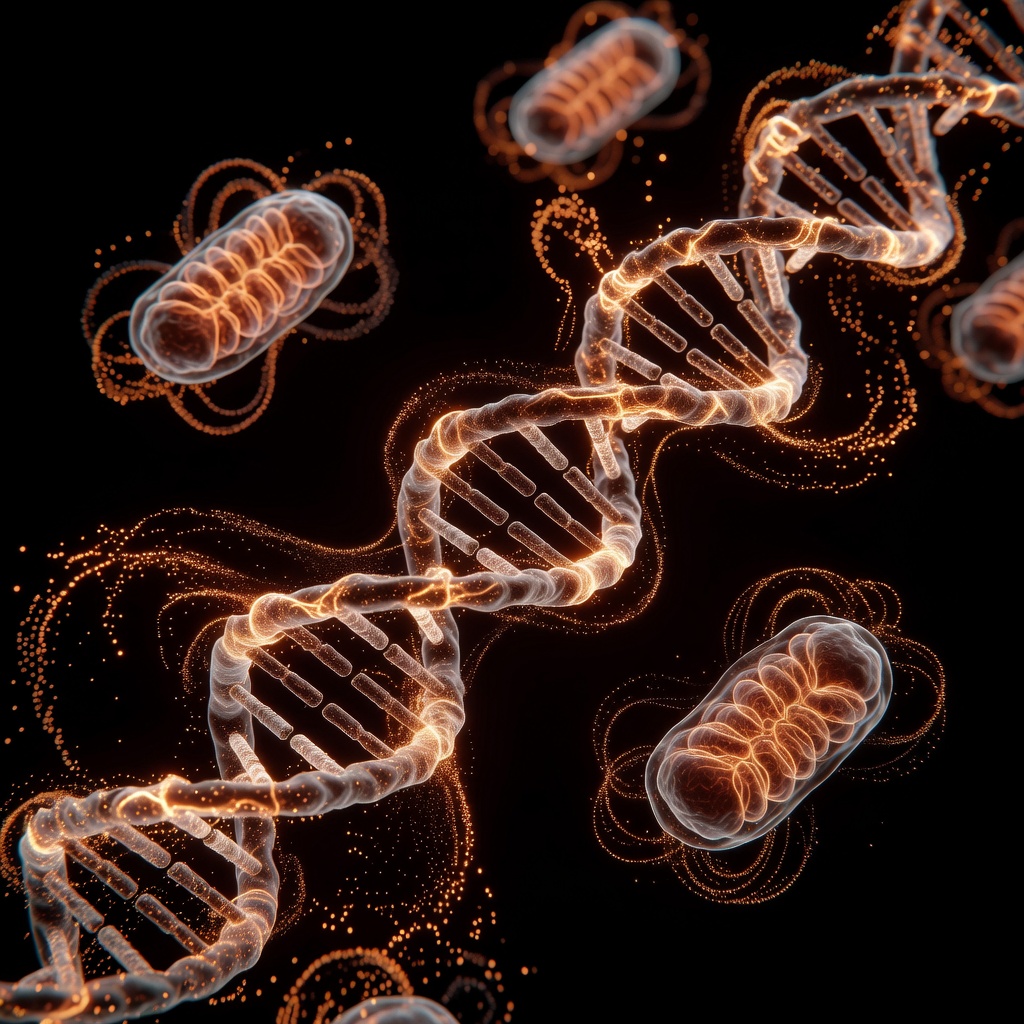
Visceral fat cells are larger and more prone to "leaking." They release free fatty acids directly into the portal vein, heading straight to the liver. This process, known as lipotoxicity, creates massive oxidative stress, damaging cellular mitochondria and accelerating the ageing process from the inside out.
The UK Context: A Silent Epidemic in Great Britain
In the United Kingdom, the reliance on BMI as the primary metric for health in the NHS has created a massive diagnostic gap. Current statistics suggest that the UK has some of the highest rates of obesity in Europe, but these figures likely vastly undercount the true metabolic burden on the population because they ignore the TOFI demographic.
British lifestyle patterns—characterised by high "pudding" culture, a reliance on Ultra-Processed Foods (UPFs), and a traditionally sedentary office-based workforce—are the perfect breeding ground for internal obesity.
- The NHS Trap: A patient may visit their GP with high blood pressure or fatigue. If their BMI is 23, they are often told they are "fine" and sent home with a prescription for statins or anti-hypertensives, rather than being screened for insulin resistance or fatty liver.
- The "Skinny Fat" Stigma: Because TOFI individuals do not "look" the part of a metabolic patient, they often delay seeking help until a major cardiovascular event or a Type 2 Diabetes diagnosis occurs. In the UK, a significant percentage of newly diagnosed Type 2 Diabetics are of normal weight.
Environmental Factors: Why Is This Happening?
The TOFI phenotype is not an accident of nature; it is a biological response to an evolutionary mismatch. Our environment is weaponised against our metabolic health.
The Rise of Ultra-Processed Foods (UPFs)
Modern diets in the UK are dominated by foods that are engineered to bypass satiety signals. High levels of fructose (often found in "healthy" juices and processed snacks) are particularly egregious. Fructose can only be metabolised by the liver; when consumed in excess, the liver converts it directly into fat—contributing specifically to visceral adiposity without necessarily increasing overall body weight significantly.
Sedentary Behaviour and "Sarcopenia"
The TOFI state is often a combination of excess internal fat and low muscle mass (sarcopenia). Muscle is the body's primary "glucose sink." Without adequate muscle tissue to soak up blood sugar, even a small meal can cause a glucose spike that requires a massive insulin response, further driving fat storage in the viscera.
Chronic Stress and Cortisol
Living in a high-stress, "always-on" society keeps the body in a state of sympathetic dominance. High cortisol levels are a known driver of visceral fat accumulation. Cortisol signals the body to move fat from the limbs and deposit it in the abdomen to protect vital organs during a perceived crisis.
Truth-Exposing Insight: You cannot exercise your way out of a TOFI state if your cortisol levels are sky-high and your diet is inflammatory. Chronic cardio (long-distance running) can actually worsen the TOFI phenotype in some individuals by further elevating cortisol and breaking down lean muscle.
Diagnostic Red Flags: How to Know if You Are TOFI
Because the mirror lies, we must look to the blood and the tape measure. If you are of normal weight but satisfy two or more of the following, you may be metabolically obese:
- Waist-to-Height Ratio: Your waist circumference should be less than half your height. If your waist is creeping up while your weight stays the same, you are accumulating visceral fat.
- Triglyceride-to-HDL Ratio: In your blood work, high triglycerides and low HDL (the "good" cholesterol) are a classic hallmark of insulin resistance.
- HbA1c and Fasting Insulin: Most doctors only check fasting glucose, which stays "normal" until the very end stages of disease. Fasting insulin is the "canary in the coal mine." If it is high, you are on the TOFI spectrum.
- Skin Tags and Acanthosis Nigricans: Darkened patches of skin or small skin tags around the neck and armpits are external signs of internal insulin dysfunction.
Protective Strategies: Reversing the TOFI State
The good news is that visceral fat is metabolically active, meaning it is often the first fat to be mobilised when you implement the correct interventions. Reversing the TOFI phenotype requires a shift from "weight loss" to "metabolic repair."
1. Prioritise Resistance Training
Muscle is your metabolic currency. By building lean muscle through strength training (lifting weights, calisthenics), you increase your body’s ability to handle glucose. Muscle acts as an endocrine organ that secretes myokines, which help reduce systemic inflammation.
2. Eliminate Ultra-Processed Foods and Liquid Sugars
To clear the liver and pancreas, you must stop the influx of fructose and refined seed oils (vegetable oils). Focus on a "Whole Foods" approach:
- High-quality proteins (grass-fed beef, eggs, wild fish) to support muscle.
- Fibrous vegetables to support the gut microbiome.
- Healthy fats (olive oil, avocado, butter) that do not spike insulin.
3. Implement Intermittent Fasting
Fasting is the fastest way to lower baseline insulin levels. When insulin is low, the body is finally permitted to access and "burn off" the visceral fat stores around the organs. A simple 16:8 protocol (sixteen hours of fasting, eight hours of eating) can be transformative for the TOFI individual.
4. Optimise Sleep and Stress Management
Sleep deprivation is a metabolic disaster. Poor sleep (less than 7 hours) reduces insulin sensitivity by up to 30% the following day. Prioritise a dark, cool sleeping environment and engage in "down-regulating" activities like forest bathing or meditation to lower cortisol.
Key Takeaways
- BMI is an obsolete metric: It cannot distinguish between health-sustaining muscle and life-threatening visceral fat.
- TOFI is a metabolic emergency: Being "thin on the outside" does not protect you from Type 2 Diabetes, heart disease, or dementia if you are "fat on the inside."
- The liver is the gatekeeper: Internal obesity usually begins with a fatty liver caused by excess sugar and processed carbohydrates.
- Muscle is medicine: Increasing your "glucose sink" through strength training is non-negotiable for metabolic health.
- Test, don't guess: Demand a fasting insulin test and track your waist-to-height ratio to get a true picture of your internal health.
The TOFI phenotype is a wake-up call for our modern era. We must stop chasing a number on a scale and start chasing metabolic flexibility. True health is not found in the thinness of your frame, but in the efficiency of your internal chemistry. It is time to look beneath the surface and ensure that our internal environment matches the healthy image we project to the world.
"INNERSTANDING: Because what you can't see can still kill you."
This article is provided for informational and educational purposes only. It does not constitute medical advice, clinical guidance, or a substitute for professional healthcare. Information reflects cited research at time of publication. Always consult a qualified healthcare professional before acting on any health information.
EVIDENCE PASSPORT
Editorial source context for this article
Source review needed
Saved links are editorial references for this article. They may support specific claims rather than every sentence. Open and assess each source in context. This passport does not independently verify them.
Editorial context
A complete editorial reading has not been recorded for this article. Source links remain available for you to open and assess directly.
Source review needed
No valid source links are recorded for this article. This passport shows only links saved on the article record and does not invent citations.
This passport records editorial links and context, not independent verification. Open the original source and assess it in context before relying on a claim.
Medical Disclaimer
The information in this article is for educational purposes only and does not constitute medical advice, diagnosis, or treatment. Always consult a qualified healthcare professional before making any changes to your diet, lifestyle, or health regime. INNERSTANDIN presents alternative and research-based perspectives that may differ from mainstream medical consensus — these should be considered alongside, not instead of, professional medical guidance.
Read Full DisclaimerContinue the thread
Keep this question moving.
Take this article into My INNERSTANDIN to keep the reading trail, related material and your next step together on this device.
Explore this in the Body Map
See where this hits your biology. Interactive anatomy, threats, and protective protocols.