
Total Body Burden: Assessing UK Urban Chemical Loads
Updated May 2026
The 'Total Body Burden' refers to the cumulative amount of human-made chemicals present in our tissues. This report analyses the diverse range of toxins found in the average UK citizen today.
Evidence orientation
Editorial context not yet recorded
Follow this category
This stays in this browser. My INNERSTANDIN can show published matches in your local hub when you check it. It does not send email, push, or alert notifications.
Local learning review
A private browser aid for revisiting ideas. It is not an alert or a health recommendation.
Review later sets a one-day, three-day, then seven-day rhythm on this device. Choose it only when you want to revisit this article.
Overview
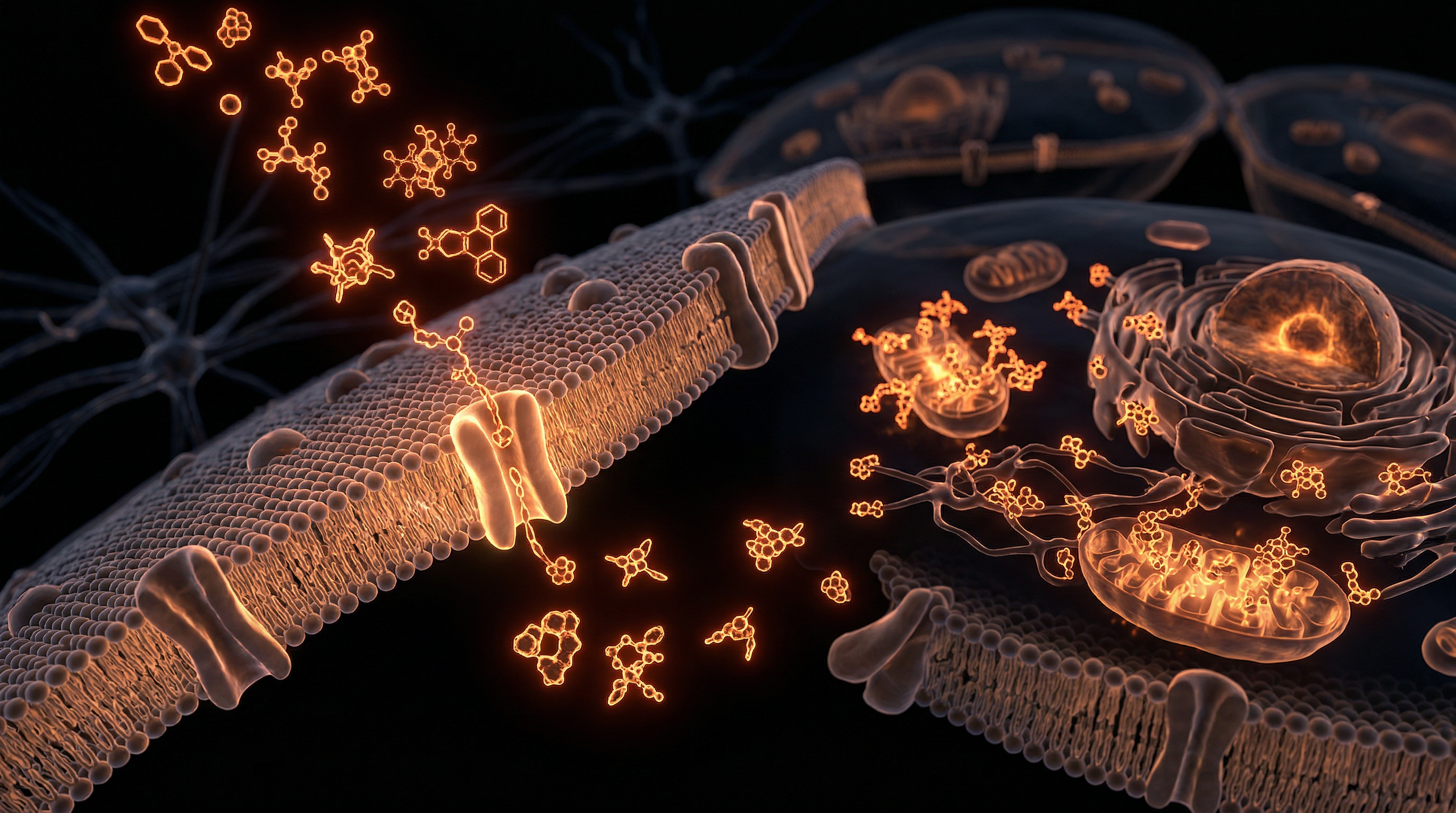
The modern human being is no longer a purely biological entity; we are, in a very literal sense, chemical repositories. The term Total Body Burden (TBB) refers to the cumulative, lifelong accumulation of exogenous chemicals—synthetic compounds, heavy metals, and pollutants—stored within our tissues, organs, and blood. In the United Kingdom, particularly within dense urban centres like London, Manchester, and Birmingham, the average citizen is walking through a soup of industrial legacies and modern "convenience" chemistry.
While mainstream toxicology has historically focused on acute poisoning—the high-dose exposure that leads to immediate illness—modern biological research is uncovering a more insidious reality. We are witnessing the era of chronic, low-dose, multi-exposure toxicity. This is not about a single "poison," but rather the synergistic effect of thousands of substances, many of which did not exist a century ago.
From the Persistent Organic Pollutants (POPs) found in the fatty tissues of UK newborns to the microplastics circulating in the blood of commuters, the TBB represents a significant hurdle to human longevity and metabolic health. As we navigate the 21st century, understanding the biotransformation pathways required to manage this load is no longer an academic exercise; it is a fundamental requirement for survival. This report explores the physiological mechanics of our internal filtration systems, the environmental reality of the UK landscape, and the systemic failures that allow these burdens to accumulate unchecked.
The Biology — How It Works
To understand the Total Body Burden, one must first understand the concept of bioaccumulation. Unlike nutrients, which the body utilizes or excretes efficiently, many modern synthetics are lipophilic (fat-soluble). This means they bypass the body’s standard aqueous excretion routes and lodge themselves within adipose tissue, the brain, and the bone marrow.
The Storage Depots
The human body, in its evolutionary wisdom, attempts to protect vital organs by sequestering toxins it cannot immediately neutralise.
- Adipose Tissue (Body Fat): The primary reservoir for POPs, such as Polychlorinated Biphenyls (PCBs) and certain pesticides. These chemicals can remain in the fat for decades, only being released back into the bloodstream during periods of weight loss or high stress.
- Bone: Heavy metals like Lead (Pb) mimic calcium and are integrated into the hydroxyapatite matrix of the bone. In the UK, many elderly citizens still carry the lead burden acquired during the era of leaded petrol and lead plumbing.
- Neurological Tissues: The brain is roughly 60% fat. This makes it a magnet for lipophilic neurotoxins and heavy metals like Mercury (Hg) and Aluminium (Al), which can cross the blood-brain barrier via "Trojan Horse" transport mechanisms.
The Concept of 'Toxic Load' vs. 'Detox Capacity'
Health is essentially a mathematical equation: Toxic Influx vs. Biotransformation Efficiency. When the rate of exposure exceeds the rate of elimination, the Total Body Burden increases. This is often referred to as "filling the bucket." Once the bucket overflows, clinical symptoms manifest.
Fact: Research suggests that the average UK adult carries at least 700 known synthetic chemicals in their body, many of which have never been tested for long-term safety in combination.
Mechanisms at the Cellular Level
The primary site for managing the Total Body Burden is the hepatocyte (liver cell), though the kidneys, lungs, and gut play secondary roles. The process is known as biotransformation, a three-phase system designed to turn toxic, fat-soluble compounds into harmless, water-soluble ones.
Phase I: Functionalisation (The Activation Phase)
This phase is primarily governed by the Cytochrome P450 (CYP450) enzyme superfamily. These enzymes use oxygen and a cofactor (NADPH) to add or expose a functional group (like a hydroxyl group) on the toxin.
- The Danger: Paradoxically, Phase I often makes a toxin more reactive and dangerous than the original substance. These "intermediate metabolites" are highly unstable and can cause significant oxidative stress if not immediately processed by Phase II.
Phase II: Conjugation (The Neutralisation Phase)
In this phase, the liver attaches a large, water-soluble molecule to the reactive intermediate. Key pathways include:
- Glutathione Conjugation: Using Glutathione, the body’s "master antioxidant," to neutralise heavy metals and pesticides.
- Sulfation: Crucial for processing steroid hormones and xenobiotics.
- Glucuronidation: The primary route for clearing pharmaceutical drugs and environmental phenols like Bisphenol A (BPA).
Phase III: Transport and Excretion
Once conjugated, the toxins must be physically moved out of the cell and into the bile or urine. This requires ATP-binding cassette (ABC) transporters, such as P-glycoprotein. If these transporters are inhibited (by certain drugs or nutritional deficiencies), the toxins remain trapped inside the cell, causing mitochondrial damage.
Mitochondrial Interference
The most profound cellular damage occurs within the mitochondria. Many urban pollutants act as "uncouplers" or inhibitors of the Electron Transport Chain (ETC). When heavy metals like Cadmium displace essential minerals like Zinc in mitochondrial enzymes, ATP production drops, leading to the chronic fatigue and brain fog characteristic of high TBB.
Environmental Threats and Biological Disruptors
The UK’s urban environment presents a unique chemical profile, a mixture of post-industrial residues and modern consumer chemistry.
Endocrine Disrupting Chemicals (EDCs)
EDCs are perhaps the most insidious part of the TBB. These molecules "mimic" natural hormones, particularly oestrogen.
- Phthalates: Found in plastics, synthetic fragrances, and personal care products ubiquitous in UK supermarkets. They are linked to reduced fertility and thyroid dysfunction.
- Parabens: Used as preservatives. High concentrations have been found in breast tissue biopsies of UK women.
- PFAS (Per- and Polyfluoroalkyl Substances): Known as "Forever Chemicals" due to their inability to break down in the environment. These are found in non-stick cookware, waterproof clothing, and firefighting foams. Recent UK water testing has revealed PFAS levels exceeding safety guidelines in multiple counties.
Heavy Metals in the UK Infrastructure
- Lead: Despite the 1999 ban on leaded petrol, lead remains in urban soil and in the piping of pre-1970s UK housing.
- Cadmium: High levels are found in urban air due to tyre wear and industrial emissions. Cadmium is a potent nephrotoxin (kidney poison) with a half-life of 20-30 years in the human body.
Glyphosate and Agricultural Runoff
The UK remains heavily dependent on Glyphosate-based herbicides. While the "mainstream" narrative claims rapid breakdown, glyphosate is frequently detected in UK bread and cereal products. It acts as a chelator, stripping essential minerals from the body and disrupting the shikimate pathway in our gut microbiome, which is essential for producing neurotransmitters like serotonin.
Statistic: A 2023 study found that 95% of the UK population has detectable levels of glyphosate or its metabolite AMPA in their urine, indicating constant, low-level exposure.
The Cascade: From Exposure to Disease
Total Body Burden is not just a passive storage issue; it is a driver of multi-systemic dysfunction. When the body is preoccupied with managing a chemical load, it diverts energy and resources away from repair and regeneration.
1. The Pro-Inflammatory State
Toxins trigger the NLRP3 inflammasome, a part of the innate immune system. Chronic activation leads to low-grade systemic inflammation, which is the precursor to almost all modern chronic diseases, including cardiovascular disease and Type 2 diabetes.
2. Epigenetic Tagging
Environmental toxins can cause "methylation" changes to our DNA. This doesn't change the genetic code itself but "silences" or "activates" certain genes. Crucially, these epigenetic tags can be passed down to offspring. A Londoner’s exposure to air pollution today could potentially influence the health of their grandchildren.
3. Metabolic Displacement (Molecular Mimicry)
Toxicants often displace essential minerals.
- Lead displaces Calcium (weakening bones and disrupting nerve signalling).
- Fluoride (found in some UK water supplies and dental products) can displace Iodine in the thyroid, leading to sub-clinical hypothyroidism.
- Mercury displaces Selenium, which is vital for the conversion of thyroid hormones and the production of glutathione.
4. The Obesogen Effect
Certain chemicals, particularly phthalates and BPA, are classified as obesogens. They disrupt the metabolic set-point, increasing the number and size of fat cells and making weight loss biologically difficult, regardless of caloric intake. This contributes heavily to the UK’s rising obesity crisis.
What the Mainstream Narrative Omits
The UK’s regulatory bodies, such as the Food Standards Agency (FSA) and the Health and Safety Executive (HSE), rely on outdated models of toxicological safety. Here is what is systematically ignored:
The 'Cocktail Effect'
Toxicology usually tests one chemical at a time. However, humans are never exposed to one chemical at a time. Research into synergistic toxicity shows that two chemicals, both at "safe" levels, can become 100x more toxic when combined. The regulatory framework in the UK currently has no mechanism to account for this synergy.
The LD50 Fallacy
Safety is often based on the LD50 (the dose required to kill 50% of a test population). This is an archaic metric. It ignores non-monotonic dose responses, where very low doses of a chemical (especially EDCs) can be more disruptive than high doses because they more closely mimic the body’s own low-level hormonal signals.
Post-Brexit Regulatory Erosion
Since leaving the EU, the UK has struggled to maintain the REACH (Registration, Evaluation, Authorisation and Restriction of Chemicals) standards. There are growing concerns that the UK is becoming a "dumping ground" for chemicals that are being phased out or more strictly regulated within the EU, leading to a diverging (and increasing) TBB for UK citizens compared to their European neighbours.
Bioaccumulation in the 'Healthy' Population
The mainstream narrative often suggests that "the dose makes the poison" and that the body’s natural systems are sufficient. This ignores the fact that we are living in a statistically abnormal environment. The human liver did not evolve to process 80,000+ synthetic compounds. Even "healthy" individuals with no symptoms are often found to have significant burdens that act as a "ticking time bomb" for future pathology.
The UK Context
The United Kingdom presents a specific set of challenges for the TBB. Our history as the cradle of the Industrial Revolution has left a geographic legacy that remains in our bodies today.
The Legacy of "Black Country" and Northern Industry
In cities like Sheffield, Manchester, and Birmingham, the soil remains contaminated with heavy metals and polycyclic aromatic hydrocarbons (PAHs) from decades of coal burning and steel production. Urban gardening in these areas, without soil testing, can significantly increase a household’s TBB.
London's Air Quality Crisis
London’s air contains some of the highest levels of Nitrogen Dioxide (NO2) and Particulate Matter (PM2.5) in Europe. PM2.5 is particularly dangerous because the particles are small enough to pass through the lung tissue directly into the bloodstream, carrying toxic metals and combustion by-products with them.
The Sewage Crisis and Water Quality
The ongoing crisis of untreated sewage being pumped into UK rivers is not just a biological hazard; it is a chemical one. Sewage contains high levels of pharmaceuticals (antidepressants, birth control, antibiotics) and household chemicals. Our water treatment plants are not designed to filter out these "micropollutants," meaning they often end up back in the municipal tap water.
Callout: Recent analysis of the River Thames found high concentrations of cocaine metabolites, caffeine, and various pharmaceuticals, creating a constant chemical "background noise" for those living in the catchment area.
Protective Measures and Recovery Protocols
While the situation is grave, the human body is remarkably resilient if provided with the correct raw materials and environment to facilitate biotransformation.
1. Minimising Influx: The First Rule of Toxicology
- Water Filtration: In the UK, a high-quality multi-stage filter (Reverse Osmosis or high-grade carbon) is essential to remove PFAS, fluoride, and pharmaceutical residues.
- Organic Consumption: Prioritise organic versions of the "Dirty Dozen" (crops most sprayed in the UK, like wheat, oats, and strawberries) to reduce glyphosate and pesticide load.
- Air Purification: Using HEPA and activated carbon filters in urban bedrooms to reduce the inhalation of PM2.5 and VOCs (Volatile Organic Compounds) during sleep.
2. Supporting Phase II Pathways
To clear the TBB, Phase II must be "upregulated" to match Phase I.
- Sulforaphane: Found in broccoli sprouts, this compound is one of the most potent activators of the Nrf2 pathway, which switches on the body’s internal antioxidant and detox genes.
- N-Acetyl Cysteine (NAC): A precursor to Glutathione. Supplementing NAC has been shown to assist in the clearance of heavy metals and reduce the impact of air pollution.
- Methylation Support: Ensuring adequate intake of B12, Folate (as methylfolate), and B6 is vital for the methylation pathway, which processes many urban toxins.
3. Physical Mobilisation Techniques
- Infrared Saunas: Many POPs and heavy metals are excreted more efficiently through sweat than through urine. Infrared saunas penetrate the adipose tissue, mobilising stored toxins.
- Bioresorbable Binders: When mobilising toxins (via exercise or sauna), it is crucial to use binders like Activated Charcoal, Zeolite, or Modified Citrus Pectin. These stay in the gut and "mop up" toxins excreted in the bile, preventing enterohepatic recirculation (where the body re-absorbs the toxin further down the digestive tract).
4. Hormetic Stress
Short bursts of physiological stress, such as cold immersion or high-intensity interval training, can stimulate autophagy—the body’s cellular "housecleaning" mechanism—helping to clear damaged proteins and organelles affected by chemical stress.
Summary: Key Takeaways
The Total Body Burden is an inescapable reality of 21st-century British life, yet it remains largely invisible in the standard clinical setting. Understanding and managing this load is the new frontier of preventative medicine.
- Cumulative Load: We are not dealing with single exposures, but a lifelong accumulation of synergistic chemicals stored in fat, bone, and brain tissue.
- Regulatory Failure: UK safety standards often ignore the "cocktail effect" and the impact of low-dose endocrine disruptors, meaning "legal" does not mean "safe."
- Urban Vulnerability: UK urban dwellers face unique threats from legacy industrial pollutants, modern air pollution (PM2.5), and a contaminated water infrastructure.
- Mitochondrial Health: The TBB directly impairs energy production, manifesting as the chronic fatigue and metabolic dysfunction rampant in modern society.
- Proactive Biotransformation: Reduction of the TBB is possible through rigorous filtration, supporting the Glutathione system, and the strategic use of binders and heat therapy.
The "Invisible Burden" may be the greatest challenge to public health in the UK today. As we continue to saturate our environment with synthetic compounds, the ability to support our ancient biological detox pathways becomes the determining factor in whether we succumb to the "diseases of civilisation" or thrive despite them. It is time to move beyond the mainstream narrative and take radical responsibility for our internal environment.
This article is provided for informational and educational purposes only. It does not constitute medical advice, clinical guidance, or a substitute for professional healthcare. Information reflects cited research at time of publication. Always consult a qualified healthcare professional before acting on any health information.
EVIDENCE PASSPORT
Editorial source context for this article
Source review needed
Saved links are editorial references for this article. They may support specific claims rather than every sentence. Open and assess each source in context. This passport does not independently verify them.
Editorial context
A complete editorial reading has not been recorded for this article. Source links remain available for you to open and assess directly.
Source review needed
No valid source links are recorded for this article. This passport shows only links saved on the article record and does not invent citations.
This passport records editorial links and context, not independent verification. Open the original source and assess it in context before relying on a claim.
Medical Disclaimer
The information in this article is for educational purposes only and does not constitute medical advice, diagnosis, or treatment. Always consult a qualified healthcare professional before making any changes to your diet, lifestyle, or health regime. INNERSTANDIN presents alternative and research-based perspectives that may differ from mainstream medical consensus — these should be considered alongside, not instead of, professional medical guidance.
Read Full DisclaimerContinue the thread
Keep this question moving.
Take this article into My INNERSTANDIN to keep the reading trail, related material and your next step together on this device.
Explore this in the Body Map
See where this hits your biology. Interactive anatomy, threats, and protective protocols.
Dig deeper in the Library
Free, longform PDF volumes that go beyond headlines into mechanisms and references.