Toxic Haircare Ingredients: The Hidden Dangers of Sulphates, Parabens, and Silicones
Commercial shampoos often contain harsh detergents that strip the scalp’s protective oils and disrupt the skin barrier. Discover the specific chemicals that compromise hair health and how to avoid them.
# Toxic Haircare Ingredients: The Hidden Dangers of Sulphates, Parabens, and Silicones
Overview
In the modern quest for aesthetic perfection, the average British consumer unknowingly subjects their scalp and hair to a daily barrage of industrial-grade chemicals. What we perceive as a refreshing morning ritual—the rich lather of a high-street shampoo, the instant silkiness of a premium conditioner—is often, in biological reality, a calculated assault on the integumentary system.
At INNERSTANDING, our mission is to peel back the veneer of the multi-billion-pound cosmetic industry to reveal the physiological consequences of these synthetic formulations. We have moved from the era of simple soap to an era of complex, petroleum-derived detergents and hormone-mimicking preservatives. The scalp is one of the most absorbent and vascularised areas of the human body; it is not a plastic shield, but a living, breathing gateway to the internal biological environment.
This article provides an exhaustive examination of the "Big Three" toxins: Sulphates, Parabens, and Silicones. We will move beyond marketing slogans to explore the molecular mechanics of how these substances degrade the hair follicle, disrupt the endocrine system, and compromise the long-term health of the British population. It is time to understand that "squeaky clean" is often a synonym for "biologically stripped."
FACT: The average UK adult is exposed to over 126 unique chemicals daily through personal care products. Research indicates that the scalp can absorb chemicals up to four times faster than the skin on our forearms.
---
The Biology — How It Works
To understand why modern haircare is so damaging, one must first understand the delicate equilibrium of the scalp’s ecosystem. The scalp is a complex biological landscape composed of approximately 100,000 hair follicles, a dense network of blood vessels, and a unique microbiome that works in tandem with the immune system.
The Acid Mantle and the Sebum Shield
The surface of the scalp is covered by a thin, slightly acidic film known as the acid mantle. Composed of sebum (natural oils secreted by sebaceous glands) and sweat, this mantle maintains a pH of approximately 4.5 to 5.5. This acidity is the first line of defence against pathogenic bacteria and fungi.
Sebum is not "dirt." It is a sophisticated cocktail of triglycerides, wax esters, and squalene designed to lubricate the hair shaft and maintain the integrity of the Stratum Corneum (the outermost layer of the skin). When we use harsh surfactants, we do not just remove excess oil; we dissolve this protective barrier entirely, leaving the skin vulnerable to trans-epidermal water loss (TEWL) and microbial invasion.
The Hair Follicle Anatomy
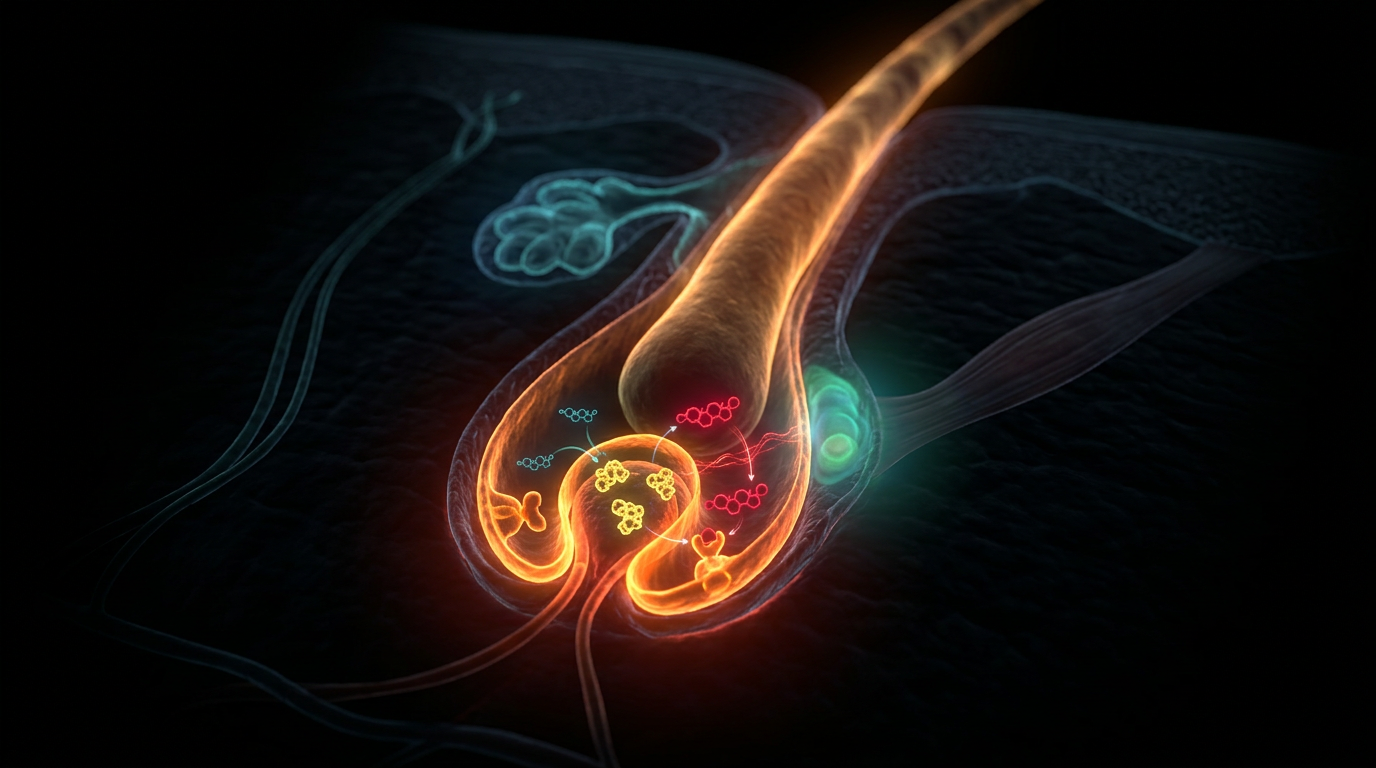
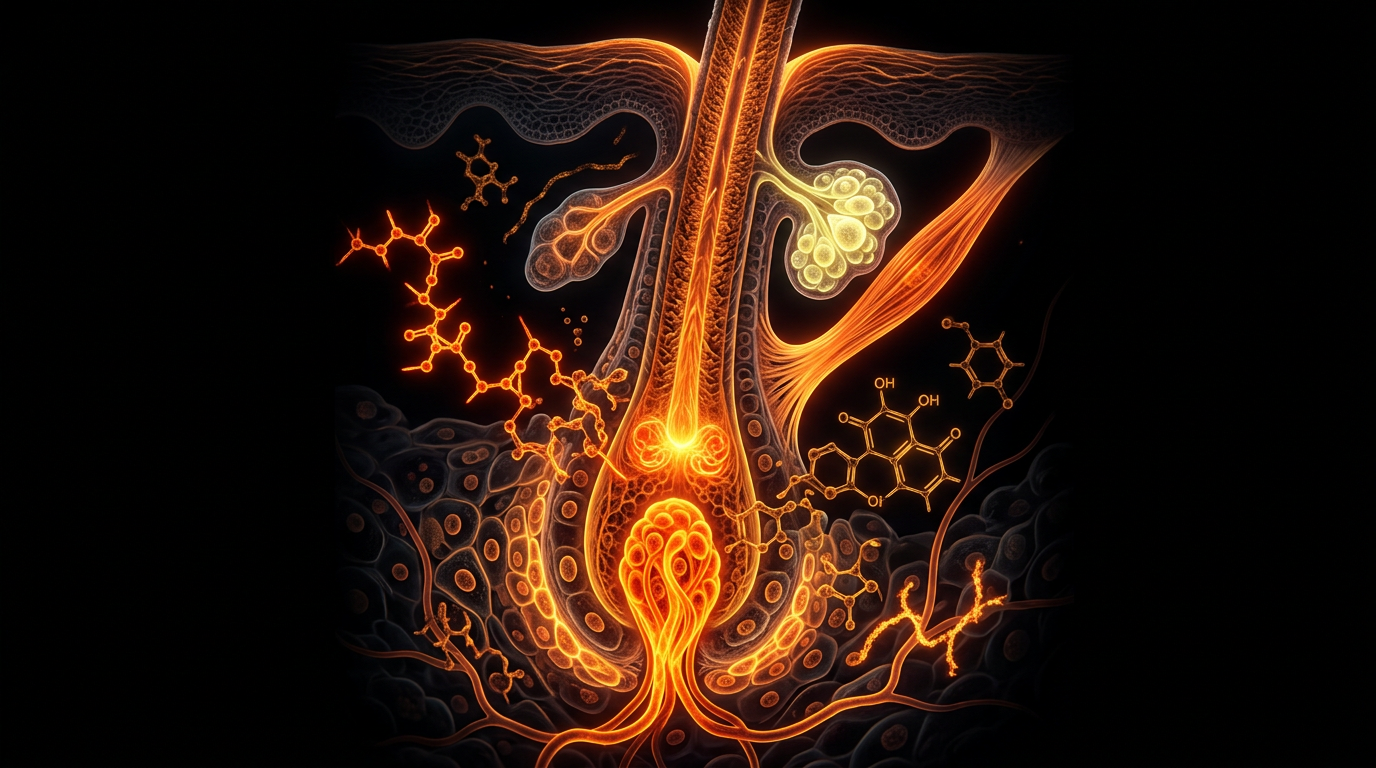
The hair itself is a protein filament, primarily composed of keratin. The follicle, however, is a living organ. At its base lies the dermal papilla, which is fed by capillaries. This is the "engine room" of hair growth. Any chemical that penetrates the scalp barrier has the potential to reach the dermal papilla, influencing the transition between the Anagen (growth), Catagen (transition), and Telogen (resting) phases of the hair cycle.
The Scalp Microbiome
Much like the gut, the scalp hosts a colony of beneficial bacteria and yeasts, such as *Malassezia*. When the chemical environment is altered through synthetic additives, this microbiome shifts into a state of dysbiosis. This imbalance is the root cause of common British scalp complaints, including dandruff, seborrheic dermatitis, and chronic follicular inflammation.
---
Mechanisms at the Cellular Level
When we apply a commercial shampoo, we are initiating a series of chemical reactions at the cellular level. These are not benign interactions; they are disruptive processes that alter the physical structure of our cells.
1. Sulphates: The Protein Denaturers
Sulphates, specifically Sodium Lauryl Sulphate (SLS) and Sodium Laureth Sulphate (SLES), are anionic surfactants. Their molecular structure consists of a "head" that is attracted to water and a "tail" that is attracted to oil.
- —Lipid Emulsification: Sulphates are so effective at emulsifying fats that they are used as industrial degreasers for car engines. On the scalp, they aggressively strip the lipids that hold the skin cells together.
- —Protein Denaturation: At a cellular level, SLS has the capacity to denature proteins. By unfolding the complex structures of keratin and the proteins within the cell membranes of the scalp, sulphates cause irreversible structural damage. This leads to "leaky skin," where allergens and toxins can penetrate deeper into the dermis.
- —Cytotoxicity: Laboratory studies show that SLS can cause cell death in human skin cells (keratinocytes) even at low concentrations, triggering a pro-inflammatory response.
2. Parabens: The Molecular Mimics
Parabens (Methylparaben, Ethylparaben, Propylparaben, etc.) are used as preservatives to prevent bacterial growth in water-based products. However, their molecular structure allows them to act as Xenoestrogens.
- —Oestrogen Receptor Binding: Parabens can bind to oestrogen receptors in the body. While their potency is lower than natural oestradiol, the cumulative effect of daily application creates a persistent hormonal signal.
- —Mitochondrial Disruption: Emerging research suggests that parabens may interfere with mitochondrial function within the hair follicle cells, reducing the cellular energy (ATP) required for robust hair growth.
3. Silicones: The Synthetic Occlusives
Silicones, such as Dimethicone and Cyclopentasiloxane, are synthetic polymers. They do not "nourish" the hair; they coat it in a layer of plastic-like film.
- —Asphyxiation of the Shaft: By creating an impermeable seal around the hair shaft, silicones prevent moisture from entering. While the hair looks shiny initially, it becomes brittle and "mummified" internally.
- —Follicular Clogging: When silicones accumulate on the scalp, they can block the follicular opening. This creates an anaerobic environment where bacteria thrive, leading to "scalp acne" and thinning hair as the follicle is literally choked.
FACT: According to a study published in the *Journal of Applied Toxicology*, parabens were found in 99% of breast cancer tissue samples tested. While the industry disputes a direct link, the ability of these chemicals to penetrate the skin and persist in human tissue is undeniable.
---
Environmental Threats and Biological Disruptors
The danger of these ingredients is amplified by the environment in which they are used. In the United Kingdom, several factors exacerbate the toxic load on our hair and scalp.
The Synergy of Hard Water
A significant portion of the UK, particularly London and the South East, suffers from "Hard Water"—water with high concentrations of calcium and magnesium carbonates. When sulphates interact with hard water, they form an insoluble precipitate known as "curd" or "scum."
This scum does not rinse away; it sticks to the hair and scalp, trapping the very chemicals we are trying to wash off. This creates a "toxic film" that sits on the scalp for 24 hours a day, leading to chronic irritation and a dulling of the hair's natural pigment.
Heat and Chemical Activation
The British habit of high-heat blow-drying and straightening adds a thermal dimension to chemical toxicity. Heat increases the kinetic energy of the chemicals on the hair. For silicones, this can cause the synthetic film to "bake" onto the hair cuticle, making it almost impossible to remove without even harsher detergents, creating a vicious cycle of damage.
Accumulative Bio-burden
We must consider the "Cocktail Effect." While a single shampoo may contain "safe" levels of a chemical according to UK regulations, the biological reality is cumulative. If you use a sulphate-based shampoo, a paraben-preserved conditioner, a silicone-heavy serum, and a synthetic hairspray, your scalp is processing a chemical load that far exceeds the safety margins established in isolated laboratory tests.
---
The Cascade: From Exposure to Disease
The transition from healthy hair to pathological conditions is rarely instantaneous. It is a slow, deceptive cascade of biological degradation.
Phase 1: The Disruption of Homeostasis
Initially, the user may notice increased oiliness. This is reactive seborrhoea. Because sulphates strip all natural oils, the sebaceous glands go into overdrive to compensate. The user, thinking their hair is naturally "greasy," washes more frequently with harsher products, accelerating the cycle.
Phase 2: Chronic Sub-Clinical Inflammation
As the skin barrier remains compromised, the immune system remains in a state of high alert. This is "sub-clinical" because you may not see a rash, but at the cellular level, inflammatory cytokines (like IL-1α) are being released. This inflammation begins to affect the Dermal Papilla Cells.
Phase 3: Follicular Miniaturisation and Hair Thinning
Prolonged inflammation around the hair follicle can lead to fibrosis (scarring). The follicle begins to shrink—a process called miniaturisation. The hair produced becomes finer, shorter, and lacks the structural integrity of healthy hair. This is often misdiagnosed as purely genetic hair loss, when in fact, environmental toxicity is the primary driver.
Phase 4: Systemic Absorption and Endocrine Disruption
The most insidious stage is the systemic one. Parabens and phthalates (often hidden under the term "Fragrance" or "Parfum") enter the bloodstream. In the UK, we have seen a steady rise in hormonal imbalances and reproductive health issues. While haircare is not the sole cause, it is a significant, avoidable contributor to the body's total Xenobiotic load.
FACT: The UK's NHS has seen a marked increase in cases of "Contact Dermatitis" related to cosmetic ingredients over the last decade. It is estimated that 1 in 5 people in the UK will experience an allergic reaction to a cosmetic ingredient at some point in their lives.
---
What the Mainstream Narrative Omits
Why are these ingredients still the standard in British supermarkets and salons? The answer lies in economics and "The Dose Makes the Poison" fallacy.
The Economics of Foam
Sulphates are incredibly cheap. They provide the "big bubbles" that consumers have been conditioned to associate with cleanliness. Replacing SLS with a plant-based, non-toxic surfactant like Decyl Glucoside can increase production costs by 500% to 1000%. The mainstream narrative prioritises profit margins over follicular longevity.
The Myth of "Wash-Off" Safety
Regulatory bodies often permit toxic ingredients in shampoos because they are "wash-off" products. This assumes that the chemicals do not linger or penetrate. However, as we have discussed, the scalp is highly porous. Furthermore, the steam from a hot British shower opens the pores (follicular orifices), providing a direct pathway for chemical absorption into the deeper layers of the dermis.
Greenwashing and "Paraben-Free" Deception
Many brands now advertise as "Paraben-Free" only to replace them with Methylisothiazolinone (MI) or Methylchloroisothiazolinone (MCI). These are potent allergens and neurotoxins that were named "Allergen of the Year" by the American Contact Dermatitis Society. This "alphabet soup" of chemical replacement is a common tactic to keep consumers in the dark while maintaining a "clean" image.
FACT: Under current UK cosmetic labelling laws, "Parfum" can represent a cocktail of up to 200 undisclosed chemicals, many of which are phthalates known to disrupt the endocrine system.
---
The UK Context
The UK’s exit from the European Union has created a unique regulatory landscape for cosmetics. While the UK currently follows many EU-derived safety standards (UK REACH), there is a growing concern that standards may diverge, potentially allowing ingredients that are restricted elsewhere to remain on British shelves.
The British Water Crisis and Hair Health
Beyond the "hard water" of the South, many UK water supplies contain high levels of Chlorine and Fluoride. When you combine chlorinated water with sulphate-based detergents, you create a highly oxidative environment. This "oxidative stress" literally bleaches the hair from the inside out and damages the DNA of the scalp cells.
The Rise of "Sensitive Scalp" in the UK
Data from UK-based dermatological surveys indicates that over 40% of the population now identifies as having a "sensitive scalp." This is not a biological fluke; it is the predictable outcome of decades of chemical over-exposure. We have effectively "sensitised" an entire generation to the very products they use to clean themselves.
FACT: In a survey of 2,000 UK adults, 62% reported experiencing scalp itchiness or dryness, yet only 15% were able to identify "Sulphates" as a potential cause on an ingredient label.
---
Protective Measures and Recovery Protocols
Healing the scalp and restoring hair health requires more than just switching brands; it requires a complete shift in biological understanding. At INNERSTANDING, we recommend a structured recovery protocol.
1. The "Chemical Fast" (The Transition Period)
When you stop using sulphates and silicones, your scalp will go through a "rebalancing" phase. For 2-4 weeks, your hair may feel greasier as the sebaceous glands recalibrate. This is not a failure of the new product; it is your body healing. Do not revert to old habits during this window.
2. Deciphering the Label: The "Avoid" List
Become a conscious consumer. Carry this list or memorise it. If these are in the first five ingredients, the product is biologically detrimental:
- —Sulphates: Sodium Lauryl Sulphate (SLS), Sodium Laureth Sulphate (SLES), Ammonium Lauryl Sulphate.
- —Silicones: Anything ending in "-cone," "-conol," or "-xane" (e.g., Dimethicone, Cyclomethicone).
- —Parabens: Methyl-, Ethyl-, Propyl-, Butyl-paraben.
- —Formaldehyde Releasers: DMDM Hydantoin, Diazolidinyl Urea.
- —Synthetic Fragrance: Simply listed as "Parfum" or "Fragrance."
3. The Natural Alternatives
Look for ingredients that work with human biology, not against it:
- —Surfactants: Coco Glucoside, Decyl Glucoside, Sodium Cocoyl Hydrolyzed Rice Protein.
- —Conditioning Agents: Broccoli Seed Oil (a natural silicone alternative), Argan Oil, Shea Butter.
- —Preservatives: Leuconostoc/Radish Root Ferment Filtrate, Potassium Sorbate, Sodium Benzoate (in low concentrations).
4. Scalp Detoxification Protocol
To remove the "silicone shroud" and chemical build-up:
- —Apple Cider Vinegar (ACV) Rinse: Mix 1 part raw ACV with 4 parts filtered water. Use this once a week to reset the pH of the scalp and dissolve mineral deposits from hard water.
- —Scalp Massaging: Increase blood flow to the dermal papilla through daily 5-minute manual massages. This encourages the natural removal of toxins through the lymphatic system.
- —Bentonite Clay Mask: Occasionally use a clay mask to "draw out" heavy metals and chemical residues from the follicles.
5. Filtration
Given the UK's water quality, investing in a high-quality shower head filter is non-negotiable for anyone serious about hair health. These filters can remove up to 99% of chlorine and significantly reduce the impact of hard water minerals.
---
Summary: Key Takeaways
- —The Scalp is an Absorptive Organ: It is not a barrier but a gateway. What you put on your head ends up in your blood.
- —Sulphates are Industrial Degreasers: They denature proteins and destroy the acid mantle, leading to chronic inflammation and "leaky scalp."
- —Parabens Disrubt Hormones: As xenoestrogens, they mimic natural hormones and can lead to systemic endocrine issues and mitochondrial dysfunction in the hair follicle.
- —Silicones Mummify the Hair: They provide a fake, plastic shine while suffocating the hair shaft and clogging the follicles.
- —The UK Environment is Challenging: Hard water and chlorine amplify the damage caused by toxic ingredients, necessitating the use of water filtration and pH-balanced products.
- —The "Healing Crisis" is Real: Moving to non-toxic haircare involves a transition period where the body rebalances its oil production. Persistence is key.
- —Knowledge is the Only Protection: The mainstream cosmetic industry is built on "foam and fragrance," not biological health. Reading labels is the most powerful tool for your long-term wellbeing.
FACT: Research conducted by UK-based environmental groups found that "wash-off" silicones from haircare products are now a major pollutant in British waterways, as they are not biodegradable and accumulate in the fatty tissues of aquatic life—and eventually, humans.
At INNERSTANDING, we believe that true beauty is the outward expression of internal biological integrity. By removing these industrial toxins from your daily routine, you are not just saving your hair; you are protecting your hormonal health and reclaiming your body from a predatory chemical industry. The choice is yours: synthetic convenience or biological truth.
This article is provided for informational and educational purposes only. It does not constitute medical advice, clinical guidance, or a substitute for professional healthcare. Information reflects cited research at time of publication. Always consult a qualified healthcare professional before acting on any health information.
RESEARCH FOUNDATIONS
Biological Credibility Archive
Citations provided for educational reference. Verify via PubMed or institutional databases.
Medical Disclaimer
The information in this article is for educational purposes only and does not constitute medical advice, diagnosis, or treatment. Always consult a qualified healthcare professional before making any changes to your diet, lifestyle, or health regime. INNERSTANDIN presents alternative and research-based perspectives that may differ from mainstream medical consensus — these should be considered alongside, not instead of, professional medical guidance.
Read Full DisclaimerReady to learn more?
Continue your journey through our classified biological research.
DISCUSSION ROOM
Members of THE COLLECTIVE discussing "Toxic Haircare Ingredients: The Hidden Dangers of Sulphates, Parabens, and Silicones"
SILENT CHANNEL
Be the first to discuss this article. Your insight could help others understand these biological concepts deeper.
THE ARSENAL
Based on Hair Health & Follicle Biology — products curated by our research team for educational relevance and biological support.
Magnesium Blend – The Most Important Mineral
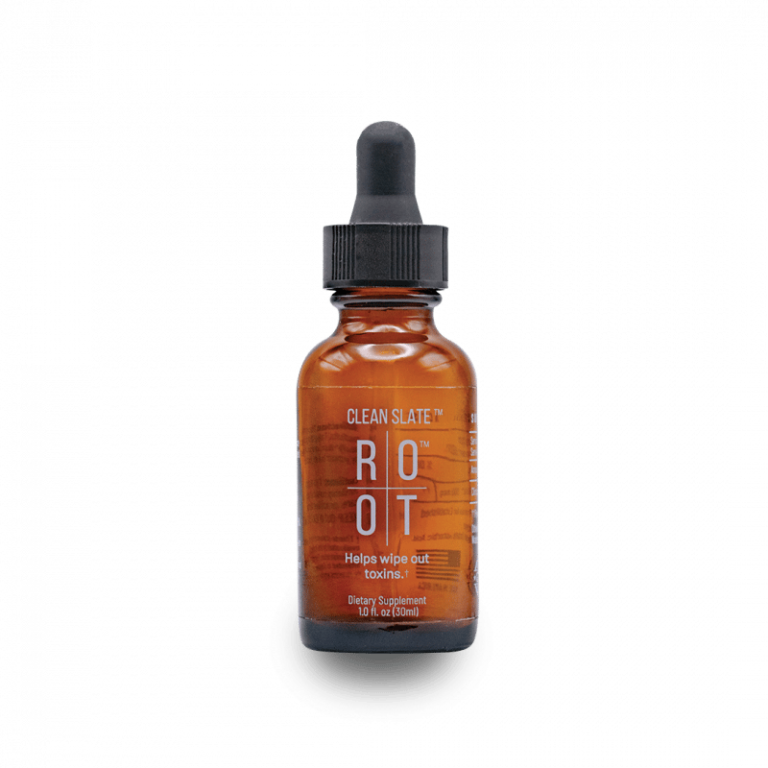
Clean Slate – Detoxes thousands of chemicals,heavy metals, pesticides, allergens, mold spores and fungus
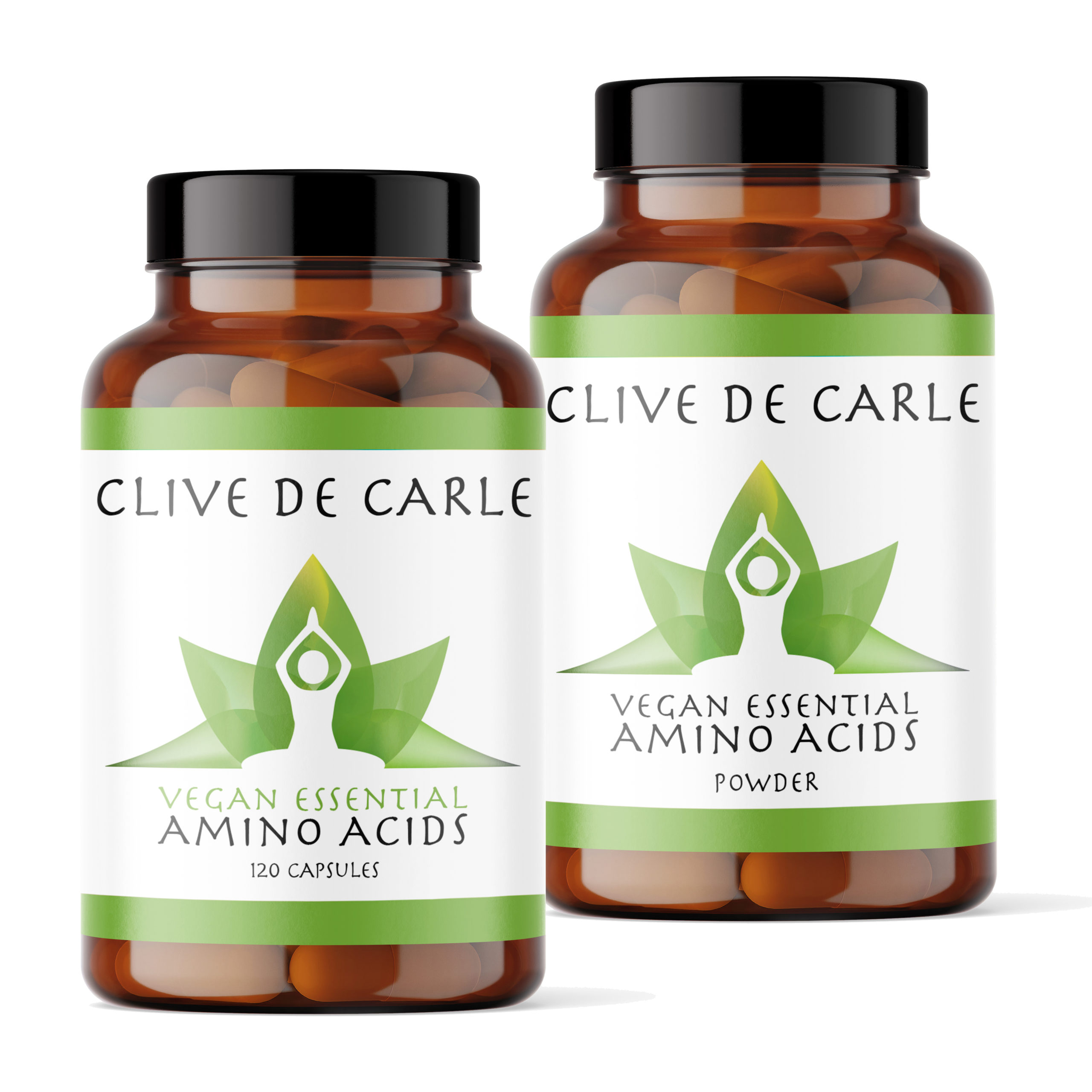
Vegan Essential Amino Acids – Plant-Powered Protein Building
INNERSTANDING may earn a commission on purchases made through these links. All products are selected based on rigorous educational relevance to our biological research.
RABBIT HOLE
Follow the biological thread deeper