DHT and 5-Alpha Reductase: The Biological Drivers of Male Pattern Hair Loss
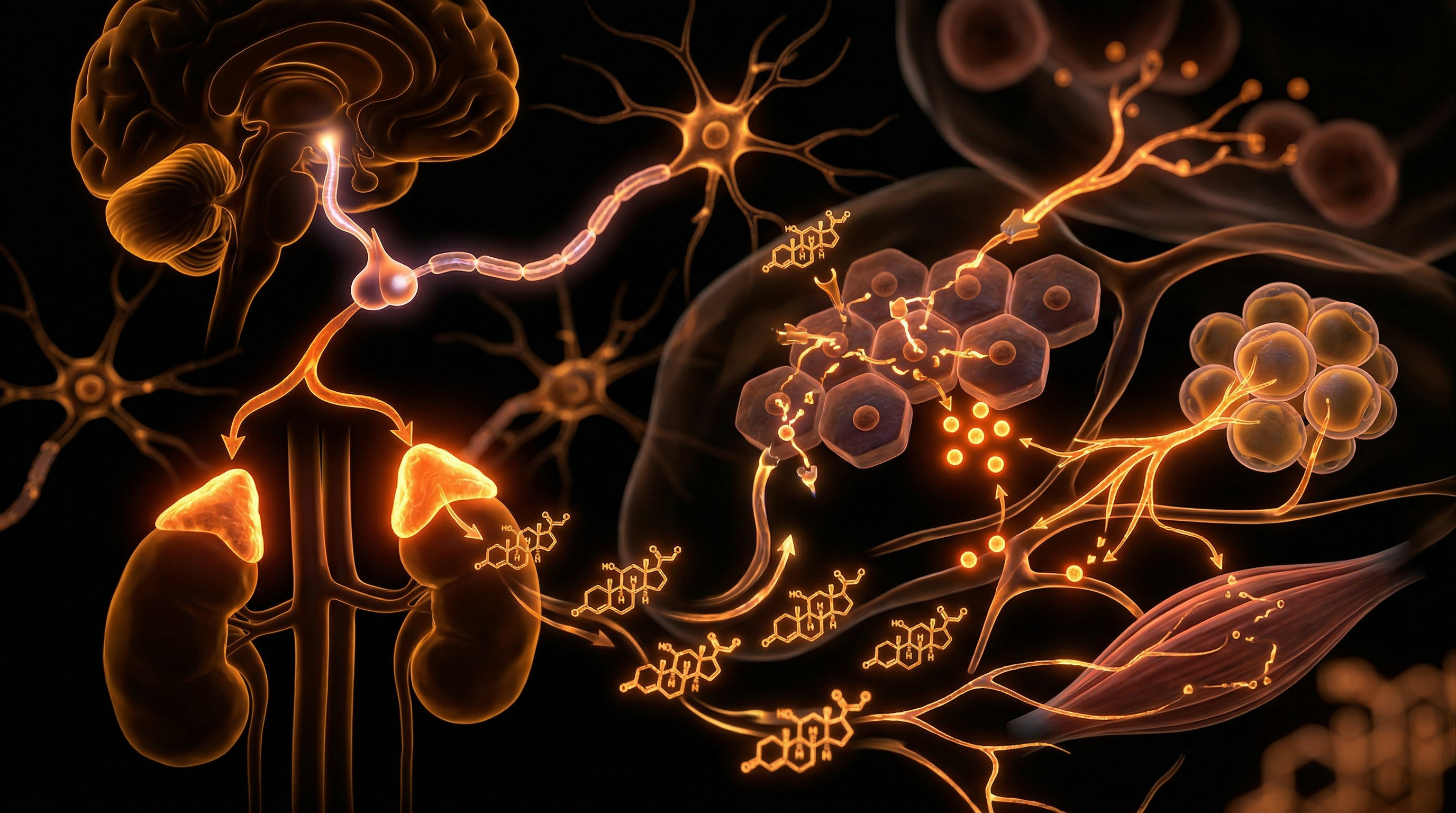
This article examines the conversion of testosterone to dihydrotestosterone and its destructive impact on follicle diameter. It provides a deep dive into the enzymatic processes that trigger hereditary hair loss.
Overview
Male Pattern Hair Loss (MPHL), scientifically known as Androgenetic Alopecia (AGA), is frequently dismissed as an inevitable rite of passage—a genetic "luck of the draw" that men must simply accept as they age. However, at INNERSTANDING, we recognise that biology is rarely so arbitrary. To view hair loss as merely a cosmetic nuisance is to ignore a complex, systemic hormonal cascade that involves the endocrine system, genetic expression, and environmental triggers.
At the heart of this process lies a potent androgen: Dihydrotestosterone (DHT), and the enzyme responsible for its creation, 5-alpha reductase (5-AR). While testosterone is often celebrated as the primary driver of masculinity, its metabolite, DHT, plays a far more aggressive role in the physiology of the hair follicle. For those genetically predisposed, DHT acts as a biological "off switch," systematically strangling the life out of hair follicles until they can no longer produce visible shafts.
In the United Kingdom, where the prevalence of MPHL is among the highest in the world, understanding this mechanism is not just academic—it is essential for anyone seeking to preserve their follicular integrity. This article provides a comprehensive, deep-dive into the enzymatic pathways, the cellular destruction of the dermal papilla, and the environmental factors that are currently accelerating this "epidemic" of premature thinning among British men.
Fact: In the United Kingdom, approximately 6.5 million men are currently experiencing male pattern baldness. Statistics suggest that by the age of 50, roughly 50% of British men will have visible thinning or significant recession.
---
##
The Biology — How It Works
Energy Blend Supports
Energy Blend is a comprehensive formula designed to fuel your body at a cellular level, promoting sustained physical stamina and mental clarity without synthetic spikes. It targets fundamental metabolic pathways to ensure your nervous system and hormonal activity remain balanced and resilient.
Vetting Notes
Pending
To understand hair loss, one must first understand the life cycle of the hair follicle and the specific role of androgens. Testosterone, the primary male sex hormone, circulates through the bloodstream. However, in specific tissues—notably the scalp, prostate, and skin—testosterone is converted into a significantly more potent hormone.
The Conversion: 5-Alpha Reductase
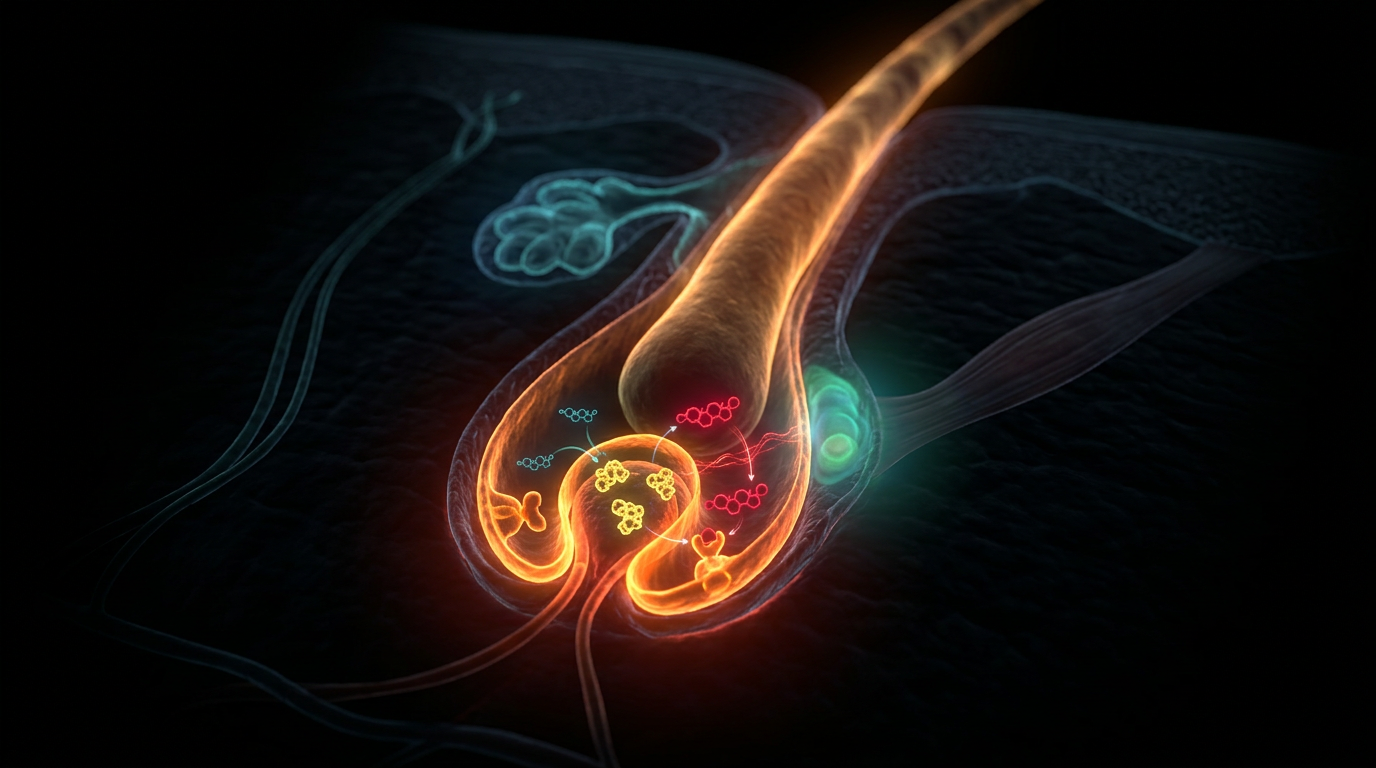
The architect of hair loss is the enzyme 5-alpha reductase. This enzyme belongs to a family of steroid-converting enzymes that reduce the double bond between the 4th and 5th carbon atoms of the testosterone molecule. The result is Dihydrotestosterone (DHT).
DHT is not simply "stronger" testosterone; it has a binding affinity for the androgen receptor (AR) that is three to five times higher than testosterone and dissociates from the receptor much more slowly. In a biological sense, DHT is a hyper-concentrated signal. While it is essential for the development of male characteristics during puberty (facial hair, deep voice, prostate growth), its continued activity in the scalp of adult men becomes pathological.
Isoforms of 5-AR
There are two primary isoforms of the 5-alpha reductase enzyme that are relevant to hair health:
- —Type I 5-AR: Predominantly found in the sebaceous glands (oil glands) and the skin. It contributes to systemic DHT levels but is not the primary driver of hair loss.
- —Type II 5-AR: This is the primary culprit. It is located in the inner root sheath of the hair follicle and the dermal papilla. This is where the conversion of testosterone to DHT happens directly at the site of the hair, leading to localized "hormonal poisoning" of the follicle.
The Role of Genetics
We often hear that hair loss is "genetic." What this actually means is that the sensitivity of the hair follicles to DHT is inherited. Men with MPHL do not necessarily have more testosterone or more DHT than men with full heads of hair; rather, their follicles possess a higher density of androgen receptors and a greater expression of the 5-alpha reductase enzyme. They are, in effect, hyper-responders to a hormone that should be harmless.
Fact: Research indicates that DHT has a binding affinity for androgen receptors that is roughly 5x more potent than testosterone, making it the most aggressive androgen in human physiology.
---
##
Mechanisms at the Cellular Level
Once DHT is produced within the scalp via 5-alpha reductase, it initiates a destructive process known as follicular miniaturisation. This is not an overnight event but a slow, decades-long degradation of the hair’s growth cycle.
The Dermal Papilla: The Command Centre
The dermal papilla (DP) is a cluster of specialized cells at the base of the hair follicle. It controls the hair’s growth, thickness, and life cycle. When DHT binds to the androgen receptors within the DP cells, it alters the gene expression of those cells.
Crucially, DHT interferes with the Wnt/beta-catenin signalling pathway, which is the primary "on" signal for hair growth. By inhibiting this pathway, DHT forces the follicle into a premature state of rest.
The Shortening of Anagen
The hair cycle consists of three phases:
- —Anagen: The growth phase (lasting 2–7 years).
- —Catagen: The transition phase.
- —Telogen: The resting/shedding phase.
Under the influence of DHT, the Anagen phase is progressively shortened. A follicle that used to grow hair for five years may now only grow it for six months. Because the hair has less time to grow, it becomes thinner, shorter, and more brittle with each subsequent cycle.
Miniaturisation and Fibrosis
As the anagen phase shrinks, the physical diameter of the hair follicle diminishes. What was once a robust "terminal" hair (thick and pigmented) becomes a "vellus-like" hair (thin, peach-fuzz).
Eventually, the chronic inflammation caused by this hormonal assault leads to perifollicular fibrosis. The tissue surrounding the follicle becomes scarred and rigid. Once fibrosis reaches a certain threshold, the follicle is effectively "suffocated," and the possibility of regrowth becomes biologically impossible. This is why early intervention is the only viable strategy—reversing fibrosis is significantly harder than preventing it.
---
##
Environmental Threats and Biological Disruptors
While genetics load the gun, the environment pulls the trigger. In the modern UK landscape, we are seeing hair loss occur at increasingly younger ages. This suggests that external factors are amplifying the natural enzymatic processes of 5-alpha reductase.
Endocrine Disrupting Chemicals (EDCs)
The modern man is bombarded with EDCs found in plastics (BPA, phthalates), personal care products, and industrial pollutants. These chemicals can mimic or interfere with natural hormones. Some EDCs can increase the sensitivity of androgen receptors, making the scalp even more vulnerable to the DHT that is already present.
Metabolic Syndrome and Insulin Resistance
There is a profound, yet often ignored, link between hyperinsulinemia (high insulin levels) and hair loss. High levels of insulin have been shown to increase the activity of 5-alpha reductase. In a society where the Western diet—high in refined sugars and ultra-processed carbohydrates—is the norm, we are essentially fueling the enzymatic conversion of testosterone into DHT.
British dietary habits, often lacking in key micronutrients like zinc and polyphenols which naturally inhibit 5-AR, create a "perfect storm" for follicular decay.
Chronic Stress and Cortisol
Stress does not just cause "patchy" hair loss (alopecia areata); it exacerbates male pattern baldness. Chronic stress elevates cortisol, which can lead to scalp tension and micro-inflammation. Furthermore, high cortisol levels can disrupt the delicate balance of the HPG (Hypothalamic-Pituitary-Gonadal) axis, potentially leading to fluctuations in testosterone that provide more "raw material" for 5-alpha reductase to convert.
Fact: A study conducted across major UK cities found that 40% of men under the age of 30 reported visible hair thinning, a significant increase compared to data from the 1990s, pointing toward environmental and dietary catalysts.
---
##
The Cascade: From Exposure to Disease
The progression of MPHL is best understood as a cascade of biological failures, rather than a single event. It follows a predictable, yet devastating, path:
- —Enzymatic Upregulation: Due to genetic predisposition and lifestyle factors, 5-alpha reductase levels increase in the scalp tissues.
- —DHT Overload: Testosterone is converted into DHT at an accelerated rate directly within the hair follicle.
- —Receptor Binding: DHT binds to the androgen receptors in the dermal papilla, triggering a change in mRNA expression.
- —Signal Inhibition: Growth factors like IGF-1 (Insulin-like Growth Factor) and VEGF (Vascular Endothelial Growth Factor) are downregulated, while pro-inflammatory cytokines like TGF-beta (Transforming Growth Factor-beta) are increased.
- —Micro-inflammation: The body perceives the damaged follicle as a foreign entity, sending immune cells to the area. This creates a state of chronic, low-grade inflammation.
- —Follicular Miniaturisation: The hair shaft thins and the growth cycle shortens.
- —Sclerosis/Fibrosis: The follicle becomes encased in collagen-rich scar tissue.
- —Death of the Follicle: The follicle loses its connection to the blood supply (capillary network) and becomes permanently dormant.
This cascade explains why "miracle shampoos" rarely work. If the treatment does not address the enzymatic conversion (5-AR) or the receptor binding (DHT), it is merely treating the symptom rather than the systemic cause.
---
##
What the Mainstream Narrative Omits
The mainstream medical and pharmaceutical industry often presents a simplified version of hair loss to sell specific interventions. At INNERSTANDING, we believe in exposing the nuances that are frequently left out of the conversation.
The Scalp Tension Paradox
Mainstream dermatology rarely discusses the Galea Aponeurosis—the sheet of fibrous tissue that covers the upper part of the cranium. Research suggests that certain head shapes and patterns of muscle tension in the scalp can create "hypoxia" (low oxygen). In low-oxygen environments, the conversion of testosterone to DHT is often accelerated as a compensatory mechanism. This explains why hair loss typically follows the pattern of the Galea (the top of the head) while sparing the sides, where there is more muscle and blood flow.
The "Total Testosterone" Fallacy
Many men are told their testosterone levels are "normal," so their hair loss must be purely genetic. This ignores the concept of Free Testosterone and SHBG (Sex Hormone-Binding Globulin). If SHBG is low—often due to poor liver health or high insulin—more testosterone is "free" to be converted by 5-alpha reductase. You can have low total testosterone and still suffer from aggressive hair loss if your conversion rate to DHT is high.
The Pharmaceutical Treadmill
The standard of care in the UK—Finasteride—is a potent inhibitor of Type II 5-alpha reductase. While effective at stopping hair loss, it can have systemic side effects because DHT is not "waste." DHT plays roles in neurological health, libido, and muscle neuro-transmission. The mainstream narrative often downplays the "Post-Finasteride Syndrome," failing to provide men with holistic alternatives that can modulate 5-AR without completely nuking systemic DHT levels.
Fact: Up to 15% of men using pharmaceutical 5-alpha reductase inhibitors report persistent sexual or cognitive side effects, leading many to seek natural or topical alternatives that offer a more localized approach.
---
##
The UK Context
Hair loss in the United Kingdom carries a unique socio-economic and psychological weight. The "British stiff upper lip" often prevents men from seeking help until the miniaturisation is advanced, at which point the follicles are already fibrotic.
The NHS and Hair Loss
In the UK, the NHS classifies Male Pattern Baldness as a cosmetic issue. Consequently, treatments like Finasteride or Minoxidil are not available on a standard prescription for this purpose, forcing men into the private market. This has led to a "Wild West" of online pharmacies and unregulated clinics, where men often purchase medications without a full understanding of the biological consequences.
The Rise of the "Hair Transplant Tourism"
Due to the high cost of hair transplants in Harley Street and other UK hubs (ranging from £5,000 to £15,000), thousands of British men fly to Turkey each year. However, a transplant does not stop the 5-alpha reductase process. Without addressing the DHT cascade, the *remaining* native hair will continue to fall out, leaving the man with "islands" of transplanted hair—a biological and aesthetic disaster.
The Mental Health Toll
We must address the psychological reality. In a society increasingly driven by visual identity, hair loss is linked to higher rates of depression and social anxiety among British men. The "truth" about DHT is often hidden behind marketing for hats and expensive, temporary concealers.
Fact: A survey of British men by a leading hair health charity found that 62% felt that hair loss affected their self-esteem, yet fewer than 10% understood the biological role of 5-alpha reductase.
---
##
Protective Measures and Recovery Protocols
If the biological driver is the 5-AR/DHT pathway, then the solution must involve a multi-faceted approach to downregulate this enzyme and protect the follicle from its effects.
1. Natural 5-Alpha Reductase Inhibitors
Several plant-based compounds have been shown in clinical trials to inhibit the 5-AR enzyme with fewer systemic side effects than pharmaceuticals:
- —Saw Palmetto (Serenoa repens): Acts as a mild inhibitor of both Type I and Type II 5-AR.
- —Pumpkin Seed Oil: Shown in a double-blind study to increase hair count by 40% over 24 weeks by blocking DHT.
- —Green Tea (EGCG): A potent antioxidant that specifically targets the 5-alpha reductase activity in the dermal papilla.
2. Topical Intervention
To avoid systemic side effects, the focus should be on localized inhibition. Topical Finasteride or topical Saw Palmetto allows the compound to reach the hair follicles without significantly lowering DHT levels in the blood or prostate. Additionally, Ketoconazole (found in certain medicated shampoos) has been shown to disrupt the androgen binding process at the scalp level.
3. Mechanical Stimulation and Blood Flow
Since DHT thrives in hypoxic (low-oxygen) environments, increasing blood flow is paramount.
- —Microneedling: Using a dermaroller or dermapen creates micro-injuries that trigger a wound-healing response. This releases stem cells and growth factors (like VEGF) that counteract the inhibitory signals of DHT.
- —Scalp Massage: Regular, vigorous massage of the Galea can reduce scalp tension and help decalcify the tissue, making it harder for fibrosis to take hold.
4. Metabolic Optimization
Addressing the "Internal Environment" is the INNERSTANDING way.
- —Lowering Insulin: Adopting a low-glycemic, anti-inflammatory diet (rich in British-grown cruciferous vegetables and Omega-3 fatty acids) can lower systemic 5-AR activity.
- —Zinc and Selenium: These minerals are essential for hormonal regulation and are often deficient in the modern UK diet.
5. Low-Level Laser Therapy (LLLT)
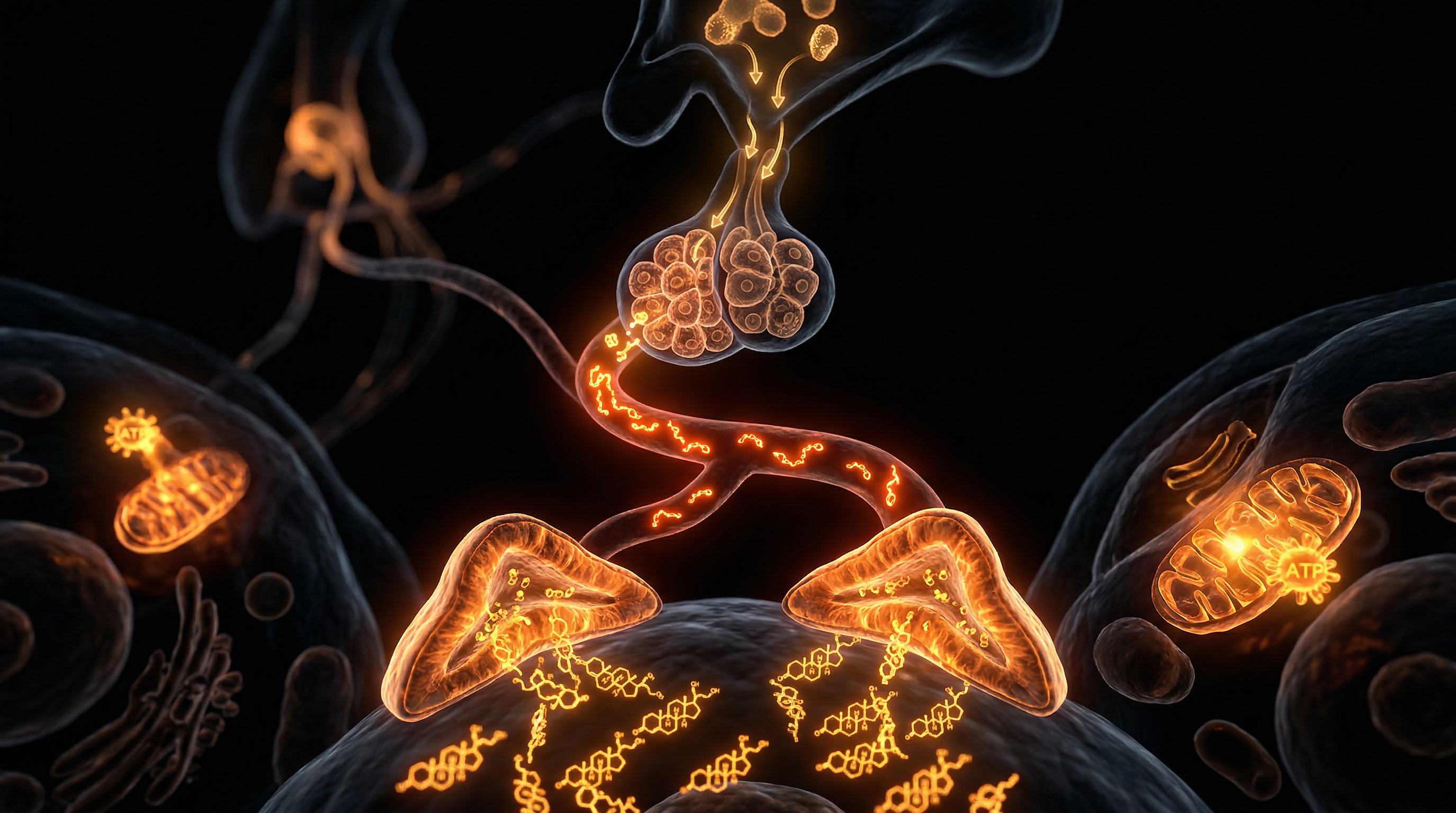
LLLT uses specific wavelengths of light (650nm) to stimulate the mitochondria in the hair follicle. This provides the follicle with the "energy" (ATP) it needs to stay in the anagen phase, even when DHT is present.
---
##
Summary: Key Takeaways
The war against Male Pattern Hair Loss is not won with superficial treatments; it is won by understanding and manipulating the underlying biology of the 5-alpha reductase enzyme and the DHT hormone.
- —DHT is the primary driver: It is a potent androgen that binds to receptors in the hair follicle, shortening the growth cycle and causing miniaturisation.
- —5-Alpha Reductase is the architect: This enzyme converts testosterone into DHT. Inhibiting this enzyme is the most effective way to stop the progression of hair loss.
- —Miniaturisation is a process, not an event: Hair doesn't just "fall out"—it gets smaller and thinner over several years until the follicle becomes fibrotic and dies.
- —Environment Matters: Stress, insulin resistance, and endocrine disruptors in the UK environment are accelerating this process in younger men.
- —Early Intervention is Vital: Once a follicle has undergone complete fibrosis (scarring), it cannot be revived. Protection and maintenance must begin at the first sign of thinning.
- —A Holistic Approach is Best: Combining DHT blockers (natural or pharmaceutical) with scalp stimulation, metabolic health, and inflammation control offers the best chance for long-term recovery.
At INNERSTANDING, we believe that knowledge is the ultimate biological tool. By understanding the enzymatic drivers of hair loss, British men can move beyond the "inevitability" myth and take proactive, scientifically-backed steps to preserve their health and their hair. The biology of the scalp is complex, but the path to recovery begins with a single realization: you are not a victim of your genetics; you are a steward of your biological environment.
This article is provided for informational and educational purposes only. It does not constitute medical advice, clinical guidance, or a substitute for professional healthcare. Information reflects cited research at time of publication. Always consult a qualified healthcare professional before acting on any health information.
RESEARCH FOUNDATIONS
Biological Credibility Archive
Citations provided for educational reference. Verify via PubMed or institutional databases.
Medical Disclaimer
The information in this article is for educational purposes only and does not constitute medical advice, diagnosis, or treatment. Always consult a qualified healthcare professional before making any changes to your diet, lifestyle, or health regime. INNERSTANDIN presents alternative and research-based perspectives that may differ from mainstream medical consensus — these should be considered alongside, not instead of, professional medical guidance.
Read Full DisclaimerReady to learn more?
Continue your journey through our classified biological research.
DISCUSSION ROOM
Members of THE COLLECTIVE discussing "DHT and 5-Alpha Reductase: The Biological Drivers of Male Pattern Hair Loss"
SILENT CHANNEL
Be the first to discuss this article. Your insight could help others understand these biological concepts deeper.
THE ARSENAL
Based on Hair Health & Follicle Biology — products curated by our research team for educational relevance and biological support.
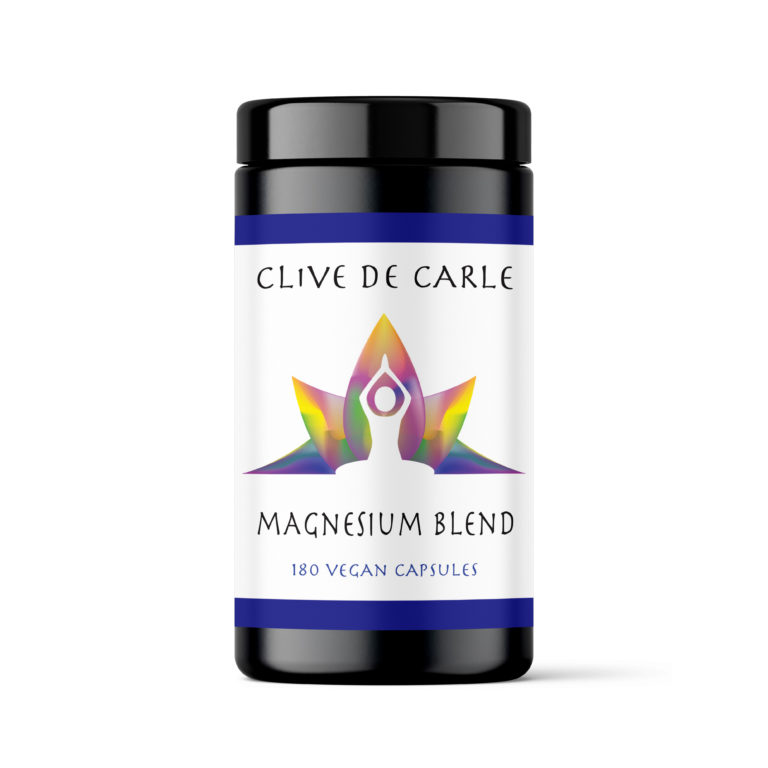
Magnesium Blend – The Most Important Mineral
Energy Blend Supports

Clean Slate – Detoxes thousands of chemicals,heavy metals, pesticides, allergens, mold spores and fungus
INNERSTANDING may earn a commission on purchases made through these links. All products are selected based on rigorous educational relevance to our biological research.
RABBIT HOLE
Follow the biological thread deeper