
Toxoplasma Gondii: How the Mind-Altering Parasite Impacts Human Behaviour
Updated May 2026
This article explores the life cycle of Toxoplasma Gondii and the emerging evidence linking this common parasite to significant neurological and behavioural changes in humans. It provides a comprehensive look at how a simple protozoan can influence complex host psychology.
Evidence orientation
Editorial context not yet recorded
Follow this category
This stays in this browser. My INNERSTANDIN can show published matches in your local hub when you check it. It does not send email, push, or alert notifications.
Local learning review
A private browser aid for revisiting ideas. It is not an alert or a health recommendation.
Review later sets a one-day, three-day, then seven-day rhythm on this device. Choose it only when you want to revisit this article.
Overview
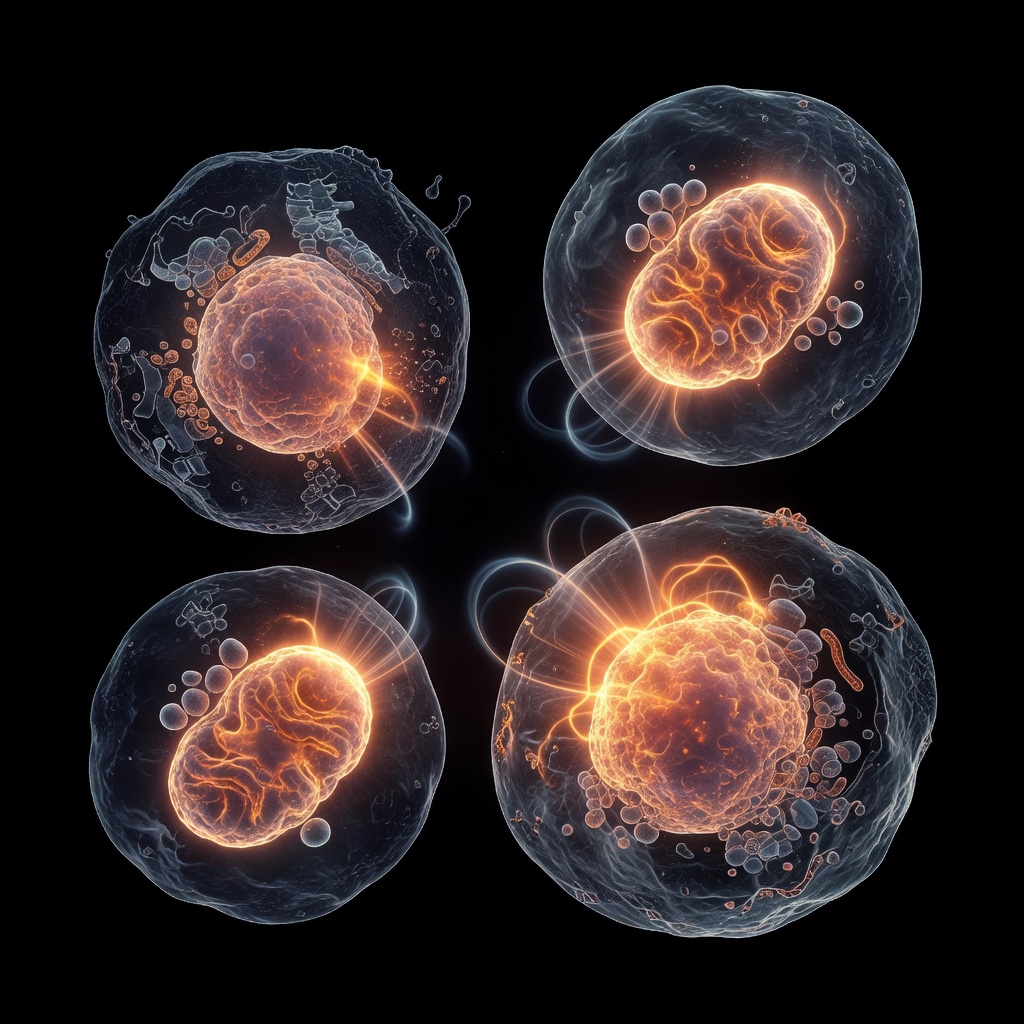
We are living in an era defined by an invisible puppetry, a biological theatre where the actors are microscopic and the stage is the human psyche. For decades, the protozoan parasite Toxoplasma gondii was dismissed by mainstream clinical medicine as a "latent" or "dormant" passenger—a biological triviality that, unless one were pregnant or severely immunocompromised, posed no significant threat to the host. At INNERSTANDING, we reject this reductionist complacency. Emerging evidence, long suppressed or ignored by bureaucratic health silos, suggests that T. gondii is perhaps the most successful and sophisticated neuro-modulator on the planet.
This apicomplexan parasite does not merely "persist" in human tissues; it actively re-engineers the biochemical landscape of the brain. By infiltrating the central nervous system, it hijacks neurotransmitter pathways, alters hormonal balances, and subtly reshapes the very personality of its host. From the "Fatal Attraction" phenomenon observed in rodents—where the parasite erases the innate fear of predators—to the documented correlations between infection and human psychiatric disorders, car accidents, and increased risk-taking, the implications are staggering.
Estimated to infect one-third of the global population, and a significant percentage of the UK public, T. gondii is a silent driver of societal shifts. This article will strip away the layers of institutional denial to expose the mechanics of this mind-altering pathogen, detailing how a simple single-celled organism can exert such profound influence over the complex architecture of the human mind.
##
The Biology — How It Works
To understand the menace of Toxoplasma gondii, one must first appreciate the elegance of its evolutionary strategy. It is an obligate intracellular parasite, meaning it cannot complete its life cycle or reproduce without occupying the cells of a host. While it can infect virtually any warm-blooded animal, its biological destiny is tied inextricably to the feline.
The Definitive Host: The Feline Connection
Members of the family Felidae (domestic cats and their wild relatives) are the only definitive hosts in which T. gondii can undergo sexual reproduction. Within the feline intestine, the parasite engages in a complex reproductive dance, resulting in the production of millions of oocysts. These oocysts are shed in the cat's faeces, entering the environment with a resilience that is nothing short of terrifying.
Fact: A single infected cat can shed up to 100 million oocysts over a two-week period. These oocysts are highly resistant to environmental stressors, surviving in soil and water for over a year, even resisting standard chemical disinfectants like chlorine.
The Intermediate Host: The Human Journey
Humans enter the cycle as "accidental" intermediate hosts. We ingest the oocysts through contaminated water, unwashed vegetables, or contact with feline waste. Alternatively, we ingest tissue cysts (bradyzoites) found in the undercooked meat of other intermediate hosts, such as sheep, pigs, or cattle.
Once inside the human gut, the parasite transforms into its rapidly multiplying form: the tachyzoite. These tachyzoites are the "infantry" of the infection, disseminating throughout the body via the bloodstream and lymphatic system. They possess a unique ability to invade almost any nucleated cell type, using a specialized "apical complex" to drill into the host cell membrane.
The Transition to Latency
As the host’s immune system mounts a response, the parasite undergoes a strategic retreat. It transitions from the aggressive tachyzoite phase into the dormant bradyzoite phase. These bradyzoites form microscopic cysts, primarily within the skeletal muscle, the heart, and—most crucially—the brain.
For years, the National Health Service (NHS) and other global bodies maintained that these cysts were biologically inert. This is the "Latency Lie." We now know that these cysts are metabolically active, subtly leaking proteins and modulating the host’s cellular environment to ensure their long-term survival and, potentially, to manipulate the host's behaviour to facilitate the parasite's return to a feline host.
##
Mechanisms at the Cellular Level
The sophistication of T. gondii is most evident in its ability to bypass the body's most secure defences and directly manipulate the chemical signalling of the brain. It does not simply sit in the brain; it operates it.
Crossing the Blood-Brain Barrier (BBB)
The Blood-Brain Barrier is the body’s premier security system, designed to keep pathogens out of the central nervous system. T. gondii uses a "Trojan Horse" strategy to bypass this. It infects dendritic cells and macrophages—the very immune cells meant to destroy it. Once inside, the parasite alters the gene expression of these cells, turning them into high-speed vehicles that carry the parasite directly across the BBB and into the brain parenchyma.
The Dopamine Factory
One of the most explosive discoveries in parasitology is the finding that T. gondii possesses two genes that encode for Tyrosine Hydroxylase, the rate-limiting enzyme in the synthesis of dopamine.
- Direct Modulation: The parasite can literally manufacture its own dopamine or stimulate the host's cells to overproduce it.
- Dopaminergic Disruption: By flooding specific regions of the brain, such as the amygdala and the nucleus accumbens, with excess dopamine, the parasite can alter reward processing, fear responses, and motor control.
Dopamine is the neurotransmitter of desire, reward, and movement. By hijacking this system, T. gondii can turn a cautious organism into a risk-taker. In rodents, this manifests as a loss of aversion to cat urine. In humans, the effects are more nuanced but no less profound, linked to increased impulsivity and altered personality profiles.
GABAergic Interference
Beyond dopamine, the parasite interferes with the GABAergic system. GABA is the primary inhibitory neurotransmitter in the brain, responsible for maintaining "calm" and preventing over-excitation. T. gondii disrupts the distribution of GABA, leading to a state of neurological "noise." This disruption is a hallmark of several psychiatric conditions, most notably schizophrenia and bipolar disorder.
Epigenetic Hijacking
At INNERSTANDING, we look deeper than just neurotransmitters. The parasite also engages in epigenetic remodelling of the host cell. It releases "effector proteins" from its rhoptries and dense granules (organelles within the parasite) that enter the host cell nucleus. These proteins can wrap around host DNA, turning specific genes on or off. This allows the parasite to suppress the host's inflammatory response, ensuring the brain does not mount an attack that would destroy the cysts.
##
Environmental Threats and Biological Disruptors
The prevalence of T. gondii is not a static biological fact; it is influenced by the degradation of our environment and the disruption of our natural biological defences.
Water Infrastructure and Oocyst Persistence
The Environment Agency in the UK faces an uphill battle with oocyst contamination. Modern water treatment facilities are often ill-equipped to filter out T. gondii oocysts. Because these oocysts are resistant to chlorination, they can persist in the mains water supply, especially after heavy rainfall events that wash feline waste from agricultural land into reservoirs.
Callout: Research has shown that T. gondii oocysts can survive in seawater for months, leading to infections in marine mammals like sea otters. This demonstrates a level of environmental "toughness" that makes the parasite nearly impossible to eradicate from the modern ecosystem.
The Impact of Industrial Farming
The intensification of livestock farming in the UK and abroad has created a breeding ground for tissue cysts. When animals are raised in crowded, stressful conditions, their immune systems are compromised, allowing the parasite to flourish in their muscle tissue. The Food Standards Agency (FSA) has noted significant levels of Toxoplasma in UK-produced lamb and pork, yet public awareness of the need for rigorous cooking remains dangerously low.
Synergistic Toxins
The modern human is already burdened by a "toxic soup" of heavy metals (lead, mercury), glyphosate, and endocrine disruptors. Evidence suggests that these environmental toxins can weaken the Blood-Brain Barrier, making it even easier for T. gondii-infected immune cells to breach the central nervous system. Furthermore, glyphosate-induced gut dysbiosis can impair the "gut-brain axis," leaving the host more vulnerable to the mood-altering effects of the parasite.
##
The Cascade: From Exposure to Disease
What happens after the initial infection? While the "acute" phase may feel like a mild flu, the "chronic" phase is where the true damage occurs—a slow-motion cascade of neurological and behavioural shifts.
The Schizophrenia Link
The most well-documented and controversial link is between T. gondii and schizophrenia. Meta-analyses of dozens of studies show that individuals with schizophrenia are significantly more likely to have antibodies to Toxoplasma than the general population.
- The Kynurenic Acid Pathway: T. gondii infection increases levels of kynurenic acid in the brain, a metabolite that, in high concentrations, is linked to the cognitive deficits and psychotic symptoms seen in schizophrenic patients.
- Structural Changes: Chronic infection has been associated with a reduction in grey matter volume in specific brain regions, mirroring the neuroanatomy of certain psychotic disorders.
Personality Alteration and Risk-Taking
The work of researchers like Dr. Jaroslav Flegr has exposed a disturbing trend: infected humans undergo measurable personality shifts.
- Men: Infected men tend to become more aggressive, more jealous, and less likely to follow social rules.
- Women: Infected women often become more outgoing, "warm-hearted," and potentially more promiscuous (a strategy that, evolutionarily, might increase the parasite’s chances of transmission to offspring or other hosts).
- Reaction Times: Infected individuals show significantly slower reaction times. Studies have correlated T. gondii infection with a three-fold increase in the risk of traffic accidents.
Suicide and Self-Harm
Perhaps the most harrowing finding is the correlation between T. gondii and self-directed violence. A massive study of over 45,000 women in Denmark found that those with high levels of Toxoplasma antibodies were significantly more likely to attempt suicide. The parasite-induced inflammation and the disruption of the dopamine/serotonin balance appear to create a neurochemical environment conducive to despair and impulsivity.
Statistics: Some studies suggest that the "population attributable fraction" of T. gondii for certain psychiatric conditions could be as high as 15-20%. This means that nearly a fifth of these cases might be avoided if the parasite were eliminated.
##
What the Mainstream Narrative Omits
Why is this not headline news? Why are we not screening every citizen for this mind-altering pathogen? The answer lies in the inertia of the medical-industrial complex and a fundamental misunderstanding of "asymptomatic" infection.
The Myth of the "Latent" Infection
The mainstream medical narrative relies on a binary: you are either "acutely ill" or "healthy." Because T. gondii does not cause immediate, life-threatening symptoms in most people, it is categorized as harmless. This ignores the reality of sub-clinical inflammation. Even in "latent" cases, the immune system is constantly engaged in a low-level war with the parasite cysts. This chronic activation leads to the release of cytokines like IL-6 and TNF-alpha, which are known to contribute to "sickness behaviour," depression, and neurodegeneration.
The Economic Incentive for Ignorance
Addressing T. gondii would require a total overhaul of water infrastructure, agricultural practices, and feline management. It would also challenge the multi-billion-pound psychiatric pharmaceutical industry. If a significant portion of mental illness is driven by a parasitic infection, the reliance on lifelong "management" drugs (which do not treat the underlying cause) might be questioned.
Suppression of Feline Risks
The domestic cat is a beloved cultural icon in the UK. Any suggestion that feline ownership carries a significant neurological risk is met with fierce emotional resistance. Public health bodies often downplay the risks to avoid "causing panic" or upsetting the "nation of cat lovers." However, at INNERSTANDING, we believe the public has a right to the full biological truth, regardless of how uncomfortable it may be.
##
The UK Context
In the United Kingdom, the Toxoplasma situation is unique due to our climate, our high density of domestic pets, and our specific dietary habits.
Prevalence in the UK Population
Estimates suggest that between 10% and 35% of the UK population is infected, with rates increasing with age. In certain rural communities where contact with livestock and environmental runoff is higher, these figures may be even more pronounced.
The "British Lamb" Factor
The UK is a major consumer and producer of lamb. Studies have shown that a high percentage of British sheep have been exposed to T. gondii. The traditional British preference for "pink" or medium-rare lamb is a direct transmission route for tissue cysts. While the FSA provides guidelines on cooking meat, the link between that "pink lamb chop" and a future change in personality or mental health is never made explicit.
Urban Feline Density
The UK has one of the highest cat populations per square mile in Europe. In urban environments, parks and private gardens become "communal litter boxes." The Environment Agency has noted that the sheer volume of oocysts entering the soil in British cities is a significant public health concern, particularly for children playing in sandpits or gardeners handling soil without gloves.
The NHS Stance
Currently, the NHS only routinely tests for Toxoplasma in pregnant women (due to the risk of congenital toxoplasmosis) or those with HIV/AIDS. There is no protocol for screening individuals with new-onset depression, schizophrenia, or impulsive behavioural issues. This is a catastrophic oversight in the UK’s approach to mental health.
##
Protective Measures and Recovery Protocols
If the mainstream narrative will not protect you, you must take individual responsibility. Breaking the cycle of Toxoplasma influence requires a multi-pronged approach involving prevention, immune fortification, and targeted anti-parasitic strategies.
Preventative Hygiene
- Cook All Meat Thoroughly: Ensure meat reaches an internal temperature of at least 74°C (165°F). Freezing meat at -20°C for several days can also kill tissue cysts, though it is less reliable than heat.
- Water Filtration: Invest in high-quality water filtration systems capable of removing particles as small as 1 micron. Standard carbon filters are often insufficient; Reverse Osmosis (RO) is the gold standard for removing oocysts.
- Garden Safety: Always wear gloves when gardening and wash hands vigorously afterwards. Cover children’s sandpits when not in use.
- Feline Management: If you own a cat, keep it indoors to prevent it from hunting and becoming infected. Feed it only commercial, cooked food—never raw meat. Change the litter tray daily (oocysts take 1-5 days to become infectious) and wear a mask during the process to avoid inhaling dust.
Biological Fortification
To resist the parasite’s attempts to breach the brain, you must maintain the integrity of your biological barriers.
- Seal the Blood-Brain Barrier: Nutrients like Sulforaphane (found in broccoli sprouts), Resveratrol, and Luteolin have been shown to strengthen the BBB and reduce neuroinflammation.
- Modulate Dopamine: If you suspect an infection, avoid substances that further dysregulate dopamine. Support the body’s natural clearance of excess neurotransmitters through adequate Magnesium and B-vitamin intake.
Targeted Anti-Parasitic Support
While clinical infections are treated with drugs like Pyrimethamine and Sulfadiazine (which have significant side effects), several natural compounds have shown promise in inhibiting T. gondii in in vitro and animal studies:
- Artemisinin: Derived from Sweet Wormwood, this potent compound has demonstrated the ability to inhibit the replication of tachyzoites and may even penetrate the brain.
- Quercetin: This flavonoid can interfere with the parasite’s ability to invade host cells.
- Curcumin: Known for its anti-inflammatory properties, curcumin can help dampen the "cytokine storm" associated with chronic infection.
- Berberine: Shows significant anti-protozoal activity and helps maintain gut barrier integrity, the first line of defence.
Crucial Note: Any attempt to clear a chronic parasitic infection should be done under the guidance of a functional medicine practitioner, as the "die-off" or Herxheimer reaction can temporarily worsen neurological symptoms as the parasite releases its toxic payload upon death.
##
Summary: Key Takeaways
The story of Toxoplasma gondii is not a fringe conspiracy; it is a documented biological reality that challenges our most basic assumptions about human agency.
- The Master Manipulator: T. gondii is not a passive guest but an active engineer of the human brain, utilizing dopamine and GABAergic pathways to alter behaviour.
- The End of "Latency": The medical concept of "latent" toxoplasmosis is a dangerous myth. Chronic infection is a state of persistent low-level neuroinflammation and chemical disruption.
- Societal Impact: The correlation between infection and schizophrenia, suicide, and increased risk-taking suggests that this parasite is a significant, yet unacknowledged, driver of public health crises.
- Environmental Resilience: Oocysts are nearly indestructible in the environment, making water and soil contamination a persistent threat in the UK and globally.
- Self-Defence is Essential: In the absence of proactive government screening and intervention, individuals must employ rigorous hygiene, dietary caution, and targeted nutritional support to protect their neurological integrity.
At INNERSTANDING, we believe that to be truly free, one must be biologically sovereign. You cannot be sovereign if your thoughts, impulses, and fears are being dictated by a protozoan parasite. Awareness is the first step toward decontamination. The invisible puppeteer only has power as long as it remains in the shadows. By exposing the truth about Toxoplasma gondii, we begin the process of cutting the strings.
This article is provided for informational and educational purposes only. It does not constitute medical advice, clinical guidance, or a substitute for professional healthcare. Information reflects cited research at time of publication. Always consult a qualified healthcare professional before acting on any health information.
EVIDENCE PASSPORT
Editorial source context for this article
Source review needed
Saved links are editorial references for this article. They may support specific claims rather than every sentence. Open and assess each source in context. This passport does not independently verify them.
Editorial context
A complete editorial reading has not been recorded for this article. Source links remain available for you to open and assess directly.
Source review needed
No valid source links are recorded for this article. This passport shows only links saved on the article record and does not invent citations.
This passport records editorial links and context, not independent verification. Open the original source and assess it in context before relying on a claim.
Medical Disclaimer
The information in this article is for educational purposes only and does not constitute medical advice, diagnosis, or treatment. Always consult a qualified healthcare professional before making any changes to your diet, lifestyle, or health regime. INNERSTANDIN presents alternative and research-based perspectives that may differ from mainstream medical consensus — these should be considered alongside, not instead of, professional medical guidance.
Read Full DisclaimerContinue the thread
Keep this question moving.
Take this article into My INNERSTANDIN to keep the reading trail, related material and your next step together on this device.
Explore this in the Body Map
See where this hits your biology. Interactive anatomy, threats, and protective protocols.
Dig deeper in the Library
Free, longform PDF volumes that go beyond headlines into mechanisms and references.