Urothelial Barrier Dysfunction: Understanding the Glycosaminoglycan Layer in Interstitial Cystitis
Discuss this resourceUpdated August 2026
An in-depth exploration of the urothelial barrier and the critical role of glycosaminoglycan (GAG) depletion in the pathogenesis of Interstitial Cystitis (IC/BPS), focusing on biological root causes and therapeutic implications.
Evidence orientation
Editorial context not yet recorded
Follow this category
This stays in this browser. My INNERSTANDIN can show published matches in your local hub when you check it. It does not send email, push, or alert notifications.
Local learning review
A private browser aid for revisiting ideas. It is not an alert or a health recommendation.
Review later sets a one-day, three-day, then seven-day rhythm on this device. Choose it only when you want to revisit this article.
Introduction to the Bladder Wall Architecture
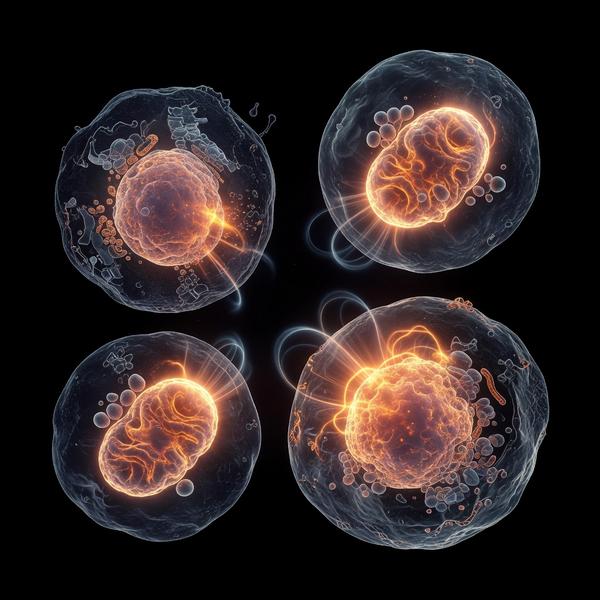
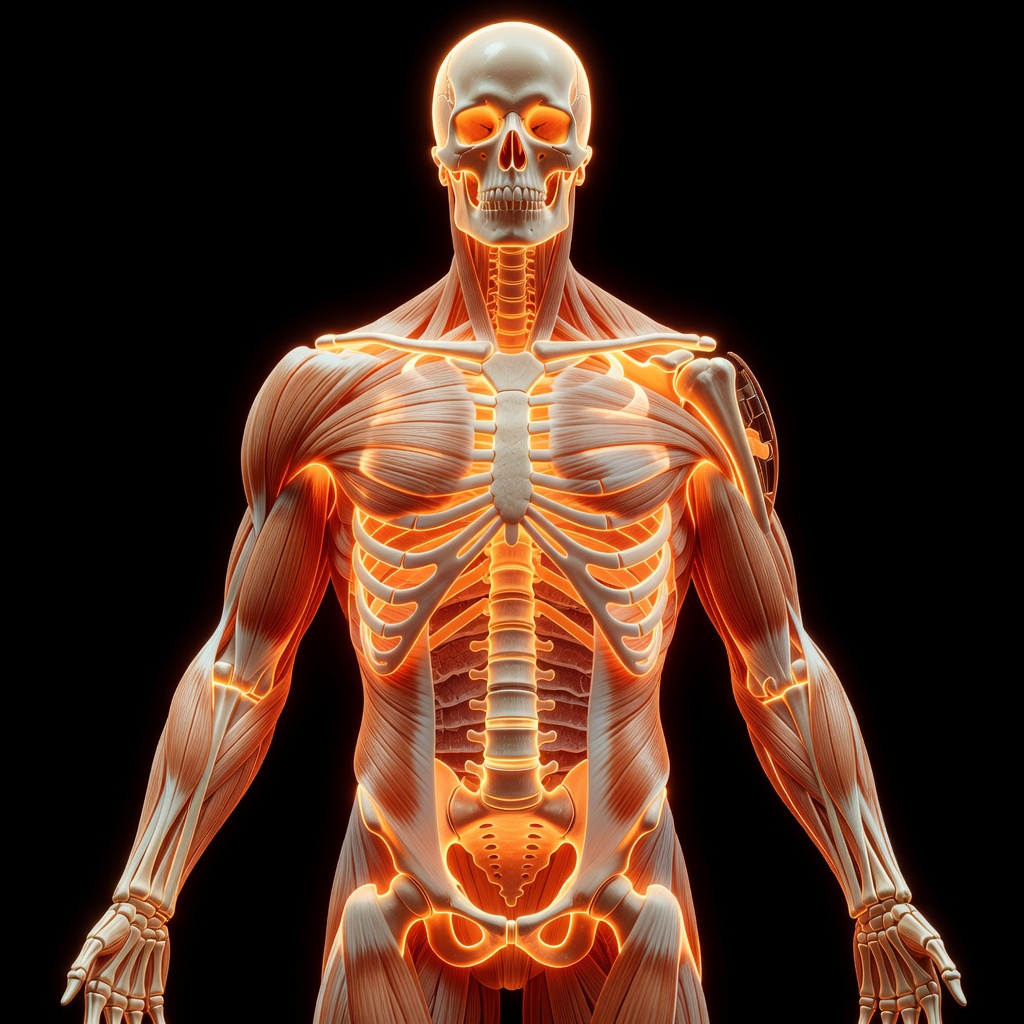
The bladder is not merely a storage vessel; it is a sophisticated organ lined by a specialized tissue called the urothelium. At the heart of healthy bladder function lies the urothelial barrier, a highly organized structure designed to shield the underlying nerves and muscle tissue from the caustic components of urine, including urea, potassium, and metabolic waste products. In individuals with Interstitial Cystitis (IC), also known as Bladder Pain Syndrome (BPS), this protective mechanism fails, leading to chronic inflammation and debilitating pain.
The Glycosaminoglycan (GAG) Layer: The First Line of Defense
At the luminal surface of the urothelium sits the glycosaminoglycan (GAG) layer. This complex, hydrophilic gel is composed of long, unbranched polysaccharides—primarily hyaluronic acid, chondroitin sulfate, and heparan sulfate. The GAG layer functions as a physical and chemical barrier, preventing the adhesion of bacteria and, more importantly, preventing the infiltration of urinary solutes into the sensitive bladder wall.
The Pathophysiology of GAG Depletion
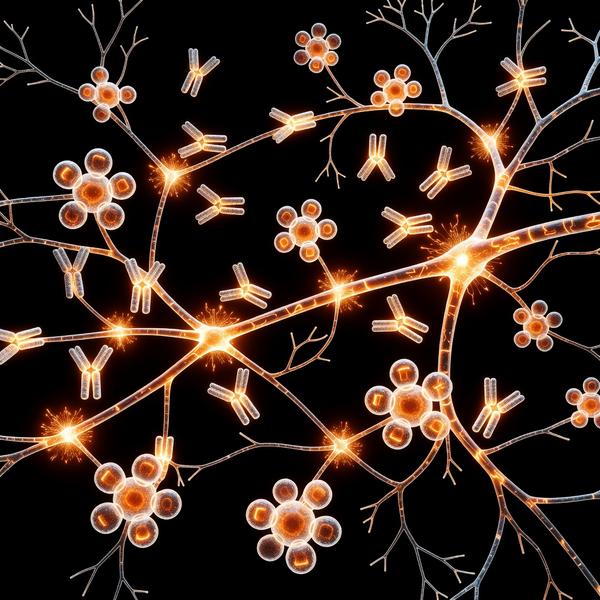
When the GAG layer is compromised or thinned, the underlying urothelial cells become exposed to urine. This 'leaky bladder' phenomenon is a hallmark of IC. Research suggests that potassium ions are particularly damaging. Once the GAG layer is depleted, urinary potassium can penetrate the urothelium and depolarize the sensory nerves located beneath the surface. This triggers a cascade of inflammatory mediators, including histamine and nerve growth factor (NGF), leading to the classic symptoms of urgency, frequency, and pelvic pain.
Root Causes of Barrier Dysfunction
Why does the GAG layer degrade? Several factors contribute to this breakdown. Chronic subclinical inflammation can cause urothelial cells to stop producing necessary protective proteins. Furthermore, hormonal imbalances—particularly low estrogen—are linked to the thinning of the bladder lining. Autoimmune processes and persistent oxidative stress also play significant roles in the systemic degradation of these protective proteins.
Clinical Implications and Therapeutic Strategies
Understanding that IC is often a disease of barrier dysfunction has shifted the focus from merely managing symptoms to protecting the urothelium. Therapeutic strategies often involve 'bladder coatings' that aim to replicate the GAG layer, such as intravesical instillations of chondroitin sulfate or heparin. By restoring the barrier integrity, the nerve endings are shielded, and the cycle of neurogenic inflammation is interrupted, allowing the patient to regain control of their bladder function.
Conclusion
For those living with Interstitial Cystitis, the struggle is often characterized by the body's inability to protect itself from its own waste. By focusing on the health of the GAG layer and restoring the integrity of the urothelial barrier, we move closer to addressing the fundamental cause of the disease rather than masking the symptoms.
This article is provided for informational and educational purposes only. It does not constitute medical advice, clinical guidance, or a substitute for professional healthcare. Information reflects cited research at time of publication. Always consult a qualified healthcare professional before acting on any health information.
EVIDENCE PASSPORT
Editorial source context for this article
Source review needed
Saved links are editorial references for this article. They may support specific claims rather than every sentence. Open and assess each source in context. This passport does not independently verify them.
Editorial context
A complete editorial reading has not been recorded for this article, and no source links are saved on its record.
Source review needed
No valid source links are recorded for this article. Supplementary research, where available, is listed separately below.
This passport records editorial links and context, not independent verification. Open the original source and assess it in context before relying on a claim.
Medical Disclaimer
The information in this article is for educational purposes only and does not constitute medical advice, diagnosis, or treatment. Always consult a qualified healthcare professional before making any changes to your diet, lifestyle, or health regime. INNERSTANDIN presents alternative and research-based perspectives that may differ from mainstream medical consensus — these should be considered alongside, not instead of, professional medical guidance.
Read Full DisclaimerContinue the thread
Keep this question moving.
Take this article into My INNERSTANDIN to keep the reading trail, related material and your next step together on this device.
RABBIT HOLE
Follow the biological thread deeper