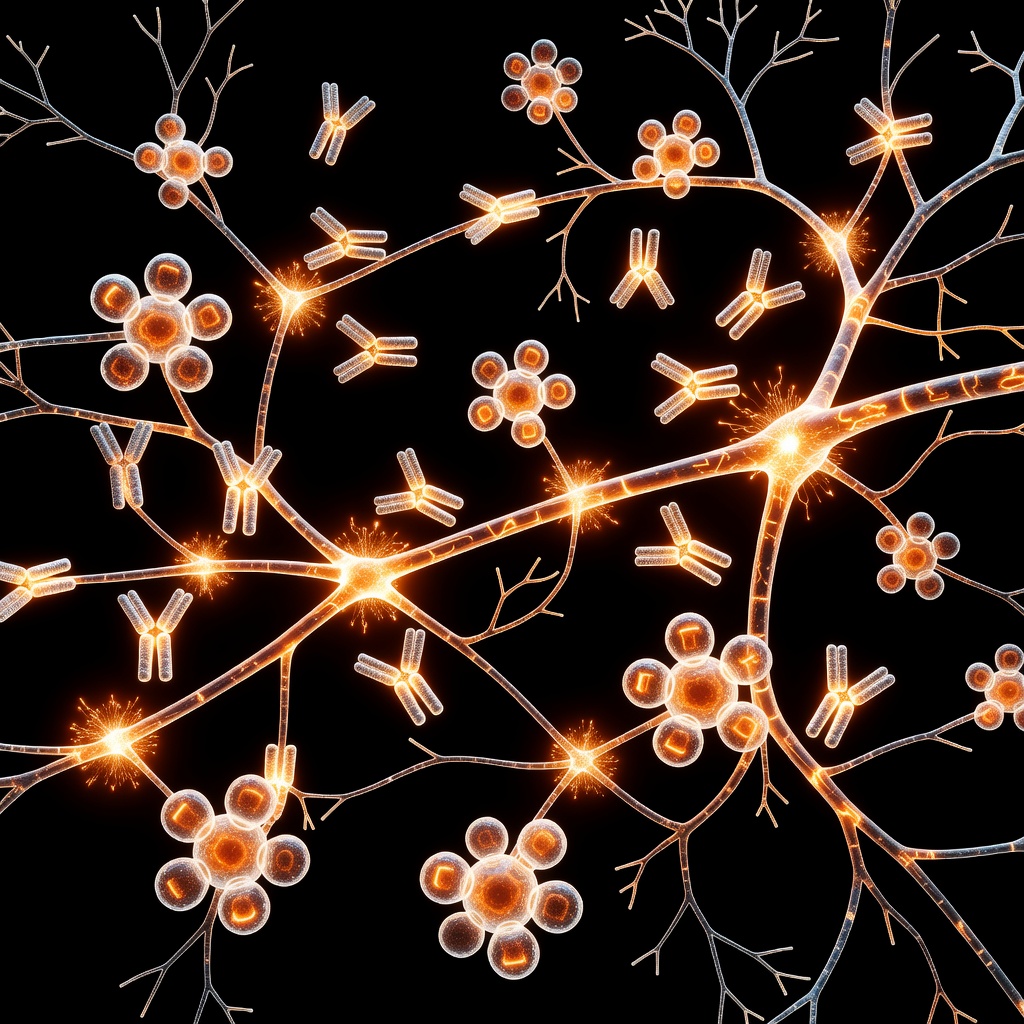
Neuropeptide Subversion: The Vagus Nerve and Mast Cell Crosstalk
The bidirectional communication between the autonomic nervous system and the immune system is a cornerstone of mast cell regulation that remains under-researched in standard clinical settings. This article dissects the 'neuro-immune synapse,' explaining how neuropeptides like Substance P bypass traditional allergic pathways to trigger degranulation. We explore how vagal tone dictates mast cell stability in the presence of chronic stress.
The proximity of mast cells to nerve endings is not coincidental; it is a fundamental feature of the body's early warning system. In the gut, skin, and respiratory tract, mast cells are positioned within micrometers of sensory nerve fibers. This anatomical arrangement creates what is known as the 'neuro-immune synapse.' When the nervous system perceives a threat—whether physical, chemical, or psychological—it releases neuropeptides such as Substance P and Calcitonin Gene-Related Peptide (CGRP). These neuropeptides bind directly to receptors on mast cells, such as the MRGPRX2 receptor, triggering immediate degranulation.
This neurogenic inflammation is a major component of MCAS that is completely missed by standard allergy testing, which only looks for IgE-mediated triggers. The Vagus nerve, the primary component of the parasympathetic nervous system, plays a critical role in dampening this response through the 'cholinergic anti-inflammatory pathway.' Acetylcholine released by the vagus nerve acts on nicotinic alpha-7 receptors to inhibit the release of pro-inflammatory cytokines from mast cells. However, in states of chronic stress or 'dysautonomia,' vagal tone is diminished, leaving mast cells in a state of uninhibited hyper-excitability. This explains why MCAS patients often flare during emotional stress or following viral infections that impact the autonomic nervous system.
Evidence-based interventions must therefore include strategies to increase vagal tone, such as cold-water immersion, diaphragmatic breathing, and even transcutaneous vagus nerve stimulation (tVNS). By addressing the neuropeptide triggers and reinforcing the parasympathetic brakes, we can stabilize mast cells from a neurological perspective, providing a level of control that antihistamines alone cannot achieve.
This article is provided for informational and educational purposes only. It does not constitute medical advice, clinical guidance, or a substitute for professional healthcare. Information reflects cited research at time of publication. Always consult a qualified healthcare professional before acting on any health information.
RESEARCH FOUNDATIONS
Biological Credibility Archive
Citations provided for educational reference. Verify via PubMed or institutional databases.
Medical Disclaimer
The information in this article is for educational purposes only and does not constitute medical advice, diagnosis, or treatment. Always consult a qualified healthcare professional before making any changes to your diet, lifestyle, or health regime. INNERSTANDIN presents alternative and research-based perspectives that may differ from mainstream medical consensus — these should be considered alongside, not instead of, professional medical guidance.
Read Full DisclaimerReady to learn more?
Continue your journey through our classified biological research.
DISCUSSION ROOM
Members of THE COLLECTIVE discussing "Neuropeptide Subversion: The Vagus Nerve and Mast Cell Crosstalk"
SILENT CHANNEL
Be the first to discuss this article. Your insight could help others understand these biological concepts deeper.
THE ARSENAL
Based on Mast Cell Activation Syndrome — products curated by our research team for educational relevance and biological support.
Energy Blend Supports
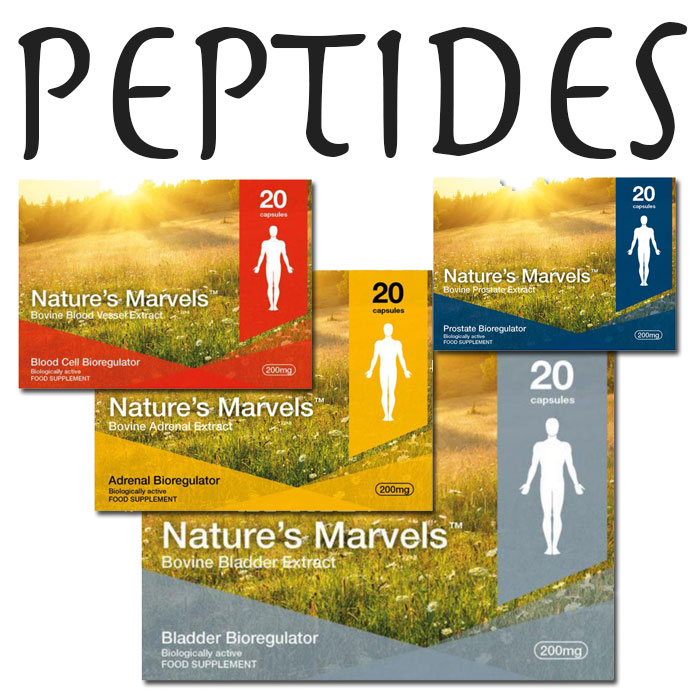
Peptides, one of the secret Russian military health marvels, now available. 40 years research
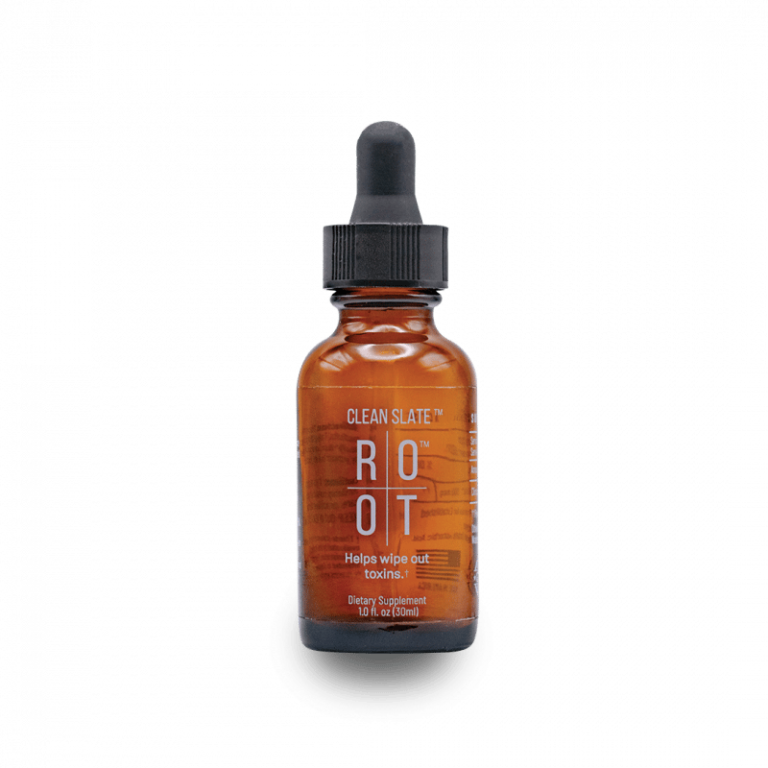
Clean Slate – Detoxes thousands of chemicals,heavy metals, pesticides, allergens, mold spores and fungus
INNERSTANDING may earn a commission on purchases made through these links. All products are selected based on rigorous educational relevance to our biological research.
RABBIT HOLE
Follow the biological thread deeper