
Vascular Glycocalyx Shedding: The Invisible Precursor to Coagulopathy
Published April 2026
The endothelial glycocalyx is the body's 'non-stick' coating, a delicate gel layer that regulates everything from vessel permeability to clot formation. When this layer is 'shaved' off by inflammation or high glucose, it exposes the underlying endothelium, triggering immediate microclot formation. This article details the mechanisms of glycocalyx degradation and why its restoration is the missing link in preventing systemic microclotting.
Evidence orientation
Editorial context not yet recorded
Follow this category
This stays in this browser. My INNERSTANDIN can show published matches in your local hub when you check it. It does not send email, push, or alert notifications.
Local learning review
A private browser aid for revisiting ideas. It is not an alert or a health recommendation.
Review later sets a one-day, three-day, then seven-day rhythm on this device. Choose it only when you want to revisit this article.
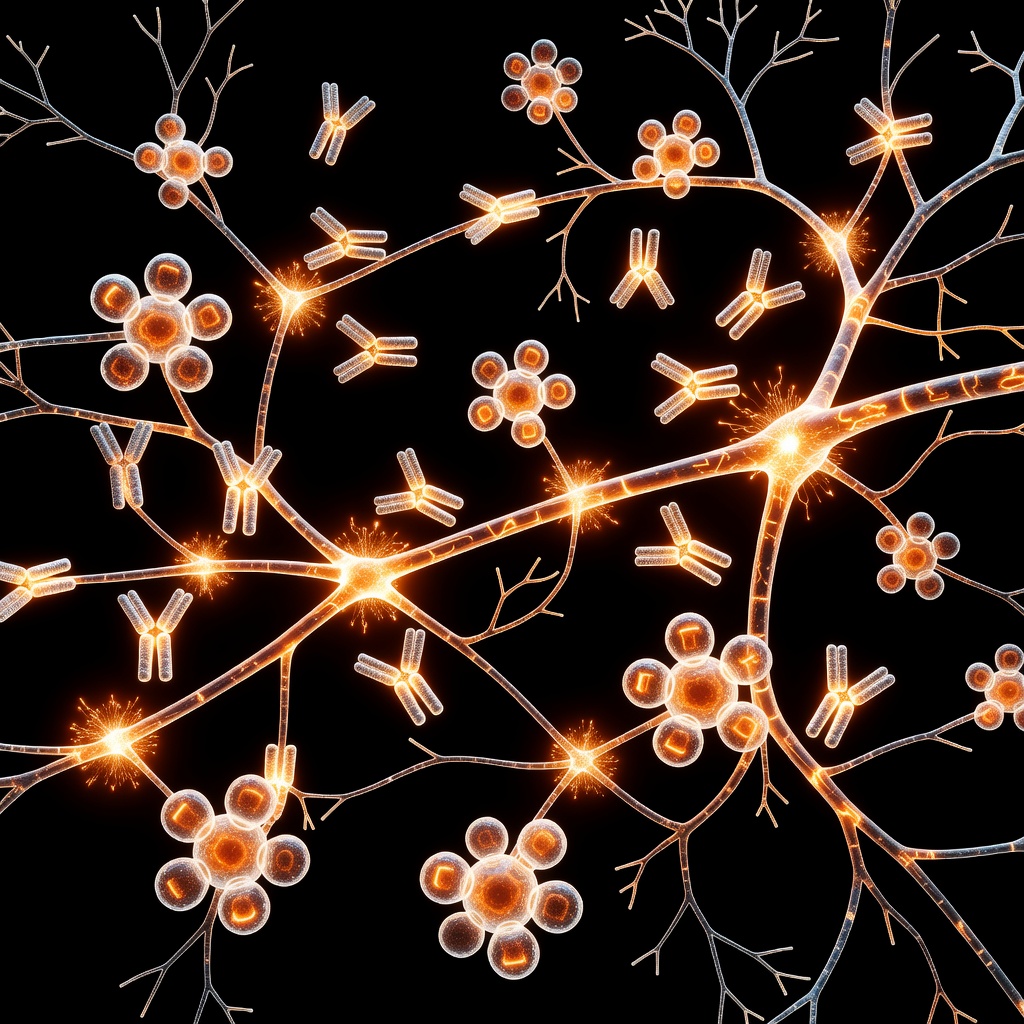
Every blood vessel in the human body is lined with a delicate, hair-like forest of proteoglycans and glycoproteins known as the glycocalyx. This structure is the primary interface between the blood and the vessel wall. Its function is crucial: it acts as a molecular sieve, a mechanosensor for shear stress, and, most importantly, a non-stick barrier that prevents platelets and red blood cells from adhering to the endothelium. In a healthy state, the glycocalyx maintains a negative charge that repels cellular components of the blood. However, this layer is incredibly fragile.
High blood sugar, oxidative stress, and pro-inflammatory cytokines like TNF-alpha can trigger the release of enzymes called metalloproteinases and hyaluronidases, which effectively 'shave' the glycocalyx. Once this barrier is compromised, the 'non-stick' coating is lost. Adhesion molecules such as ICAM-1 and VCAM-1 are exposed, and platelets immediately begin to tether to the vessel wall, forming microclots. This process is often invisible to standard imaging and blood tests. Mainstream medicine focuses on the downstream effects—high blood pressure or visible clots—but ignores the 'naked' vessel wall that allowed the problem to start.
Research shows that glycocalyx shedding is one of the earliest markers of cardiovascular disease and sepsis. Furthermore, the components of the shed glycocalyx, such as syndecan-1 and hyaluronan, enter the circulation and can themselves become pro-inflammatory signals. Environmental lifestyle factors, particularly a diet high in processed sugars and refined seed oils, are primary drivers of glycocalyx degradation. On the other hand, supporting the glycocalyx through specific nutrients like rhamnan sulfate, glucosamine, and chondroitin, along with maintaining optimal nitric oxide levels, can help rebuild this vital shield. Restoring the glycocalyx is not just about heart health; it is about maintaining the fundamental fluid dynamics of the microvasculature and preventing the spontaneous nucleation of microclots.
This article is provided for informational and educational purposes only. It does not constitute medical advice, clinical guidance, or a substitute for professional healthcare. Information reflects cited research at time of publication. Always consult a qualified healthcare professional before acting on any health information.
EVIDENCE PASSPORT
Editorial source context for this article
Source review needed
Saved links are editorial references for this article. They may support specific claims rather than every sentence. Open and assess each source in context. This passport does not independently verify them.
Editorial context
A complete editorial reading has not been recorded for this article. Source links remain available for you to open and assess directly.
Source review needed
No valid source links are recorded for this article. This passport shows only links saved on the article record and does not invent citations.
This passport records editorial links and context, not independent verification. Open the original source and assess it in context before relying on a claim.
Medical Disclaimer
The information in this article is for educational purposes only and does not constitute medical advice, diagnosis, or treatment. Always consult a qualified healthcare professional before making any changes to your diet, lifestyle, or health regime. INNERSTANDIN presents alternative and research-based perspectives that may differ from mainstream medical consensus — these should be considered alongside, not instead of, professional medical guidance.
Read Full DisclaimerContinue the thread
Keep this question moving.
Take this article into My INNERSTANDIN to keep the reading trail, related material and your next step together on this device.
Explore this in the Body Map
See where this hits your biology. Interactive anatomy, threats, and protective protocols.