
Zinc Deficiency: The Hidden Driver of UK Thymic Shrinkage
Updated May 2026
Zinc is essential for the production of thymulin, yet deficiency is rampant in the modern British diet. We detail how mineral depletion leads to the premature collapse of thymic architecture.
Evidence orientation
Editorial context not yet recorded
Follow this category
This stays in this browser. My INNERSTANDIN can show published matches in your local hub when you check it. It does not send email, push, or alert notifications.
Local learning review
A private browser aid for revisiting ideas. It is not an alert or a health recommendation.
Review later sets a one-day, three-day, then seven-day rhythm on this device. Choose it only when you want to revisit this article.
Overview
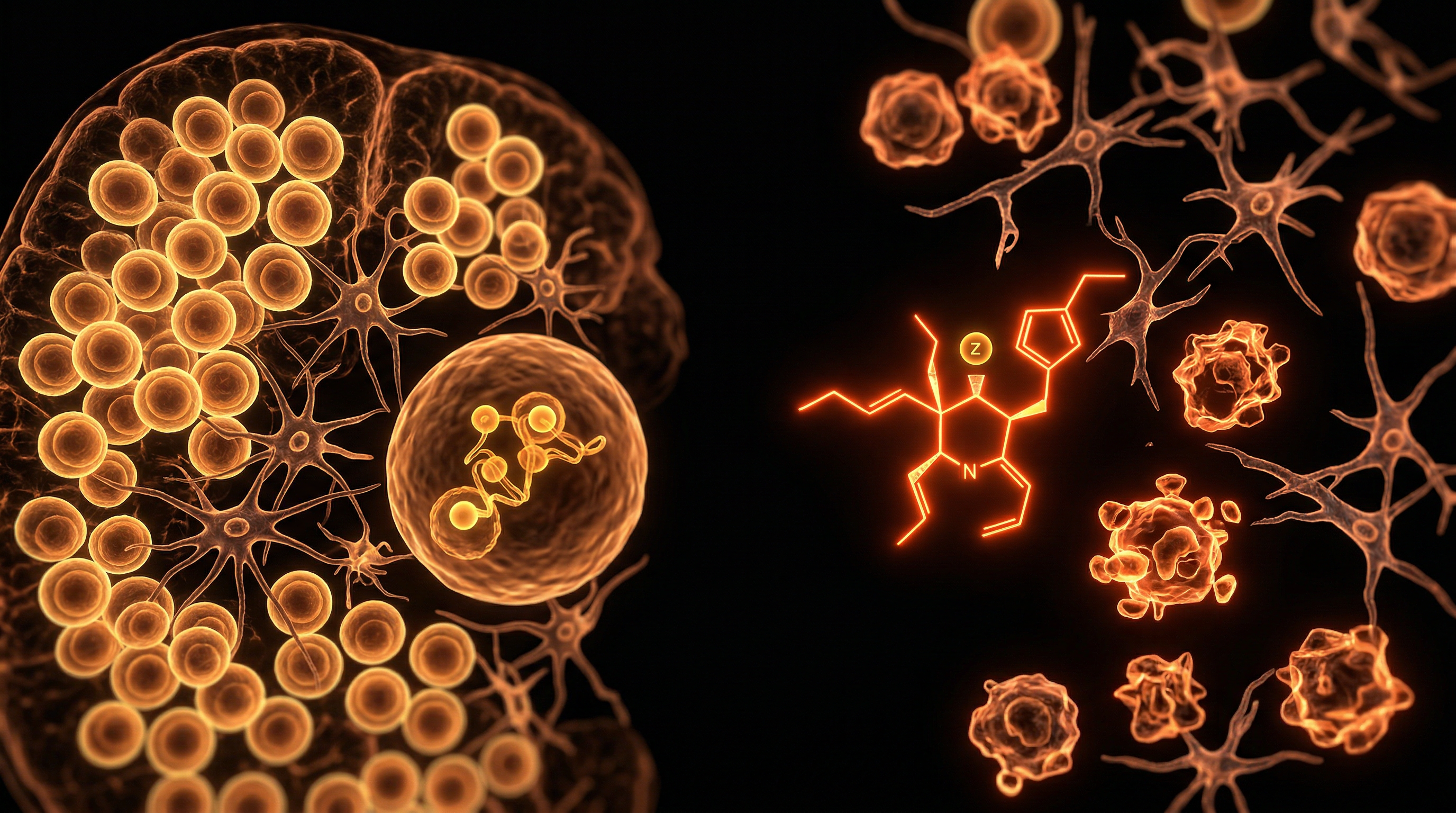
The human immune system is anchored by a small, pinkish-grey, lobulated organ situated in the upper anterior chest, directly behind the sternum and in front of the heart. This is the thymus gland. Often dismissed by conventional medicine as a vestigial remnant that serves its purpose in childhood and then safely withers away, the thymus is, in reality, the "master clock" of human longevity and immunological competence.
However, a silent crisis is unfolding across the British Isles. We are witnessing an unprecedented rate of thymic involution—the premature shrinking and fatty replacement of thymic tissue. While some degree of age-related atrophy is considered physiological, the current trajectory observed in the UK population suggests a pathological acceleration. At the heart of this biological collapse lies a systemic, overlooked deficiency in a single trace element: Zinc.
Zinc is not merely a supplement for the common cold; it is the structural and catalytic linchpin of the thymic microenvironment. Without it, the gland cannot produce thymulin, the primary hormone responsible for T-cell differentiation. As the UK diet shifts further toward processed, phytate-heavy grains and mineral-depleted produce, the "Zinc-Thymus Axis" is breaking down. This article explores the hidden mechanisms behind this mineral-driven erosion and why the preservation of thymic architecture is the most critical, yet neglected, frontier in modern British public health.
The Biological Reality: By the age of 50, the average individual has lost approximately 80% of their functional thymic epithelial space, a process significantly accelerated by subclinical zinc deficiency.
The Biology — How It Works
The thymus serves as the primary lymphoid organ where bone-marrow-derived progenitor cells are transformed into mature, immunocompetent T-lymphocytes (T-cells). This process, known as thymopoiesis, is a rigorous "educational" programme that ensures T-cells can distinguish between the body’s own proteins and foreign invaders.
The Role of Thymulin
At the centre of this maturation process is a nonapeptide hormone called thymulin. Discovered in the 1970s, thymulin is unique because its biological activity is strictly dependent on the presence of zinc. Specifically, the hormone must bind to a zinc ion to adopt its active conformation. In the absence of zinc, the body produces "apo-thymulin"—a biologically inactive precursor that occupies receptors without triggering the necessary signalling for T-cell development.
Thymic Architecture and Zinc
The thymus is divided into the outer cortex and the inner medulla.
- The Cortex: Here, immature thymocytes undergo rapid proliferation. Zinc-dependent enzymes are required for DNA polymerase activity and protein synthesis during this high-turnover phase.
- The Medulla: Here, T-cells undergo "negative selection," where those that react against the self are purged.
When zinc levels drop, the structural integrity of the Thymic Epithelial Cells (TECs)—the scaffolding of the gland—begins to crumble. These cells provide the cytokines and physical contact necessary for thymocyte survival. Without zinc, the TECs undergo apoptosis (programmed cell death), and the vacated space is filled with adipose (fatty) tissue. This is the hallmark of thymic shrinkage.
Mechanisms at the Cellular Level
To understand why zinc is non-negotiable for the thymus, we must look at the specific molecular pathways that govern the life and death of immune cells.
1. Zinc Finger Proteins and Transcription
Zinc is a structural component of zinc finger motifs, which are essential for the stability of transcription factors. These factors "read" the genetic code to produce the proteins required for immune response. In the thymus, these zinc fingers regulate the expression of the GATA-3 and T-bet genes, which dictate whether a T-cell becomes a helper (Th1/Th2) or a killer cell. A lack of zinc effectively "mutes" the genetic instructions for building an immune system.
2. The Apoptosis Switch
One of the most profound effects of zinc deficiency is the spontaneous induction of apoptosis in thymocytes. Zinc acts as a potent inhibitor of caspase-3, the "executioner" enzyme in the cell death pathway. When intracellular zinc concentrations fall below a specific threshold, the protective barrier is removed, and immature T-cells begin to die off before they can ever reach maturity.
3. ZIP and ZnT Transporters
The movement of zinc into and out of thymic cells is governed by two families of transporters: ZIP (Zrt- and Irt-like proteins) which bring zinc into the cytoplasm, and ZnT (Zinc Transporters) which move it out or into organelles. In chronic inflammatory states—common in the modern UK lifestyle—these transporters are dysregulated. Pro-inflammatory cytokines like IL-6 can sequester zinc into the liver, leaving the thymus in a state of localized "starvation" even if total body stores seem adequate on paper.
4. Redox Homeostasis
The thymus is highly metabolic and produces significant Reactive Oxygen Species (ROS). Zinc is a co-factor for Superoxide Dismutase (Cu/Zn-SOD), an enzyme that neutralises these free radicals. Without sufficient zinc, the thymic microenvironment becomes a site of oxidative stress, leading to the lipid peroxidation of cell membranes and the eventual scarring of the glandular tissue.
Environmental Threats and Biological Disruptors
The collapse of the UK’s thymic health is not an accident of evolution; it is the result of a multi-pronged environmental assault that prevents zinc from ever reaching the gland.
Soil Depletion and NPK Fertilizers
For decades, British agriculture has relied on NPK (Nitrogen, Phosphorus, Potassium) fertilizers. While these chemicals produce large, green crops, they do nothing to replenish the 70+ trace minerals found in healthy soil. Our topsoil is increasingly "zinc-anaemic." Consequently, a British carrot or stalk of broccoli today contains significantly less zinc than its counterpart from the 1940s.
The Glyphosate Factor
The widespread use of glyphosate-based herbicides in the UK poses a direct threat to mineral status. Glyphosate is a potent chelator, meaning it binds to minerals like zinc, magnesium, and manganese in the soil and within the plant, making them biologically unavailable to the human consumer. Even if the food technically contains zinc, it may be locked in a chemical bond that the human digestive tract cannot break.
Phytates and the "Healthy" Whole Grain Myth
The UK’s dietary guidelines have long promoted high consumption of whole grains. However, the outer husks of grains contain phytates (phytic acid). Phytates are anti-nutrients that bind to zinc in the intestinal lumen, forming insoluble complexes that are excreted rather than absorbed. In a population where bread and cereals are staples, the "phytate-to-zinc ratio" is often so high that zinc absorption is inhibited by up to 80%.
Heavy Metal Competition
In the industrialised UK environment, we are exposed to toxic metals like cadmium and lead through old piping, air pollution, and contaminated seafood. Cadmium, in particular, mimics zinc. It can "trick" the body into taking it up, where it then displaces zinc from the active sites of enzymes. When cadmium occupies a zinc finger or a thymulin molecule, the result is a dysfunctional, toxic mimic that further accelerates thymic decay.
Critical Fact: Chronic exposure to cadmium, often found in cigarette smoke and industrial runoff, can reduce thymic weight by 40% in just six months by displacing zinc from the gland’s architecture.
The Cascade: From Exposure to Disease
What happens when the thymus shrinks due to zinc deficiency? The result is a systemic failure of the "Immunostat," leading to a predictable cascade of chronic disease.
1. Immunosenescence and "Inflammaging"
As the thymus shrinks, the output of "naive" T-cells (those ready to learn new pathogens) drops to a trickle. The body is forced to rely on "memory" T-cells that have already been exposed to past infections. This leads to immunosenescence—the ageing of the immune system. This state is characterised by inflammaging, a low-grade, chronic systemic inflammation that drives heart disease, Alzheimer’s, and type 2 diabetes.
2. The Rise of Autoimmunity
A primary job of the thymus is the deletion of self-reactive T-cells. When zinc deficiency compromises the "negative selection" process in the medulla, these rogue cells escape into the bloodstream. Once there, they attack the body’s own tissues. The explosion of autoimmune conditions in the UK—from Hashimoto’s thyroiditis to Rheumatoid Arthritis—can be traced back to the failure of the "Thymic School" to properly vet its graduates.
3. Vulnerability to Viral Pathogens
The thymus is the production line for the cells that fight viruses. Without zinc, the T-cell repertoire narrows. This explains why certain segments of the population are disproportionately affected by seasonal respiratory viruses. Their "T-cell library" is too small to recognise and respond to novel viral strains.
4. Cancer Surveillance Failure
T-cells are the body’s primary defence against internal mutations. Cytotoxic T-lymphocytes identify and destroy pre-cancerous cells. A shrunken thymus cannot produce enough of these "sentinel" cells. There is a direct statistical correlation between thymic volume (determined by MRI) and the risk of developing solid tumours in later life.
What the Mainstream Narrative Omits
The mainstream medical establishment in the UK largely treats thymic atrophy as a "fait accompli"—an unavoidable consequence of getting older. This narrative is not only scientifically incomplete; it is dangerously misleading.
The RDA Fallacy
The UK's Recommended Dietary Allowance (RDA) for zinc is approximately 9.5mg for men and 7mg for women. These figures are calculated to prevent overt, gross deficiency (like skin lesions or total hair loss). They are not calculated to maintain the metabolic demands of the thymus gland under conditions of modern stress, pollution, and high-sugar diets (which increase zinc excretion). For optimal thymic "rejuvenation," the required dose is likely three to four times the current RDA.
The Focus on "Antibodies" vs. "Cell-Mediated Immunity"
Public health discourse focuses almost exclusively on antibodies (B-cell response). However, antibodies are useless without the T-cells that orchestrate the entire immune response. By ignoring the thymus—the T-cell factory—and focusing only on the final products (antibodies), the medical establishment is treating the symptoms of immune decline rather than the root cause.
The Zinc-Ionophore Connection
Modern research has highlighted the importance of ionophores—substances that help transport zinc across the fatty cell membrane. The mainstream narrative rarely mentions that zinc's effectiveness is multiplied when combined with natural ionophores like quercetin or EGCG (from green tea). Without these "keys," zinc often stays stuck in the bloodstream, unable to enter the thymic epithelial cells where it is needed most.
The UK Context
The United Kingdom presents a unique and troubling case study in zinc-driven thymic erosion.
The "Bread and Tea" Culture
The traditional British diet is heavy on two things that sabotage zinc: tannins and phytates. Strong black tea, consumed with or shortly after meals, contains tannins that inhibit mineral absorption. When combined with a diet high in ultra-processed bread and fortified (but poorly absorbed) cereals, the average Briton is in a state of "functional starvation" regarding trace minerals.
The NHS Guidelines Gap
NHS dietary advice continues to prioritise "low fat" and "high fibre" without acknowledging the mineral-binding properties of many fibre sources or the necessity of animal-derived fats (like those found in zinc-rich oysters or grass-fed beef) for the absorption of fat-soluble vitamins that work synergistically with zinc.
Soil and Geography
Much of the UK's soil is naturally low in selenium and zinc due to the country's geological history and heavy rainfall, which leaches minerals from the topsoil. Unlike in the United States, where some regions have mineral-rich volcanic soil, the UK is almost entirely dependent on artificial inputs to maintain crop yields, creating a population that is "full but malnourished."
Statistics from the Field: Estimates suggest that up to 25% of the UK population over the age of 65 is clinically zinc deficient, with over 60% falling into the "sub-clinical" category, where thymic function is impaired despite "normal" blood test results.
Protective Measures and Recovery Protocols
While thymic involution was once thought to be irreversible, emerging science suggests that the gland possesses a remarkable capacity for regeneration, provided the necessary biochemical precursors are supplied.
1. Targeted Supplementation
To reverse thymic shrinkage, one must bypass the "RDA trap."
- Forms Matter: Zinc picolinate and zinc bisglycinate are highly bioavailable. Zinc oxide, commonly found in cheap high-street supplements, has an absorption rate of less than 5%.
- The Copper Balance: Long-term zinc supplementation can deplete copper. A ratio of roughly 15:1 (Zinc to Copper) is essential to prevent secondary anaemia and neurological issues.
- The Ionophore Protocol: Supplementing with 500mg of Quercetin alongside zinc ensures the mineral reaches the intracellular compartment of the thymus.
2. Dietary Realignment
- Bioavailable Sources: Oysters remain the gold standard, containing more zinc per gram than any other food. Grass-fed British beef, lamb, and venison provide zinc in a matrix of amino acids that facilitate absorption.
- Sprouting and Fermenting: To reduce phytate content, grains and seeds must be sprouted or sourdough-fermented. This "pre-digests" the phytic acid, releasing the bound zinc for human absorption.
- Stomach Acid Optimization: Zinc requires an acidic environment in the stomach to be ionised. The widespread use of proton pump inhibitors (PPIs) for acid reflux in the UK is a major driver of deficiency. Supporting stomach acid with Betaine HCl or apple cider vinegar can significantly improve mineral status.
3. Hormonal Support
The thymus is part of the endocrine system. Growth hormone (GH) and thyroid hormones (T3/T4) act synergistically with zinc to stimulate the production of new thymocytes. Ensuring deep sleep (to boost GH) and supporting thyroid health (with iodine and selenium) creates the right hormonal "weather" for the thymus to regrow.
4. Stress Mitigation
Chronic stress elevates cortisol, which is "thymolytic"—it literally melts thymic tissue. Cortisol also increases the urinary excretion of zinc. A "thymus-protective" lifestyle must include strategies to dampen the sympathetic nervous system response.
Summary: Key Takeaways
The silent shrivelling of the British thymus is not an inevitable consequence of time, but a biological reaction to a mineral-depleted environment.
- Zinc is the Architect: Without active thymulin—which requires zinc—the thymus cannot produce the T-cells necessary for life.
- Environmental Sabotage: Soil depletion, glyphosate, and phytates in the modern diet create a "perfect storm" for zinc deficiency.
- The Cost of Neglect: Premature thymic involution is the primary driver of the UK’s rising rates of autoimmunity, cancer, and chronic inflammation.
- The Path Forward: Reclaiming thymic health requires a move away from "RDA-level" thinking toward a comprehensive strategy of bioavailable supplementation, ionophore support, and dietary wisdom.
The thymus is the seat of our vitality and our first line of defence. To allow it to wither due to a lack of a simple, inexpensive trace mineral is a failure of modern medicine—but for the individual, it is an opportunity for profound biological restoration. By restoring the "Zinc-Thymus Axis," we can effectively "turn back the clock" on immune ageing and reclaim the resilience that is our evolutionary birthright.
This article is provided for informational and educational purposes only. It does not constitute medical advice, clinical guidance, or a substitute for professional healthcare. Information reflects cited research at time of publication. Always consult a qualified healthcare professional before acting on any health information.
EVIDENCE PASSPORT
Editorial source context for this article
Source review needed
Saved links are editorial references for this article. They may support specific claims rather than every sentence. Open and assess each source in context. This passport does not independently verify them.
Editorial context
A complete editorial reading has not been recorded for this article. Source links remain available for you to open and assess directly.
Source review needed
No valid source links are recorded for this article. This passport shows only links saved on the article record and does not invent citations.
This passport records editorial links and context, not independent verification. Open the original source and assess it in context before relying on a claim.
Medical Disclaimer
The information in this article is for educational purposes only and does not constitute medical advice, diagnosis, or treatment. Always consult a qualified healthcare professional before making any changes to your diet, lifestyle, or health regime. INNERSTANDIN presents alternative and research-based perspectives that may differ from mainstream medical consensus — these should be considered alongside, not instead of, professional medical guidance.
Read Full DisclaimerContinue the thread
Keep this question moving.
Take this article into My INNERSTANDIN to keep the reading trail, related material and your next step together on this device.
Explore this in the Body Map
See where this hits your biology. Interactive anatomy, threats, and protective protocols.
Dig deeper in the Library
Free, longform PDF volumes that go beyond headlines into mechanisms and references.