
Heart
The heart is a muscular organ of extraordinary precision and endurance, contracting approximately 100,000 times per day — 2.
This article is provided for informational and educational purposes only. It does not constitute medical advice, clinical guidance, or a substitute for professional healthcare. Information reflects cited research at time of publication. Always consult a qualified healthcare professional before acting on any health information.
The Biological Intelligence
The heart is a muscular organ of extraordinary precision and endurance, contracting approximately 100,000 times per day — 2.5 billion times in an average lifetime — without rest or voluntary control. Beyond its mechanical function, the heart possesses a sophisticated neural network of over 40,000 neurons — sometimes called the 'heart brain' — capable of independent sensory function and communication with the cranial brain via the vagus nerve. The cardiovascular system is particularly vulnerable to inflammatory assault, with the heart generating the body's strongest electromagnetic field, which is sensitive to external EMF interference.
“5 billion times in an average lifetime — without rest or voluntary control.
”
Vital Statistics
Environmental Threats
Heavy Metals (Lead, Cadmium)
THREAT LEVEL: HIGHThese metals accumulate in cardiac and vascular tissue, inducing hypertension, promoting arterial plaque formation, and disrupting electrical rhythm.
Air Pollution
THREAT LEVEL: HIGHPM2.5 particles trigger systemic inflammation that directly damages the delicate endothelial lining of the arteries, accelerating atherosclerosis.
Processed Food Additives
THREAT LEVEL: HIGHIndustrial seed oils and synthetic emulsifiers promote the chronic inflammation and lipid peroxidation that drive cardiac pathology.
EMF Exposure
THREAT LEVEL: HIGHElectromagnetic radiation can interfere with the sinoatrial node and alter heart rate variability in sensitive individuals.
Mercury
THREAT LEVEL: HIGHMercury has a high affinity for cardiac tissue and binds to thiol-containing enzymes, reducing ATP availability for the heart's energy requirements.
Pathological Connections — Linked Conditions
Warning Signals
Resting heart rate consistently above 80 bpm or below 50 bpm
Heart rate variability (HRV) declining trend on wearable monitoring
Palpitations, skipped beats, or irregular rhythm sensations
Chest tightness or pressure that is exertional and relieved by rest
Ankle swelling or breathlessness when lying flat
Protective Protocol
Magnesium taurate (reduces arrhythmia risk and supports cardiac muscle function)
CoQ10 (200-400mg daily, essential for cardiac mitochondrial ATP production)
Nattokinase (fibrinolytic enzyme preventing arterial platelet aggregation)
Red light therapy (photobiomodulation improves cardiac mitochondrial respiration)
Elimination of industrial seed oils (stops lipid peroxidation-driven myocardial inflammation)
Intelligence Briefing
THE ARSENAL
Based on Heart content — products curated by our research team for educational relevance and biological support.
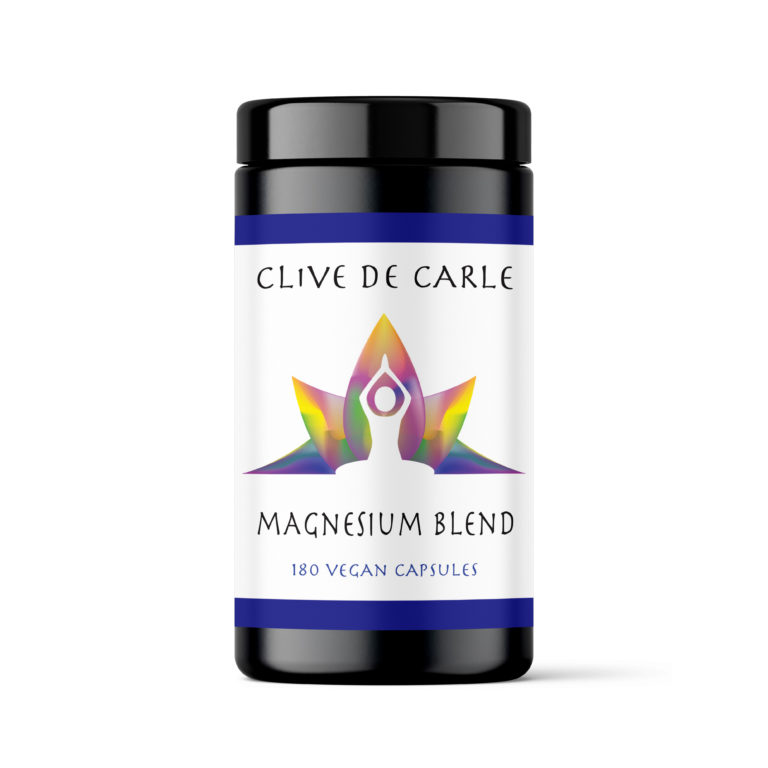
Magnesium Blend – The Most Important Mineral
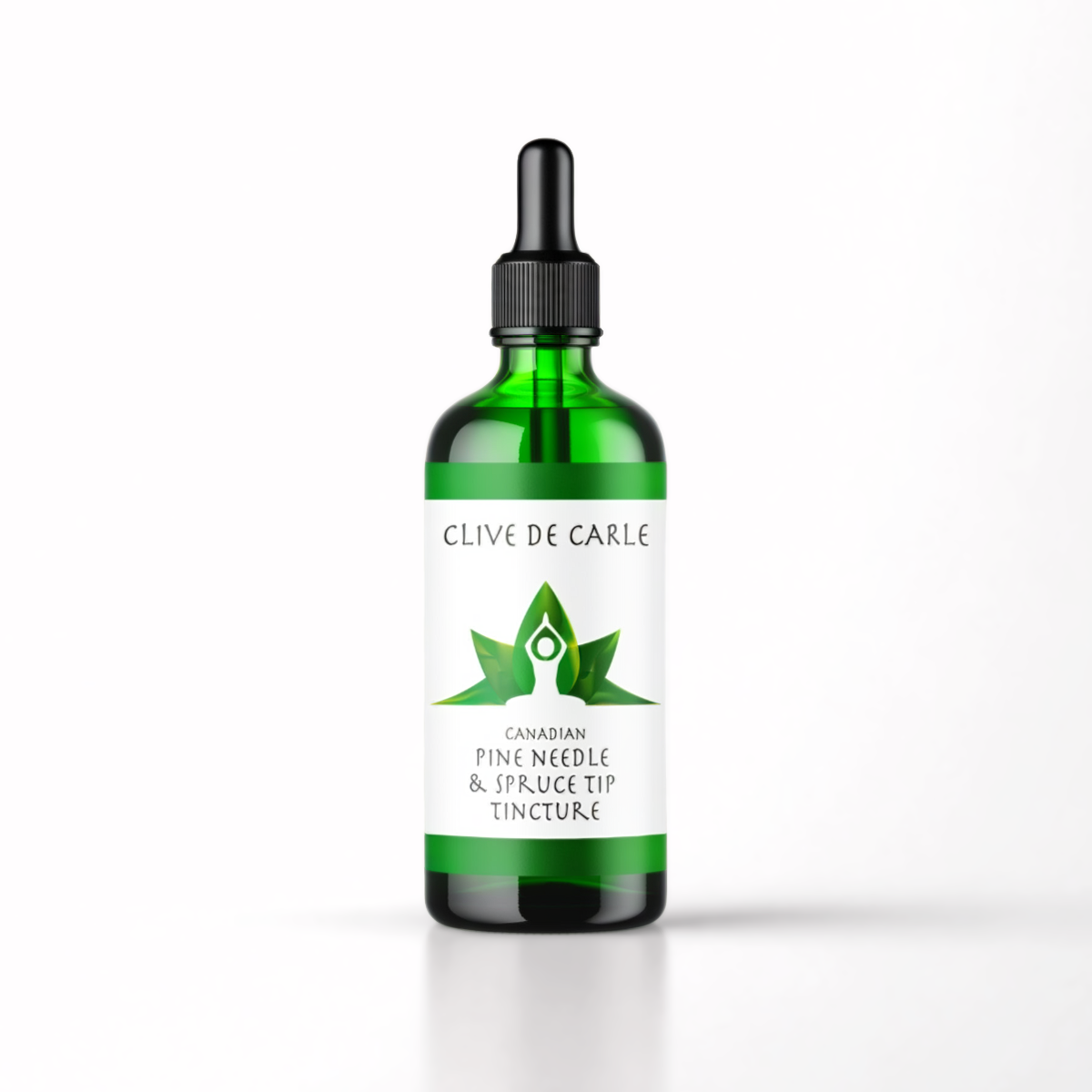
Canadian Pine Needle and Spruce Tip Tincture – Wild Harvested
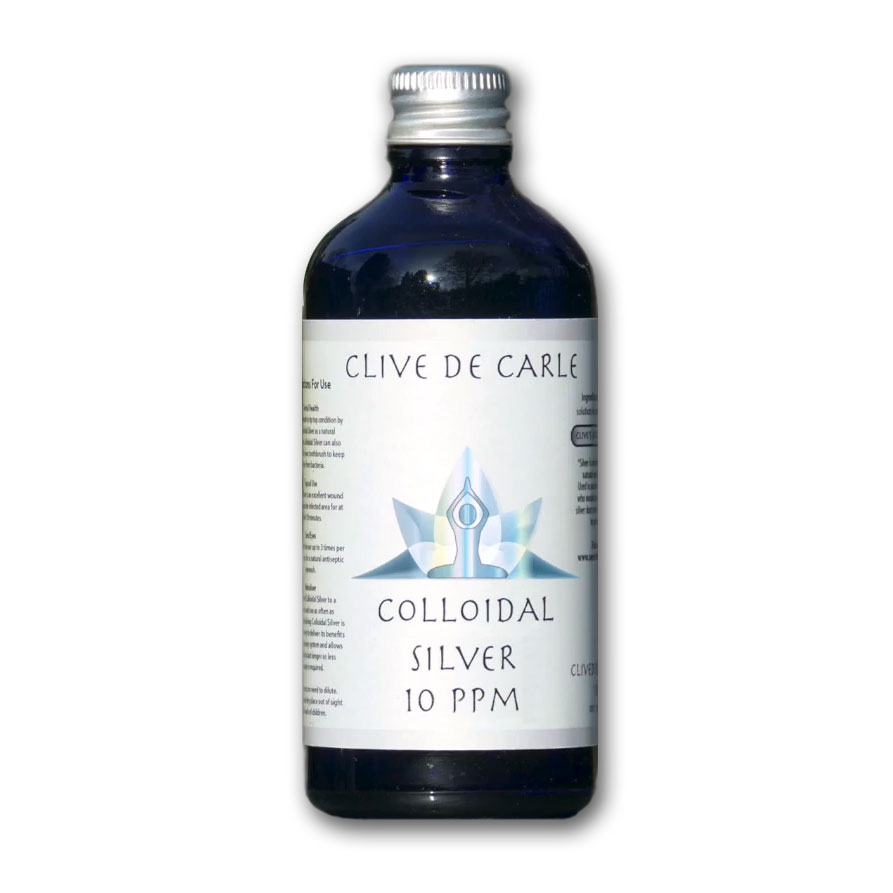
Colloidal Silver: 10ppm – Precision Particle Technology
INNERSTANDING may earn a commission on purchases made through these links. All products are selected based on rigorous educational relevance to our biological research.
Related Research
View All Archives →Where this organ takes you next
Every organ on the Body Map is a doorway. From heart we curate the exact science, tools, and protocols that matter — no generic links, just the biology that connects.
Explore Tools
Selected for heart based on 5 environmental threats, 5 warning signals, and 8 linked conditions.
Body Map
Explore this organ in the interactive anatomy atlas
Why for heart →
Health Pathway
Build a guided health pathway around this organ
Why for heart →
Curated pathway
These three tools were chosen because heart shows elevated vulnerability to heavy metals (lead, cadmium) and shares mechanisms with Cardiovascular Disease. Start with the highest, then follow the biology.
From the Arsenal
FROM THE ARSENAL
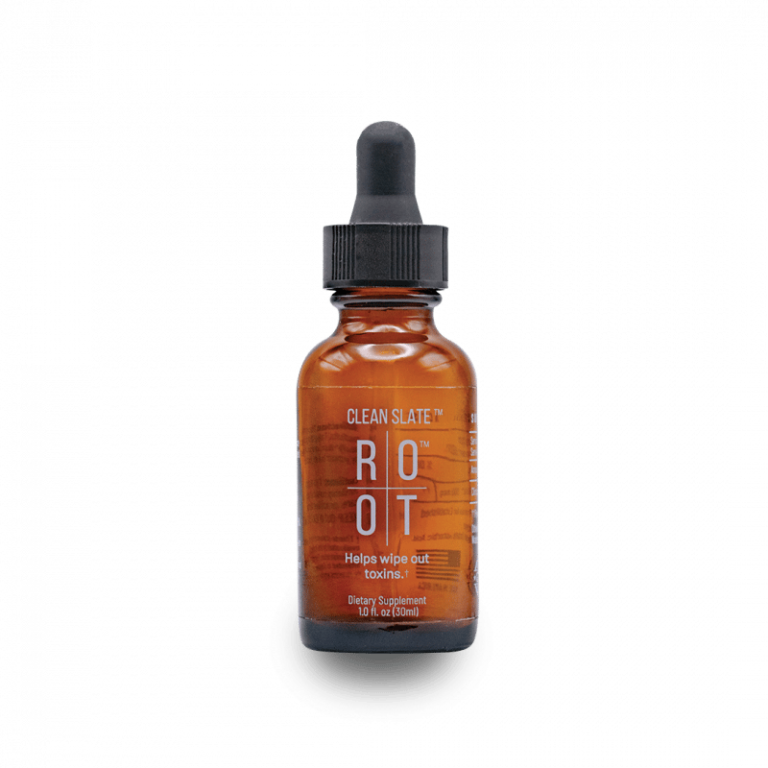
Clean Slate – Detoxes thousands of chemicals,heavy metals, pesticides, allergens, mold spores and fungus
CLIVE DE CARLE
Clean Slate is a cellular-level detoxifier that targets heavy metals, pesticides, and environmental toxins to unblock your body's natural defense pathways. It helps reduce systemic inflammation and restores the nutrient absorption sites often compromised by modern toxicity.
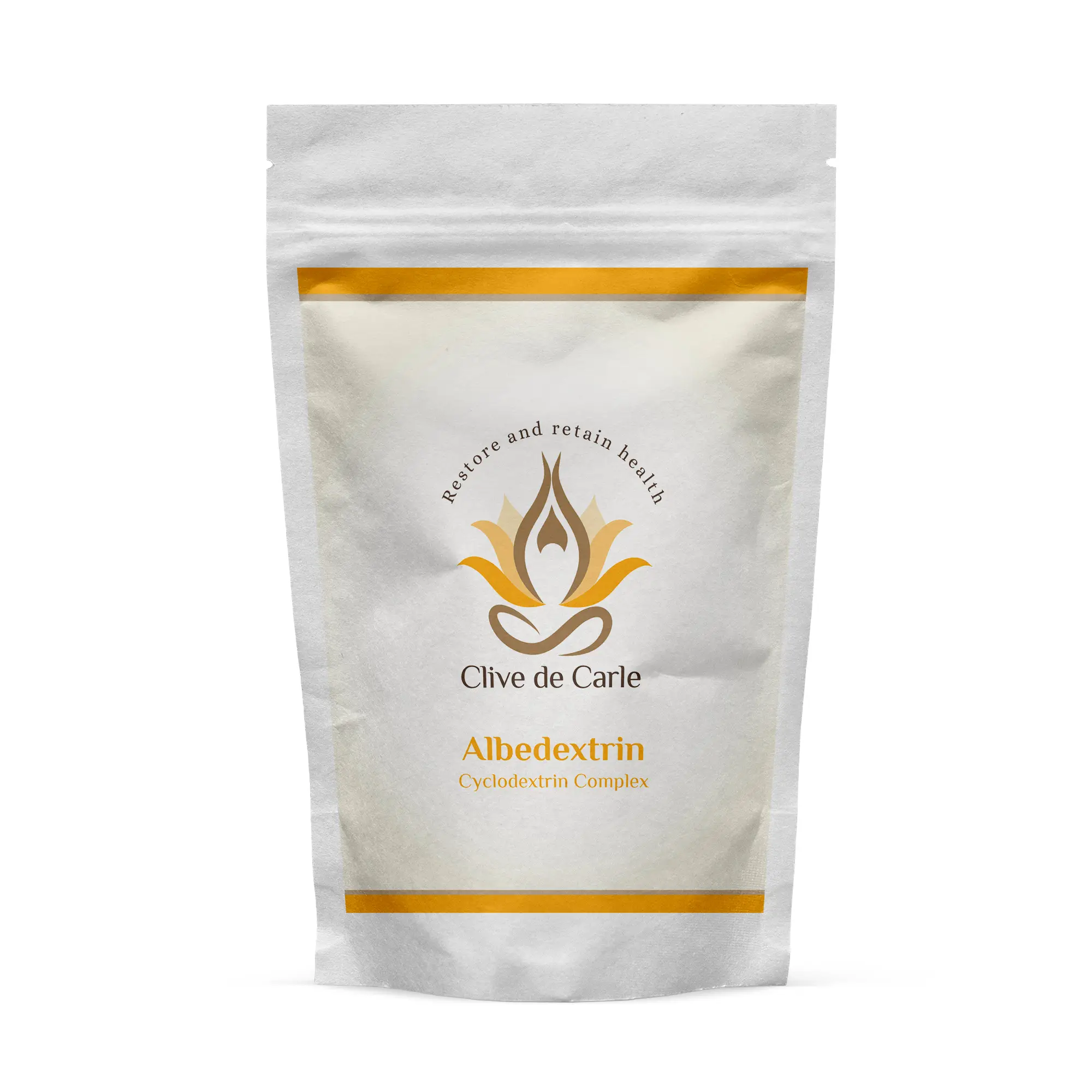
Albedextrin – Specialist Cyclodextrin Complex
CLIVEDECARLE
Albedextrin is a high-grade cyclodextrin complex designed to support systemic clarity and cellular efficiency when integrated into a structured nutritional protocol. This specialist formula offers a targeted approach to managing internal balance for those committed to deep-level health maintenance.

Glytamins Suppositories – Specialist Suppository Formula
Clive De Carle
A practitioner-strength suppository designed to support liver and gallbladder health by bypassing the digestive system for maximum absorption. This formula uses targeted amino acids and botanicals to assist the body's natural bile production and detoxification pathways.
Explore Related Organs — Cardiovascular System
Arteries & Endothelium
The endothelium is a single layer of cells lining the entire 60,000-mile network of blood vessels, functioning as the body's largest endocrine organ. It is responsible for producing nitric oxide (NO), a critical signalling molecule that maintains vascular tone, prevents platelet aggregation, and inhibits inflammation. Endothelial dysfunction — characterized by the loss of nitric oxide bioavailability — is the 'common soil' and necessary precursor for virtually all forms of cardiovascular disease, including hypertension, atherosclerosis, and erectile dysfunction.
View Deep Dive →Blood
Blood is the primary fluid tissue of the human body, serving as the essential vehicle for the transport of oxygen, nutrients, hormones, and immune cells, whilst simultaneously facilitating the removal of metabolic waste. Composed of approximately 55% plasma and 45% cellular components (erythrocytes, leukocytes, and platelets), it provides the body's clearest diagnostic window into the internal biological terrain. Blood is exquisitely sensitive to the presence of xenobiotics, heavy metals, and electromagnetic fields, which can alter its viscosity, pH, and the structural integrity of red blood cells.
View Deep Dive →Biological Integrity
is not optional
Equip yourself with the knowledge and tools required to navigate the modern environmental landscape.