
VOL. 03
The Cardiovascular System
Heart, Arteries & Venous Circulation
The complete anatomy of the heart, the coronary circulation, the aorta and its branches, the venous drainage network, the portal system, and the microvascular architecture of every major organ.
CONTENTS
— WHAT'S INSIDE THIS VOLUME
The Heart: Structure & Chambers
Valves & Conduction
Coronary Arteries
The Aorta & Branches
Pulmonary Circulation
Systemic Venous Drainage
The Portal System
Capillary & Microcirculation Anatomy
REFERENCE PLATES INCLUDED
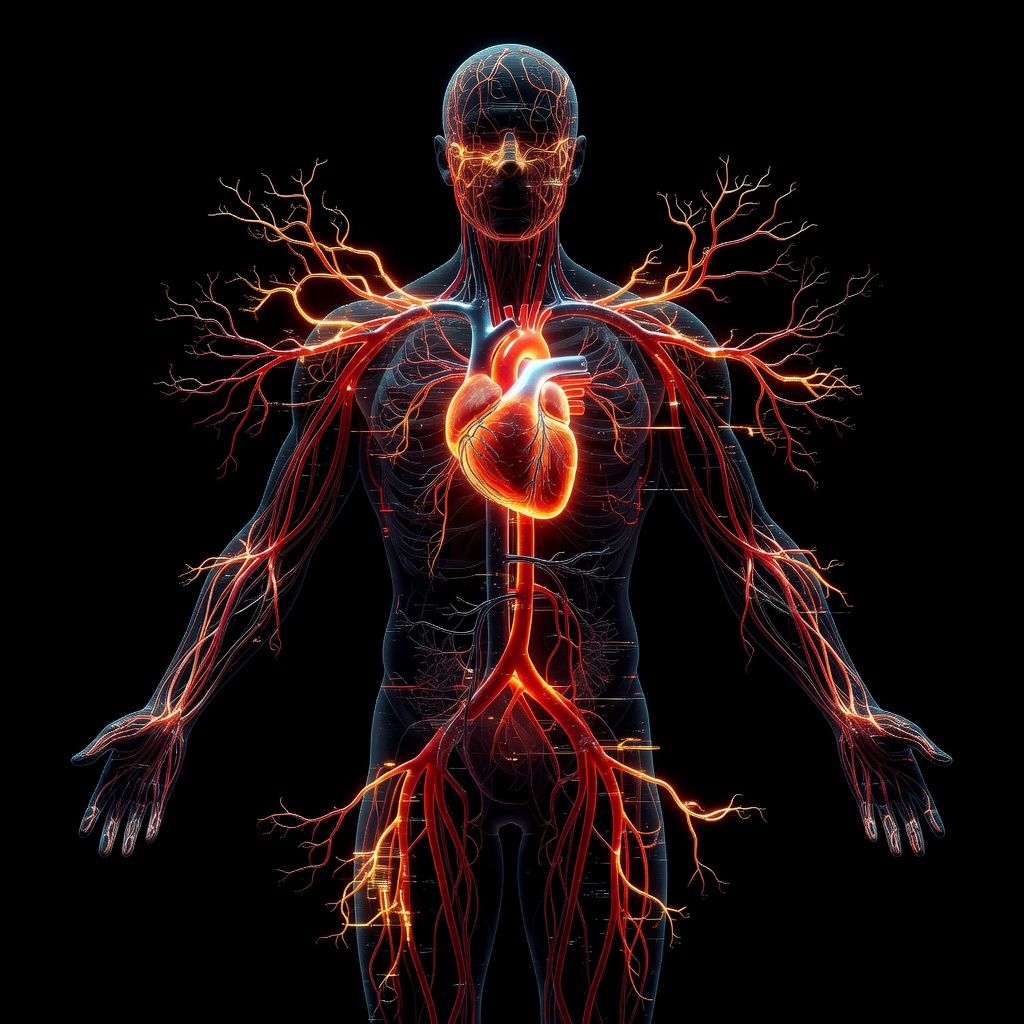
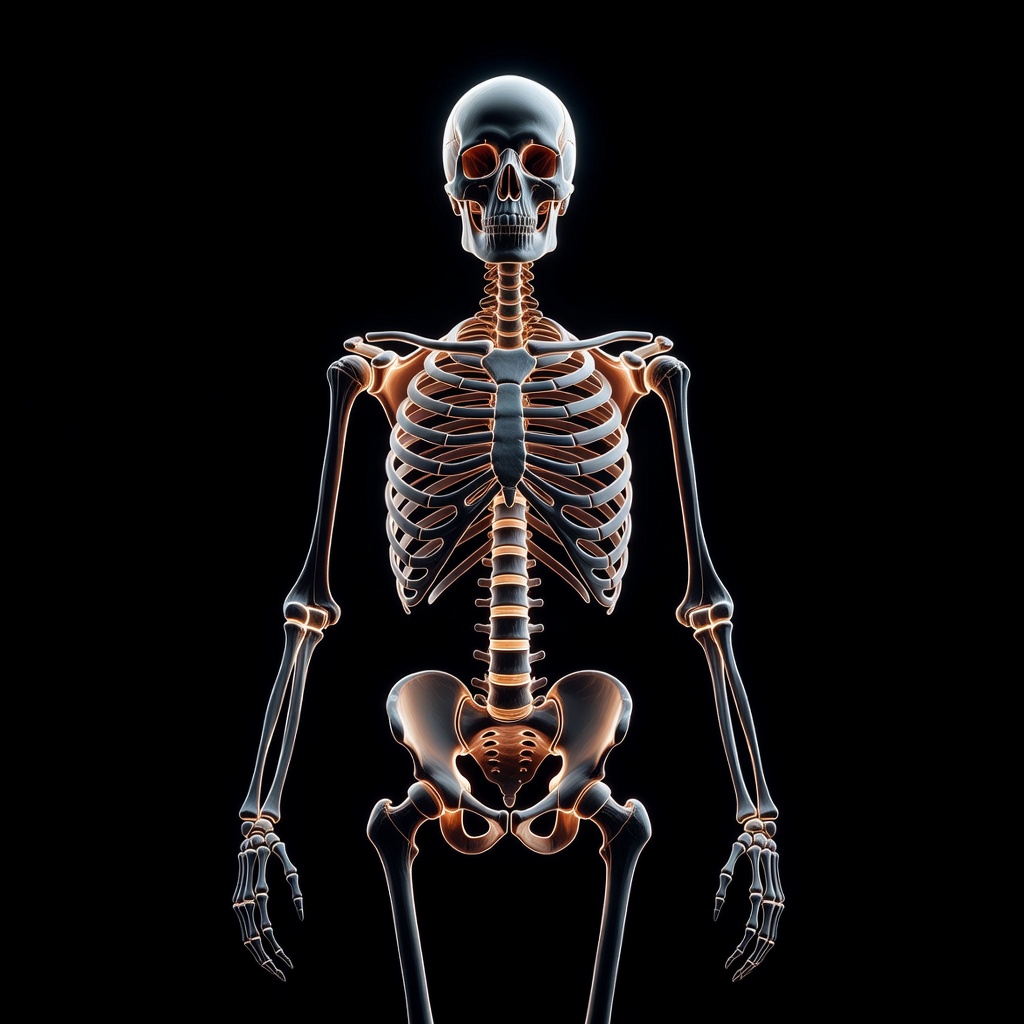
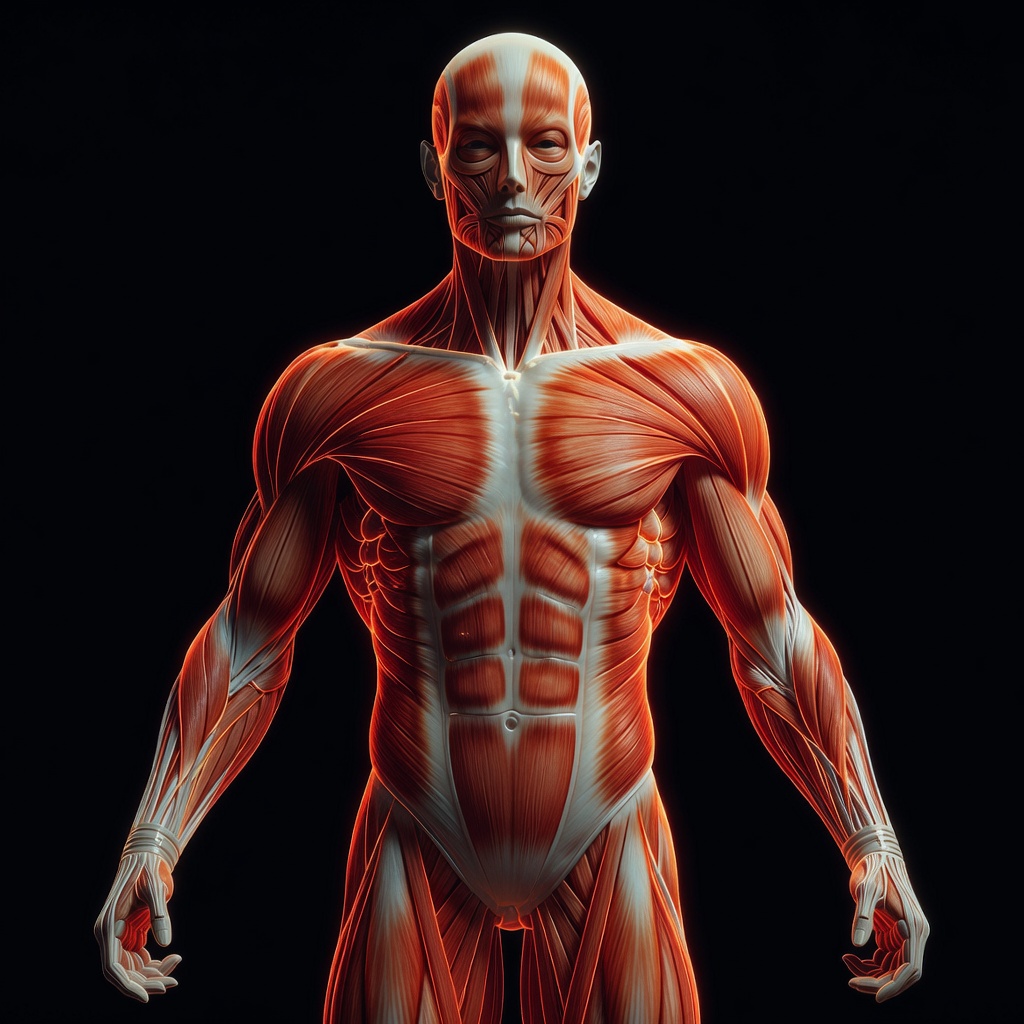
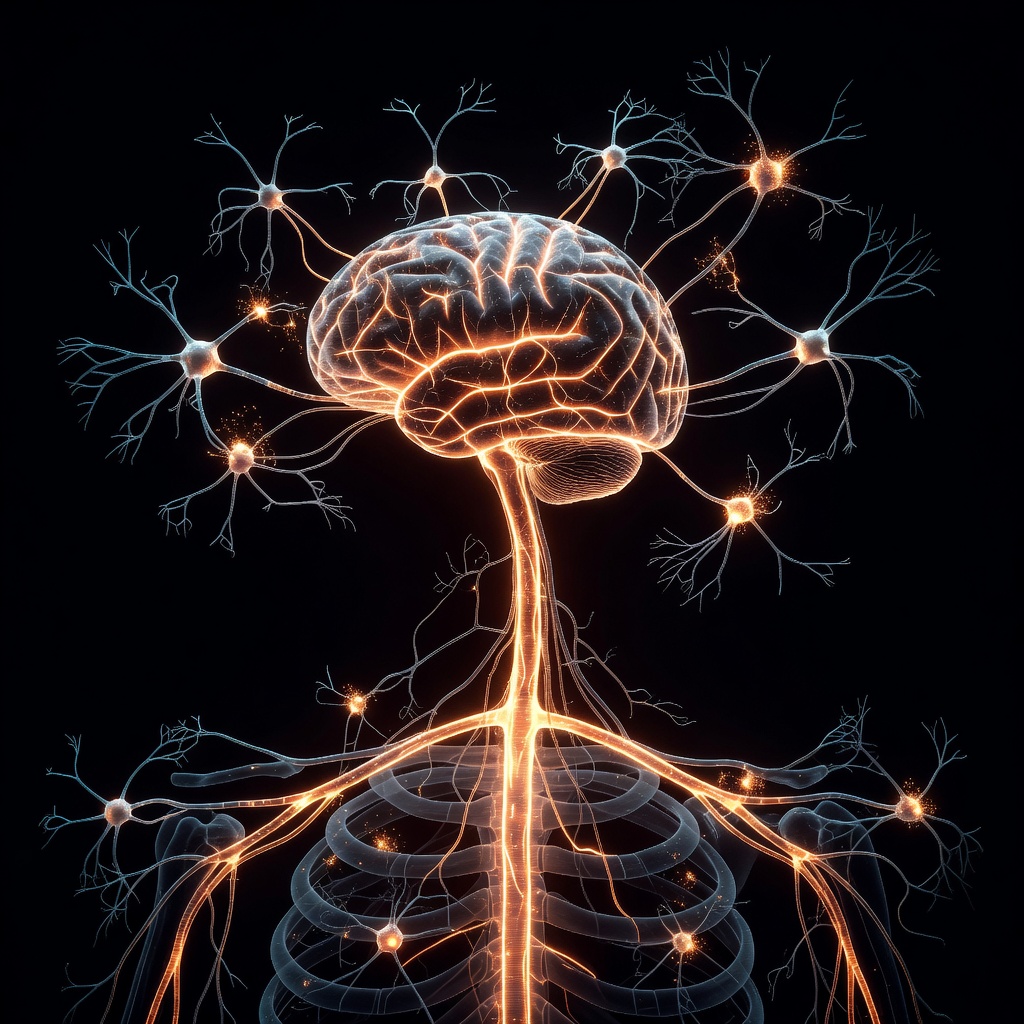
This volume features 4 high-fidelity anatomical plates for visual reference.
FULL VOLUME CONTENT
INTRODUCTION
The Cardiovascular System
You are currently housing sixty thousand miles of high-speed motorway. If you unspooled every vessel tucked inside your frame and laid them end-to-end, you would wrap them around the Earth twice over. It is a staggering piece of infrastructure. Most people go through life thinking their blood just sloshes around inside like water in a bucket, but the reality is far more orchestrated.
You are a masterpiece of hydraulic engineering. Right now, as you read this, your heart is performing a silent, relentless miracle. It pulses roughly a hundred thousand times every single day. It never sleeps.
It never takes a bank holiday. It is the only engine in existence that repairs itself while it is still running. Imagine a plumbing system so sophisticated it can redirect its own flow based on whether you are sprinting for a bus or digesting a Sunday roast. This is your cardiovascular system.
It isn't just a collection of pipes. It is a living, breathing network that responds to your every thought and movement. Across these chapters, we are going to strip back the skin and look at the blueprints. We will explore the four-chambered powerhouse in your chest that keeps the whole show on the road.
We will trace the thick-walled arteries that carry life-giving oxygen under immense pressure, and we will follow the clever, one-way valves in your veins that defy gravity to get that blood back to the start. You will see how your smallest vessels—the capillaries—are so narrow that your red blood cells have to march through them in single file, like commuters squeezed through a narrow turnstile. Everything you are started with a single, pulsing tube. Long before you had a brain to think with or lungs to breathe with, you had a heartbeat.
Around three weeks after you were conceived, a tiny cluster of cells began to twitch. It wasn't a heart yet; it was just a primitive vessel. But it knew its job. This tube grew, it twisted, and it folded in on itself like a piece of complex biological origami to form the four chambers you rely on today.
This process is one of the greatest tricks in nature. Your body essentially built its own fuel lines and engine while the rest of the factory was still being constructed. It had to work perfectly from day one. There is no 'test run' for a circulatory system.
It goes live immediately and stays live until your final breath. For most of human history, we were utterly clueless about how this worked. You might think we’ve always known the blood goes round in a loop, but that is a relatively new idea. For over a thousand years, the world followed the teachings of a Roman physician named Galen.
He convinced everyone that your liver constantly manufactured new blood from the food you ate, which then travelled to your organs to be consumed like petrol in a car. People genuinely believed your body was a one-way furnace. It wasn't until the 1620s that an English doctor named William Harvey finally sat down and did the maths. He realised the heart pumps so much blood every hour that it would be physically impossible for the liver to keep making it.
He proved that you aren't a furnace, but a closed-loop fountain. The same few litres of blood are recycled over and over, thousands of times a day. This realisation changed everything. It reframed the body as a machine governed by the laws of physics and pressure.
When you look at your anatomy through this lens, you start to see the sheer brilliance of the design. Your arteries are reinforced with elastic fibres, allowing them to stretch and snap back with every beat, acting like tiny secondary pumps. Your veins are thinner, built for volume rather than pressure, equipped with delicate flaps of tissue that prevent your blood from pooling in your socks. Even the way your heart is tilted slightly to the left isn't an accident; it is a masterclass in space-saving architecture.
You are about to discover that your circulation is far more than just a delivery service. It is a dynamic, high-pressure communication network. It connects your toes to your temples. It manages your temperature.
It balances your internal chemistry. By the time we finish this journey, you won't just see your heart as a muscle. You will see it as the rhythmic conductor of a sixty-thousand-mile orchestra. You are built for flow.
You are built for movement. Let’s look at the pipes that make it possible.
DOWNLOAD THIS VOLUME
This volume is compiled from peer-reviewed anatomy literature into a precision longform PDF. Generate once — it's then saved permanently in the INNERSTANDING library for instant re-download by all users.
PDF format · No wait time · Standardized Print Resolution