
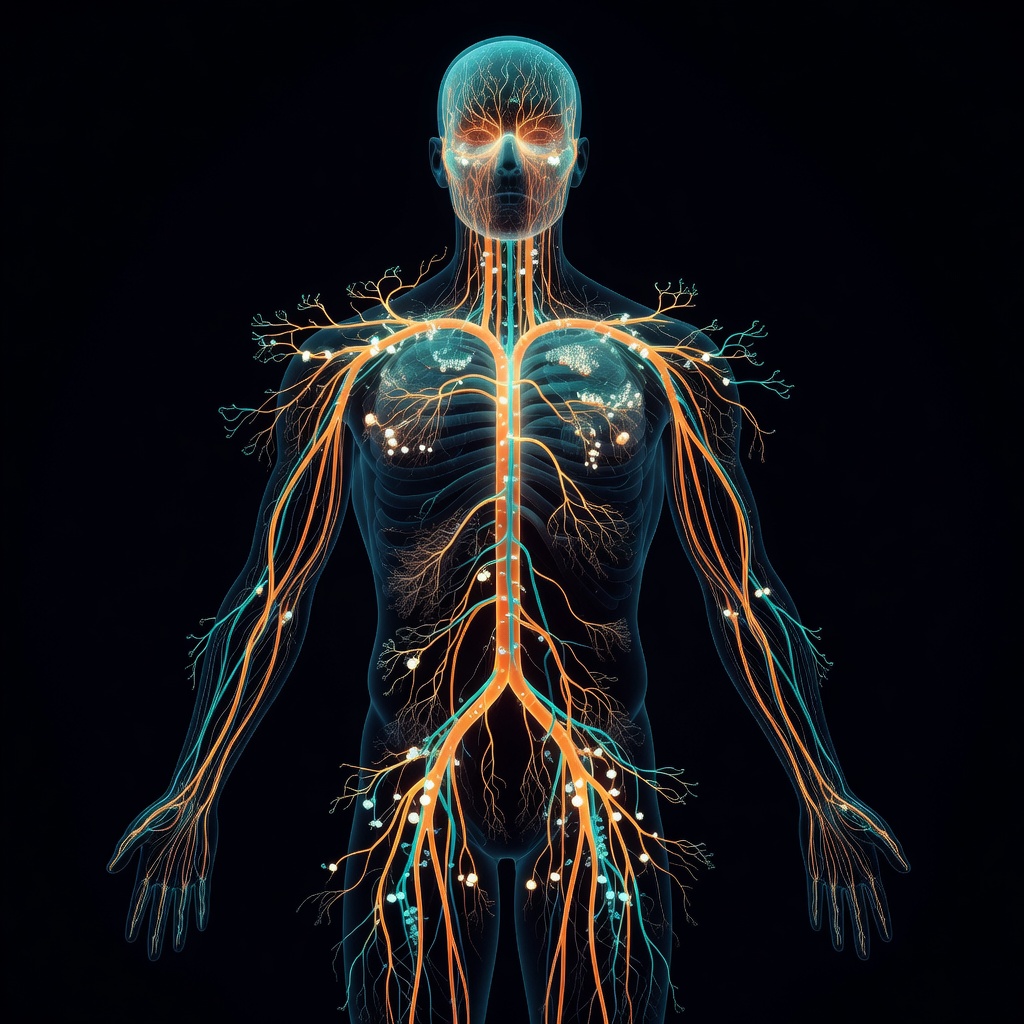
VOL. 08
The Lymphatic System
Lymph Nodes, Vessels & Immune Organs
The full anatomical map of the lymphatic vasculature, every major lymph node group, the spleen, thymus, tonsils, and MALT — with detailed description of lymph drainage territories for every region of the body.
CONTENTS
— WHAT'S INSIDE THIS VOLUME
Lymphatic Vessels & Capillaries
Head & Neck Lymphatics
Thoracic Duct & Right Lymphatic Duct
Axillary & Inguinal Nodes
The Spleen
The Thymus
Lymph Drainage of Major Organs
MALT & Gut-Associated Lymphoid Tissue
REFERENCE PLATES INCLUDED
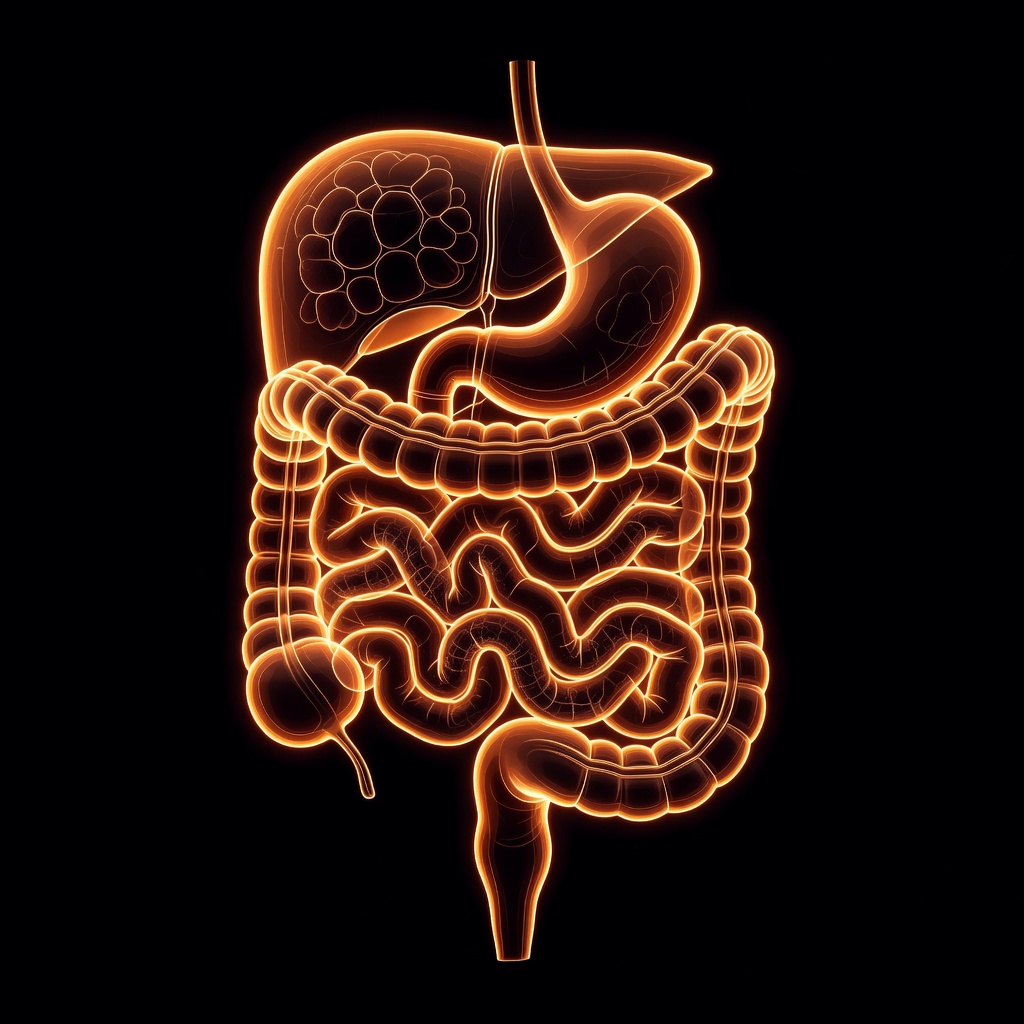
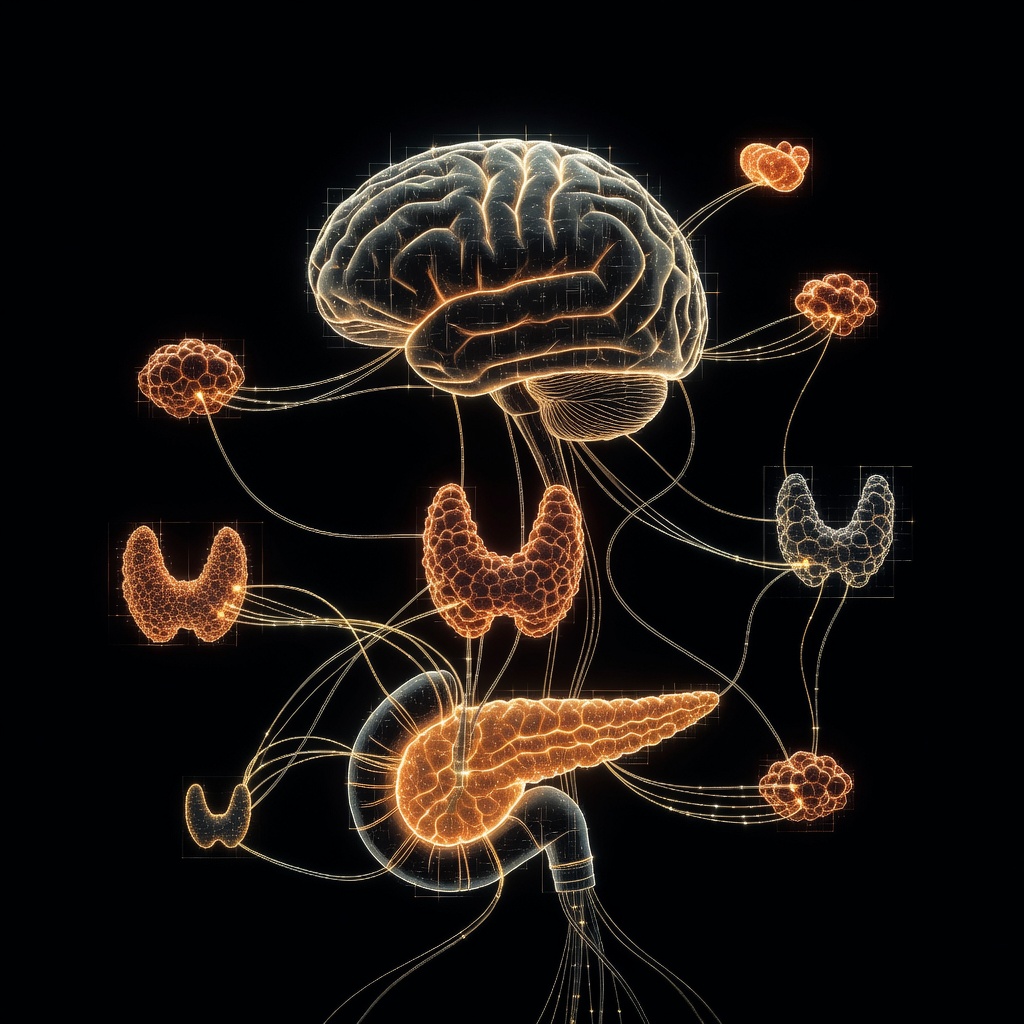
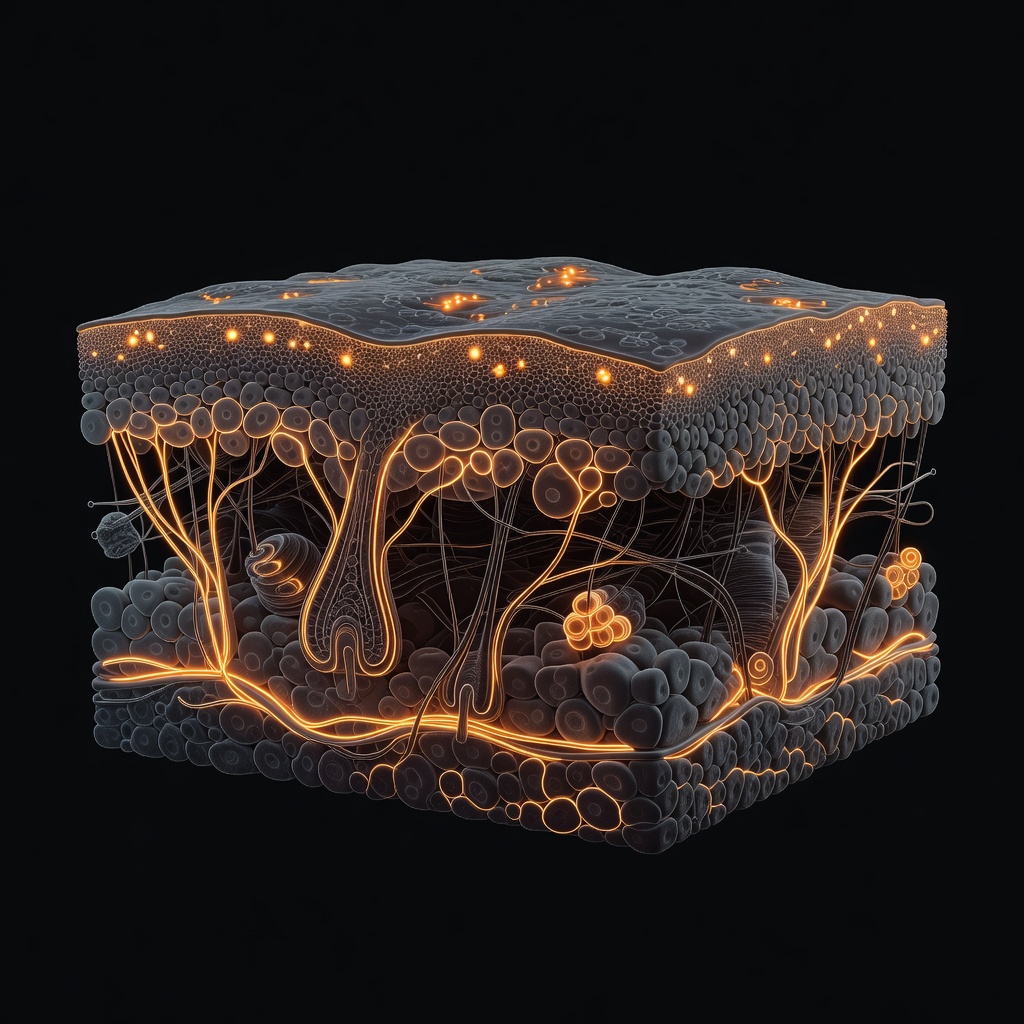
This volume features 3 high-fidelity anatomical plates for visual reference.
FULL VOLUME CONTENT
INTRODUCTION
The Lymphatic System
You are currently swimming in about twelve litres of a clear, straw-coloured ghost fluid that most people completely ignore. Stop thinking about your heart and your lungs for a second and consider the drainage. Your body is constantly leaking. Right now, as you read this, a tiny percentage of your blood plasma is escaping through the microscopic walls of your capillaries and soaking into the spaces between your cells.
If this fluid just sat there, you would swell up like a water balloon and your circulatory system would collapse within a day. You stay lean, dry, and functional because of a silent, one-way plumbing network that is as intricate as any city’s sewer system but as delicate as spider silk. This is your lymphatic system. It is the most underrated piece of biological architecture you own.
It doesn’t have a massive pump like the heart to force fluid around. Instead, it relies on the rhythmic squeezing of your own muscles and a series of brilliant one-way valves to usher fluid back toward your chest. This is a system of return. It is a massive reclamation project that ensures your blood volume stays high enough to keep you alive.
Over the following chapters, we are going to map this invisible map. We will trace the blind-ended capillaries that sit in your tissues like tiny, open-fingered gloves, waiting to soak up the overflow. We will climb the thoracic duct, the main highway of the system that runs right up your spine. We will explore the internal geography of your lymph nodes—those bean-shaped fortresses tucked into your neck, armpits, and groin that act as sophisticated checkpoints for everything moving through your pipes.
You will meet the spleen, a giant, blood-soaked sponge tucked under your left ribs, and the thymus, a mysterious training academy behind your breastbone that is largest when you are a child and slowly turns to fat as you age. The story of how this system built itself is a masterclass in organic engineering. You weren’t born with it fully formed. Around the fifth week after you were conceived, while you were still just a tiny speck in the womb, your veins began to sprout.
Small sacs of tissue budded off from your primary veins like ivy growing off a wall. These sacs branched out, seeking each other, weaving together to create a secondary network that mimics your blood vessels but serves a completely different master. It is an evolutionary upgrade that allowed vertebrates to become complex and large without drowning in their own cellular runoff. For centuries, this entire system remained a total mystery to science.
If you cut into a body after death, the lymphatic vessels collapse and vanish because they have no pressure. They are transparent and elusive. It wasn’t until 1622 that an Italian anatomist named Gasparo Aselli accidentally discovered them while dissecting a dog that had recently eaten. He saw white, milky threads running through the gut.
He thought they were nerves at first, but when he pricked one, a cream-like liquid oozed out. He had found the lacteals—the specific lymph vessels that carry fats from your dinner. Even then, it took centuries for us to realise that these 'milky veins' were part of a body-wide web of nodes and vessels. Most people still think of their anatomy as just bones, muscles, and blood.
They are missing half the picture. By the time you finish this guide, you will understand the structural genius that keeps your internal environment balanced. You will see your body not just as a collection of organs, but as a perfectly drained, highly filtered masterpiece of fluid dynamics. Welcome to the invisible architecture of you.
DOWNLOAD THIS VOLUME
This volume is compiled from peer-reviewed anatomy literature into a precision longform PDF. Generate once — it's then saved permanently in the INNERSTANDING library for instant re-download by all users.
PDF format · No wait time · Standardized Print Resolution