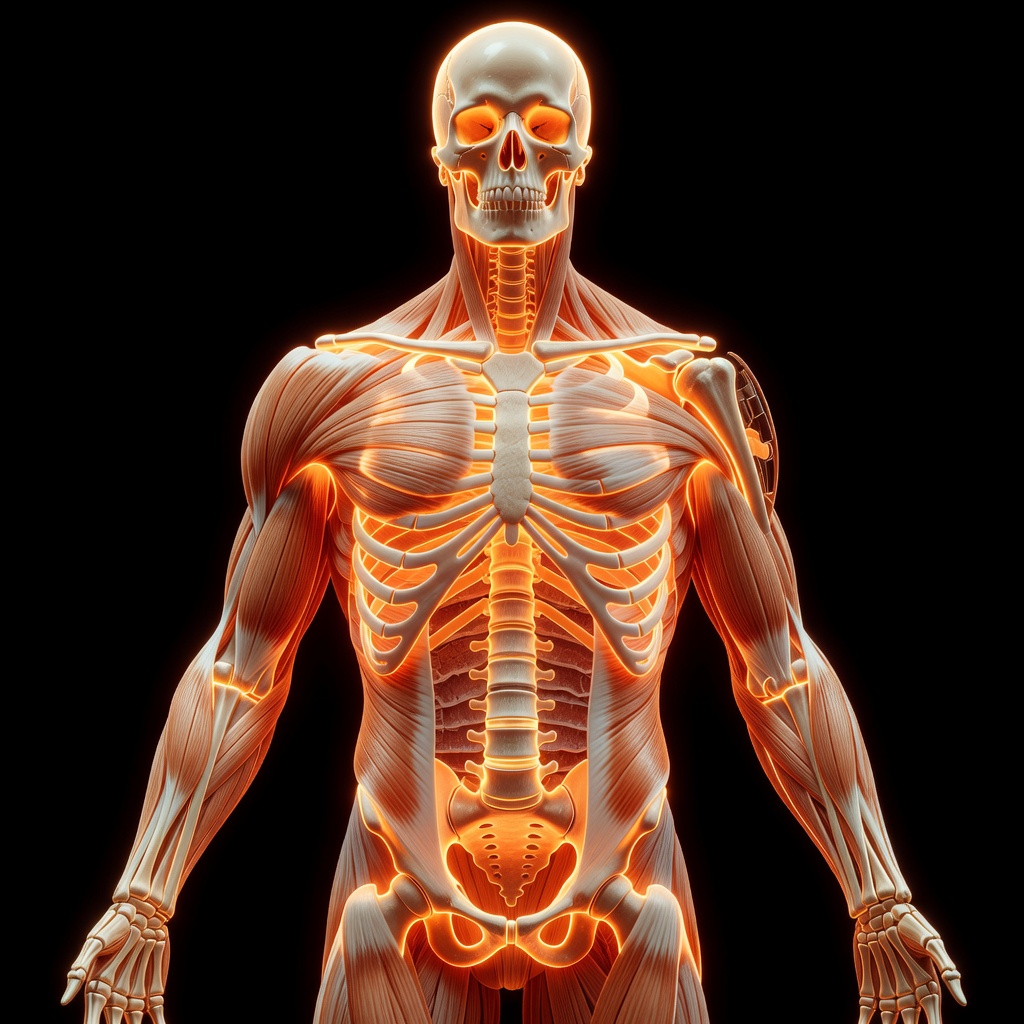
Alcohol-Induced Acetaldehyde Accumulation and its Impact on Intestinal Paracellular Permeability
An in-depth exploration of how ethanol metabolism produces the toxic byproduct acetaldehyde, which directly disrupts the gut's tight junction proteins, leading to increased paracellular permeability and systemic endotoxemia.

# Alcohol-Induced Acetaldehyde Accumulation and its Impact on Intestinal Paracellular Permeability
Introduction
The human gastrointestinal tract serves a dual purpose: it acts as a primary site for nutrient absorption while simultaneously functioning as a robust physical and immunological barrier against pathogenic microorganisms, toxins, and undigested food particles. This barrier integrity is largely maintained by the intestinal epithelium, a single layer of cells held together by a complex network of proteins known as the apical junctional complex. When this barrier is compromised—a state often termed 'leaky gut' or increased intestinal permeability—pro-inflammatory substances can enter the systemic circulation. One of the most potent environmental disruptors of this barrier is alcohol (ethanol), specifically through its primary metabolite: acetaldehyde.
The Metabolism of Ethanol: From Ingestion to Acetaldehyde
To understand how alcohol influences gut health, we must first examine its metabolic pathway. Upon consumption, ethanol is rapidly absorbed in the stomach and small intestine. While the liver is the primary site of alcohol detoxification, the gastrointestinal mucosa also possesses the enzymatic machinery to metabolise ethanol. The primary pathway involves the enzyme alcohol dehydrogenase (ADH), which oxidises ethanol into acetaldehyde. In a healthy state, acetaldehyde is quickly converted into acetate by aldehyde dehydrogenase (ALDH2), which is then safely excreted or used for energy.
However, when alcohol consumption is excessive or chronic, the ALDH2 pathway becomes saturated. Furthermore, certain gut bacteria also possess ADH activity, contributing to a significant accumulation of acetaldehyde within the intestinal lumen. Unlike ethanol, which is relatively non-toxic in low concentrations, acetaldehyde is a highly reactive and toxic electrophile. It is this accumulation of acetaldehyde, rather than the alcohol itself, that serves as the root cause of ethanol-induced intestinal injury.
The Mechanism of Paracellular Permeability
Intestinal permeability occurs via two pathways: transcellular (through the cells) and paracellular (between the cells). Paracellular transport is regulated by tight junctions (TJs), which are the rate-limiting barriers of the paracellular pathway. These junctions are composed of transmembrane proteins like occludin and the claudin family, which are anchored to the cell's cytoskeleton by intracellular scaffold proteins such as zonula occludens-1 (ZO-1).
Acetaldehyde exerts a direct and devastating effect on these tight junction proteins. Research has shown that acetaldehyde induces the phosphorylation of tyrosine residues on proteins like occludin and ZO-1. This biochemical modification causes these proteins to dissociate from the actin cytoskeleton and redistribute away from the cell membrane. Once these 'molecular staples' are removed, the tight junctions effectively 'unzip,' creating gaps between the epithelial cells. This is the physiological hallmark of increased paracellular permeability.
Oxidative Stress and the CYP2E1 Pathway
In addition to the ADH pathway, chronic alcohol consumption induces the Cytochrome P450 2E1 (CYP2E1) enzyme system in the gut. This pathway is particularly problematic because it generates significant amounts of reactive oxygen species (ROS). Oxidative stress further exacerbates the damage caused by acetaldehyde. ROS induce lipid peroxidation of the epithelial cell membranes and trigger pro-inflammatory signalling cascades.
The synergy between acetaldehyde toxicity and oxidative stress creates a pro-inflammatory environment that further degrades the mucosal lining. This leads to a vicious cycle where the gut barrier is constantly under repair but never fully functional, allowing for the translocation of Lipopolysaccharides (LPS)—endotoxins derived from the outer membrane of Gram-negative bacteria.
The Gut-Liver Axis and Systemic Inflammation
The impact of acetaldehyde-induced leaky gut extends far beyond the digestive tract. The 'Gut-Liver Axis' describes the bidirectional relationship between the GI tract and the liver. When the intestinal barrier fails, LPS and other toxins enter the portal vein and travel directly to the liver. This triggers Kupffer cells (the liver's resident macrophages) to release pro-inflammatory cytokines such as TNF-alpha and IL-6.
This systemic inflammatory response is not only a driver of Alcoholic Liver Disease (ALD) but is also implicated in a wide range of systemic conditions, including metabolic syndrome, autoimmune flares, and neuroinflammation. In the context of the INNERSTANDING root-cause philosophy, we see that the 'hangover' or the feeling of malaise after drinking is not just dehydration; it is a manifestation of systemic endotoxemia caused by a temporary breakdown of the intestinal wall.
Conclusion and Root-Cause Support
Understanding the role of acetaldehyde allows us to approach gut health with greater precision. To protect the intestinal barrier, one must focus on two fronts: reducing the production of acetaldehyde and enhancing its clearance.
- —Moderation and Abstinence: The most direct way to prevent acetaldehyde accumulation is to reduce ethanol intake, allowing the ADH/ALDH2 enzymes to keep pace with metabolic demands.
- —Supporting ALDH Activity: Certain nutrients, such as Molybdenum and Vitamin B1 (Thiamine), are essential cofactors for the enzymes that break down acetaldehyde.
- —Antioxidant Support: Since oxidative stress via CYP2E1 plays a role, increasing the intake of glutathione precursors like N-Acetyl Cysteine (NAC) and Vitamin C can help neutralise ROS before they damage the tight junctions.
- —Probiotics and Prebiotics: Supporting a healthy microbiome reduces the population of acetaldehyde-producing bacteria, thereby lowering the total acetaldehyde load in the lumen.
In summary, alcohol-induced intestinal permeability is a complex biochemical event driven by acetaldehyde. By acknowledging this metabolic reality, we can make informed choices to preserve our gut integrity and, by extension, our systemic health.
This article is provided for informational and educational purposes only. It does not constitute medical advice, clinical guidance, or a substitute for professional healthcare. Information reflects cited research at time of publication. Always consult a qualified healthcare professional before acting on any health information.
RESEARCH FOUNDATIONS
Biological Credibility Archive
Citations provided for educational reference. Verify via PubMed or institutional databases.
Medical Disclaimer
The information in this article is for educational purposes only and does not constitute medical advice, diagnosis, or treatment. Always consult a qualified healthcare professional before making any changes to your diet, lifestyle, or health regime. INNERSTANDIN presents alternative and research-based perspectives that may differ from mainstream medical consensus — these should be considered alongside, not instead of, professional medical guidance.
Read Full DisclaimerReady to learn more?
Continue your journey through our classified biological research.
DISCUSSION ROOM
Members of THE COLLECTIVE discussing "Alcohol-Induced Acetaldehyde Accumulation and its Impact on Intestinal Paracellular Permeability"
SILENT CHANNEL
Be the first to discuss this article. Your insight could help others understand these biological concepts deeper.
THE ARSENAL
Based on Leaky Gut & Intestinal Permeability — products curated by our research team for educational relevance and biological support.
Magnesium L-Threonate
Magnesium Blend – The Most Important Mineral
C60 Charcoal – Supports Healthy Digestion and Detoxification.
INNERSTANDING may earn a commission on purchases made through these links. All products are selected based on rigorous educational relevance to our biological research.
RABBIT HOLE
Follow the biological thread deeper