The Three Phases of Hair: Mastering Anagen, Catagen, and Telogen Biology
Understanding the hair cycle is fundamental to diagnosing the specific nature of hair loss. This article breaks down the biological transitions from the growth phase to shedding.
# The Three Phases of Hair: Mastering Anagen, Catagen, and Telogen Biology
Overview
To the untrained eye, hair is a static feature—a cosmetic attribute that merely grows, sits, and eventually departs. However, through the lens of advanced biological research, we at INNERSTANDING view the hair follicle as one of the most complex, metabolically active, and regenerative mini-organs in the human body. It is the only organ that undergoes a lifelong cycle of degeneration and regeneration.
Understanding the hair cycle is not merely an academic exercise for trichologists; it is the fundamental requirement for anyone seeking to reclaim their physiological sovereignty from the rising tide of premature hair loss, thinning, and follicular dysfunction. We are currently witnessing an unprecedented crisis in British scalp health, driven by environmental toxins, nutritional voids, and a profound misunderstanding of how the biological clock of the follicle actually functions.
In this comprehensive analysis, we will deconstruct the three primary phases—Anagen, Catagen, and Telogen—alongside the often-overlooked shedding phase, Exogen. We will move beyond the superficial descriptions offered by high-street pharmaceutical brands and expose the cellular mechanisms that govern these transitions. By the end of this article, you will possess a master-level understanding of follicular biology, enabling you to identify exactly where your cycle is failing and how to intervene before the follicle enters permanent miniaturisation.
Fact 1: In the United Kingdom, it is estimated that approximately 8 million women and 15.4 million men experience significant hair loss at any given time, yet less than 10% understand the biological phase in which their loss is occurring.
---
The Biology — How It Works
The hair growth cycle is a rhythmic, asynchronous process. Unlike some mammals that shed their entire coat at once (synchronous shedding), human follicles operate independently. This ensures we maintain a consistent covering. At any single moment, different hairs on your scalp are in different phases of their "life."
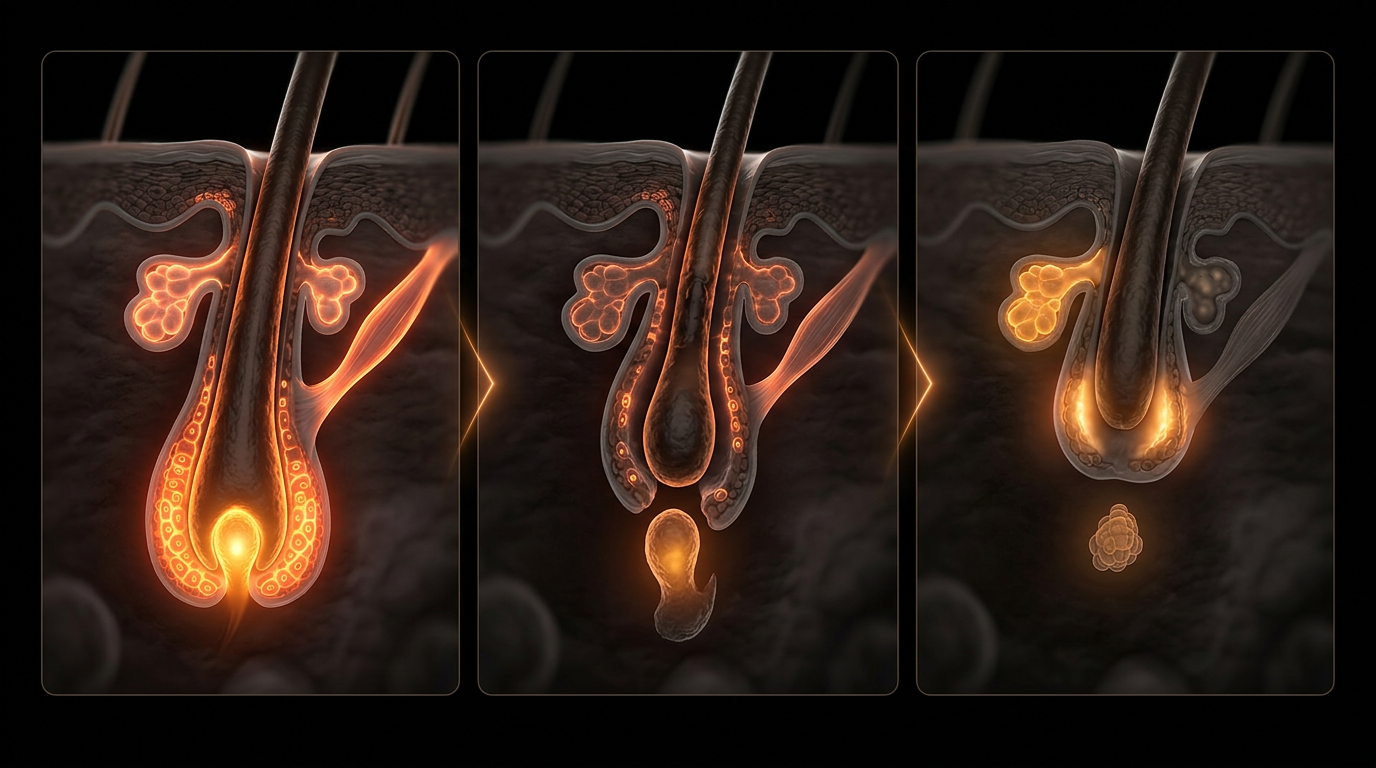
Phase I: Anagen (The Growth Phase)
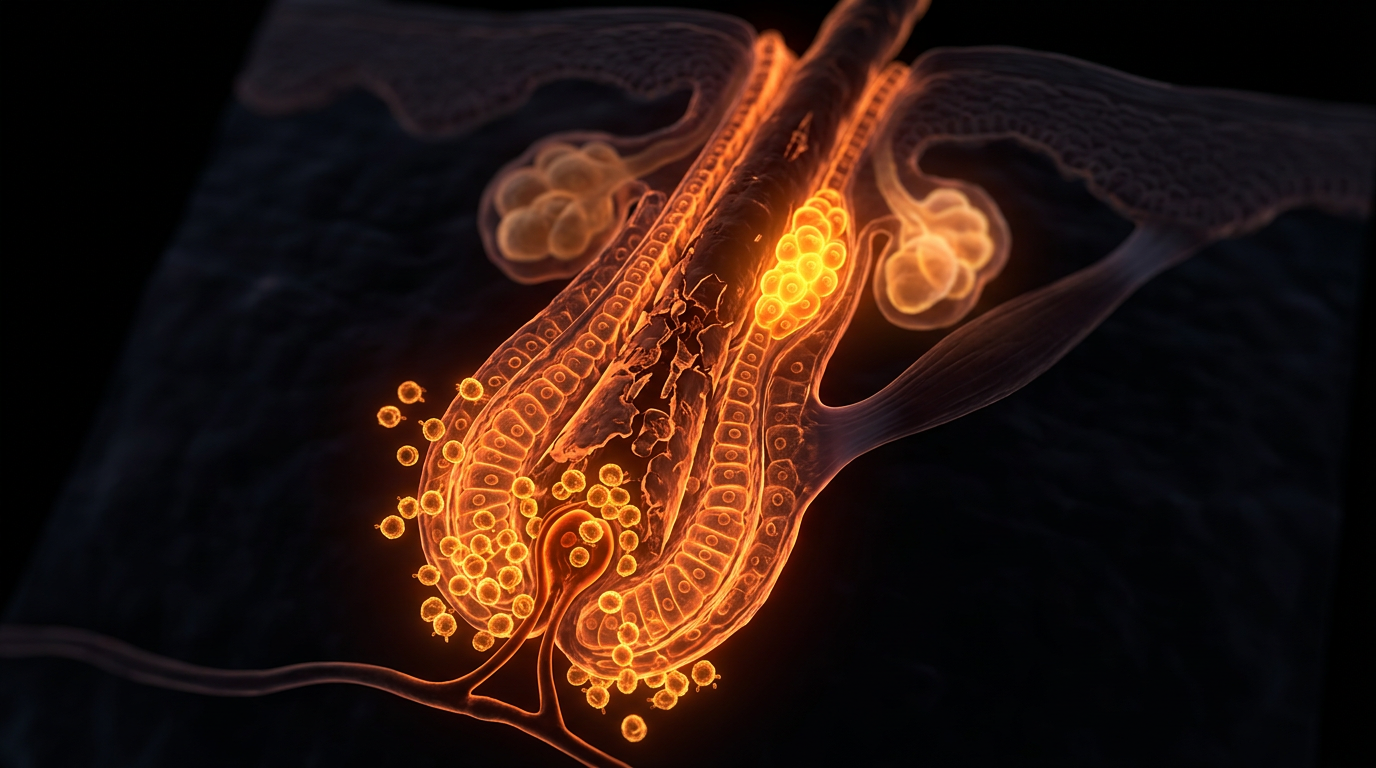
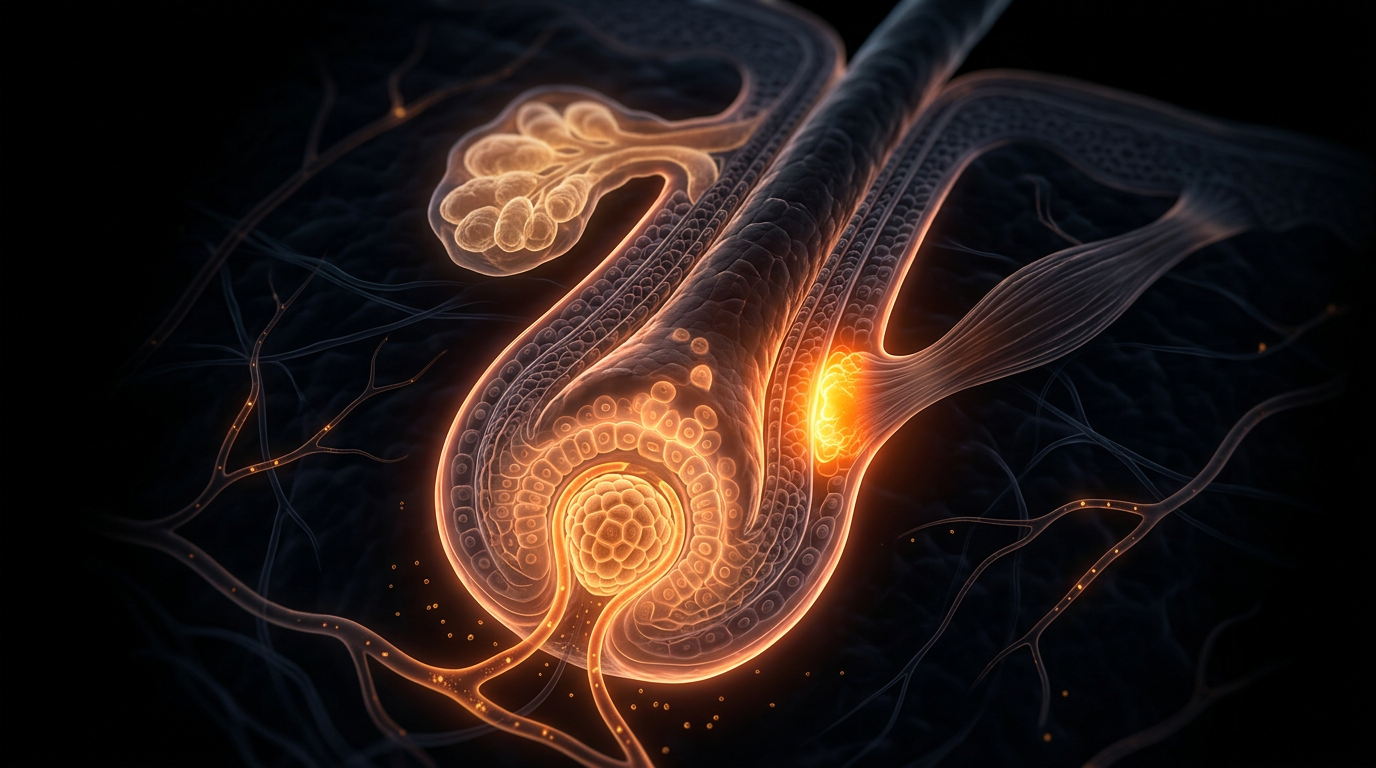
Anagen is the "Powerhouse" phase. This is the period of active growth where the hair bulb is firmly attached to the dermal papilla—the command centre of the follicle. During Anagen, cells in the root divide rapidly. A new hair is formed and pushes up the shaft, eventually emerging from the pore.
- —Duration: Typically lasts between 2 to 7 years.
- —Activity: The follicle is deeply embedded in the subcutaneous fat layer, drawing immense amounts of energy and nutrients from the blood supply.
- —The Proportion: On a healthy scalp, roughly 85% to 90% of hairs should be in the Anagen phase.
The length of your Anagen phase is the primary determinant of how long your hair can grow. If your Anagen phase is three years, your maximum length will be significantly shorter than someone with a seven-year phase.
Phase II: Catagen (The Transition Phase)
Catagen is the shortest and most volatile phase. It represents a "Biological Handbrake." This is a regressive stage where the follicle undergoes a programmed process of involution (shrinking).
- —Duration: Roughly 2 to 3 weeks.
- —Activity: The hair follicle shrinks to about one-sixth of its normal length. The lower part is destroyed, and the dermal papilla breaks away from the blood supply.
- —The Club Hair: The hair transforms into what is known as a "club hair"—a dead hair that is no longer growing but is still held in place by the follicle's internal structure.
Phase III: Telogen (The Resting Phase)
Telogen is the period of dormancy. While the hair appears to be doing nothing, the follicle is actually preparing for the next cycle.
- —Duration: Approximately 3 to 4 months.
- —Activity: The follicle is entirely at rest. The club hair remains in place while the dermal papilla stays in a "resting" state at the base of the follicle.
- —The Proportion: Approximately 10% to 15% of the scalp is typically in Telogen.
The Hidden Phase: Exogen
While often grouped with Telogen, Exogen is the specific phase where the hair shaft is finally released and falls out. In a healthy cycle, the old hair is pushed out by a new Anagen hair emerging from below. When you see hair in your brush, you are witnessing Exogen.
---
Mechanisms at the Cellular Level
To master hair biology, we must look beneath the skin at the signal transduction pathways that dictate these transitions. The follicle does not "decide" to stop growing randomly; it responds to a complex orchestra of cellular signals.
The Dermal Papilla: The Master Regulator
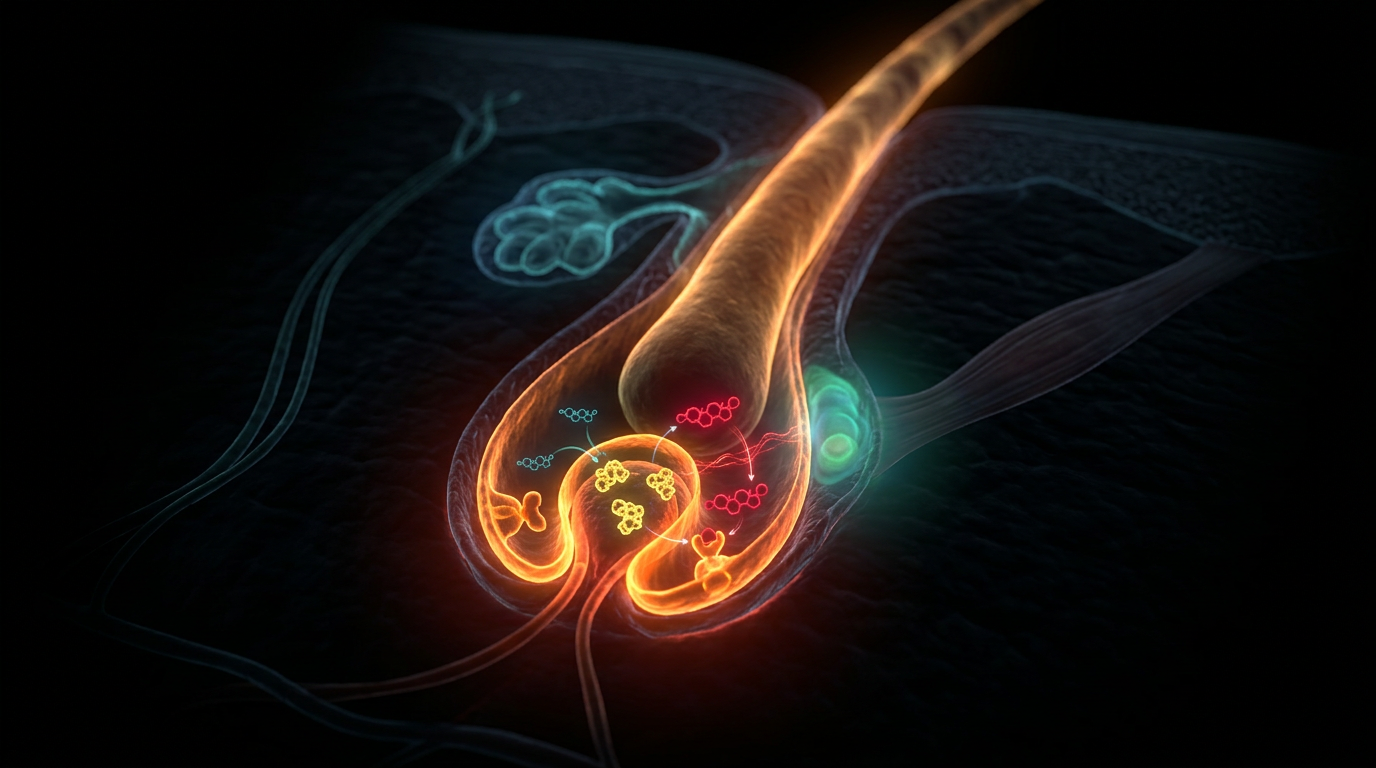
The Dermal Papilla (DP) is a cluster of specialized mesenchymal cells at the base of the follicle. It acts as the "brain." The DP senses hormones, nutrient levels, and inflammatory markers in the blood.
In the transition from Telogen to Anagen, the DP must send a signal to the Bulge Stem Cells (located higher up in the follicle). These stem cells then migrate down and begin the rapid proliferation required to build a new hair shaft.
The Wnt/β-catenin Pathway
This is the holy grail of hair biology. The Wnt signalling pathway is the primary "On Switch" for the Anagen phase. When Wnt proteins bind to receptors on the follicle cells, they stabilise a protein called β-catenin, which enters the cell nucleus and activates genes responsible for hair growth.
- —The Threat: High levels of Dihydrotestosterone (DHT) and chronic cortisol (stress) inhibit Wnt signalling, effectively locking the follicle in a perpetual "Off" state.
Keratinisation and Mitochondria
Hair is composed of 65% to 95% keratin protein. The process of turning liquid proteins into a hard, fibrous hair shaft requires immense ATP (cellular energy). Consequently, hair follicles have one of the highest mitochondrial densities in the body. If your cellular "batteries" are failing due to oxidative stress or heavy metal toxicity, the Anagen phase will be prematurely terminated.
Fact 2: The metabolic rate of an active Anagen hair follicle is comparable to that of a developing foetus, making it one of the most nutrient-demanding processes in the human biology.
---
Environmental Threats and Biological Disruptors
The modern world—and specifically the modern British environment—is hostile to the Anagen phase. We are observing a phenomenon we call "Anagen Truncation," where the growth phase is shortened from years to months.
The Hard Water Crisis
In large swathes of the UK, particularly London and the South East, the water is classified as "very hard." This water is saturated with calcium and magnesium carbonates.
- —The Mechanism: These minerals form a "scum" or film on the scalp, which interacts with sebum to create a waxy plug. This plug creates a hypoxic (low oxygen) environment around the follicle opening, triggering micro-inflammation and pushing the follicle out of Anagen and into Catagen prematurely.
Endocrine Disrupting Chemicals (EDCs)
Mainstream shampoos are a chemical minefield. Ingredients like Sodium Lauryl Sulphate (SLS) and Phthalates do more than just clean. Phthalates, often hidden under the term "fragrance" or "parfum," are known endocrine disruptors. They mimic oestrogen and interfere with androgen receptors, confusing the hormonal signals the Dermal Papilla relies on to maintain the growth phase.
Glyphosate and Nutrient Chelation
The UK's agricultural reliance on glyphosate has led to widespread contamination of the food chain. Glyphosate acts as a potent chelator, meaning it "grabs" and removes essential minerals like Zinc, Manganese, and Copper from the body.
- —The Impact: Copper is a vital cofactor for the enzyme *tyrosinase*, which involved in hair pigmentation, and Zinc is essential for the protein synthesis required for keratinisation. Without these, the follicle cannot sustain the Anagen phase.
---
The Cascade: From Exposure to Disease
How does a healthy follicle transition into a diseased state? It happens through a predictable biological cascade.
Step 1: Subclinical Inflammation
It begins with an irritant—perhaps the hard water minerals or the harsh surfactants in a "high-end" shampoo. This triggers the release of pro-inflammatory cytokines like TGF-β1 (Transforming Growth Factor beta 1).
Step 2: Follicular Miniaturisation
TGF-β1 is the "Anagen-terminator." It signals the follicle to enter Catagen prematurely. If this cycle repeats, the follicle undergoes miniaturisation. With each subsequent Anagen phase, the hair produced is thinner, shorter, and less pigmented (vellus hair) until the follicle eventually becomes fibrotic (scarred) and loses the ability to produce hair entirely.
Step 3: Chronic Telogen Effluvium (CTE)
When the body is under systemic stress—be it from a viral load, a sudden drop in iron (ferritin) levels, or psychological trauma—it enters a state of "metabolic triage." The body decides that hair is not essential for survival. It simultaneously pushes up to 30% of Anagen hairs into the Telogen phase. Three months later, these hairs all fall out at once in a massive Exogen event.
Fact 3: According to NHS England data, cases of Telogen Effluvium have increased by over 200% since 2020, a trend largely attributed to post-viral inflammation and the subsequent "cytokine storm" affecting the hair follicle.
---
What the Mainstream Narrative Omits
The mainstream medical and cosmetic industry thrives on "management" rather than "resolution." There are three glaring omissions in the standard narrative regarding hair biology:
1. The Fallacy of "Genetics"
You are told your hair loss is "genetic" (Androgenetic Alopecia) and therefore inevitable. This is a half-truth designed to sell lifetime prescriptions of Finasteride. While you may have a genetic predisposition, epigenetics—the way your environment talks to your genes—determines whether those genes are expressed. You can have the "baldness gene" and never go bald if you maintain the correct follicular environment.
2. The "Minoxidil Trap"
Minoxidil is a vasodilator; it increases blood flow to the scalp. However, it does nothing to address the underlying inflammation or the hormonal signal disruption. It is a "crutch." Once you stop using it, the underlying issues—which have been festering—will cause the hair to shed rapidly. It manages the symptom while the biological "soil" of the scalp continues to degrade.
3. The Scalp Microbiome
Mainstream science rarely mentions the scalp microbiome. The scalp is home to a diverse ecosystem of fungi and bacteria. An overgrowth of *Malassezia* yeast doesn't just cause dandruff; it produces metabolic byproducts that trigger the TLR4 (Toll-like receptor 4) pathway in the follicle, causing the immune system to attack the hair bulb.
---
The UK Context
Living in the United Kingdom presents unique challenges for the hair cycle that are rarely discussed in global literature.
The Vitamin D Deficiency Epidemic
Given our latitude and lack of consistent sunlight, Vitamin D deficiency is nearly universal in the UK during winter months. Vitamin D receptors (VDR) are located directly on the hair follicle. Research shows that Vitamin D is essential for the transition from Telogen to Anagen. Without it, the "resting" hairs simply stay resting, and the scalp thins out.
The Plumbing and Heavy Metal Burden
Many British homes, especially in older Victorian terraces, still have lead piping or copper pipes joined with lead solder. Chronic low-level exposure to lead and cadmium—which can be absorbed through the scalp during hot showers—is a known cause of "diffuse alopecia." These metals displace Zinc, a mineral the follicle cannot function without.
Fact 4: A study of water quality in London found that the concentration of inorganic minerals in "hard water" areas can lead to a 7% decrease in hair tensile strength and a significant increase in "Anagen-to-Telogen" transition rates compared to "soft water" areas like Scotland.
---
Protective Measures and Recovery Protocols
Mastering hair biology requires a two-pronged approach: Defensive Deceleration (stopping the damage) and Biological Acceleration (optimising the growth phase).
1. Water Remediation
The first step for any Briton serious about hair health is the installation of a high-quality, multi-stage shower filter. It must be capable of filtering not just chlorine, but also heavy metals and calcium ions. This immediately reduces the inflammatory burden on the scalp.
2. Topical Nutrition (The "Soil" Approach)
Stop using detergent-based shampoos. Switch to "Low-Poo" or "No-Poo" alternatives that use saponified oils or clay.
- —The INNERSTANDING Protocol: Use Rosemary Essential Oil (diluted in a carrier oil like Jojoba). Peer-reviewed studies show that Rosemary oil is as effective as 2.5% Minoxidil at promoting blood flow and inhibiting DHT, without the chemical side effects.
3. Micronutrient Loading
To sustain a 7-year Anagen phase, the body needs specific building blocks:
- —Ferritin (Iron Stores): For women especially, ferritin levels must be above 70 ng/mL for optimal hair growth. The NHS "normal" range starts at 15 ng/mL, which is woefully inadequate for follicular health.
- —Biotin and Silica: These provide the structural integrity for the keratin shaft.
- —Marine Collagen: Rich in the amino acids proline and glycine, which are the precursors to hair protein.
4. Scalp Stimulation and De-calcification
Mechanical stimulation (scalp massage or microneedling) is essential. Microneedling (0.5mm) creates "micro-injuries" that trigger the body’s wound-healing response. This response floods the area with Growth Factors (like IGF-1) and re-activates the Wnt/β-catenin pathway, "waking up" follicles that have been stuck in Telogen.
5. Managing the Cortisol "Hair Spike"
Chronic stress is a physical killer of hair. Cortisol directly degrades the "extracellular matrix"—the scaffolding that holds the follicle in place. Incorporating adaptogens like Ashwagandha or practicing "Grounding" (Earthing) can help modulate the stress response, protecting the Anagen phase from premature termination.
Fact 5: British researchers have found that individuals practicing regular scalp massage (4 minutes per day) showed a significant increase in hair thickness after 24 weeks, due to the mechanical stretching of the dermal papilla cells which stimulates growth-related gene expression.
---
Summary: Key Takeaways
To master your hair is to master your internal biology and your external environment. The hair cycle is a sensitive barometer for your overall health.
- —Anagen is your growth phase; it requires massive energy, Wnt signalling, and a lack of inflammation to remain active.
- —Catagen is the transition; it is triggered by stress, toxins, and hormonal shifts like elevated DHT or TGF-β1.
- —Telogen is the rest phase; it should only last 3 months, but nutrient deficiencies (like Vitamin D and Iron) can trap follicles here.
- —The Mainstream Narrative focuses on selling you a chemical "patch" while ignoring the "toxic soil" of the modern environment.
- —The UK Environment (Hard water, low Vitamin D, and agricultural toxins) is uniquely designed to truncate the Anagen phase.
- —Recovery is possible through water filtration, nutrient loading, scalp stimulation, and the rejection of endocrine-disrupting chemicals.
Your hair is not a lost cause. It is a biological system that responds to the inputs it is given. By understanding the intricate dance of Anagen, Catagen, and Telogen, you shift from being a passive observer of your hair loss to an active architect of your hair’s future. At INNERSTANDING, we believe that when you fix the biology, the beauty follows naturally. Stop managing the decline and start mastering the cycle.
This article is provided for informational and educational purposes only. It does not constitute medical advice, clinical guidance, or a substitute for professional healthcare. Information reflects cited research at time of publication. Always consult a qualified healthcare professional before acting on any health information.
RESEARCH FOUNDATIONS
Biological Credibility Archive
Citations provided for educational reference. Verify via PubMed or institutional databases.
Medical Disclaimer
The information in this article is for educational purposes only and does not constitute medical advice, diagnosis, or treatment. Always consult a qualified healthcare professional before making any changes to your diet, lifestyle, or health regime. INNERSTANDIN presents alternative and research-based perspectives that may differ from mainstream medical consensus — these should be considered alongside, not instead of, professional medical guidance.
Read Full DisclaimerReady to learn more?
Continue your journey through our classified biological research.
DISCUSSION ROOM
Members of THE COLLECTIVE discussing "The Three Phases of Hair: Mastering Anagen, Catagen, and Telogen Biology"
SILENT CHANNEL
Be the first to discuss this article. Your insight could help others understand these biological concepts deeper.
THE ARSENAL
Based on Hair Health & Follicle Biology — products curated by our research team for educational relevance and biological support.
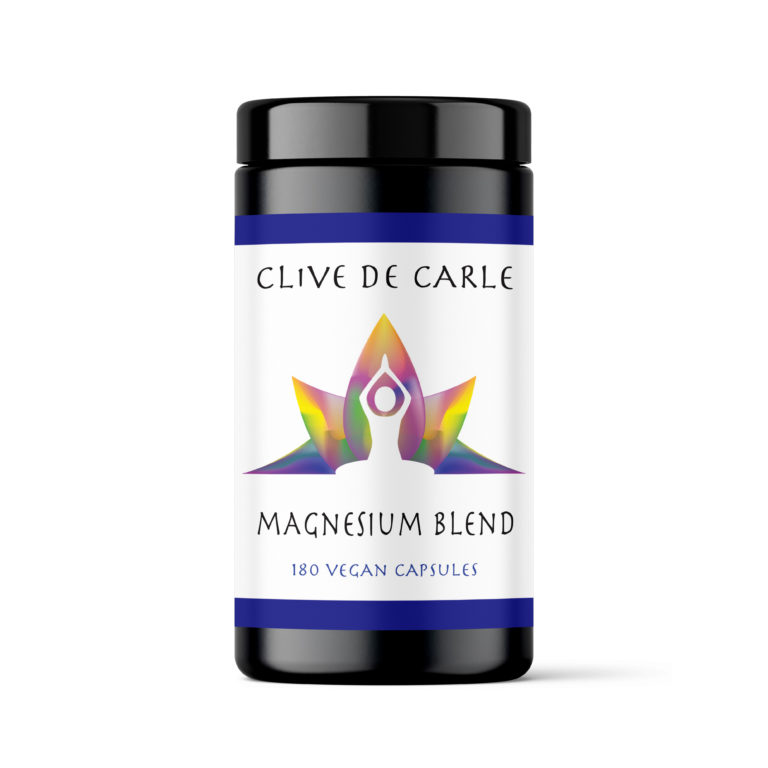
Magnesium Blend – The Most Important Mineral

Clean Slate – Detoxes thousands of chemicals,heavy metals, pesticides, allergens, mold spores and fungus
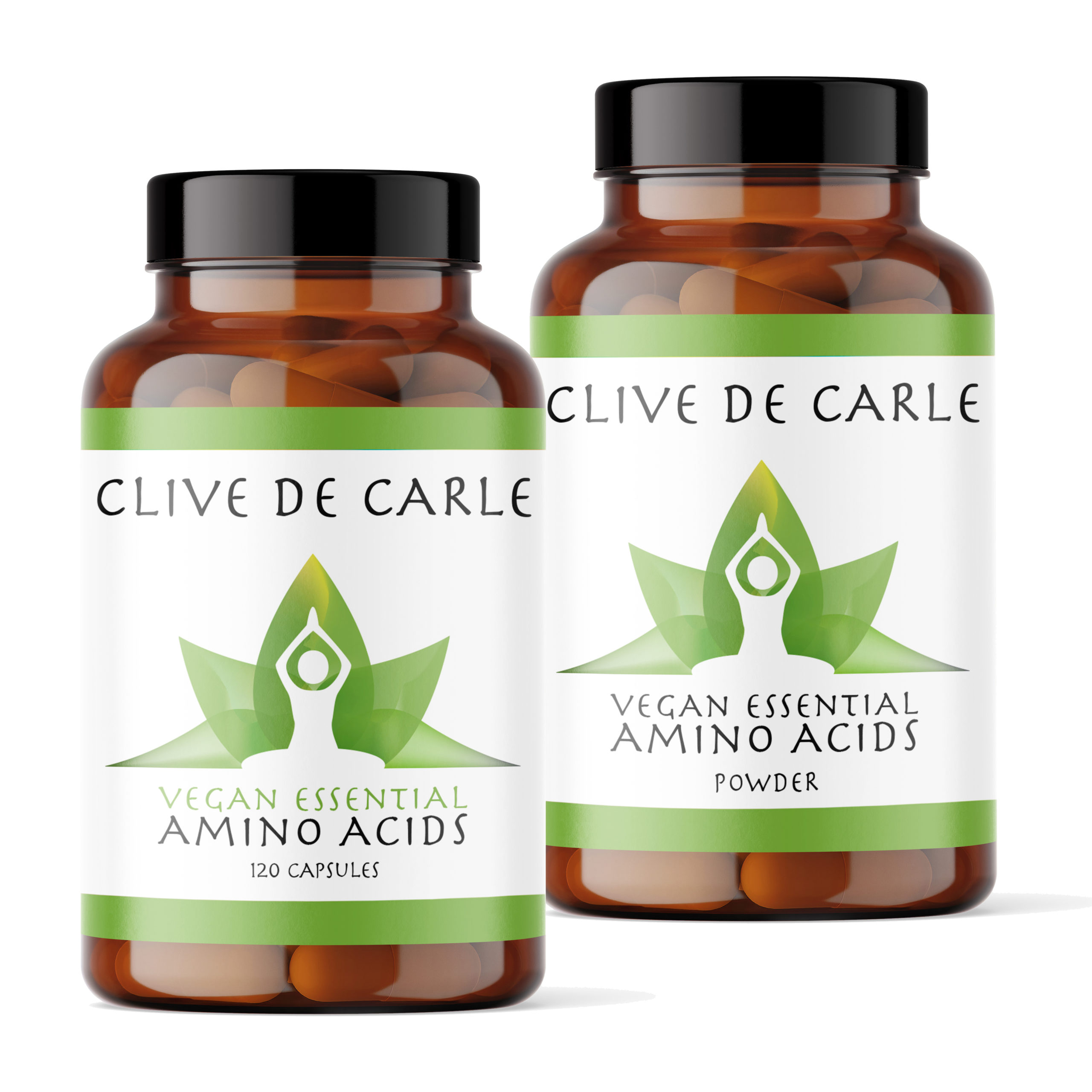
Vegan Essential Amino Acids – Plant-Powered Protein Building
INNERSTANDING may earn a commission on purchases made through these links. All products are selected based on rigorous educational relevance to our biological research.
RABBIT HOLE
Follow the biological thread deeper